
15 Mediterranean Kitchen Interior Design | Luxury & Classic Look

Mediterranean kitchen interior design is more than a visual theme; it is a mood, a rhythm, a way of living wrapped in stone, wood, and sunlight. This style borrows its soul from coastal villages, sun-soaked farms, and homes where kitchens are not showpieces but gathering places. A Mediterranean kitchen feels settled, calm, and quietly confident. It does not chase trends. Instead, it invites time to slow down, like an afternoon stretching endlessly by the sea.
What makes this style stand apart is its balance. Luxury meets simplicity. Elegance walks hand in hand with comfort. Every surface feels touched by life, not polished into perfection. Whether you crave a classic look or refined richness, Mediterranean kitchens offer both, without shouting for attention.
The Soul of Mediterranean Kitchen Design
Mediterranean kitchens breathe warmth. They feel human, not staged. This design language speaks through texture, depth, and natural aging. You will not find cold finishes or sharp lines dominating the space. Instead, curves, arches, and uneven surfaces create a sense of belonging.
The kitchen becomes a shared table of stories. Meals linger. Conversations wander. The design supports this lifestyle by feeling open and generous. It is a kitchen that welcomes noise, laughter, and imperfect moments.
Why Mediterranean Kitchens Never Age
Trends come and fade like seasons, but Mediterranean kitchens remain steady. The reason is simple. They are rooted in nature and tradition. Stone grows richer with time. Wood deepens in tone. Tiles gain charm through use.
Rather than fighting wear, this style celebrates it. Scratches, patina, and subtle flaws become part of the beauty. This acceptance of aging gives Mediterranean kitchens a timeless appeal that modern designs often lack.
A Brief History Behind the Style
Mediterranean kitchen design grew from necessity, not fashion. Homes along Italy, Spain, Greece, and southern France relied on local materials. Stone was abundant. Clay was shaped into tiles. Wood was carved by hand.
Kitchens were practical spaces meant to serve families and communities. Over time, these functional choices became a recognizable aesthetic. What began as simple living slowly evolved into a design admired worldwide.
Cultural Roots That Shape the Look
Each Mediterranean region adds its own flavor. Italian kitchens lean toward warmth and richness. Spanish kitchens embrace bold tiles and darker woods. Greek kitchens favor brightness, whitewashed surfaces, and ocean hues.
Despite these differences, they share a common thread. Respect for craftsmanship. Love for natural elements. And a deep connection between food, family, and space.
Earthy Tones That Ground the Space
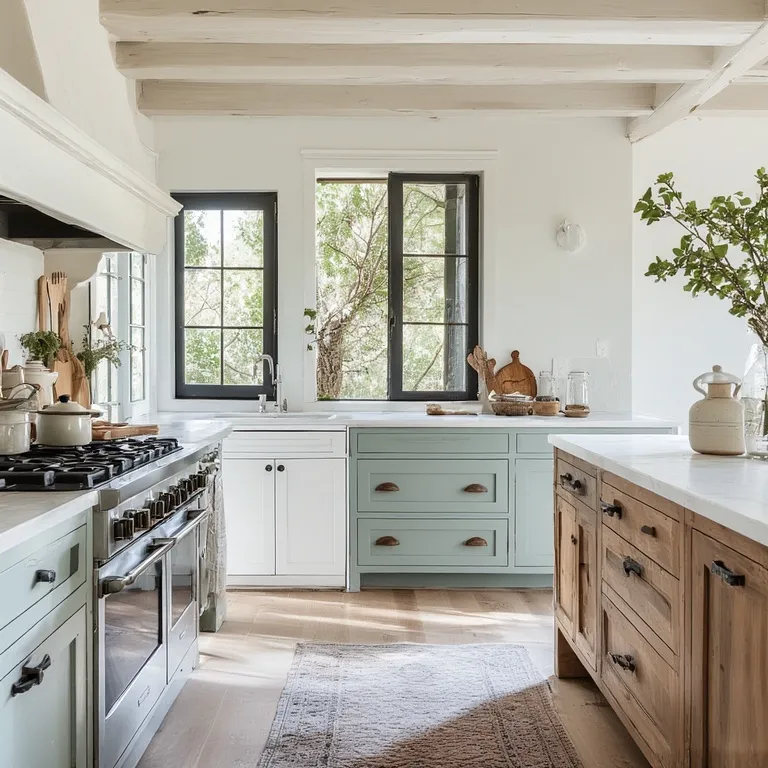
Warm browns, sandy beiges, muted terracotta, and soft ochre form the backbone of this style. These colors anchor the kitchen, giving it depth and comfort.
They work especially well on cabinets, floors, and walls. Earth tones also hide wear gracefully, making them perfect for busy kitchens that see real life every day.

Sea-Inspired Blues and Whites
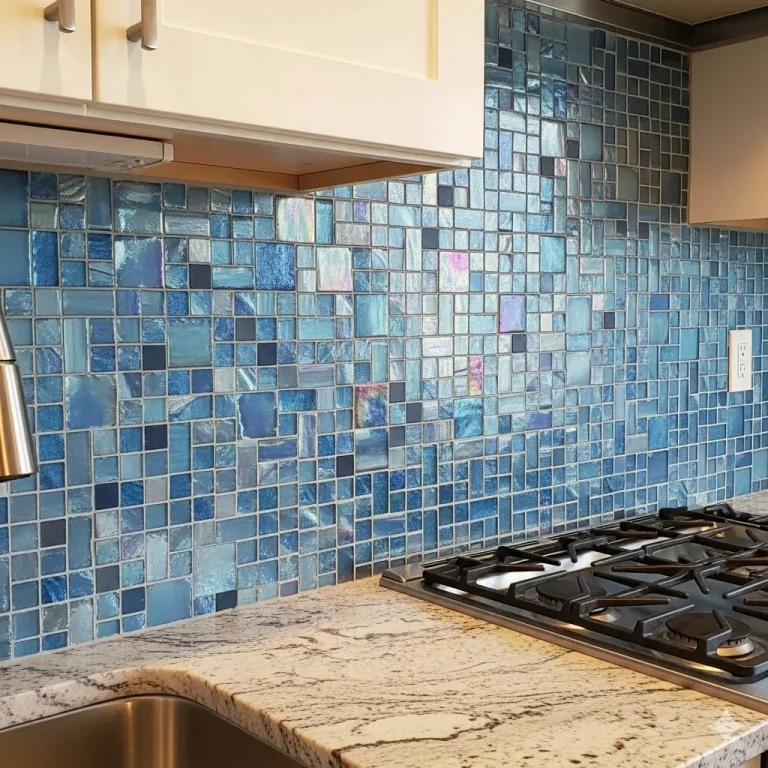
To balance warmth, Mediterranean kitchens often welcome blues and whites. Think of faded denim, soft sky, or calm water at dawn. These shades refresh the space without cooling it too much.
White plaster walls reflect sunlight beautifully, while blue tiles or accents add character. Together, they echo coastal landscapes in a subtle, refined way.
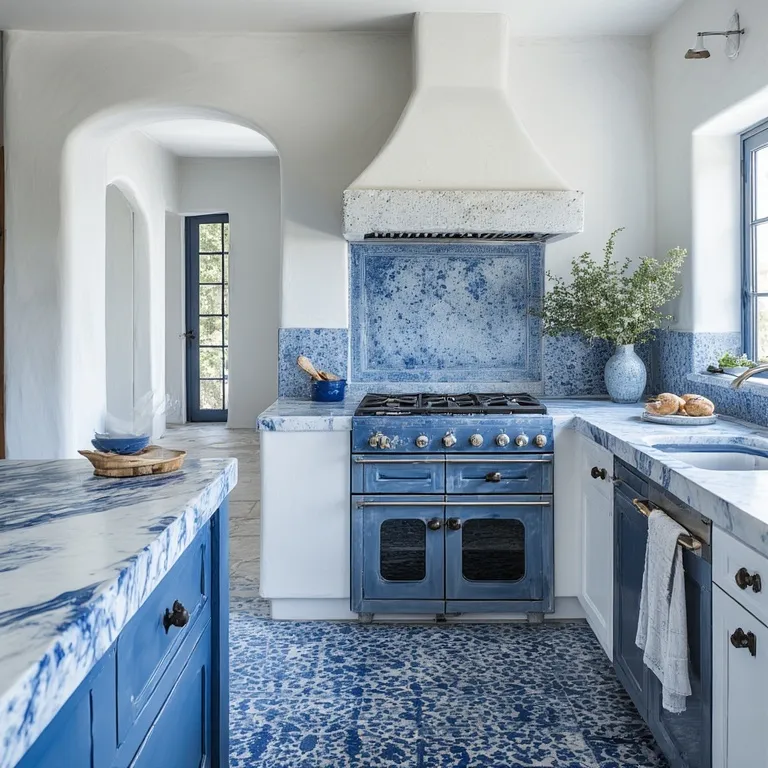
Natural Materials That Define Authenticity
Authenticity lives in materials you can feel. Mediterranean kitchens avoid synthetic finishes. Instead, they rely on surfaces that tell stories through texture and weight.
Each material plays a role in shaping the kitchen’s personality.
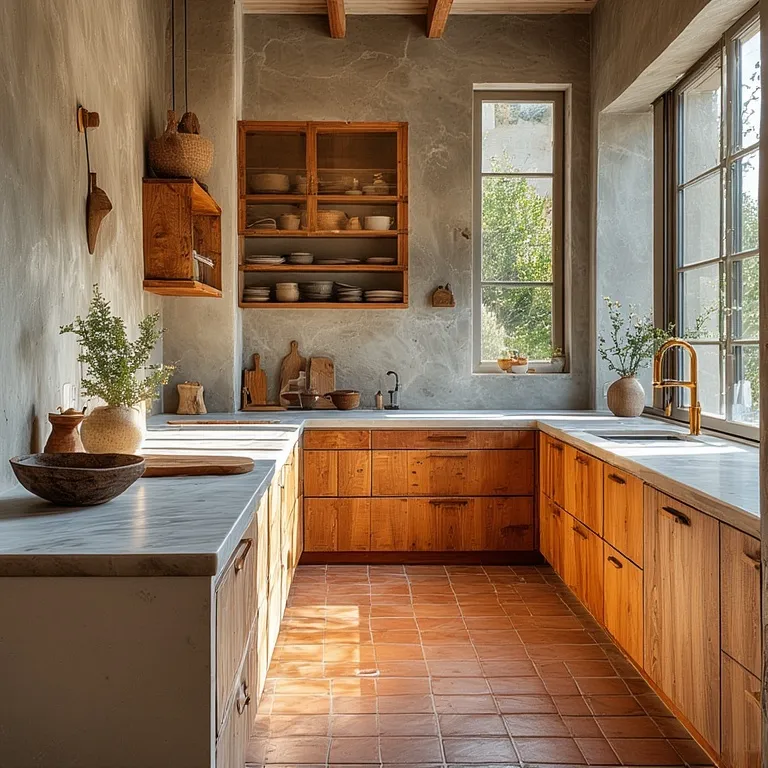
Stone Surfaces With Raw Beauty
Stone countertops, backsplashes, or walls add quiet drama. Marble, limestone, and travertine bring natural movement through veins and variations.
These stones are never perfect. That is their charm. They soften the space and connect the kitchen to the earth beneath it.
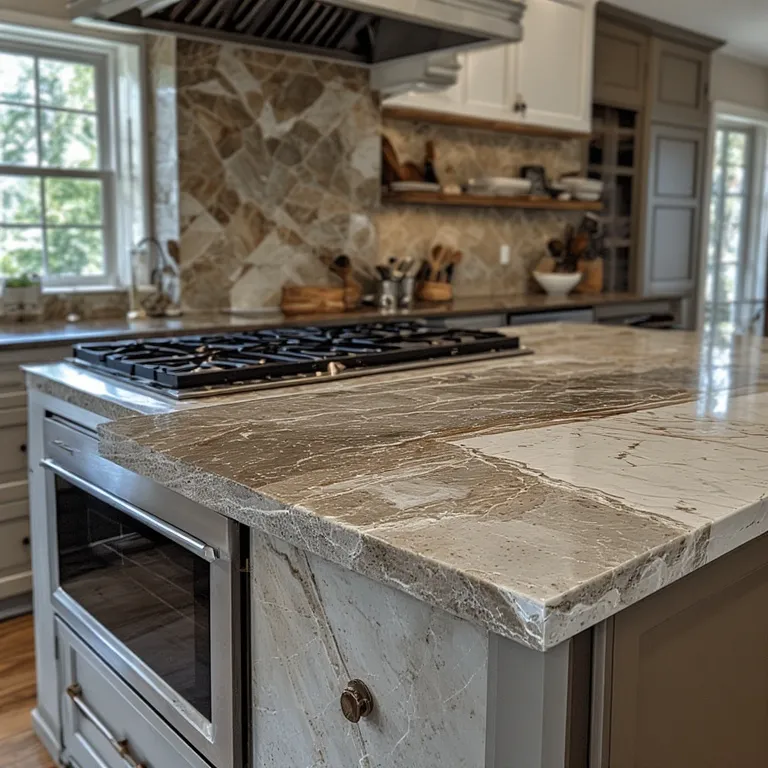
Warm Wood With Character
Wood in Mediterranean kitchens feels honest. Often left slightly rough or hand-finished, it brings warmth and familiarity. Oak, walnut, and reclaimed timber are common choices.
Cabinets, ceiling beams, and shelving made of wood give the kitchen a grounded, lived-in feel that grows more inviting with time.
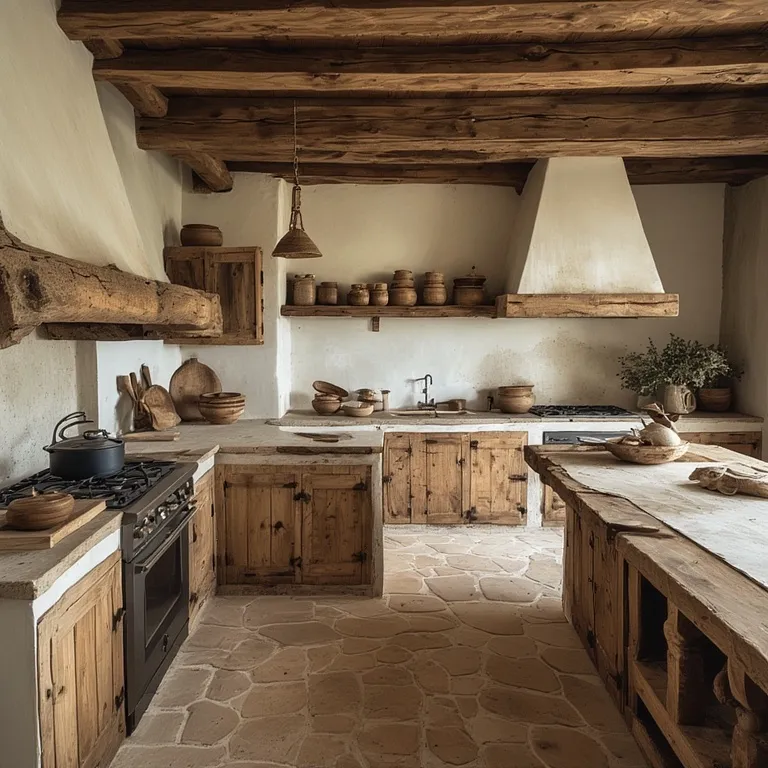
Mediterranean Cabinets: Simple Yet Regal
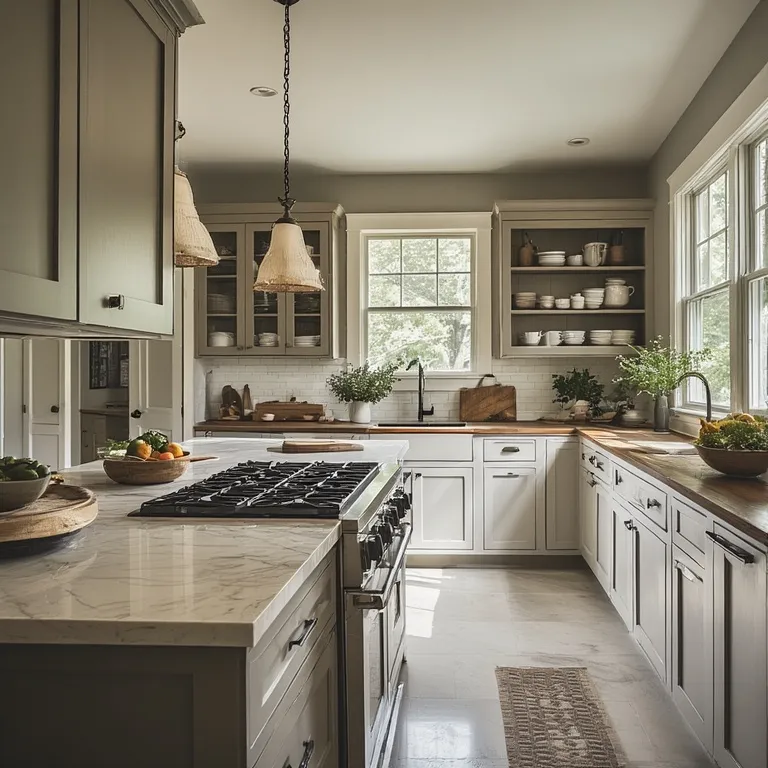
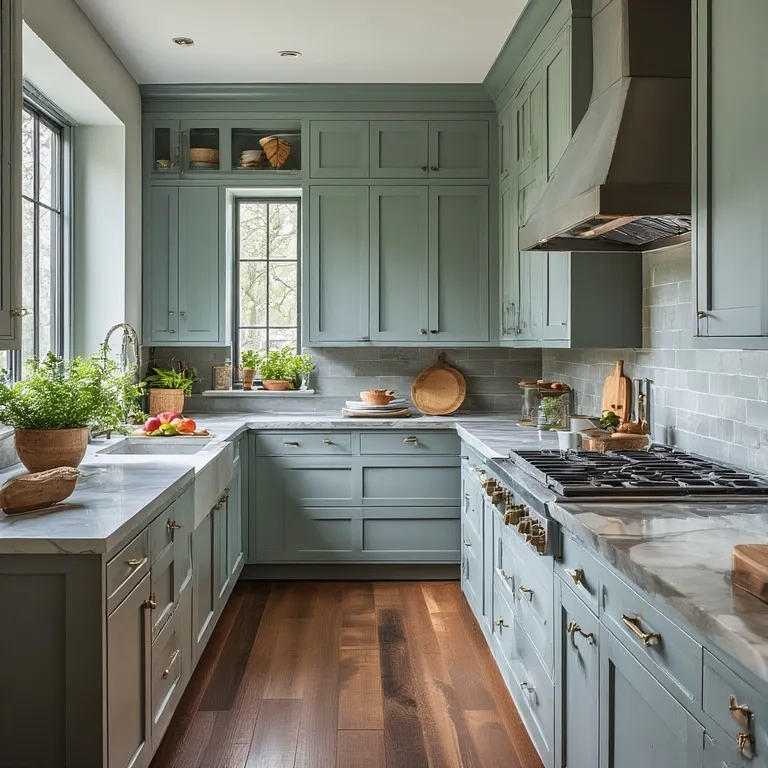
Cabinetry in this style avoids gloss and sharp edges. Doors often feature subtle detailing, gentle curves, or classic paneling.
The goal is elegance without excess.
Handcrafted Wood Cabinets
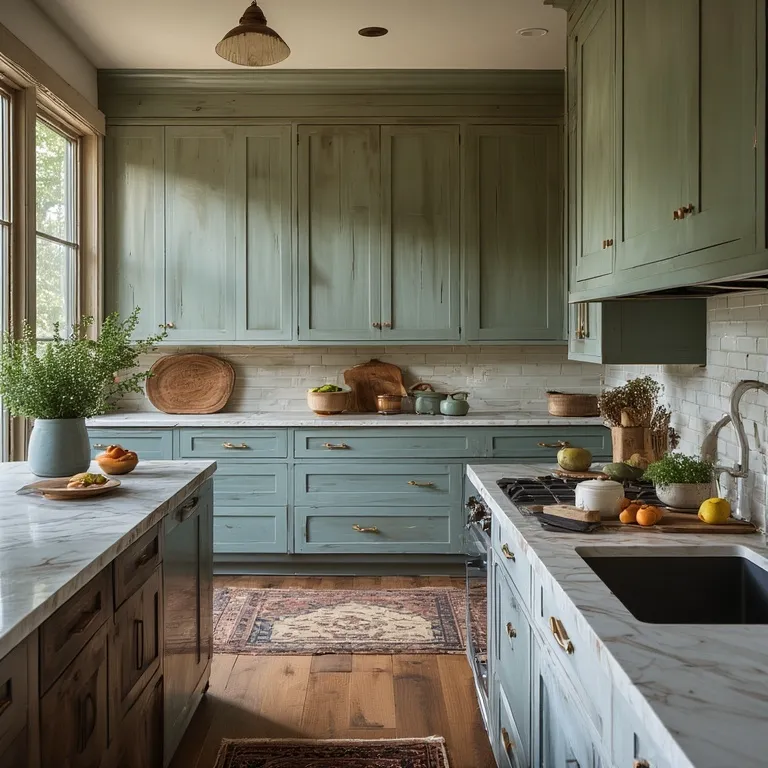
Handmade cabinets carry small imperfections that machine-made units cannot replicate. These details add soul. Finishes are usually matte or softly distressed.
Colors range from warm neutrals to muted greens and blues, all chosen to feel calm rather than bold.
Open Shelving for a Lived-In Feel
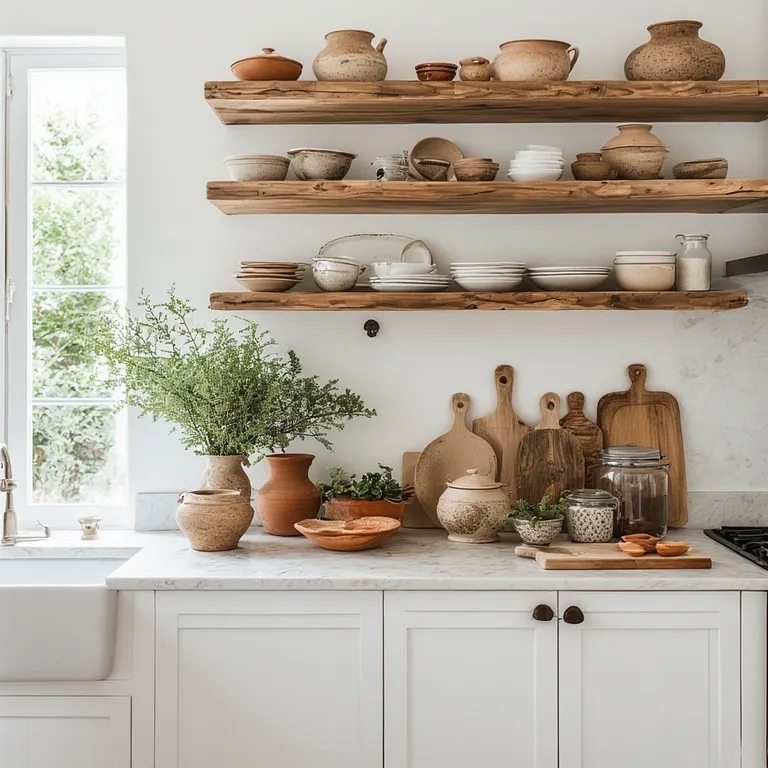
Open shelves are common in Mediterranean kitchens. They showcase pottery, glass jars, and everyday dishes. This openness adds warmth and encourages a relaxed atmosphere.
It feels like a kitchen in use, not one frozen for display.
Countertops That Steal Attention
Countertops act as visual anchors. They must be durable, beautiful, and timeless.
Mediterranean kitchens choose materials that age gracefully and feel substantial.
Marble Elegance
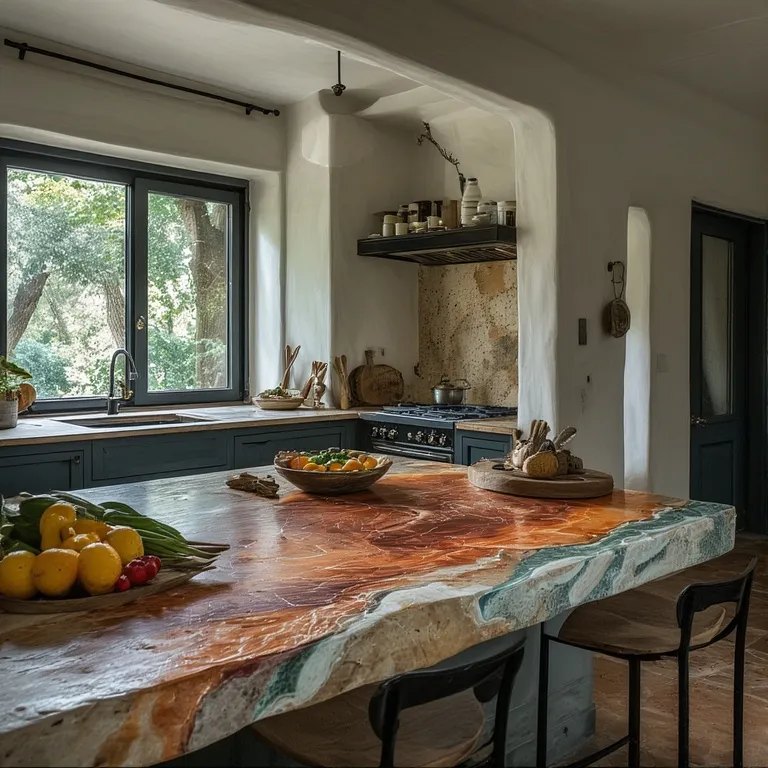
Marble offers softness and luxury without feeling flashy. Its cool surface balances warm wood and earthy walls.
Though delicate, its natural wear only enhances its charm over time.
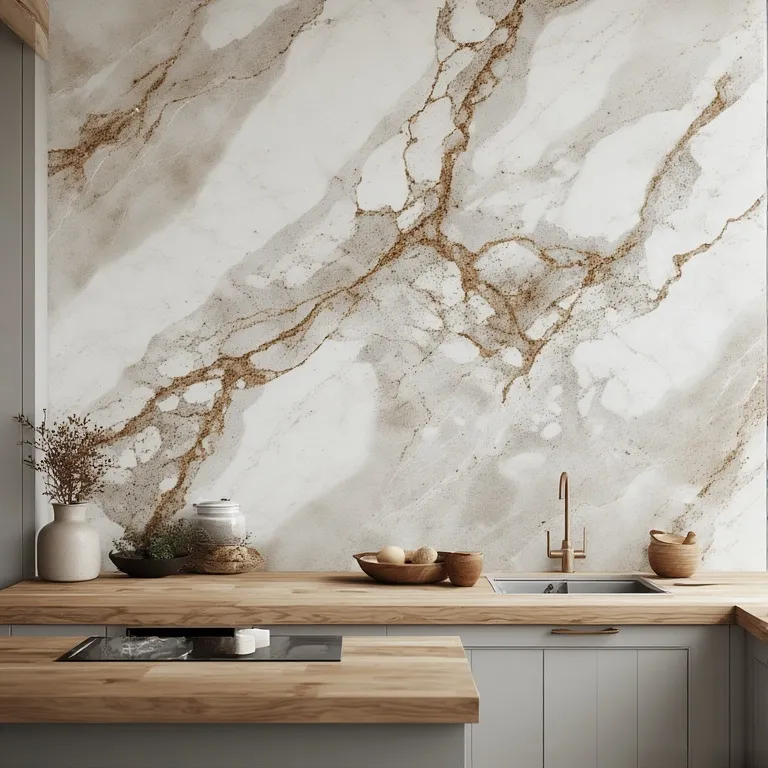
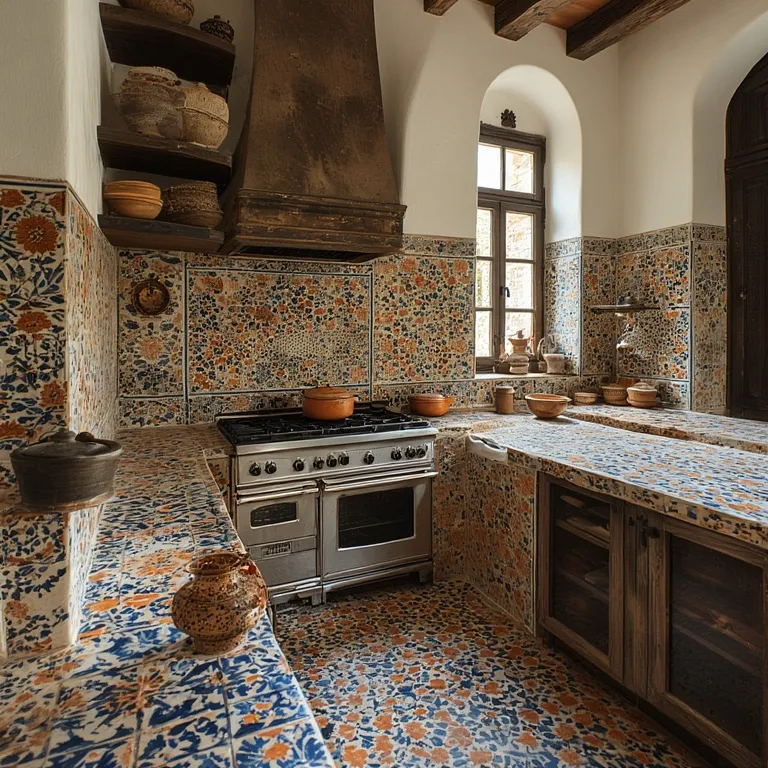
Rustic Tile Worktops
In some Mediterranean homes, tiled countertops appear. Hand-painted or neutral tiles create a textured, artisanal look.
They feel old-world and personal, adding layers of character to the kitchen.
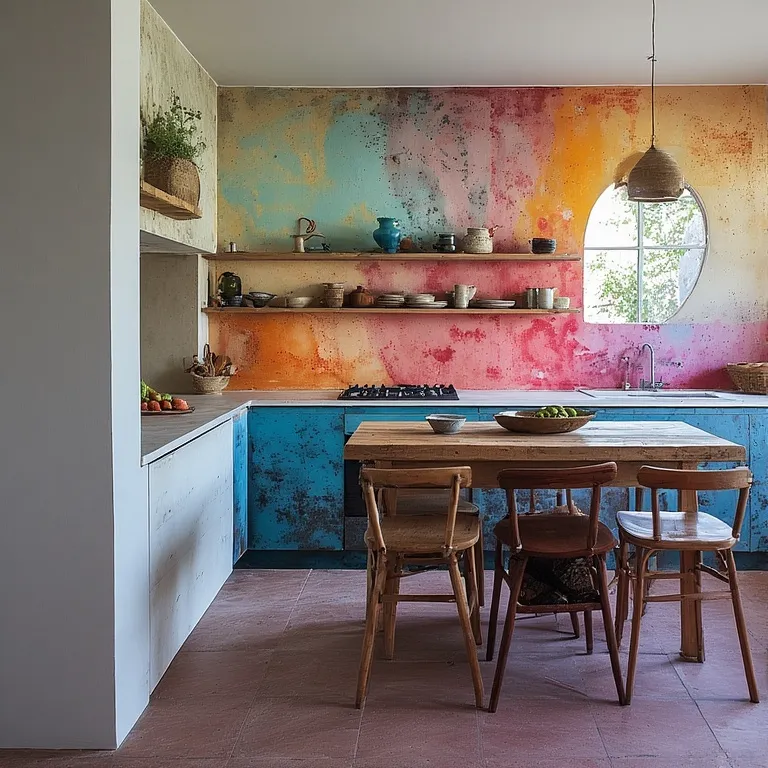
Walls That Tell Stories
Walls in Mediterranean kitchens rarely stay flat or plain. Texture is key.
These surfaces catch light differently throughout the day, creating depth and movement.
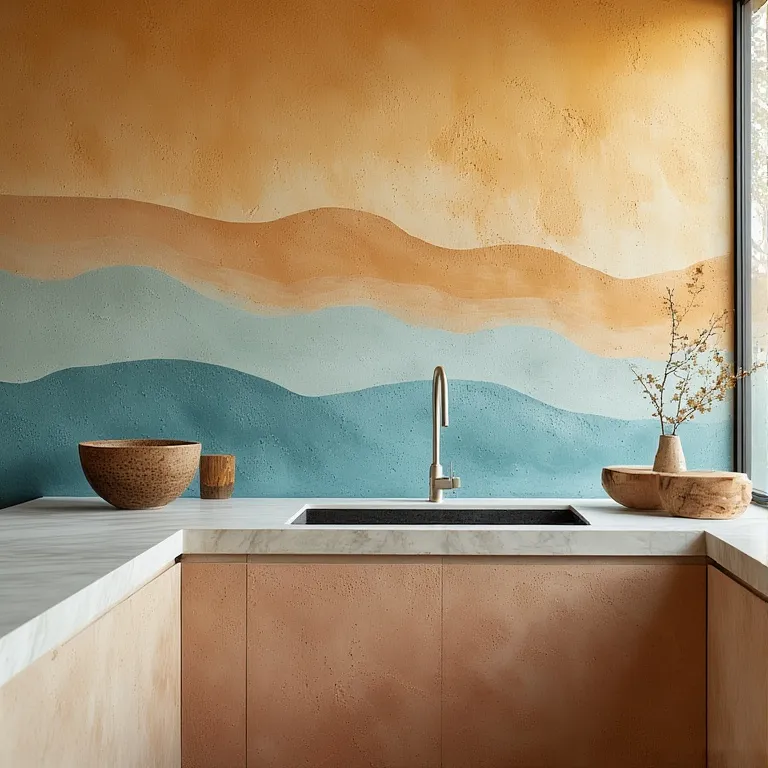
Textured Plaster and Stucco
Plaster walls with subtle waves and imperfections reflect traditional craftsmanship. They soften the space and create warmth without relying on color.
This texture feels organic and calming.
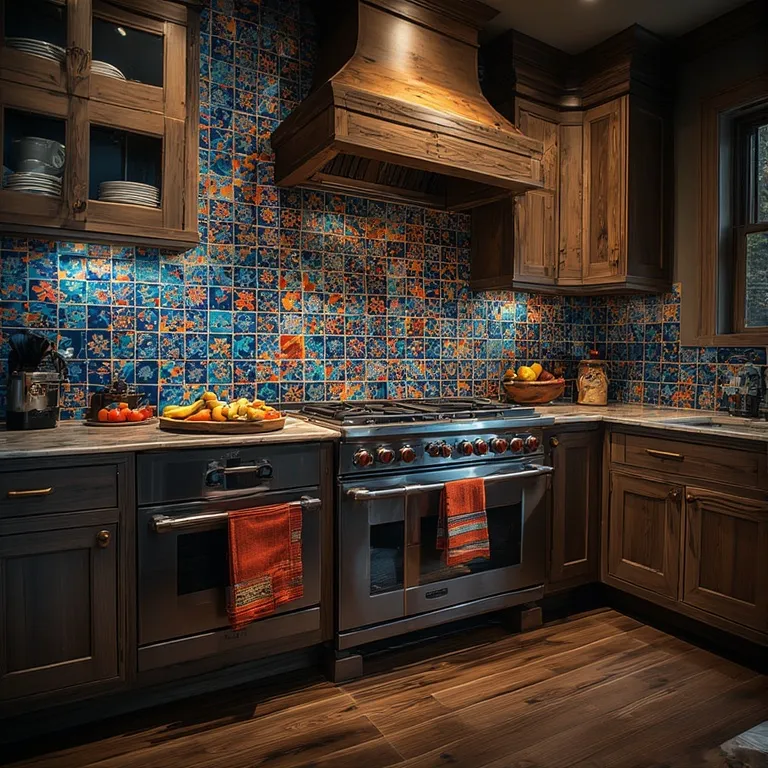
Decorative Tile Backsplashes
Tiles add personality. Patterns may be geometric, floral, or simple repeats. Colors remain grounded and harmonious.
A tile backsplash becomes art that serves a purpose.
How to Modernize a Mediterranean Kitchen
Balance tradition with restraint. Keep classic materials but simplify layouts.
Modern lighting and subtle appliances help update the look without losing soul.
Conclusion
Mediterranean kitchen interior design offers more than beauty. It offers comfort, history, and a sense of belonging. Luxury lives quietly here, wrapped in stone, wood, and light. Whether classic or refined, this style creates kitchens meant to be lived in, shared, and loved for years to come.
FAQs
1. Is Mediterranean kitchen design suitable for small spaces?
Yes, with light colors, open shelving, and natural light, even small kitchens feel airy and welcoming.
2. Can Mediterranean kitchens include modern appliances?
Absolutely. Integrated and vintage-style appliances blend seamlessly.
3. What flooring works best for Mediterranean kitchens?
Terracotta and natural stone are classic and durable choices.
4. Are Mediterranean kitchens expensive to design?
They can be adapted to different budgets by focusing on key materials and textures.
5. Can I mix Mediterranean style with modern design?
Yes, when done carefully, modern elements can refresh the look without losing character.