

“15 Multifunctional Kitchen Design Ideas for Smarter Living”

Multifunctional Kitchen Design is more than a place to cook. It becomes a workspace, a dining spot, a homework area, and a place to hang out. When you design a kitchen to do many jobs, you save time and make life easier. This is helpful for families, busy professionals, or anyone with a small home. A smart kitchen uses every inch well. It lets you cook fast, clean up quickly, and still have room for guests. You’ll find fewer trips back and forth, less clutter, and more joy in daily tasks. The goal is to make the kitchen work for you — not the other way around.
Lifestyle Benefits
Choosing multifunction means your kitchen fits your life. You get space for homework, work-from-home, and meal prep all in one. It also helps social life — friends can sit at the island while you cook. A good design keeps everyday items close and hides the mess. That means less stress and more time for what matters. It also makes small homes feel larger because every item has a planned place. When the kitchen is set up for how you actually live, it saves energy and cuts wasted steps. The result? You have a kitchen that makes daily life smoother and more pleasant.
Space and Cost Efficiency
A multifunctional kitchen uses the same square footage for many tasks. That saves money because you don’t build extra rooms. For example, a fold-down table or island can act as a dining area, extra counter, and storage. Smart appliances take multiple jobs — like an oven that steams and bakes — so you buy less. Good planning also reduces the need for extra furniture and keeps small homes tidy. In the long run, multifunctional design can save on energy bills and reduce clutter-related purchases. Investing in smart storage and quality pieces often costs less than remodeling multiple rooms later.
Check Also : “15 Bold Dark Aesthetic Living Room Ideas for Dramatic Style”
Idea 1: Open Shelving + Hidden Storage Combo
Open shelving looks fresh and lets you show dishes or cookbooks. But too much open space can look messy. Pair open shelves with hidden cabinets and drawers. That way, you keep nice items on display and hide the everyday clutter. This mix gives a kitchen a lived-in but neat look. It also makes it easier to grab daily items while keeping less-used items tucked away.
How to Balance Display and Concealment
Balance means choosing what to show and what to hide. Display items should be pretty or used often — like white dishes or glass jars. Behind closed doors, store pots, pans, and small appliances. Use baskets and boxes to keep hidden shelves tidy. Make sure open shelves are at a reachable height and not over-cluttered. Lighting helps: put a light above display shelves to make them pop. The mix keeps the kitchen feeling personal and organized without visual chaos.
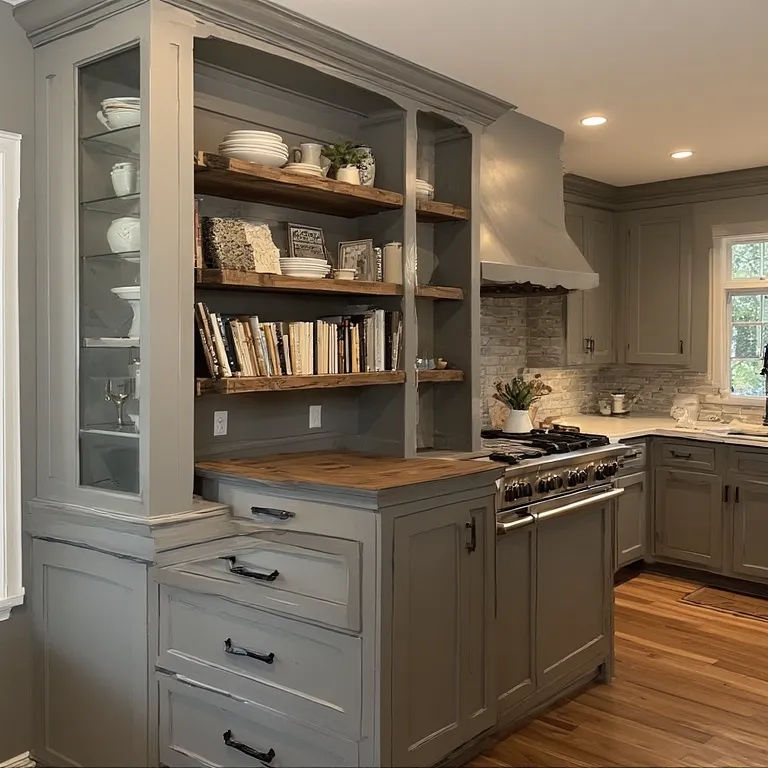
Idea 2: Island with Built-in Appliances
A kitchen island can do a lot. Add a small fridge drawer, a cooktop, or a dishwasher drawer to the island. This keeps everything handy and frees other counter space. Islands become the center of action — cooking, serving, and socializing all in one spot. You can also place a sink in the island to make prepping easier and reduce traffic to the wall counter.
Fridge Drawers, Cooktop, and Dish Storage
Fridge drawers under the island are great for drinks and snacks. A cooktop in the island lets the cook face guests while working. Dish storage near the island makes putting away plates quick. If you like hosting, an island with a built-in wine fridge or warming drawer is handy. Make sure ventilation is good if you put a cooktop there, and keep clearances for seating so people can sit comfortably without getting too close to hot surfaces.

Idea 3: Pull-Out Pantry Systems
Pull-out pantries are tall, thin units that slide out like a drawer. They fit pockets of space and hold spices, cans, and dry goods. These systems are perfect for narrow gaps between appliances or cabinets. They help you see everything and avoid items getting lost at the back of deep shelves.
Tall Slim Pull-Outs vs. Deep Corner Pull-Outs
Tall slim pull-outs are great next to ovens or fridges. They store small jars and bottles in an organized way. Deep corner pull-outs are built for those awkward corners where items often get forgotten. They bring the contents out to you, making access easy. Both types save space and improve reach. Use clear containers and labels to keep things tidy. Pull-out pantries are low-cost upgrades that add big value in daily use.
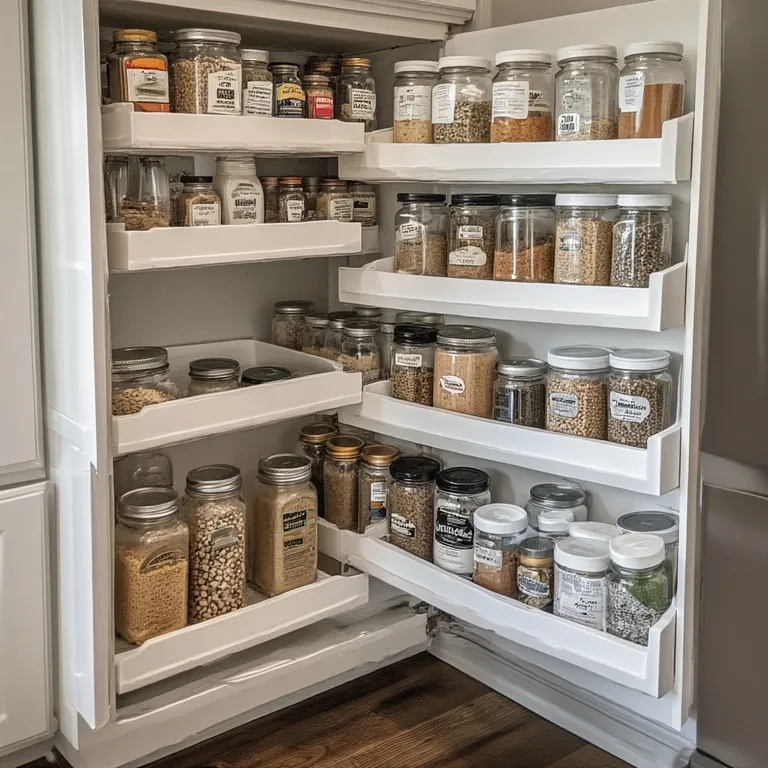
Idea 4: Fold-Down Tables and Drop Leaves
Fold-down tables and drop leaves give you dining space only when you need it. They are perfect for small kitchens or apartments. When folded, they free floor space for movement. When open, they make room for meals, work, or kids’ crafts. They are flexible, cheap, and very practical.
Dining, Workstation, and Extra Prep Space
A drop-leaf table can serve as a dining spot or a food prep area for big meals. It can be a desk in the morning and a dinner table in the evening. Choose a sturdy hinge and support so the table feels solid. Add stools that tuck under the table when not in use. Use the surface for meal prep with a cutting board cover to protect it. This idea gives many functions without needing a large room.
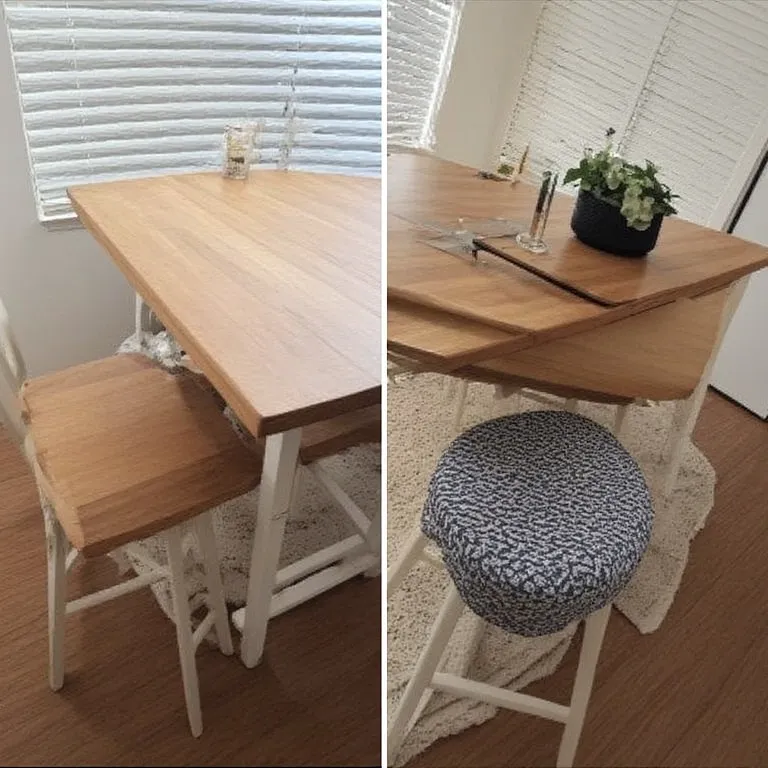
Idea 5: Appliance Garages and Lift-Up Doors
Appliance garages are cabinets that hide toasters, mixers, and coffee machines. Lift-up doors or roll-up tambour doors keep these appliances out of sight but easy to reach. They help keep counters clean and create a calm look. You can also add power outlets inside the garage so small appliances can be used without taking them out.
Keeping Counters Clear Without Losing Access
Hide clutter but keep things usable. Appliance garages allow quick access and instant cleanup. Use lift-up doors that open high enough so the door doesn’t block your view. Tambour doors slide back neatly and save door swing space. Add a small shelf in the garage for accessories. This keeps your style clean while having your gear handy for daily coffee or baking sessions.
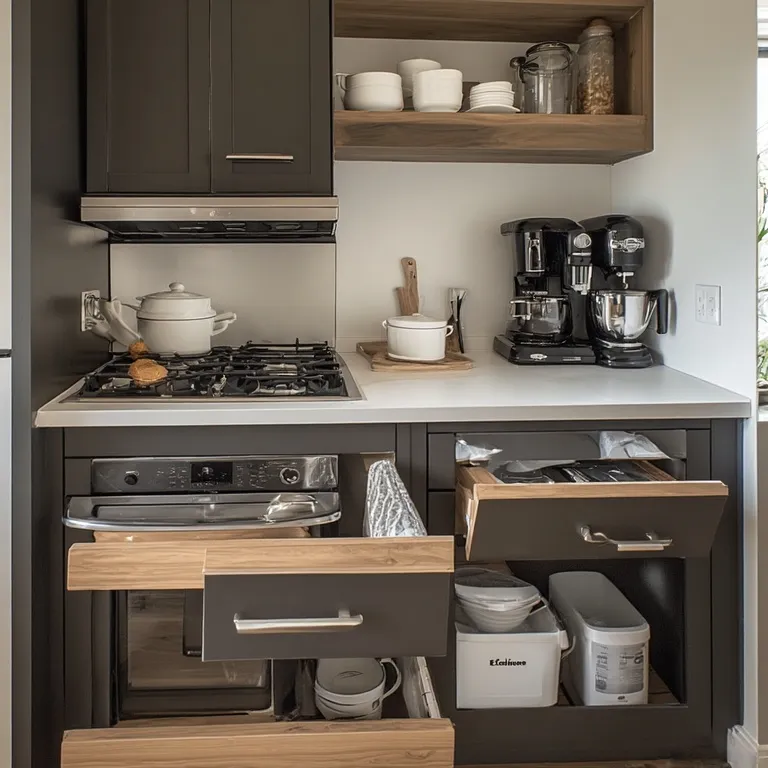
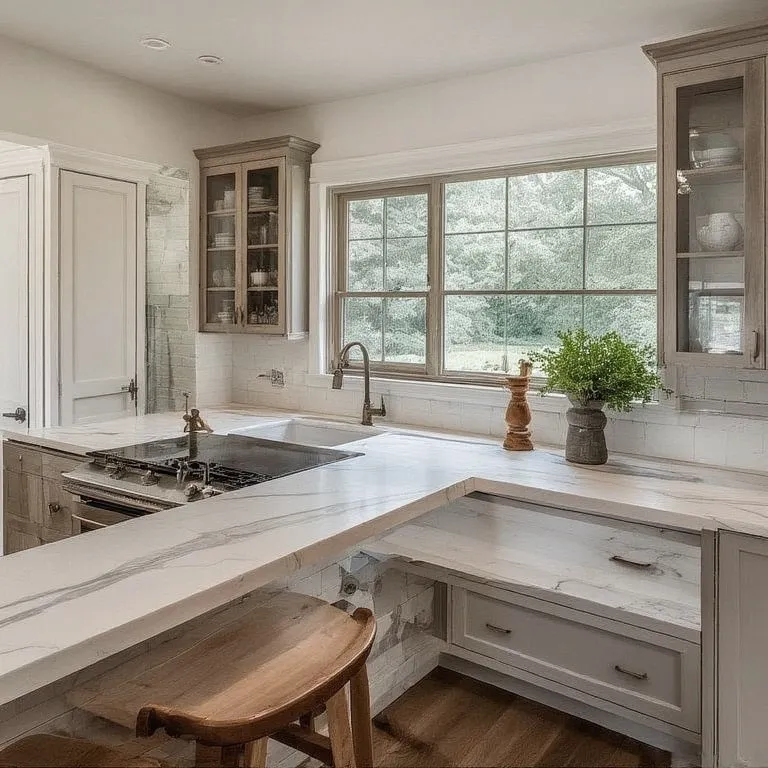
Idea 6: Multi-Level Countertops
Multi-level counters have different heights for different tasks. A raised bar edge can serve as a dining or laptop area, while a lower section works for chopping and cooking. This design helps keep work zones separate and makes the kitchen more comfortable for all ages.
Bar Height, Prep Height, and Kid-Friendly Zones
Bar height (about 42 inches) is great for stools and casual dining. Prep height (about 36 inches) suits most cooking tasks. Adding a lower section (around 30 inches) creates a kid-friendly workspace or seating for shorter people. These levels can match different tasks without sacrificing flow. Use durable materials and rounded edges for safety. Multi-level counters help everyone find a comfortable place to work or eat in the same kitchen.
Idea 7: Smart Lighting with Task Zones
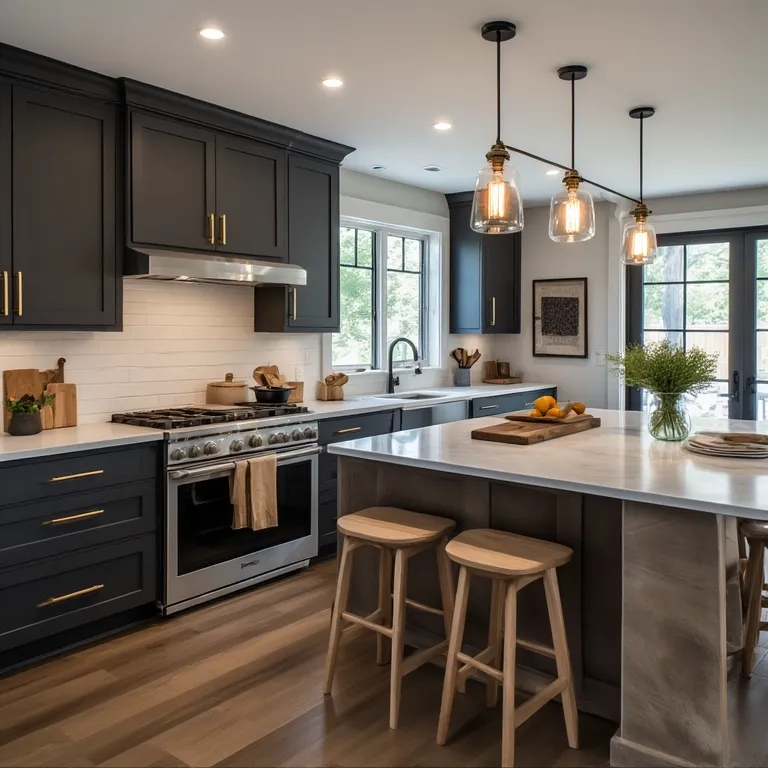
Good lighting is vital in a multifunctional kitchen. Use a mix of overhead lights, pendants, and under-cabinet strips. Assign specific lights to cooking, dining, or reading. Smart controls let you change brightness and color for different moods and tasks. Lighting that adapts makes the kitchen more useful day and night.
Under-Cabinet, Pendant, and Strip Lighting
Under-cabinet lighting brightens prep zones and cuts down shadows. Pendants over islands add style and task light for eating or homework. LED strip lights inside cabinets or under shelves make items easier to find and add a modern touch. Use dimmers to lower light levels for dining or relax time. Smart bulbs with warm tones feel cozy and flatter surfaces. Proper lighting reduces mistakes and makes the kitchen safer and more inviting.
Idea 8: Integrated Seating — Benches and Banquettes
Built-in benches and banquettes use space well and offer storage under the seats. They create a cozy dining nook that feels connected to the kitchen. These seats are comfortable and can be designed to fit corners or along windows. Integrated seating looks neat and keeps the layout consistent.
Storage Under Seats and Flexible Layouts
Under-seat drawers or hinged lids store linens, seasonal dishes, or kid toys. Bench seating can be paired with a small table to form a compact dining area. Use cushions and washable covers for easy cleaning. Also, add lockers or hooks nearby to store bags and jackets. Banquettes save floor space compared to separate chairs and can be a great way to use odd corners effectively. This solution is stylish and super practical.

Idea 9: Pocket Doors and Sliding Cabinet Panels
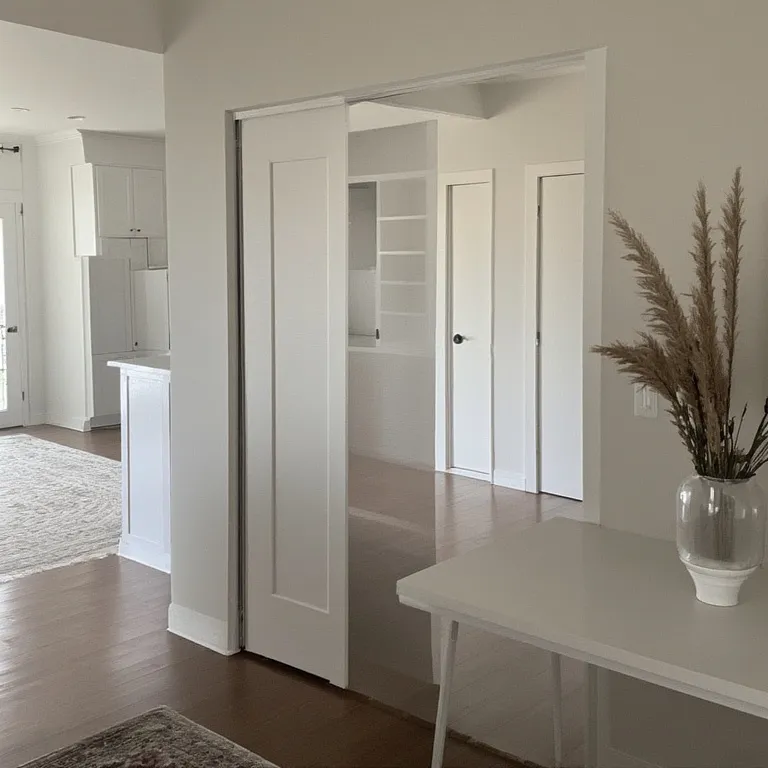
Pocket doors slide into the wall and save swing space. Sliding cabinet panels hide clutter and can transform a working kitchen into a neat entertaining area fast. These doors are great between kitchen and dining rooms, or as pantry doors where space is tight.
Save Space and Hide Mess Quickly
Pocket doors free up room for furniture and traffic flow. Sliding panels on cabinets let you close off messy zones without heavy swinging doors. They are safe for small kids and help maintain a clean look. Use soft-close tracks to keep noise low. Choose finishes that match the kitchen so the doors blend in when closed. This idea helps maintain a tidy home without constant cleanup.
Idea 10: Multi-Functional Appliances
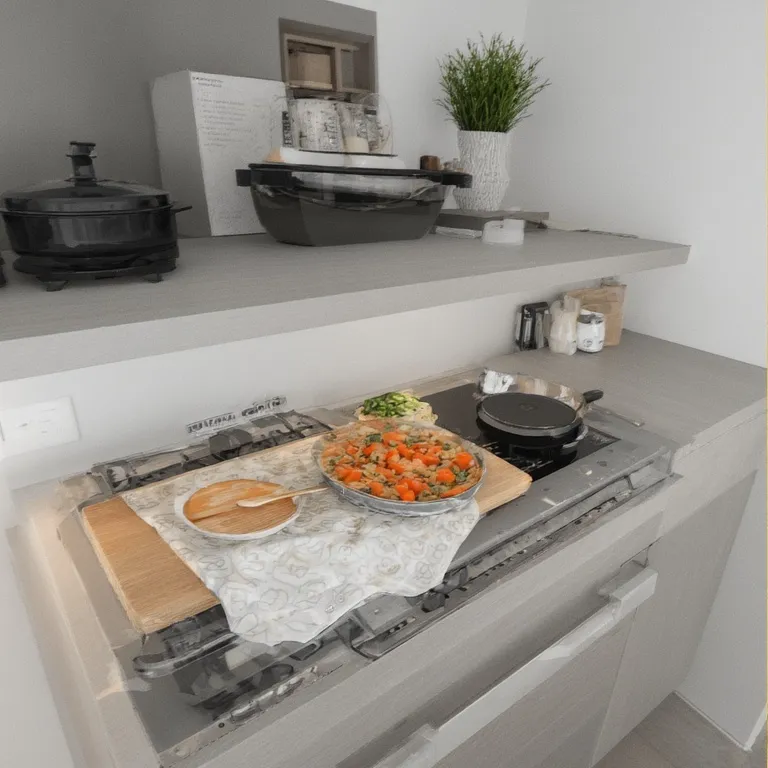
Modern appliances do many jobs now. You can get ovens that roast, steam, and air-fry. Cooktops with induction zones and warming plates save space and energy. Multi-functional appliances reduce the need for multiple single-use gadgets.
Combination Ovens, Steamers, and All-in-One Units
Combination units give flexibility for different cooking methods in one appliance. Steam ovens keep food moist and are great for healthy cooking. All-in-one machines mix functions like baking, microwaving, and air frying. When choosing, think about what you cook most. Multi-use appliances can cost more upfront but save counter space and simplify kitchen flow. They are perfect for small homes or busy cooks who want fewer gadgets.
Idea 11: Modular Cabinet Inserts and Organizers
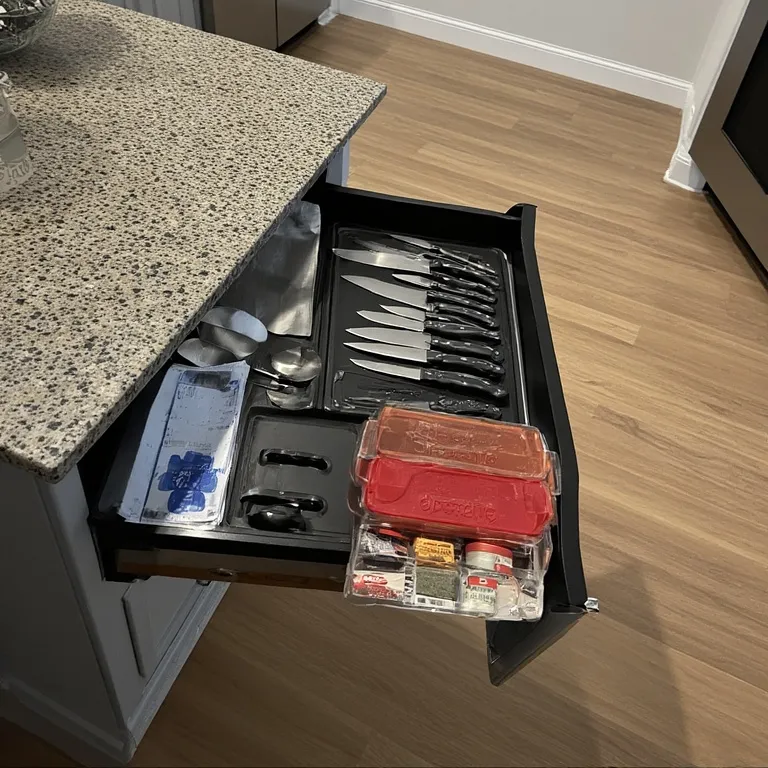
Use inserts for knives, spices, trays, and lids so everything has a home. Modular inserts fit into drawers and can be moved or changed as your needs shift. This helps keep drawers tidy and saves time hunting for tools.
Knife Blocks, Spice Racks, Tray Dividers
Built-in knife racks keep blades safe and free up counter space. Pull-out spice racks make cooking faster and more organized. Tray dividers hold baking sheets and cutting boards upright and easy to grab. Organizers keep small items visible and stop them from jumbling together. These little systems make a big difference in everyday cooking speed and reduce frustration.
Idea 12: Vertical Storage and Wall-Mounted Systems
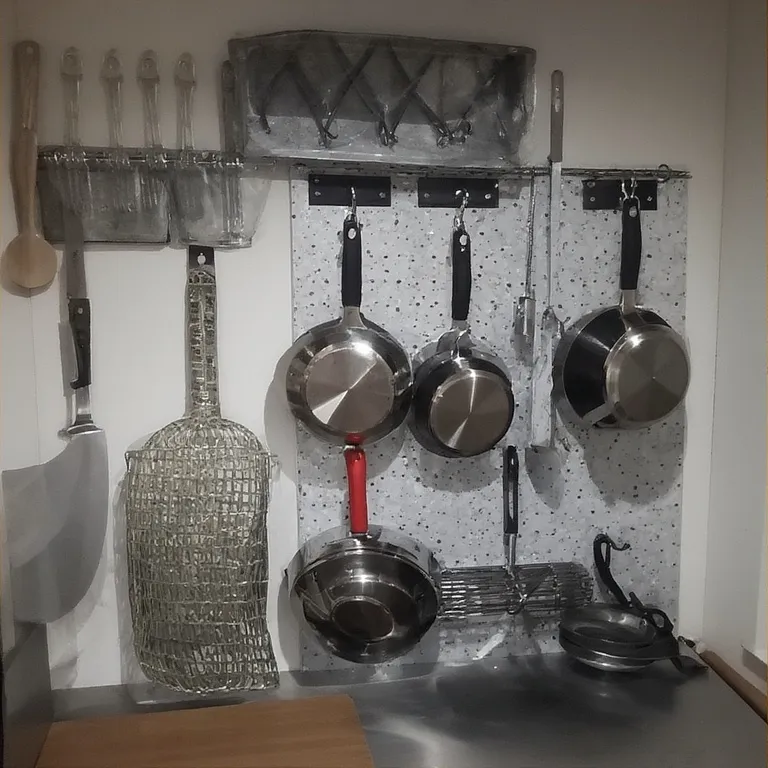
Use walls for storage: rail systems, pegboards, and magnetic strips hold pots, pans, and knives. Vertical storage frees up counters and uses space that often goes unused. It keeps frequently used items within reach and makes the kitchen feel orderly.
Rail Systems, Pegboards, and Magnetic Strips
Rail systems let you hang utensils, planters, and small shelves. Pegboards are flexible and easy to rearrange for new tools. Magnetic strips keep knives safe and visible. These systems are great above prep counters or near the stove. They also add visual interest and can show off favorite tools. Choose sturdy fittings and keep heavier items lower for safety.
Idea 13: Work Triangle Reimagined for Multi-User Use
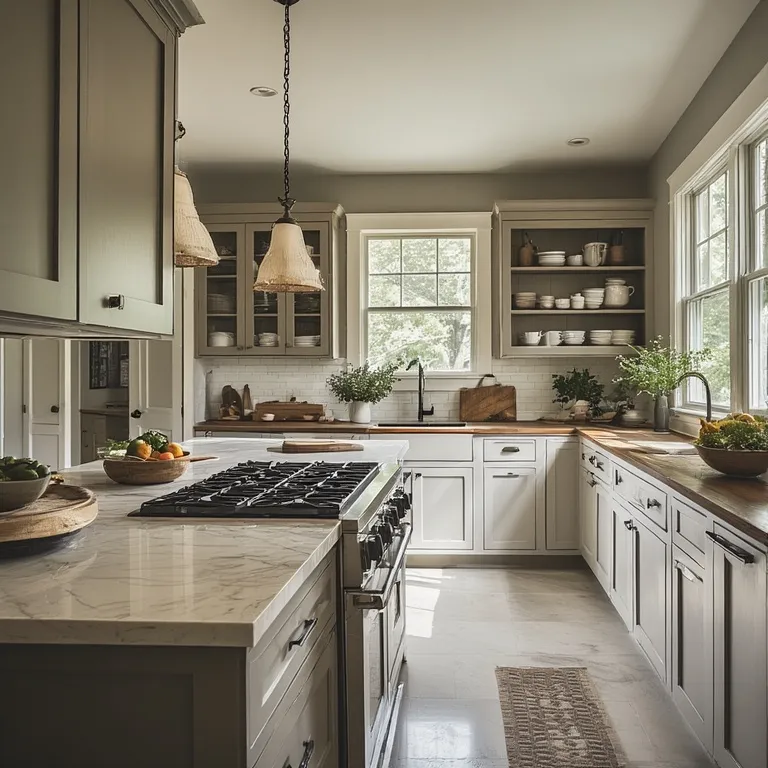
The classic work triangle (sink, stove, fridge) still matters, but think bigger for multiple cooks. Add a second prep sink or a separate beverage station. Make sure pathways are wide so more than one person can move comfortably.
Multiple Prep Stations and Traffic Flow
If you often cook with others, plan for two or more work zones. One person can chop while another cooks without bumping into each other. Place trash and recycling centrally but out of the way. Keep clear paths from fridge to sink to cooktop. Wide aisles (at least 42 inches) and separate task zones reduce crowding and make cooking social and fun.
Idea 14: Convertible Lighting & Climate Controls
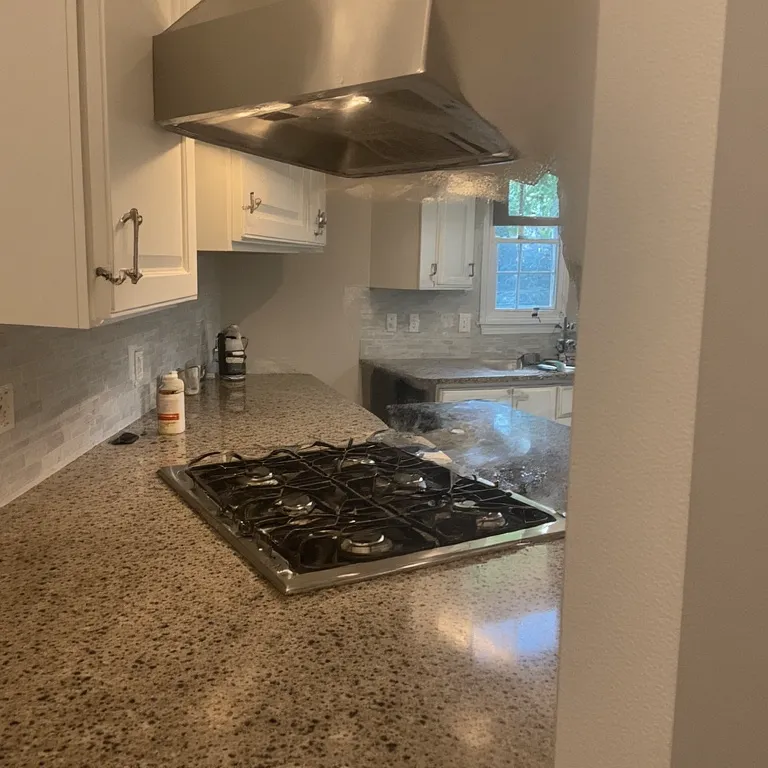
Smart controls adjust lights, fans, and vents for different tasks. Use zoned venting for a cooktop island or a range hood that adjusts speed automatically. Smart thermostats and timed fans keep smells and heat in check. These controls make the kitchen comfortable and efficient.
Zoned Venting and Smart Thermostats
Zoned venting helps when cooking smells are strong — the right zone vents out the air fast. Smart thermostats keep the kitchen at the right temperature for both cooking comfort and energy savings. Use sensors that detect humidity or smoke to trigger vents automatically. Lighting and fan scenes can be set for cooking, dining, or cleaning. These smart systems save time and make the kitchen easier to manage.
Idea 15: Stylish Waste Sorting & Recycling Centers
A neat waste area helps keep kitchen tasks smooth. Use pull-out bins for trash, recycling, and compost. Make them easy to access but hidden to keep the room tidy. Stylish fronts and organized compartments turn waste sorting into a simple habit.
Pull-Out Bins and Compost Solutions
Pull-out bins hide smells and make emptying trash easy. Separate compartments for recycling and compost make sorting quick. Compost systems can be small for countertops or larger in a cabinet with a vent. Choose liners and bags that fit the bins to reduce spills. Label each bin to avoid mistakes. A well-designed waste center reduces mess and makes recycling a natural part of cooking.

Budget Tips for Building a Multifunctional Kitchen
You don’t need to spend a fortune. Paint, new hardware, and smart organizers can change your kitchen’s function for little money. Thrift stores and online marketplaces offer great finds. Prioritize one big item (like an island or good lighting) and update other parts over time.
Common Mistakes to Avoid
Avoid overcrowding, poor lighting, and ignoring circulation paths. Don’t choose appliances that don’t match your cooking habits. Skip designs that add clutter under the guise of “extra storage.” Plan with your daily routine in mind and test ideas with tape or mockups before committing.
Conclusion
A multifunctional kitchen makes daily life easier and more enjoyable. Use smart storage, flexible furniture, and multi-use appliances to get the most from your space. Small changes can have a big impact — an island drawer, a pull-out pantry, or better lighting can transform how you live. Start with one change and build the rest over time. With thoughtful planning, your kitchen can be the heart of a smarter home.
FAQs
Q1: How do I start making my kitchen more multifunctional on a small budget?
Start with paint, new handles, and organizers. Add pull-out inserts, a fold-down table, or open shelving. Prioritize changes that fix daily pain points like lack of counter space or poor lighting.
Q2: Are multi-functional appliances worth the higher price?
Often yes — they save counter space and replace multiple single-use gadgets. Consider how often you will use each feature before buying.
Q3: Can multifunctional kitchens work for families with kids?
Absolutely. Use kid-friendly heights, safe storage, and durable materials. Add lower drawers for snacks and a designated homework spot to keep things tidy.
Q4: How much clearance do I need around an island for comfortable use?
Aim for at least 36–42 inches of clearance around an island so people can pass and pull out drawers without bumping into each other.
Q5: What’s the best way to hide small appliances without losing convenience?
Use appliance garages with lift-up or tambour doors and include an outlet inside. This lets you use the appliance without moving it and keeps counters clear.