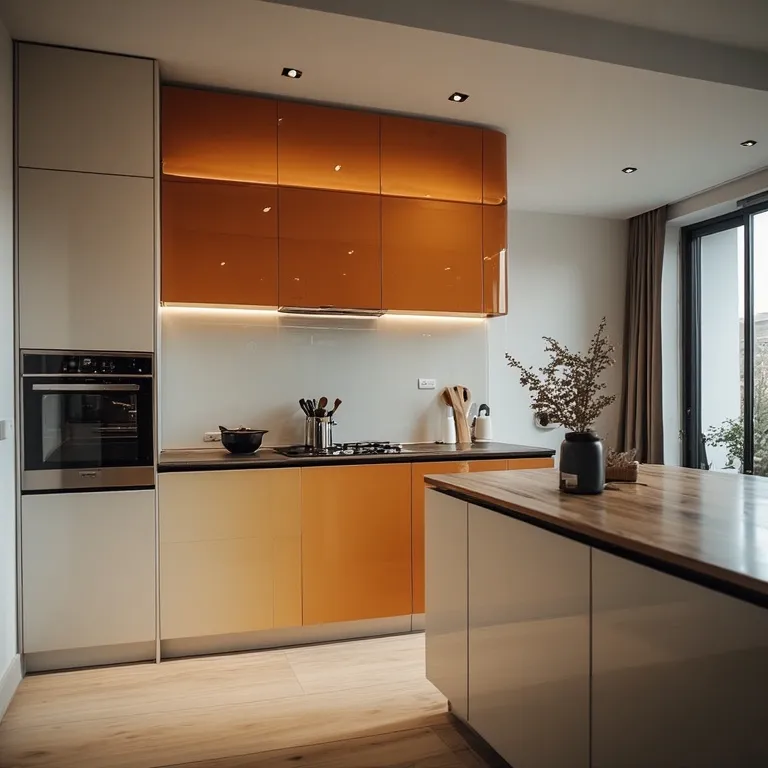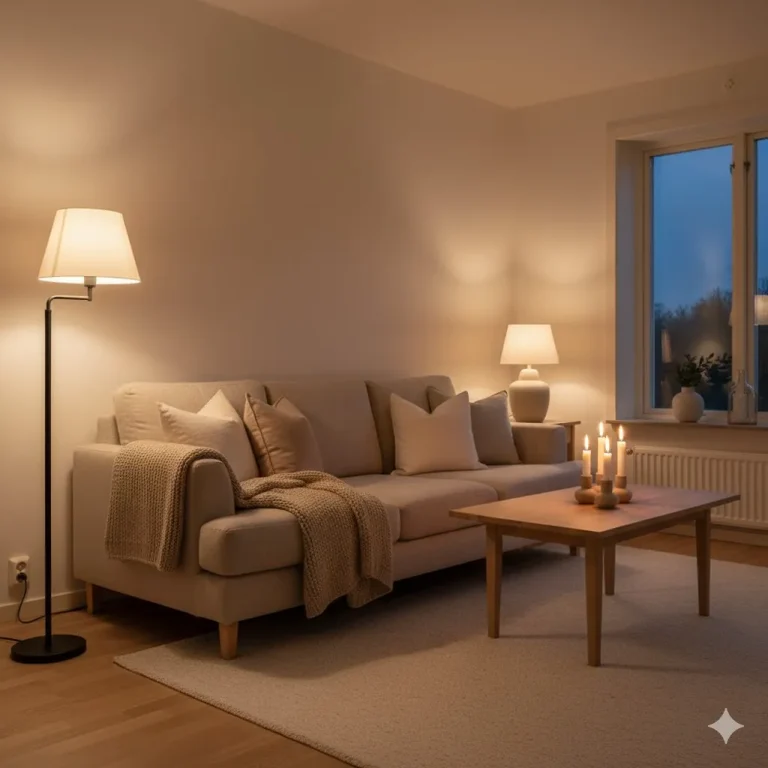

15 Living Room Color Ideas That Set the Right Mood

The living room is where life happens. It’s where you relax after a long day, welcome guests, watch movies, and share laughs. Because of this, the color of your living room matters more than you may think. The right color can make the room feel warm, calm, lively, or cozy. The wrong one can make it feel dull or uncomfortable. Let’s explore living room color ideas that help set the perfect mood for your home.
Check Also : 15 Kitchen Layout Planning Guide for a More Functional Home
The Living Room as the Heart of the Home
Your living room is like the heartbeat of your house. It’s often the first room people see and the most used space. The color you choose sets the tone for the whole home. A welcoming color makes guests feel comfortable and makes you feel proud of your space. Think of it like a first impression—it should feel friendly and inviting, not cold or confusing.
How Colors Influence Mood and Energy
Colors have a strong effect on how we feel. Light colors feel open and calm. Warm colors feel cozy and energetic. Dark colors feel deep and dramatic. Choosing the right color is like choosing the right background music—it quietly shapes the mood without saying a word.
How to Choose the Right Living Room Color
Understanding Natural and Artificial Light
Light changes everything. A color can look soft in daylight and dark at night. Rooms with big windows can handle deeper colors. Rooms with less light need brighter shades. Always test paint colors on your wall and watch how they change during the day.
Matching Colors With Furniture
Your walls should work with your furniture, not fight it. Neutral walls allow bold furniture to shine. Colorful walls look best with simple furniture. Balance is the key, like mixing flavors in a good meal.
Warm Colors vs Cool Colors
Warm colors like beige and terracotta feel cozy and welcoming. Cool colors like blue and gray feel calm and fresh. Mixing both can create a balanced and comfortable space.
15 Living Room Color Ideas That Set the Right Mood
Soft White
Soft white makes the living room feel clean and open. It reflects light well and makes small spaces feel bigger. It’s a great choice if you love a fresh and simple look.
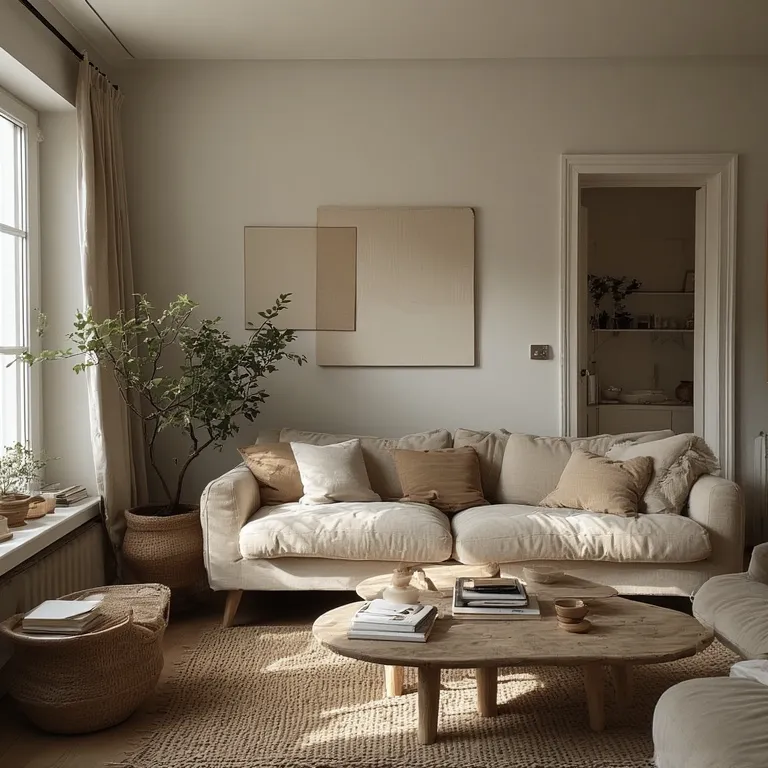
Warm Beige
Warm beige adds comfort without feeling boring. It’s perfect for family living rooms because it feels cozy and timeless. Beige works well with wood and soft fabrics.
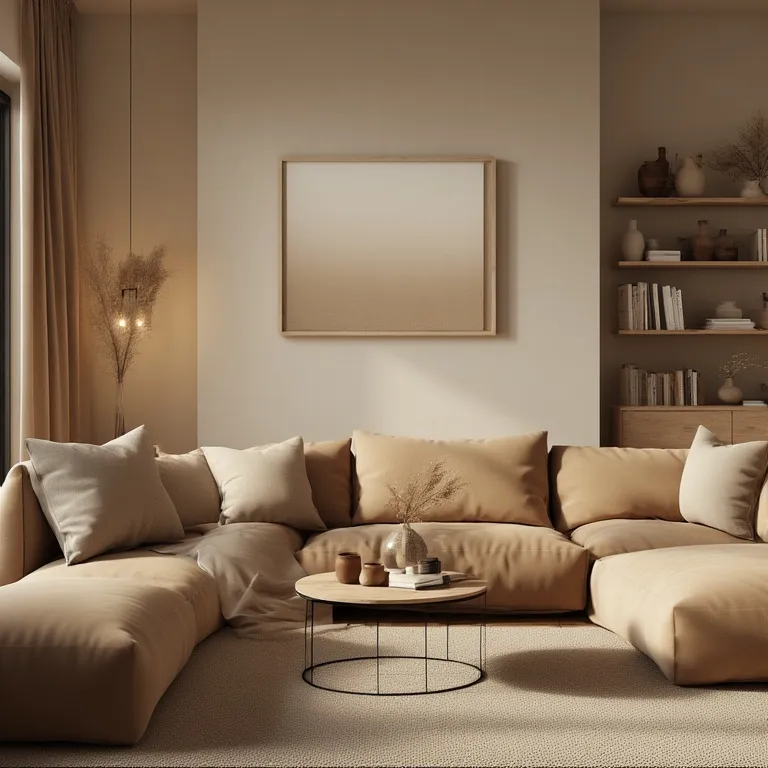
Light Gray
Light gray feels modern and calm. It’s a great background color that allows furniture and decor to stand out. It’s simple, stylish, and easy to live with.
Greige
Greige mixes gray and beige for a balanced look. It feels warm and modern at the same time. This color is perfect if you want something safe but stylish.
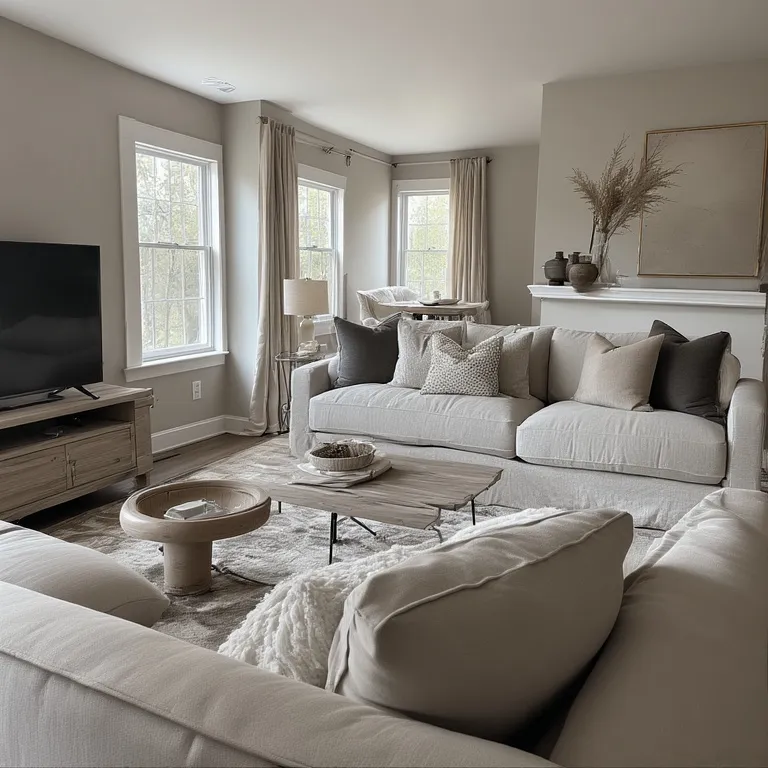
Sage Green
Sage green brings a soft nature feel indoors. It’s calming and peaceful, making it great for relaxing living rooms. It pairs well with white and wooden furniture.
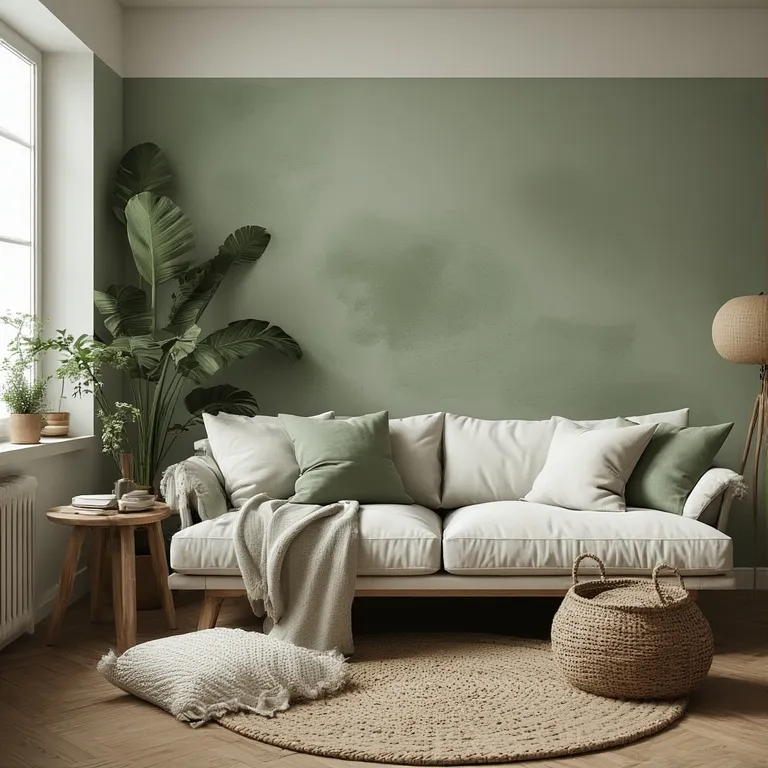
Olive Green
Olive green feels rich and grounded. It adds character without being too bold. This color creates a warm and earthy mood.
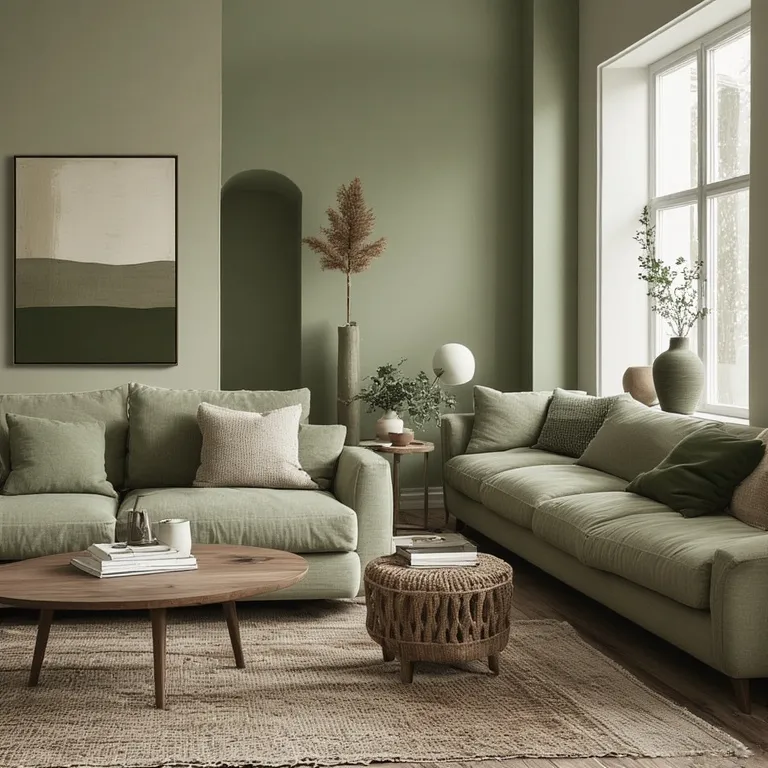
Sky Blue
Sky blue feels light and airy. It makes the living room feel fresh and open, like a clear day. Great for small or sunny rooms.
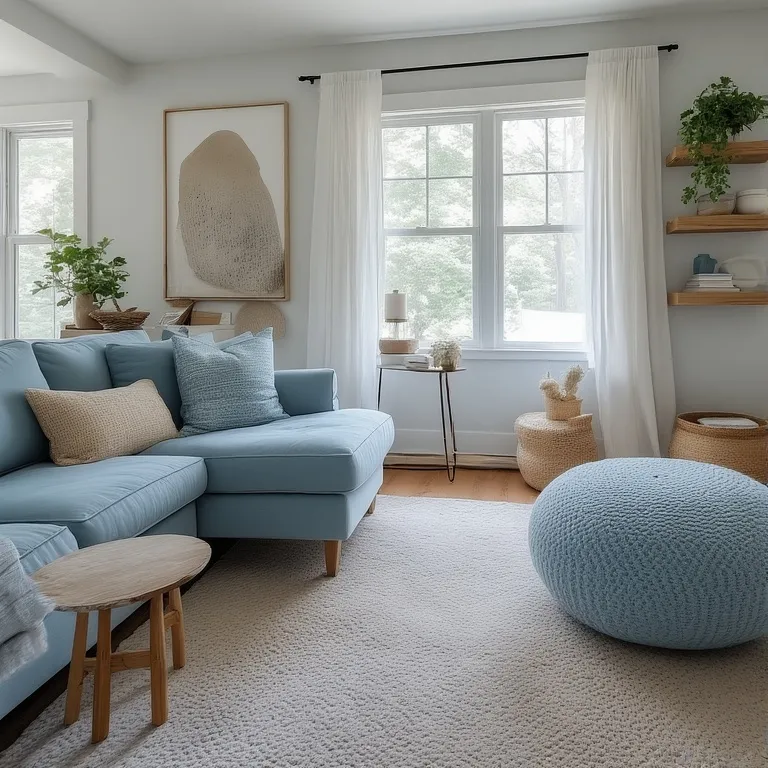
Navy Blue
Navy blue adds depth and style. It feels strong and elegant. Use it with light furniture or as an accent wall for balance.
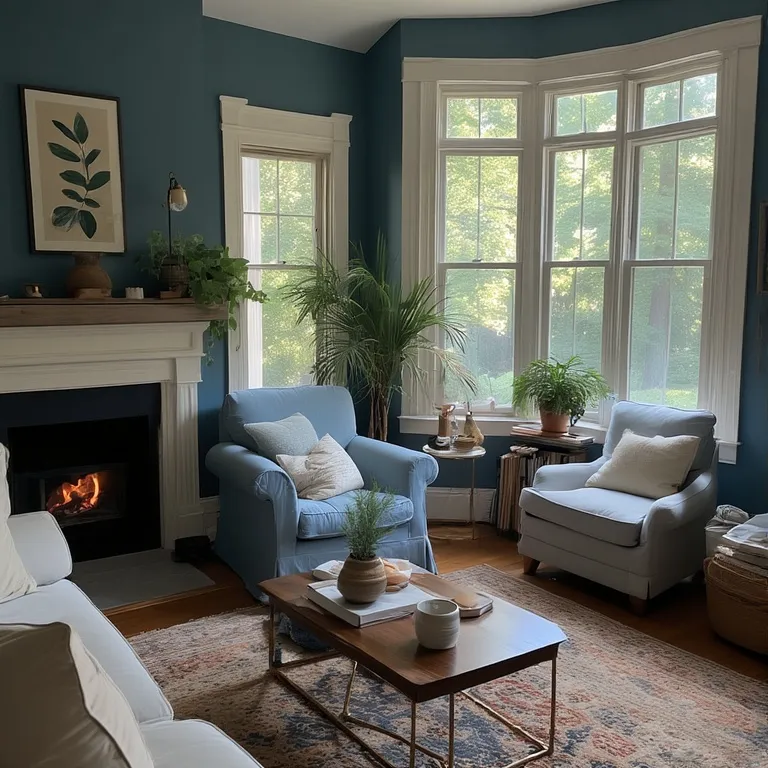
Blush Pink
Blush pink adds softness and warmth. It’s gentle and welcoming, not too bright. Perfect for creating a cozy and modern living room.
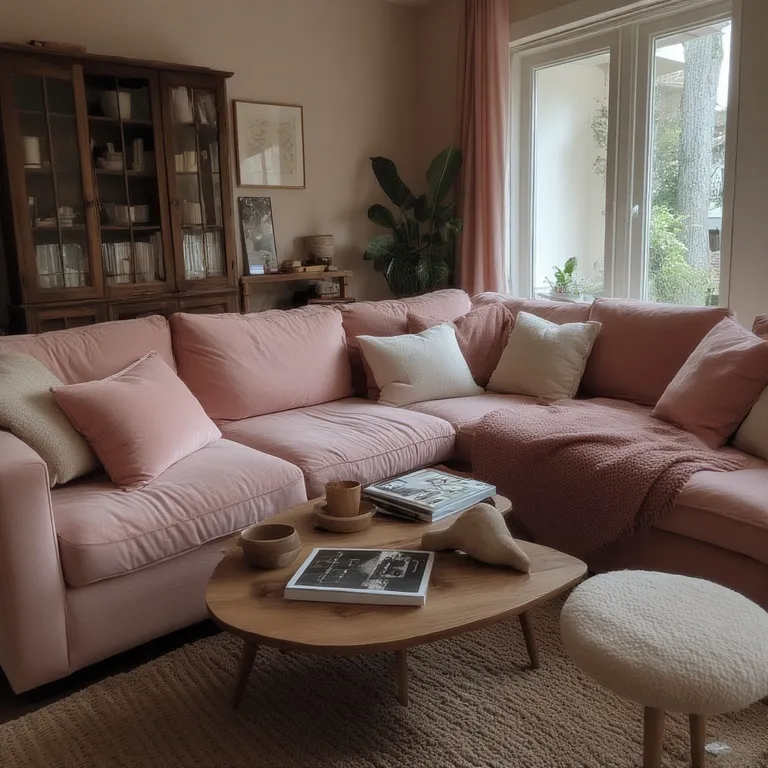
Terracotta
Terracotta brings warmth and personality. It feels natural and inviting, like a warm sunset. This color works beautifully with plants and natural textures.
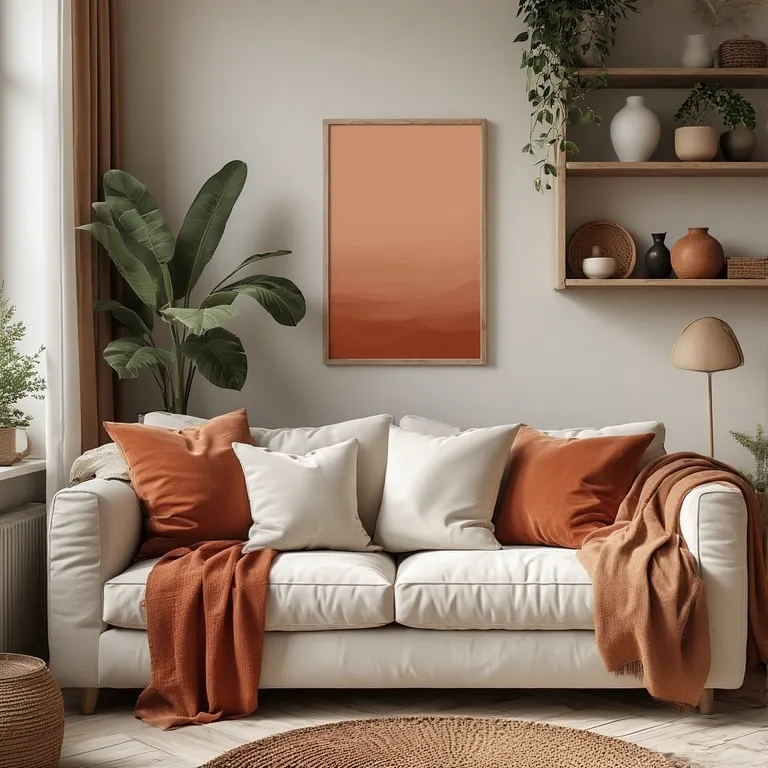
Mustard Yellow
Mustard yellow adds energy and happiness. It’s bold but warm. Use it carefully to brighten the space without overpowering it.
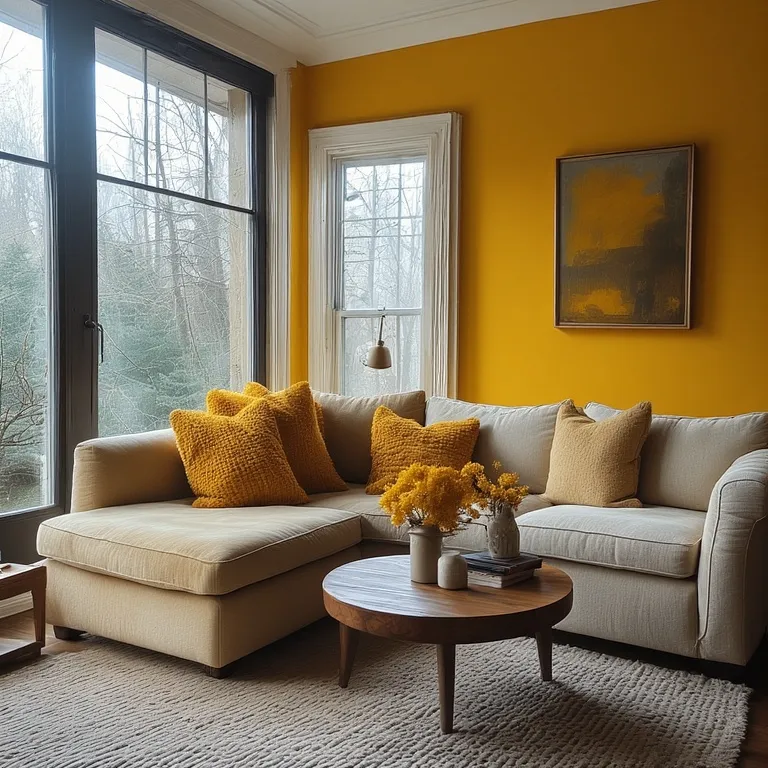
Charcoal Gray
Charcoal gray feels bold and modern. It adds drama and depth. Balance it with light furniture and good lighting.
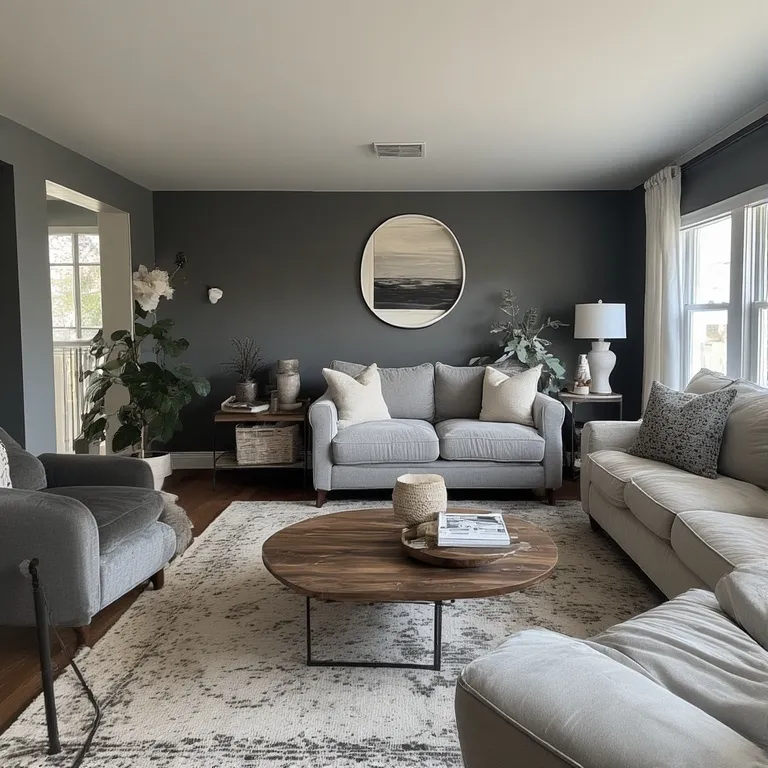
Creamy Off-White
Creamy off-white is softer than pure white. It feels warm and welcoming. This color never goes out of style.
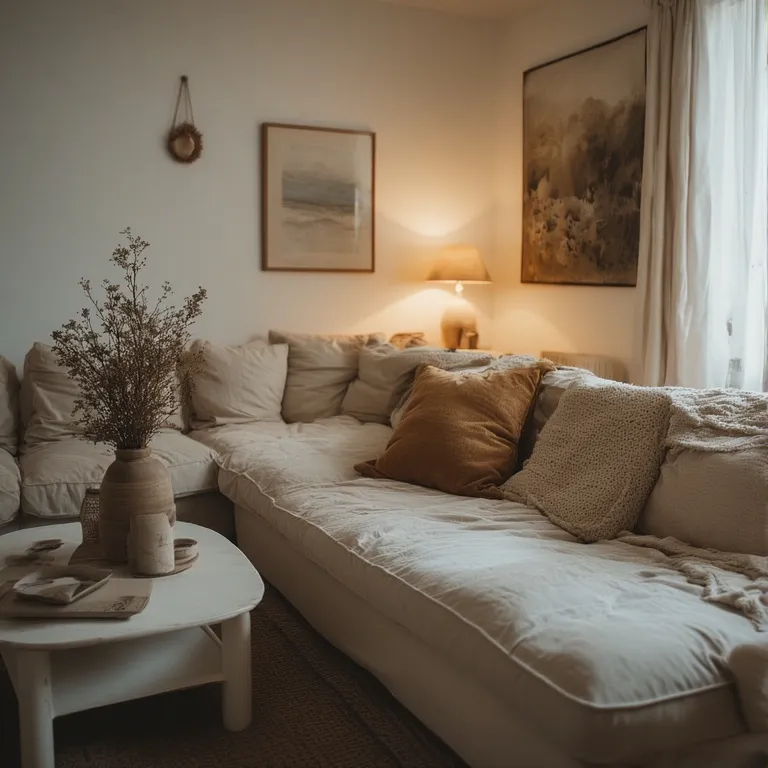
Soft Taupe
Soft taupe is calm and elegant. It’s perfect if you want a neutral color with a little depth.
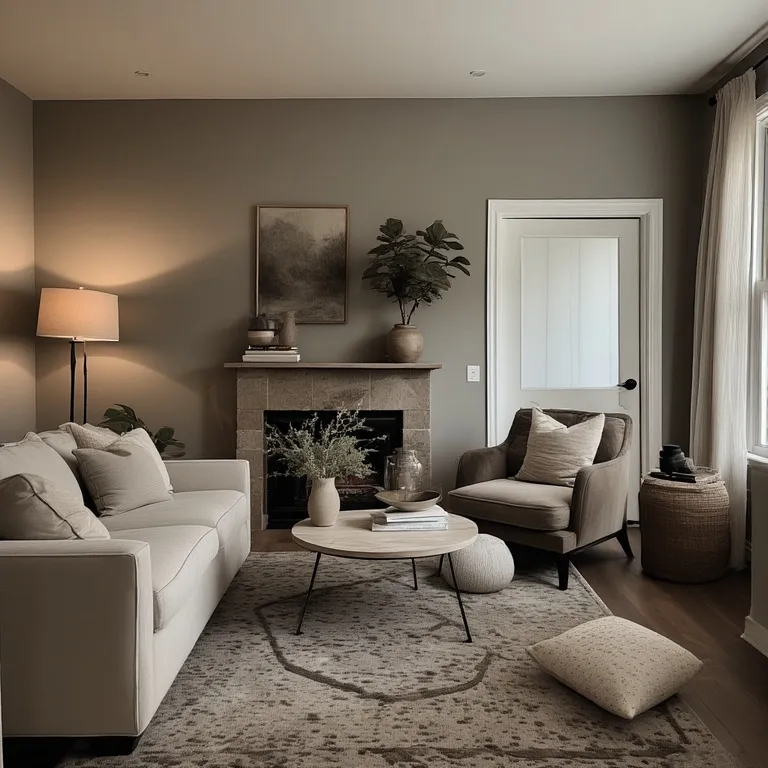
Matte Black (Accent Use)
Matte black works best as an accent. It adds contrast and a modern touch when used in small areas.
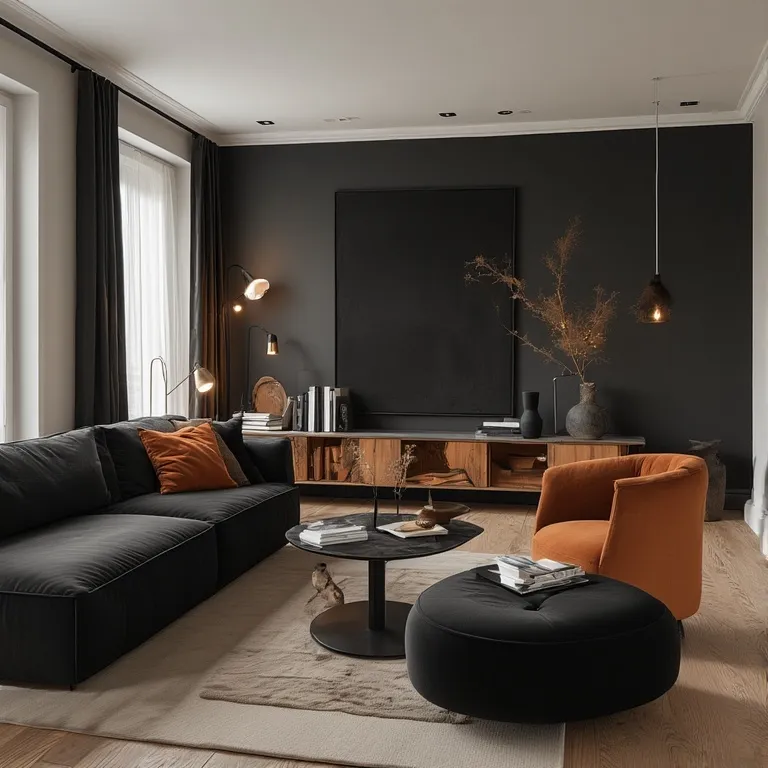
Popular Color Combinations for Living Rooms
Neutral and Bold Mix
Mixing neutral walls with bold accents creates balance. It keeps the room calm but interesting.
Two-Tone Living Rooms
Two-tone walls add style and depth. Light on top and dark on the bottom creates a balanced look.
Accent Walls and Color Blocking
Accent walls are a great way to try bold colors without full commitment. They add focus and style.
Common Living Room Color Mistakes
Using Too Many Colors
Too many colors can feel messy. Stick to two or three main shades for a clean look.
Ignoring Lighting Effects
Lighting changes color. Always test paint in your own space before deciding.
Conclusion
Choosing the right living room color can completely change how your space feels. Whether you want calm, cozy, or lively, there’s a color that fits your mood. Keep it simple, balanced, and personal. When the color feels right, your living room becomes a place you truly enjoy spending time in.
FAQs
1. What is the best living room color for relaxation?
Soft neutrals like beige, sage green, and light gray are great choices.
2. Can dark colors work in a living room?
Yes, with good lighting and light furniture for balance.
3. What color makes a small living room look bigger?
Light colors like white, cream, and sky blue help open up space.
4. Is it okay to mix warm and cool colors?
Yes, mixing them creates balance and visual interest.
5. How often should I repaint my living room?
Every 5–7 years or when you want a fresh look.
Please don’t forget to leave a review.
Or write “Continue” to continue writing the article here.