

15 Aesthetic Sustainable Kitchen Design Trends for Eco Conscious Homes

Aesthetic Sustainable Kitchen is one of the most used spaces in any home. It is where we cook, eat, talk, and spend time with family. Because we use the kitchen every day, the design choices we make here matter a lot. A sustainable kitchen helps us save energy, reduce waste, and live a healthier life without giving up beauty or comfort.
Today, many homeowners want kitchens that look modern but also respect nature. Sustainable design is not just a trend. It is a smart way to care for our homes and the planet. When we choose eco-friendly materials and simple designs, the kitchen feels calm, fresh, and welcoming. A sustainable kitchen proves that style and care for nature can work together in perfect balance.
Check Also : 15 Living Room Color Ideas That Set the Right Mood
What Makes a Kitchen Truly Sustainable
A sustainable kitchen is built with smart planning and thoughtful choices. It focuses on materials that last long, save energy, and do not harm the environment. This means choosing natural or recycled materials and avoiding items that create too much waste.
Sustainability also means thinking long-term. A kitchen that lasts many years is better than one that needs frequent changes. When design and function work together, the kitchen stays useful and beautiful. A truly sustainable kitchen saves money over time and supports a simple and mindful lifestyle.
1. Natural Wood Cabinets
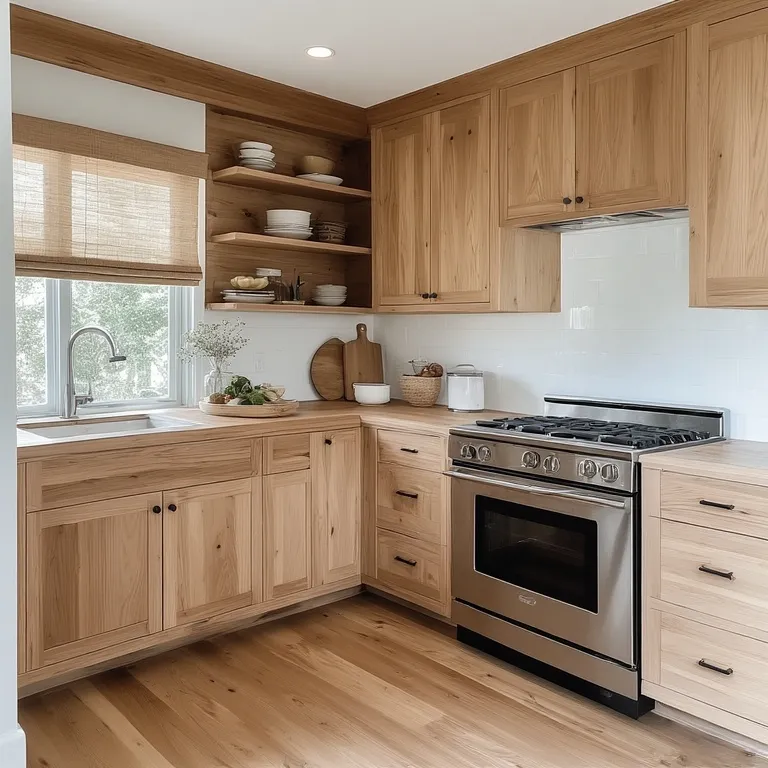
Natural wood cabinets bring warmth and comfort into the kitchen. Wood has a timeless look that never feels old. When sourced responsibly, wood is one of the best eco-friendly materials for kitchen design.
Wood cabinets create a cozy and natural feel. Light wood tones make the kitchen bright, while darker shades add depth. Natural wood also pairs well with many styles, from modern to classic. Because wood ages well, it reduces the need for future replacements, making it a sustainable and stylish choice.
2. Recycled and Reclaimed Materials
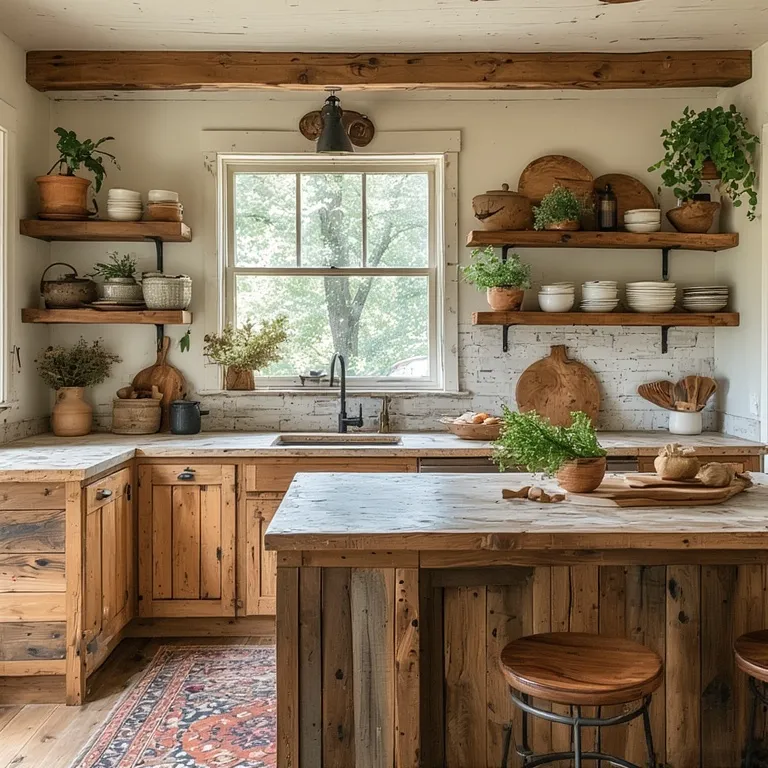
Using recycled and reclaimed materials is one of the best ways to reduce waste. Old wood, metal, or stone can be reused in new and creative ways. These materials add character and a unique story to the kitchen.
Reclaimed wood works well for shelves, cabinets, or kitchen islands. Recycled metal can be used for handles or light fixtures. These materials not only help the planet but also give the kitchen a one-of-a-kind look that feels warm and personal.
3. Energy-Efficient Appliances
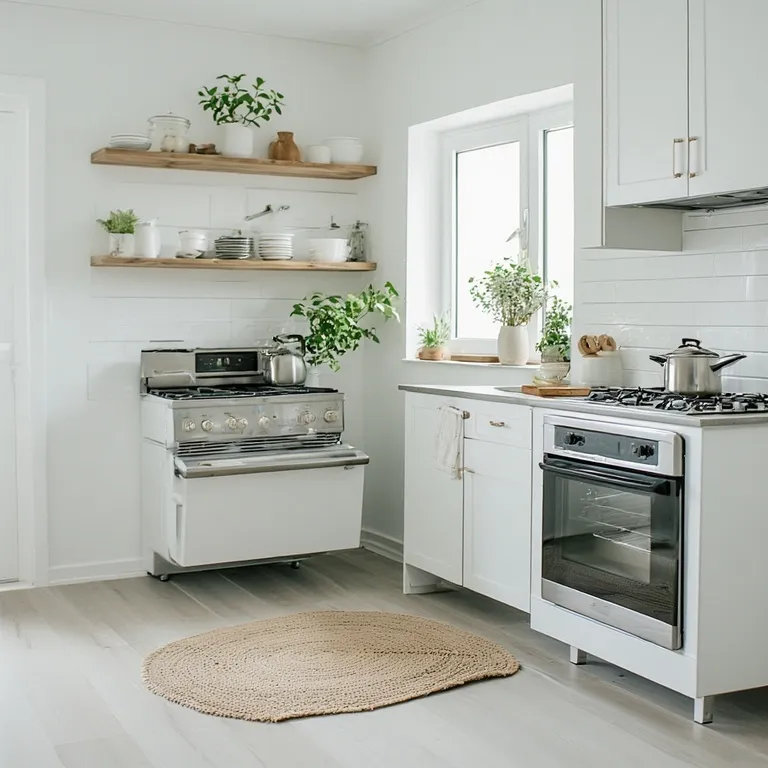
Modern energy-efficient appliances use less electricity and water. They help lower energy bills and reduce harm to the environment. Today, many eco-friendly appliances also look sleek and modern.
Choosing the right appliance size is important. Bigger is not always better. Appliances that fit your needs save more energy. Energy-efficient appliances make daily cooking easier while supporting a greener home.
4. Minimalist Kitchen Layouts
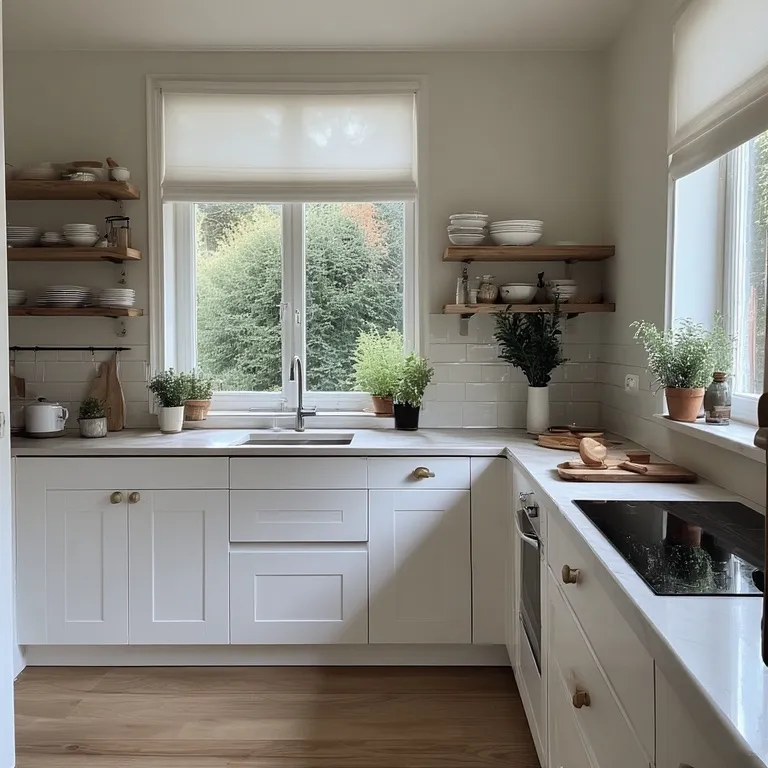
Minimalist kitchens focus on simplicity and function. Fewer items mean less waste and easier cleaning. Clean lines and open spaces make the kitchen feel calm and organized.
A minimalist layout avoids extra cabinets and decor. Everything has a purpose. This style reduces the need for constant updates. Simple kitchens stay stylish for years, making them both eco-friendly and beautiful.
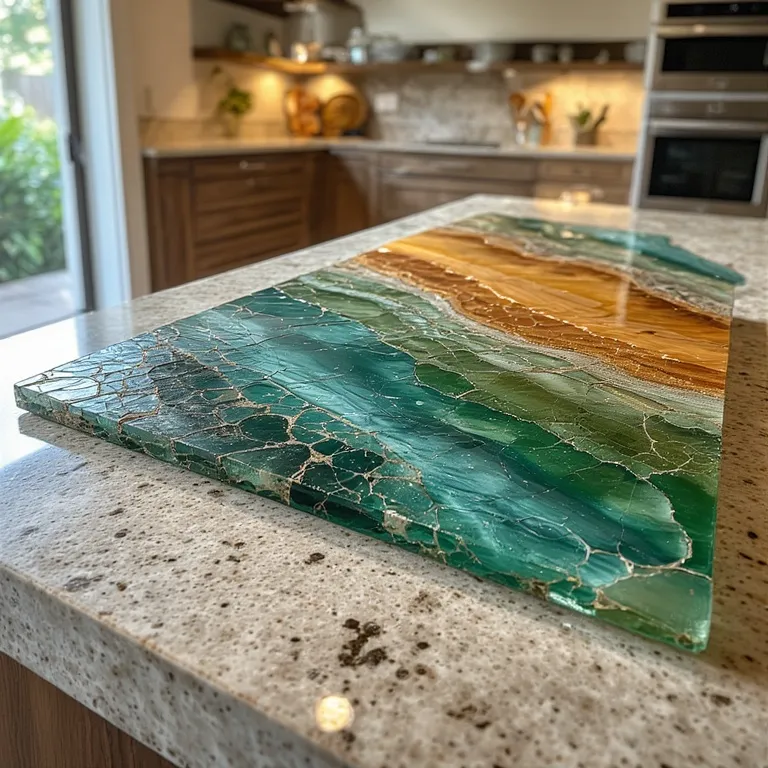
5. Sustainable Countertop Materials
Eco-friendly countertops are made from materials like recycled glass, bamboo, or natural stone. These materials are strong and long-lasting. They also add beauty without harming nature.
Sustainable countertops come in many colors and styles. They are easy to clean and resist damage. Choosing durable surfaces means fewer replacements, which saves money and reduces waste over time.
6. Open Shelving with Purpose
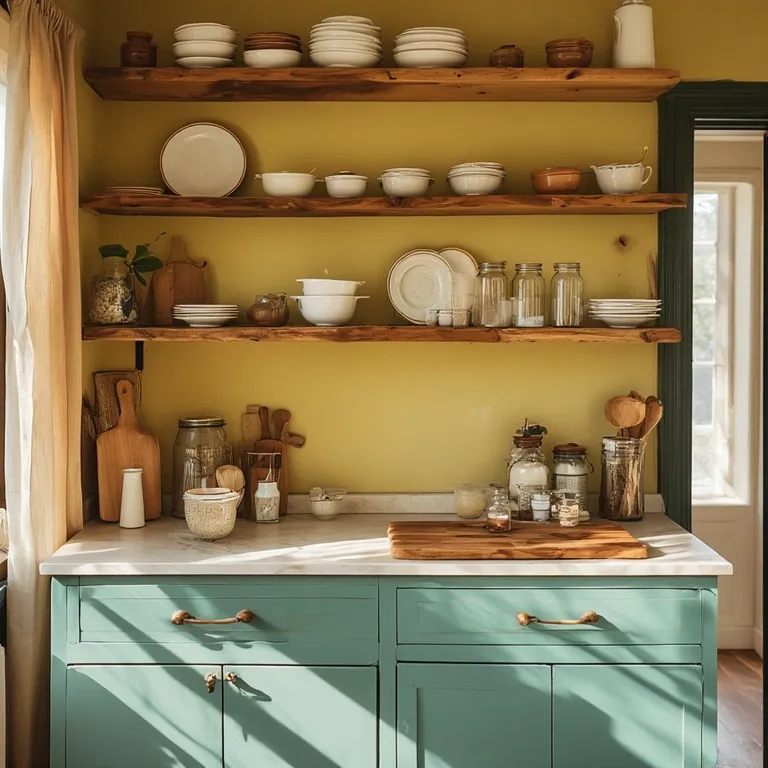
Open shelves reduce the need for heavy cabinets and use fewer materials. They make the kitchen feel open and light. Open shelving also encourages us to keep only what we truly need.
Styling shelves with everyday items like plates and jars adds charm. When shelves are neat and simple, they look modern and clean. Open shelving supports a mindful lifestyle and reduces clutter.
7. Low-VOC Paints and Finishes
Low-VOC paints improve air quality inside the kitchen. They release fewer harmful gases and create a healthier space. This is especially important in kitchens where we prepare food.
These paints come in soft and natural colors that feel calm. Light shades reflect natural light and make the kitchen brighter. Using safe finishes supports health and comfort while keeping the kitchen stylish.
8. Indoor Plants and Herb Gardens
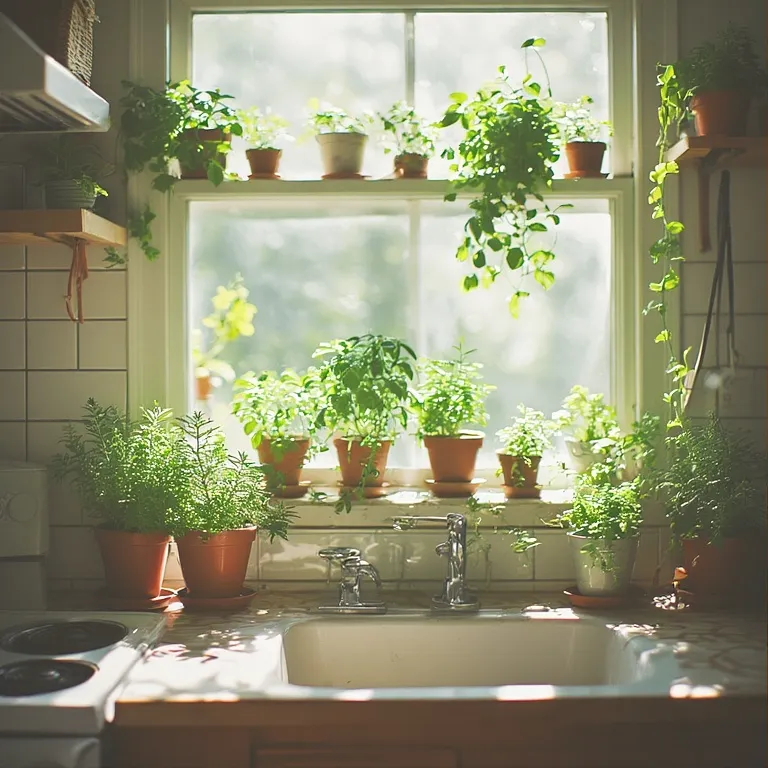
Plants bring life and freshness into the kitchen. An indoor herb garden provides fresh herbs and reduces the need for packaged food. Plants also improve air quality.
Small pots on windowsills or shelves work well. Herbs like basil, mint, and rosemary are easy to grow. Plants add color and warmth, making the kitchen feel alive and welcoming.
9. Water-Saving Fixtures
Water-saving faucets reduce water use without lowering performance. These fixtures help save a valuable natural resource and lower water bills.
Modern water-saving faucets come in many designs. They fit both modern and classic kitchens. Small changes like this make a big difference over time and support an eco-conscious lifestyle.
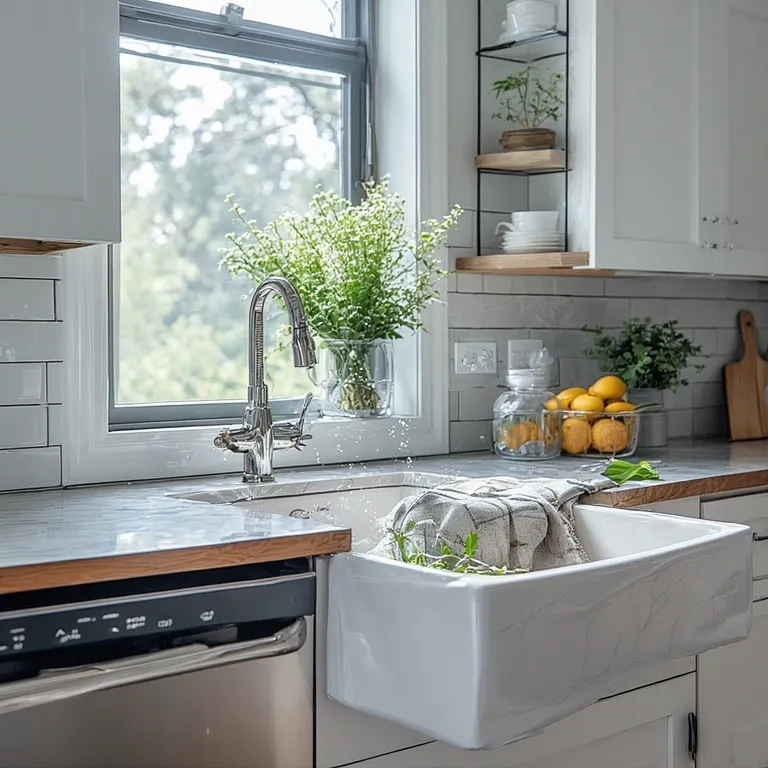
10. Natural Light-Focused Design
Natural light reduces the need for artificial lighting. Large windows and open layouts allow sunlight to fill the kitchen. Bright kitchens feel happy and fresh.
Using light colors helps reflect sunlight. Natural light also improves mood and makes the space feel larger. A bright kitchen uses less energy and feels more inviting.
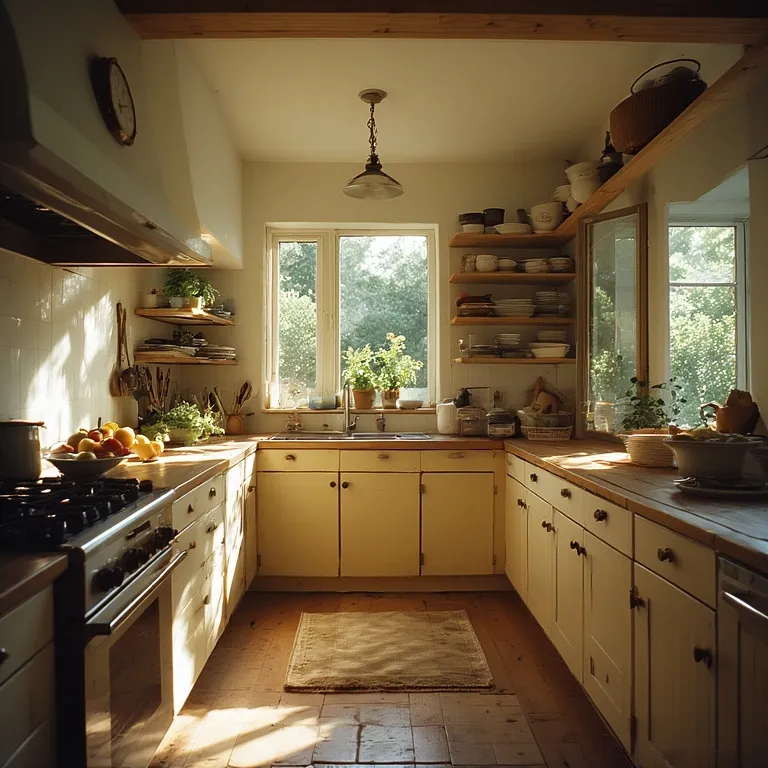
11. Sustainable Flooring Options
Eco-friendly flooring options include bamboo, cork, and reclaimed wood. These materials are strong and comfortable underfoot. They also grow or renew faster than traditional wood.
Sustainable floors add warmth and texture. They are easy to maintain and last for years. Choosing the right flooring supports both beauty and responsibility.
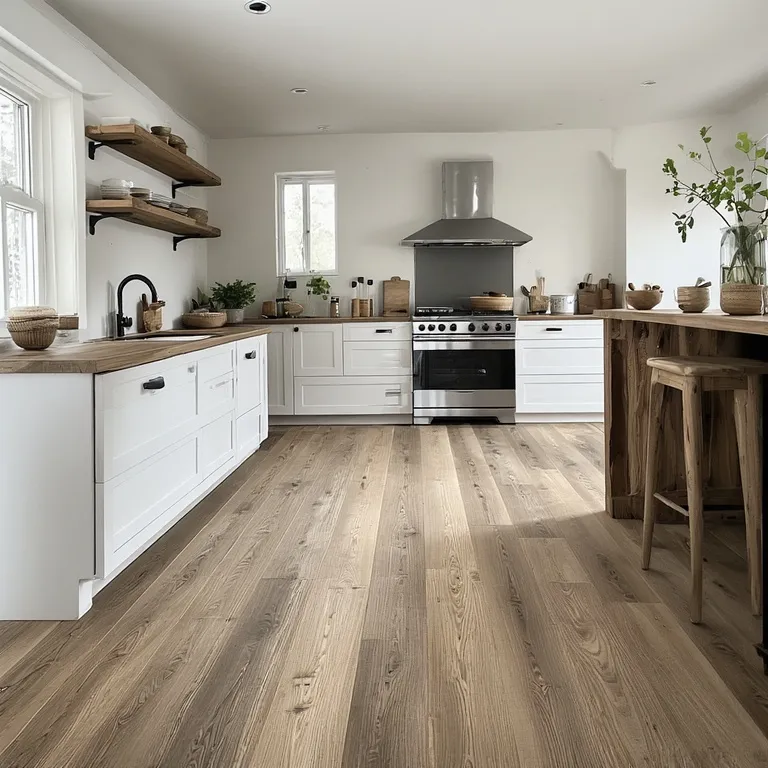
12. Neutral and Earthy Color Palettes
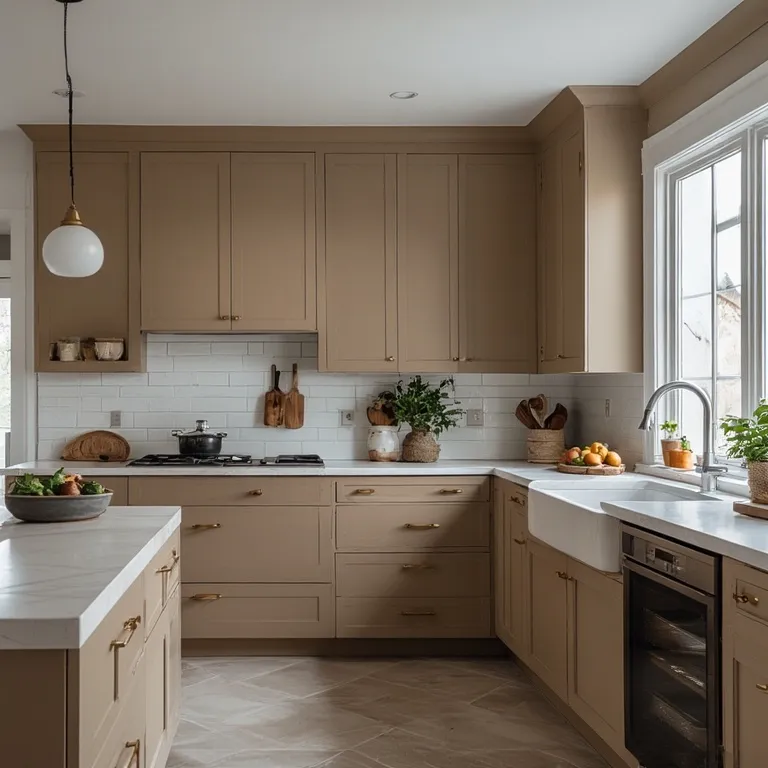
Earthy colors like beige, soft green, and warm gray create a calm kitchen space. These colors connect the kitchen to nature and feel relaxing.
Neutral colors do not go out of style quickly. They make the kitchen easy to update with small decor changes. Calm colors support a peaceful and sustainable home environment.
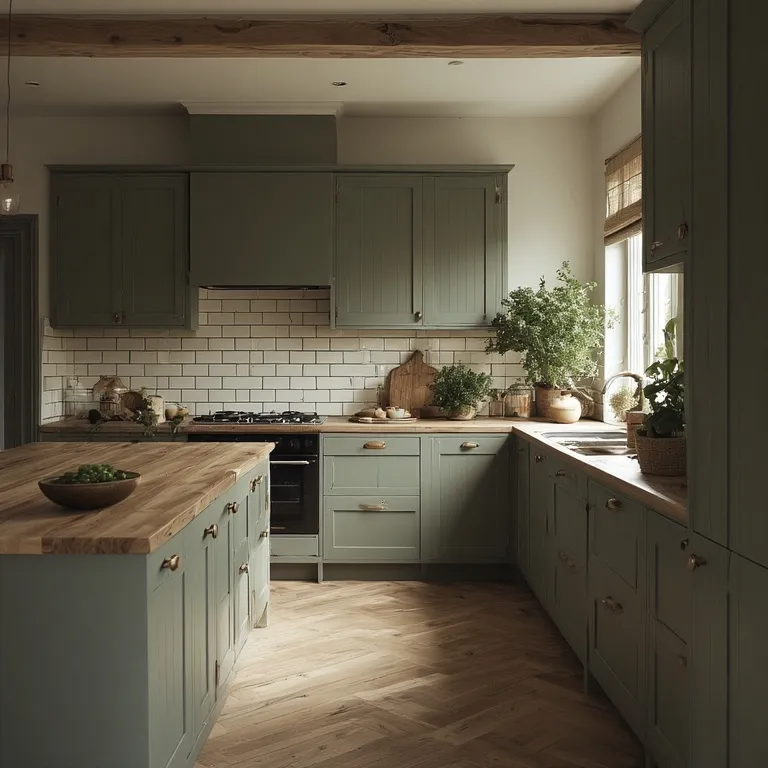
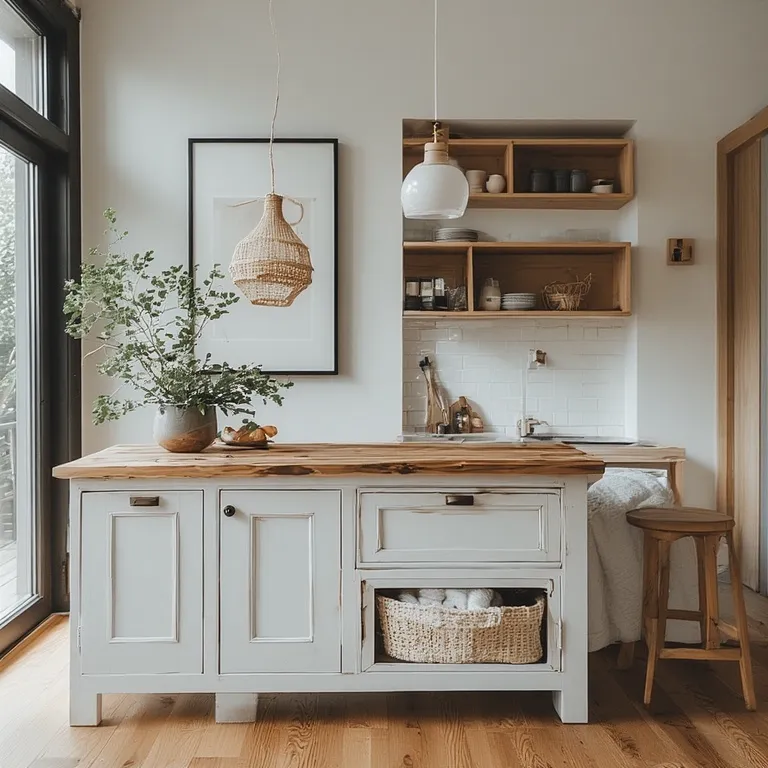
13. Multi-Use Kitchen Furniture
Multi-use furniture reduces the need for extra items. Kitchen islands with storage or seating save space and materials.
Furniture that serves more than one purpose keeps the kitchen organized. This approach supports minimal living and reduces waste while adding function and style.
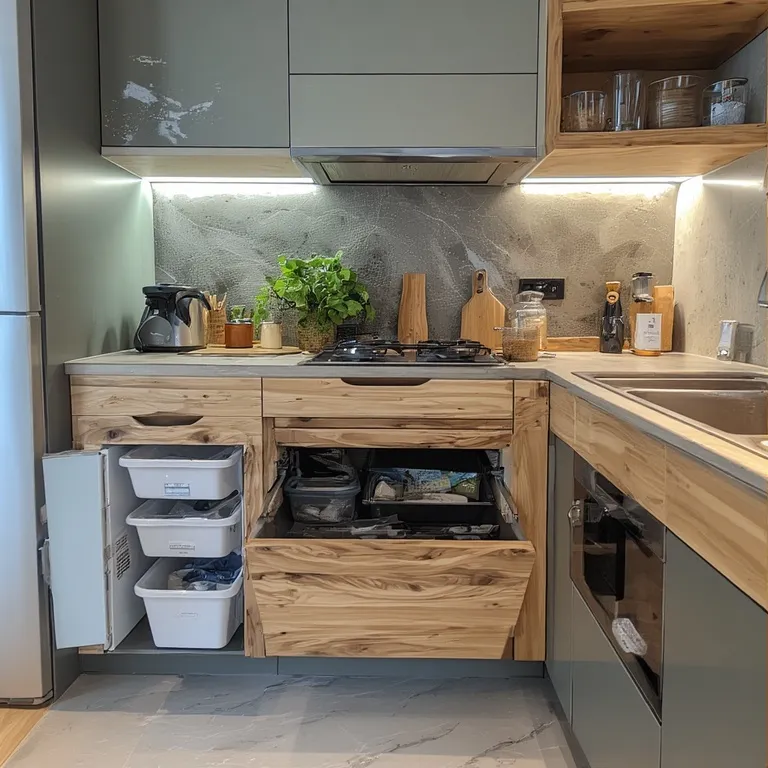
14. Waste Sorting and Recycling Stations
Built-in recycling stations make waste sorting easy. They help keep the kitchen clean and encourage eco-friendly habits.
Hidden bins maintain a neat look. When recycling is easy, everyone uses it more. This small design feature supports daily sustainability without effort.
15. Timeless Design Over Fast Trends
Timeless kitchens avoid fast trends that fade quickly. Simple designs last longer and need fewer updates.
Choosing classic materials and layouts keeps the kitchen beautiful for years. Timeless design reduces waste and saves money. A kitchen that stays useful is the most sustainable choice of all.
Conclusion
A sustainable kitchen is about smart choices, not sacrifice. With thoughtful design, we can create a kitchen that looks beautiful, feels comfortable, and respects nature. These aesthetic sustainable kitchen design trends prove that eco-conscious homes can be stylish, practical, and timeless. When we design with care, our kitchens become spaces that support both our lifestyle and the planet.
FAQs
1. Is a sustainable kitchen more expensive?
No, sustainable kitchens often save money over time through energy and water savings.
2. Can small kitchens be eco-friendly?
Yes, small kitchens are easier to design sustainably with fewer materials and energy use.
3. Are recycled materials safe for kitchens?
Yes, recycled materials used for kitchens are safe and durable.
4. Do sustainable kitchens need special care?
No, most eco-friendly materials are easy to clean and maintain.
5. Can I make my current kitchen more sustainable?
Yes, small changes like lighting, fixtures, and materials can make a big difference.


