
15 Ergonomic Kitchen Design Tips for a Comfortable and Efficient Space

Ergonomic Kitchen Design is the heart of your home, a place where you cook, eat, and often gather with family. But if it’s poorly designed, it can quickly become uncomfortable or even painful to use. An ergonomic kitchen makes daily tasks easier by matching your movements and height. It reduces strain, saves time, and keeps you comfortable while cooking. Whether you’re remodeling or just updating a few things, focusing on ergonomics will help you create a kitchen that feels natural, efficient, and enjoyable to use.
What Is an Ergonomic Kitchen?
An ergonomic kitchen is designed around how your body moves and works. Everything—from counter height to cabinet placement—is arranged for ease and comfort. You shouldn’t need to stretch, bend too much, or reach awkwardly while cooking or cleaning. The goal is simple: to make every task, big or small, more efficient and less tiring.
Benefits of an Ergonomic Kitchen Layout
When your kitchen is ergonomically designed, you feel less physical strain, move more efficiently, and can cook longer without fatigue. You’ll also reduce the risk of injuries caused by repetitive motions or awkward reaches. Plus, it helps you maintain better posture and boosts your productivity in the kitchen.
Check Also : “15 Budget Friendly Kitchen Design Ideas That Still Look Amazing”
Plan a Functional Kitchen Layout
Your kitchen layout forms the foundation of comfort and efficiency. The most effective kitchens are built around the “work triangle,” connecting the sink, stove, and refrigerator—the three main areas you use most.
Understanding the Kitchen Work Triangle
The work triangle minimizes unnecessary movement by keeping your main zones close but not cramped. Ideally, each side of the triangle should be between 4 and 9 feet, allowing you to move freely without taking extra steps.
How to Balance Movement and Efficiency
Plan enough counter space between these zones to place items easily. Keep utensils and appliances near where they’re most often used—for instance, store cooking tools near the stove and dishware close to the sink or dishwasher.
Adjust Counter Heights for Comfort
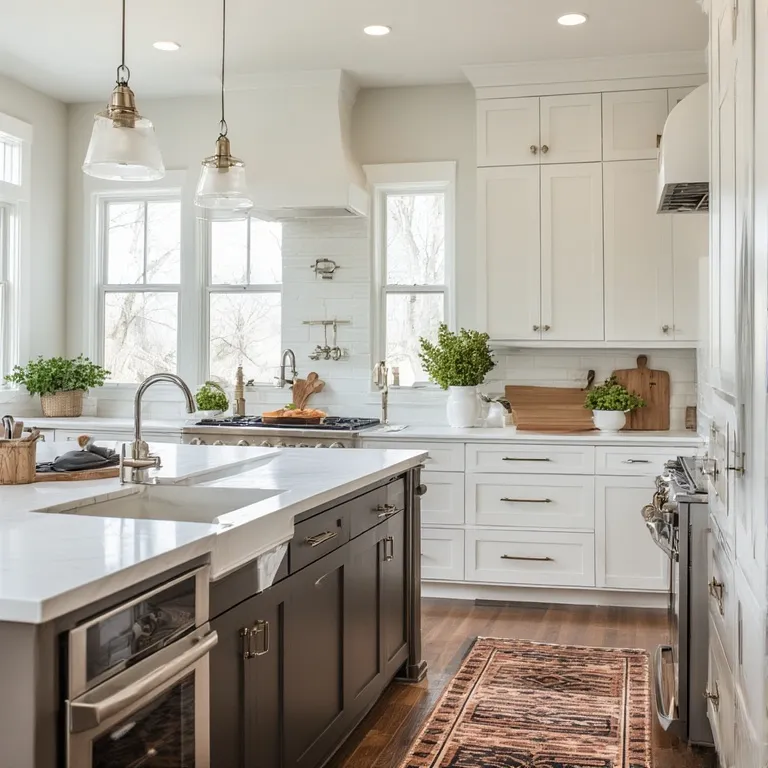
The height of your counters has a huge impact on comfort. If they’re too high, your shoulders will ache; too low, and your back will hurt.
Ideal Counter Heights for Different Tasks
Standard counters are around 36 inches tall, but you can adjust based on your height. Taller people may prefer 38–39 inches, while shorter cooks might be more comfortable at 33–34 inches.
Customizing for Your Height and Cooking Habits
For chopping and food prep, aim for counter height slightly below your elbow level. Baking zones can be a bit lower, making it easier to knead dough or roll pastry comfortably.
Choose the Right Flooring for Comfort
You spend a lot of time standing in the kitchen, so your flooring choice can affect your comfort and health.
Soft, Supportive Flooring Materials
Cork, rubber, or vinyl floors are great because they’re soft underfoot and reduce pressure on your joints. They also provide good grip, which helps prevent slipping.
Reducing Fatigue with the Right Underfoot Feel
If you already have tile or hardwood, add anti-fatigue mats in high-use areas, like in front of the stove or sink. These mats cushion your feet and make standing for long periods much easier.
Keep Frequently Used Items Within Easy Reach
Nothing ruins your cooking flow like constantly stretching or bending to grab something.
Smart Storage for Everyday Tools
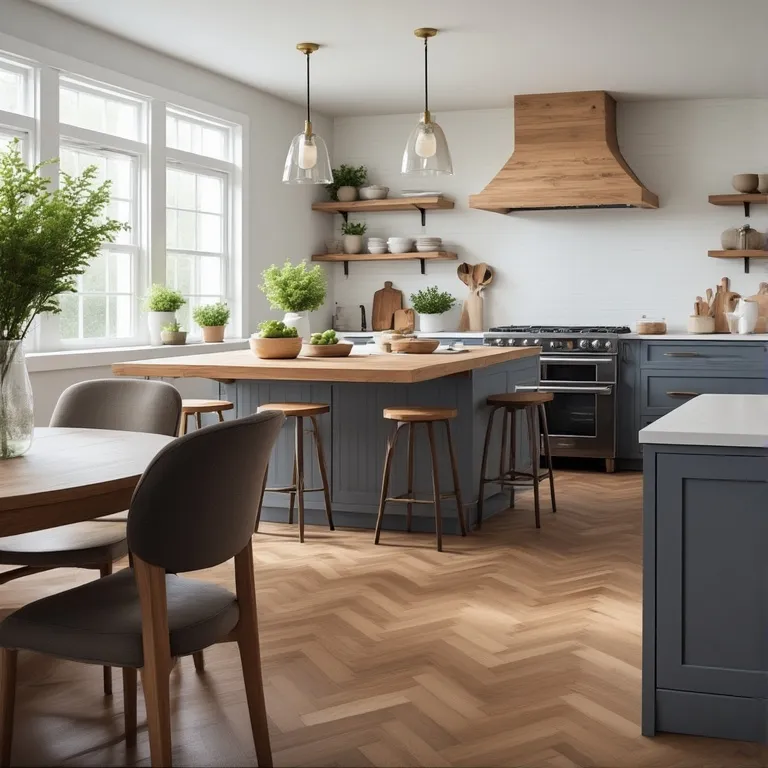
Place your most-used utensils, pans, and ingredients in easy-to-reach drawers or shelves between waist and shoulder height.
Avoiding Strain with Proper Placement
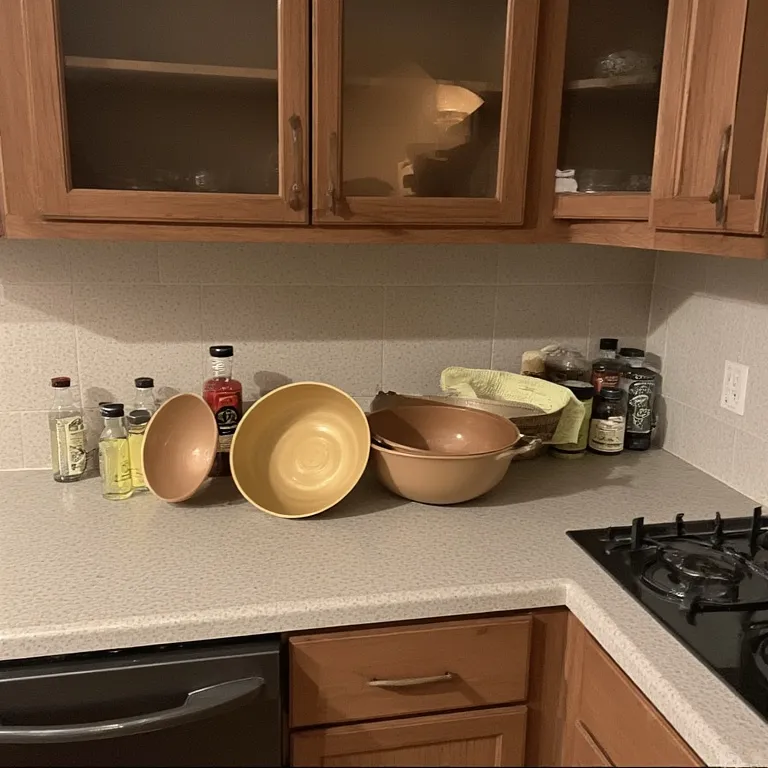
Store heavier items, like mixing bowls and pots, at waist level to avoid lifting them from low or high places. Keep spices and oils near the stove for quick access.
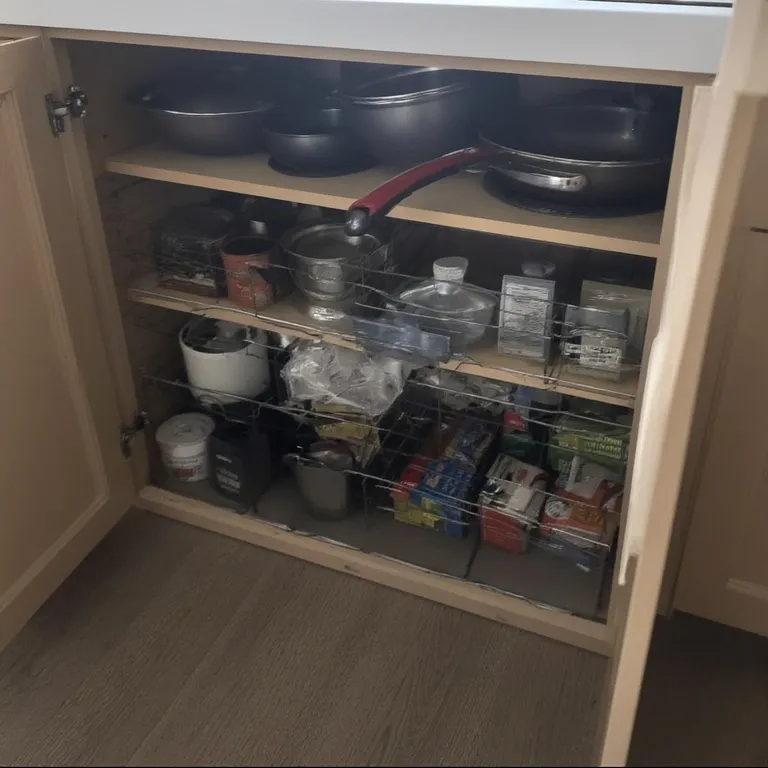
Use Pull-Out Drawers Instead of Deep Cabinets
Pull-out drawers make your kitchen much more user-friendly compared to traditional cabinets.
Why Drawers Are Better for Accessibility
Drawers let you see and reach everything without crouching or removing other items. They’re perfect for pots, pans, and pantry goods.
Organizing for Maximum Efficiency
Install dividers or compartments inside drawers to keep items organized. Soft-close drawers are an added bonus—they prevent slamming and make everyday use smoother.
Install Proper Lighting in Every Zone
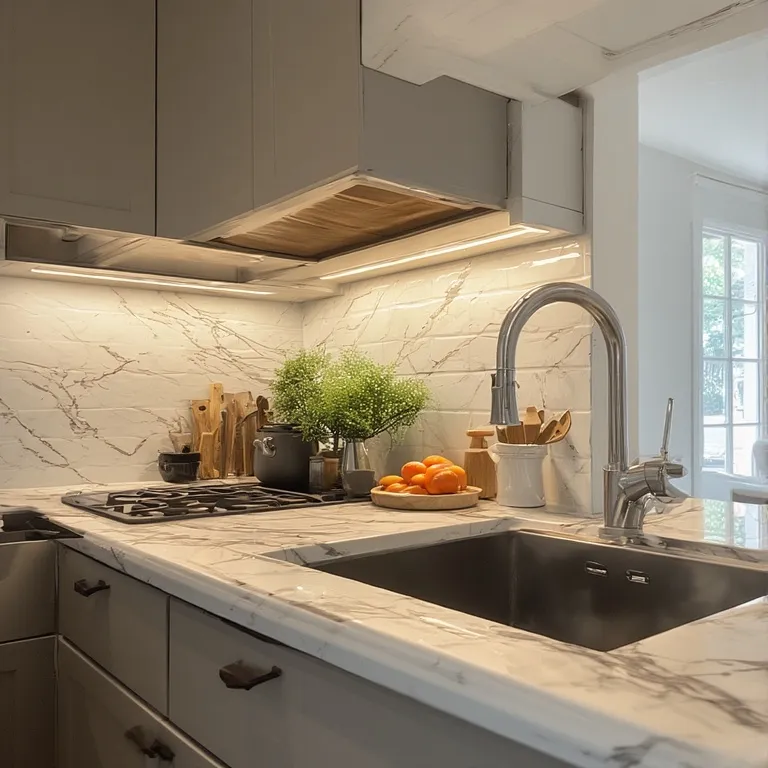
Good lighting is essential in an ergonomic kitchen. It not only helps you see clearly but also reduces eye strain and accidents.
Task, Ambient, and Accent Lighting
Combine three types of lighting: ambient (for overall brightness), task (for focused work areas), and accent (for style). Task lighting under cabinets or above counters is especially useful.
Avoiding Shadows and Eye Strain
Position lights so they don’t cast shadows where you’re chopping or cooking. Warm LED bulbs create a comfortable, inviting glow that’s easy on the eyes.
Optimize Appliance Placement
Appliances should fit naturally into your workflow, not interrupt it.
Keeping Key Appliances at Comfortable Heights
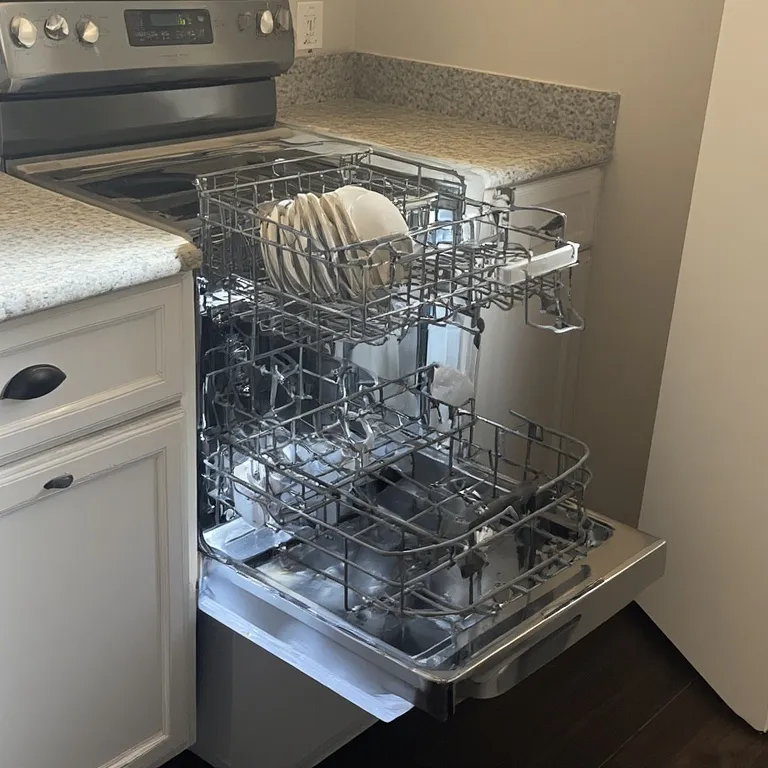
Place ovens and microwaves at chest height to avoid bending or stretching. Dishwashers work best slightly elevated if possible, so you can load and unload with ease.
The Ideal Kitchen Flow for Daily Tasks
Group appliances based on how you use them—for instance, keep the coffee maker near the sink and refrigerator to simplify your morning routine.
Incorporate Rounded Edges and Corners
Sharp edges might look modern but can be uncomfortable or even dangerous in busy kitchens.
Safety Meets Comfort
Rounded edges on countertops and tables prevent painful bumps and are safer for kids.
Softening the Space Without Losing Style
You don’t have to sacrifice design—many countertop materials offer smooth, rounded finishes that still look elegant and polished.
Create Multiple Work Zones
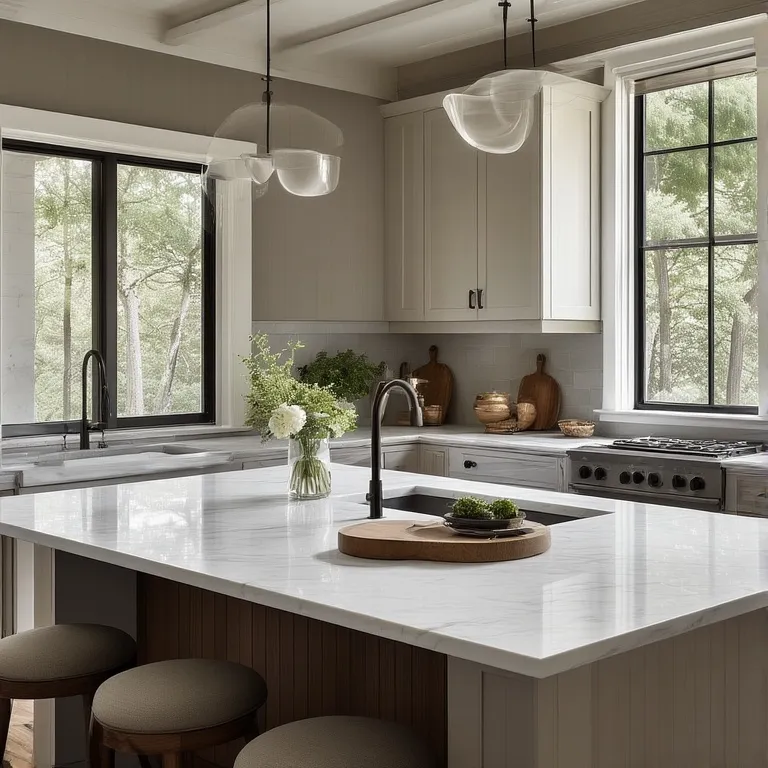
A well-designed kitchen supports multiple people working at once without getting in each other’s way.
Design for Cooking, Prep, and Cleaning
Separate your space into zones: a prep zone near the fridge, a cooking zone around the stove, and a cleaning zone near the sink.
Efficient Flow Between Zones
Keep traffic paths clear and leave at least 4 feet between counters or islands for easy movement.
Add a Pull-Out Trash and Recycling Bin
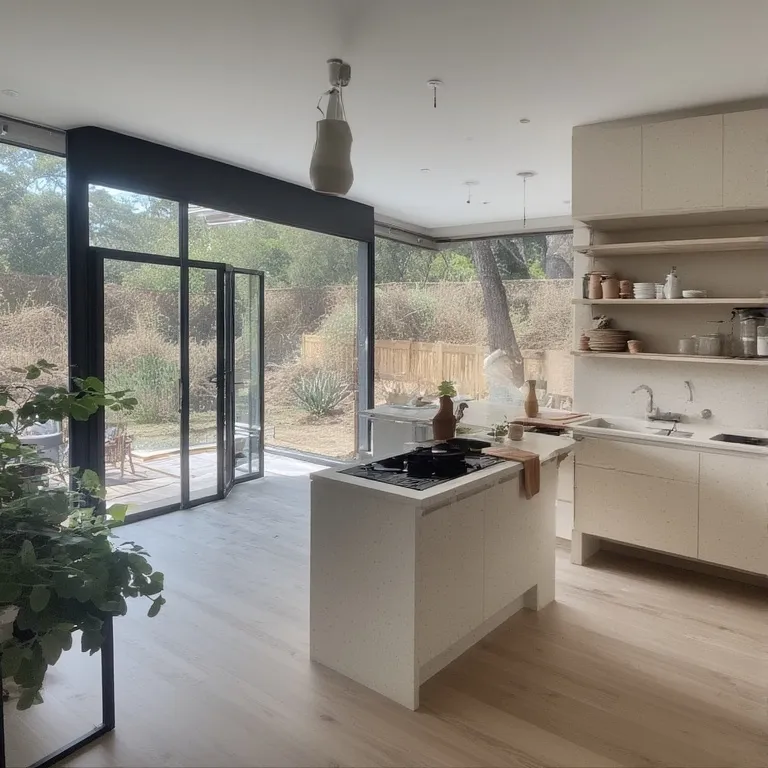
Trash bins are often overlooked but play a big role in maintaining a tidy, efficient kitchen.
Keeping the Kitchen Clean and Clutter-Free
A pull-out bin under the counter hides waste and keeps odors contained. Place it near the prep area for easy disposal while cooking.
Reducing Bending and Stretching Movements
Install it at waist level to minimize the need to bend down frequently, protecting your back and knees.
Choose Comfortable Seating Options
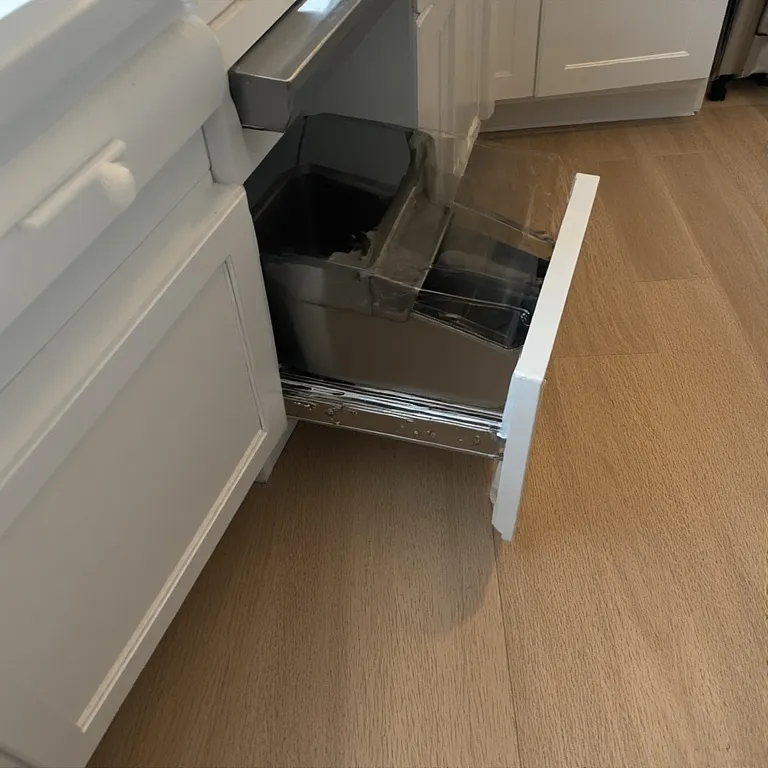
If you have a breakfast bar or island, seating comfort matters just as much as looks.
Ergonomic Chairs and Bar Stools
Choose seats with good back support and footrests. Adjustable-height stools are ideal for different family members.
Blending Comfort with Aesthetic Appeal
Look for soft, cushioned materials that match your kitchen’s design theme, adding both comfort and style.
Use Smart Storage Solutions
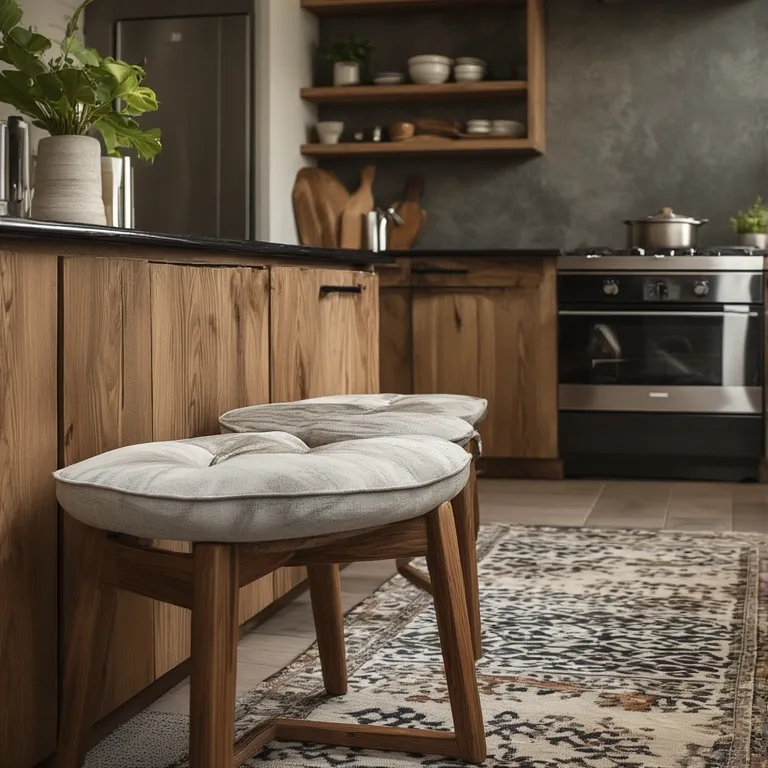
Smart storage makes a big difference in how organized and efficient your kitchen feels.
Vertical Storage and Corner Solutions
Use vertical racks, pull-out shelves, and lazy Susans to maximize every inch of space.
Maximizing Space Without Sacrificing Comfort
Store items logically—baking tools together, cooking tools together—to make grabbing what you need effortless.
Maintain Proper Ventilation
Fresh air is key to keeping your kitchen pleasant and healthy.
Keeping Air Fresh and Comfortable
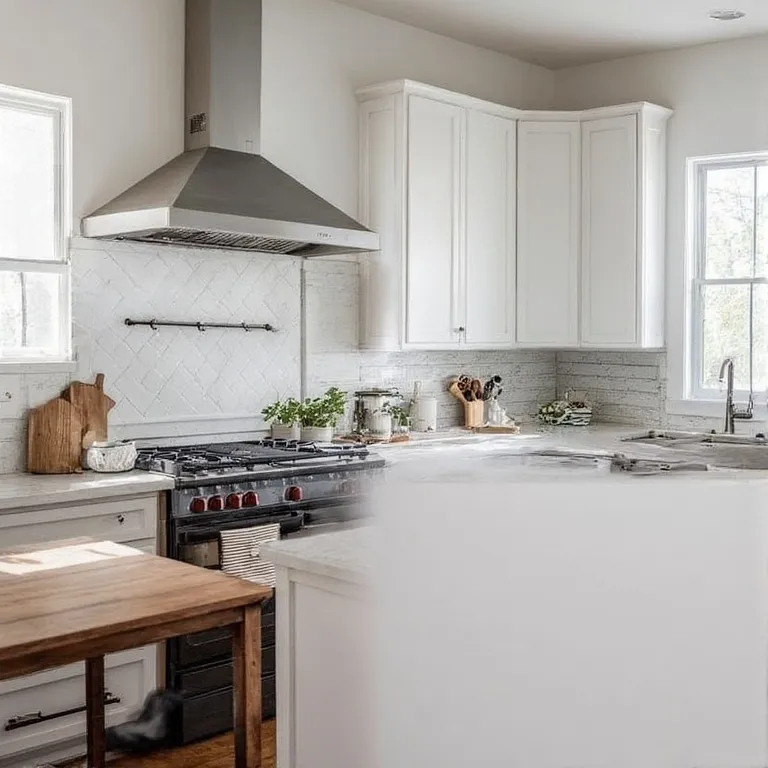
Install a strong range hood that removes smoke, steam, and odors effectively. If possible, open windows while cooking to let fresh air circulate.
Ideal Placement for Range Hoods and Windows
Position your range hood directly above the stove, and make sure windows are easy to open without blocking counters or shelves.
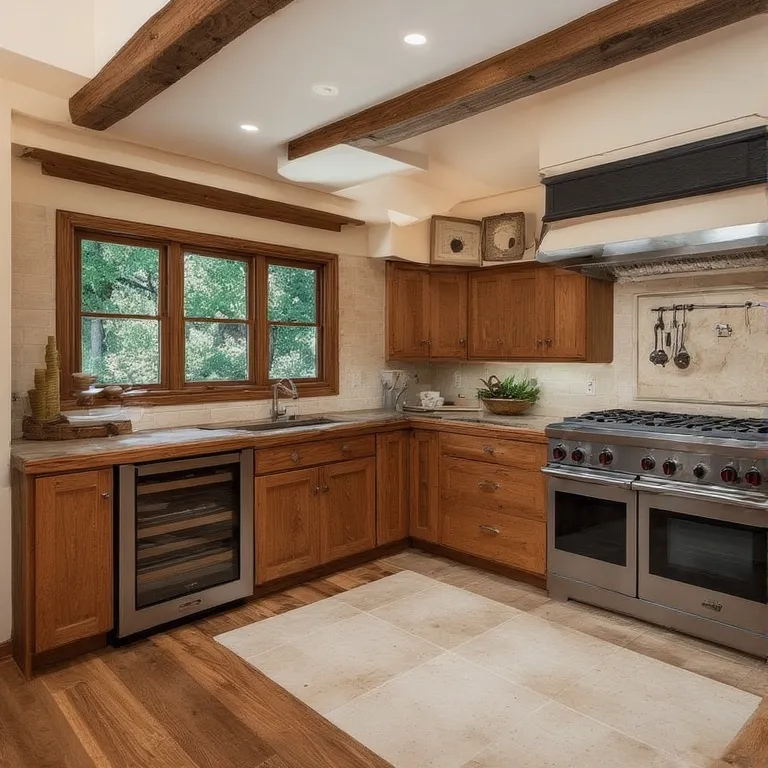
Personalize for Your Cooking Style
Every cook is different—design your kitchen to suit how you work best.
Designing for the Way You Cook
If you bake often, dedicate a low counter for kneading. If you love entertaining, ensure there’s plenty of serving and seating space.
Making Ergonomics Work for You
The perfect ergonomic kitchen isn’t one-size-fits-all. Adjust layouts, storage, and lighting to match your habits for the most comfortable and enjoyable space possible.
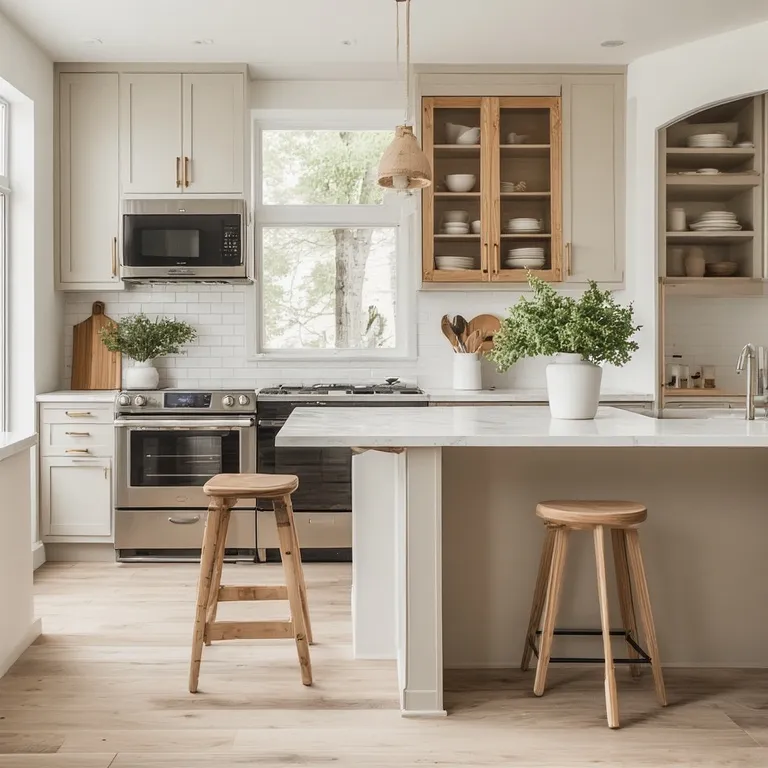
Conclusion: The Key to a Happy, Healthy Kitchen
An ergonomic kitchen blends beauty and comfort. When every element—from counter height to lighting—is designed for ease, cooking becomes fun again. You’ll move naturally, feel less tired, and love spending time in your space. Remember, it’s not about fancy gadgets—it’s about designing smartly for your body and lifestyle.
FAQs
1. What makes a kitchen ergonomic?
An ergonomic kitchen is designed for comfort and efficiency. It minimizes bending, reaching, and twisting by arranging tools and surfaces at ideal heights and distances.
2. How high should my kitchen counters be?
Standard counter height is 36 inches, but it should match your body—adjust higher or lower for your comfort.
3. What flooring is best for standing long hours?
Soft materials like cork, rubber, or vinyl are best. They cushion your feet and reduce fatigue compared to tile or stone.
4. How can I reduce clutter in my kitchen?
Use pull-out drawers, vertical racks, and built-in bins. Keep only what you use daily within reach to maintain a tidy workspace.
5. Are ergonomic kitchens expensive to design?
Not necessarily. Small changes like better lighting, pull-out drawers, or anti-fatigue mats can make a big ergonomic difference without breaking your budget.