
15 Kitchen Layout Design Guide for Better Flow and Function

Kitchen Layout Design that feels both beautiful and practical can be tricky, but it’s one of the most rewarding projects in home design. The kitchen is the heart of the home — where meals, laughter, and memories are made. In this guide, we’ll walk through 15 detailed tips and layout designs that help you create a space with better flow, balance, and function.
Check Also : 15 Green Kitchen Remodeling Ideas for Conscious Homes
Understanding Kitchen Layout Basics
Before diving into specific designs, it’s important to understand what makes a good layout. A great kitchen layout should make cooking easy, cleaning quick, and movement natural. The key principle behind all successful designs is the “work triangle,” which connects the sink, stove, and refrigerator. When these three points are positioned efficiently, your kitchen naturally flows better, saving you both time and effort.
The Importance of Kitchen Flow
Imagine walking into a kitchen where you can move freely, reach everything easily, and never bump into anyone — that’s good flow. Kitchen flow means having a layout that supports how you cook and live. A well-planned flow allows smooth movement between prep, cooking, and cleaning areas, helping you stay organized while keeping the kitchen visually appealing.
Types of Kitchen Layouts
Every home and lifestyle is different, so there’s no one-size-fits-all layout. Let’s explore seven popular kitchen layout types that can fit various spaces and preferences.
One-Wall Kitchen
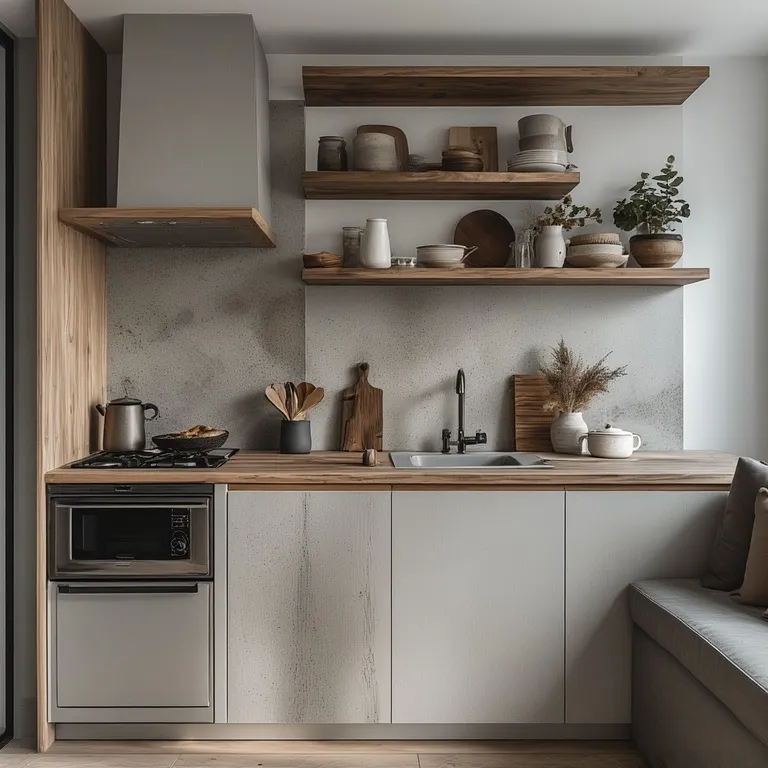
The one-wall layout is perfect for small apartments or studio homes. All your appliances and cabinets sit along one wall, which saves space while keeping everything within reach. To make this layout efficient, add tall cabinets for extra storage and use open shelving to create a spacious look.
Galley Kitchen
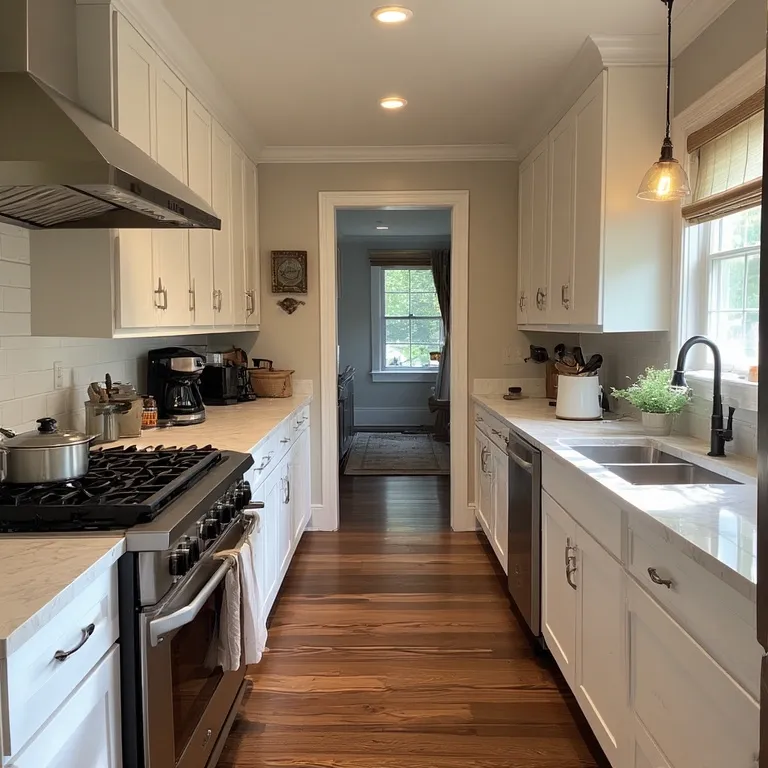
Galley kitchens feature two parallel countertops, forming a corridor-like design. This layout is common in small or narrow spaces and offers great efficiency since everything is close together. To enhance flow, keep one side for cooking and the other for preparation or storage.
U-Shaped Kitchen
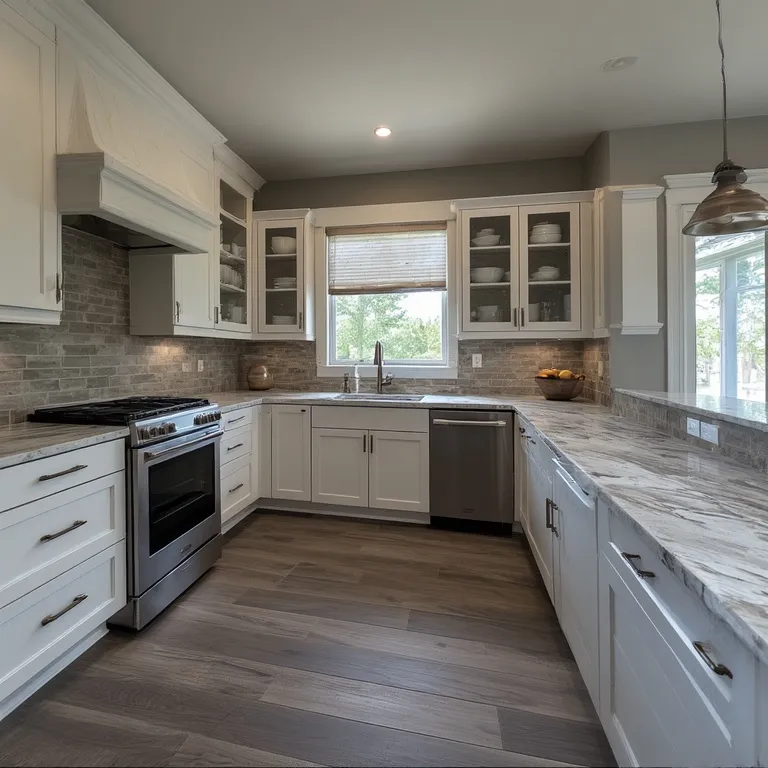
The U-shaped layout surrounds you with cabinets and counters on three sides, offering maximum storage and workspace. This layout is ideal for families or homes where more than one person cooks. To maintain a good flow, keep one section open for easy entry and exit.
G-Shaped Kitchen
Also called a peninsula layout, the G-shape adds an extra counter or half wall, giving you more workspace while still feeling open. It’s great for separating the kitchen from dining or living areas without closing off the space entirely.
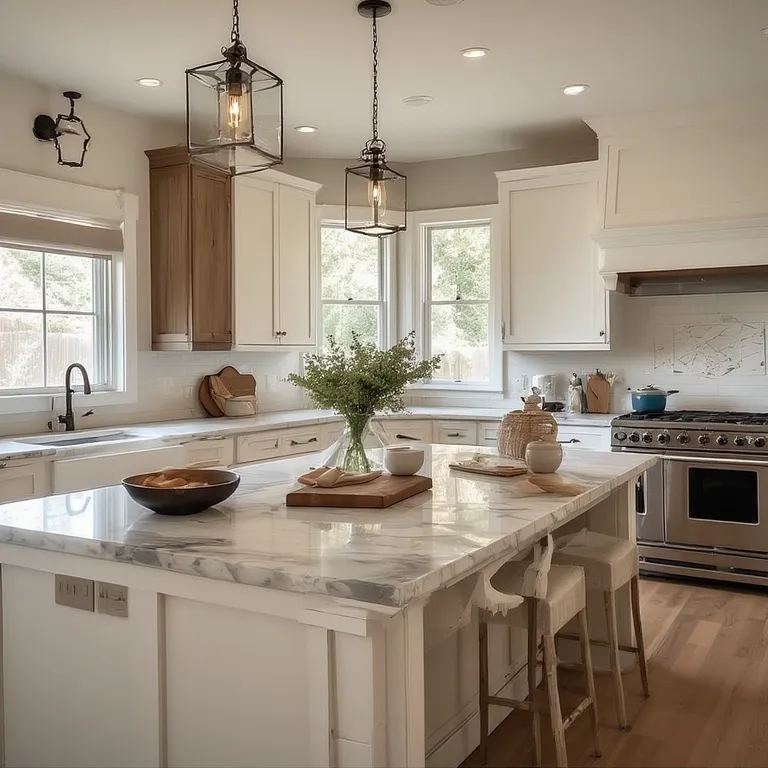
Island Kitchen
Island kitchens are a favorite for modern homes. A central island can serve as extra prep space, a dining area, or a spot for socializing. The key is to leave enough space (at least 1 meter) around the island so you can move freely while cooking.
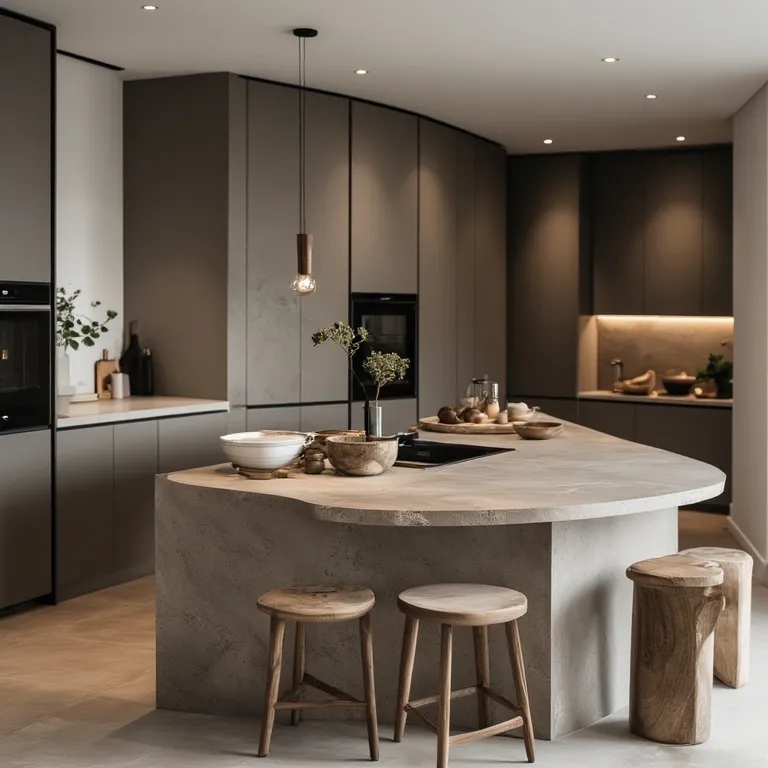
Peninsula Kitchen
Similar to an island kitchen, a peninsula layout connects one side of the counter to the main kitchen area. It’s perfect for open-plan homes and offers additional workspace without needing as much floor space as an island.
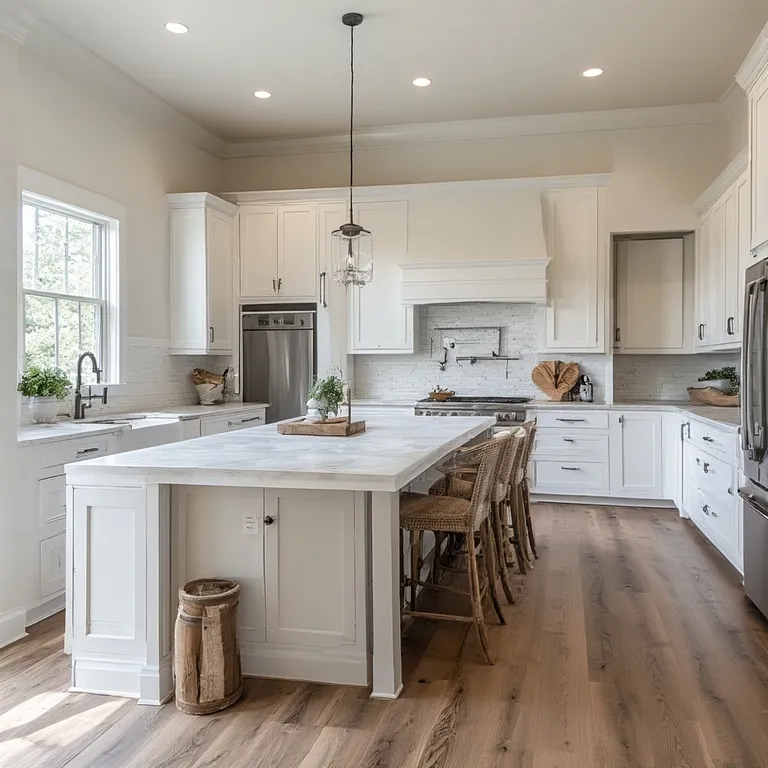
Designing for Better Flow
When designing your kitchen, think about how you move. Keep high-traffic zones like the sink and fridge easily accessible. Avoid placing doors or major appliances where they’ll block each other. Simple planning can make your kitchen feel much larger and easier to use.
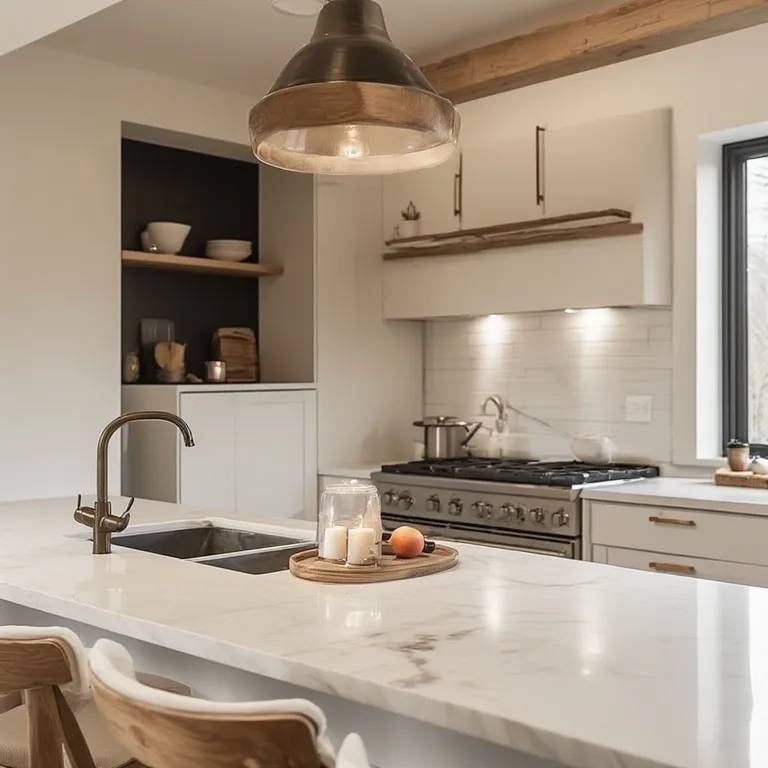
Storage Solutions for Functional Kitchens
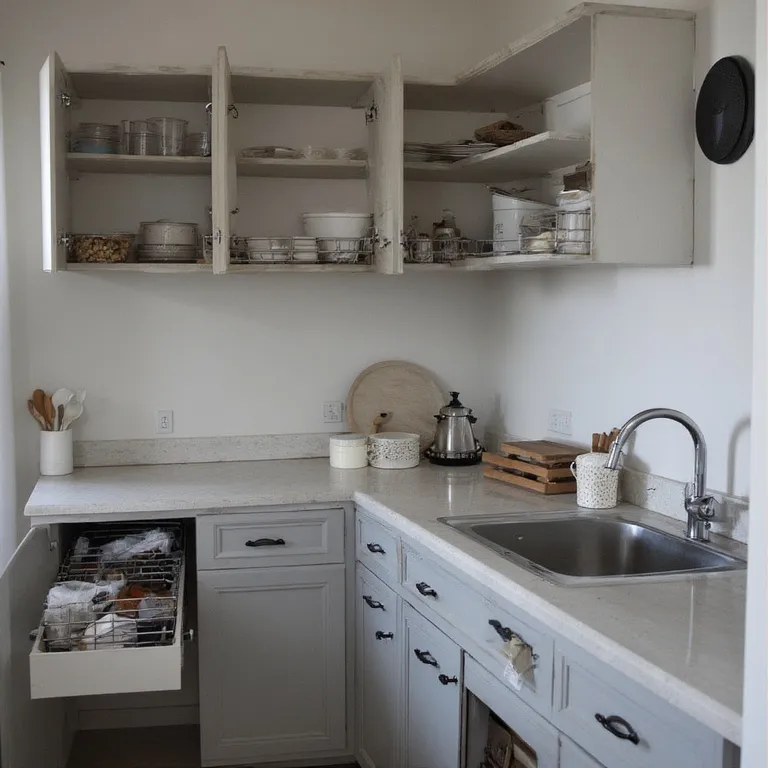
Storage plays a huge role in how functional your kitchen feels. Use vertical space by installing tall cabinets or hanging racks. Lazy Susans, pull-out drawers, and under-sink organizers can turn awkward corners into useful storage. The goal is to make everything you need easy to find and reach.
Lighting and Ventilation
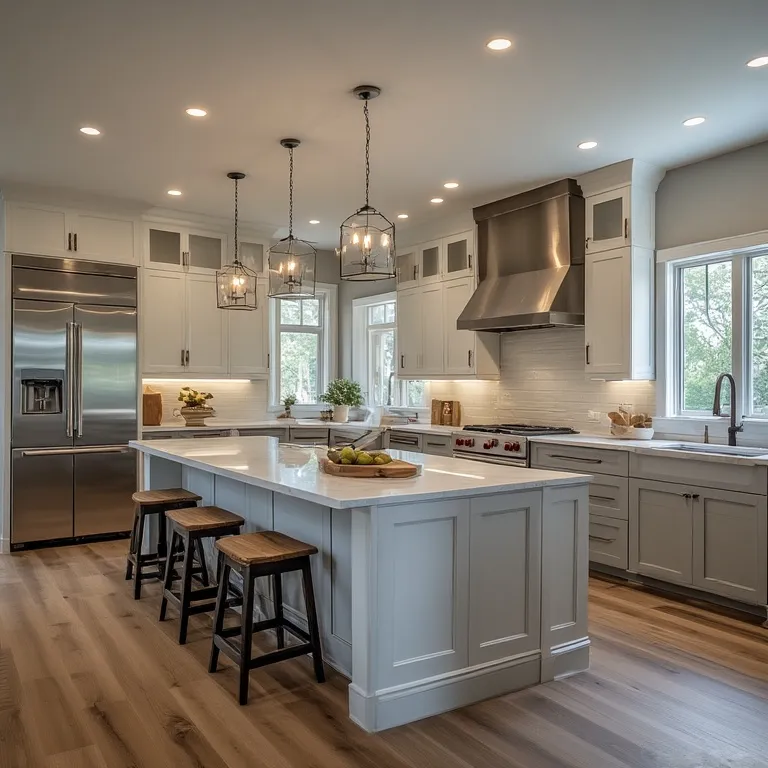
Good lighting makes a big difference. Layer your lighting with ceiling lights for general brightness, pendant lights for task areas, and under-cabinet lighting for food prep. Also, don’t forget ventilation — a strong range hood keeps air clean and prevents cooking smells from spreading.
Material and Color Choices
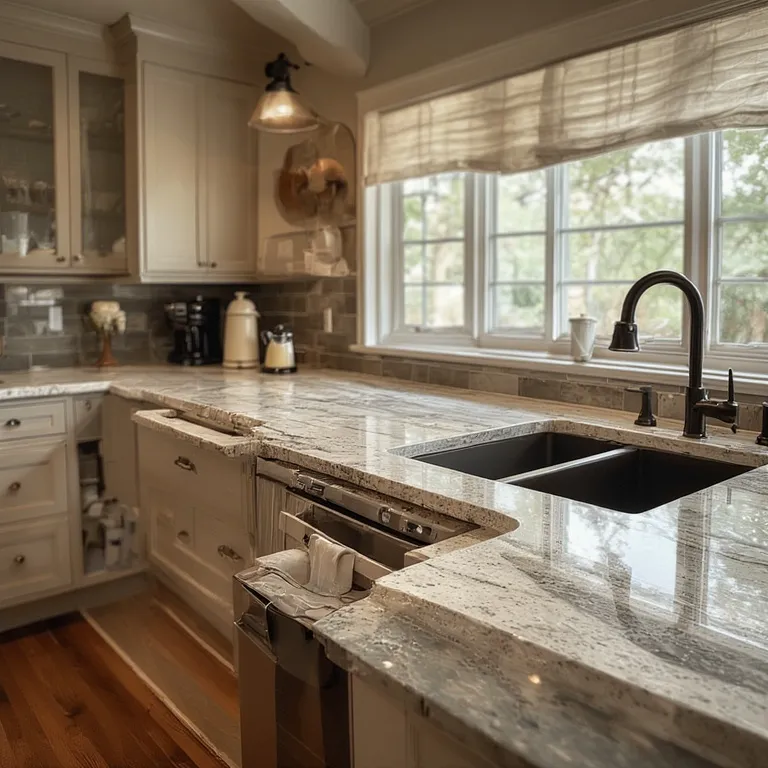
Your choice of materials and colors can affect both the look and functionality of your kitchen. Choose easy-to-clean surfaces like quartz or laminate countertops. Light colors make small kitchens feel larger, while warm tones create a cozy vibe.
Kitchen Zones and Work Areas
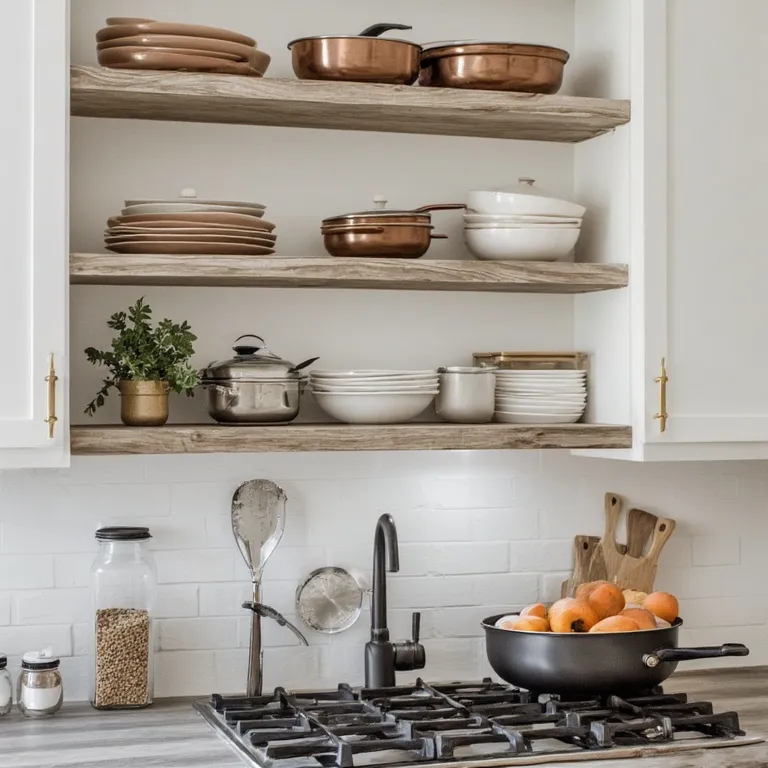
Divide your kitchen into zones: cooking, cleaning, and storage. This organization helps maintain a smooth workflow. For example, keep pots near the stove, dishes near the sink, and dry goods near prep areas.
Accessibility and Ergonomics
Comfort matters just as much as style. Make sure countertops are the right height, and place commonly used items at arm’s reach. Soft-close drawers and pull-out shelves can make daily tasks easier and safer.
Modern Kitchen Trends
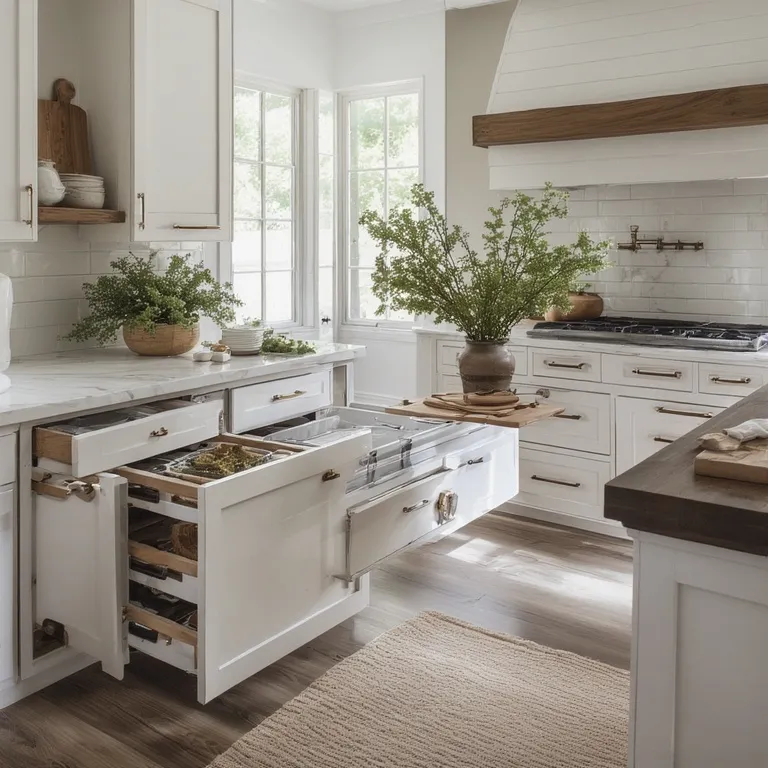
Today’s kitchens blend technology with design. Smart appliances, touchless faucets, and built-in charging stations are just a few examples. Open shelving and minimalist designs are also trending, creating clean, airy spaces.
Budgeting Your Kitchen Design
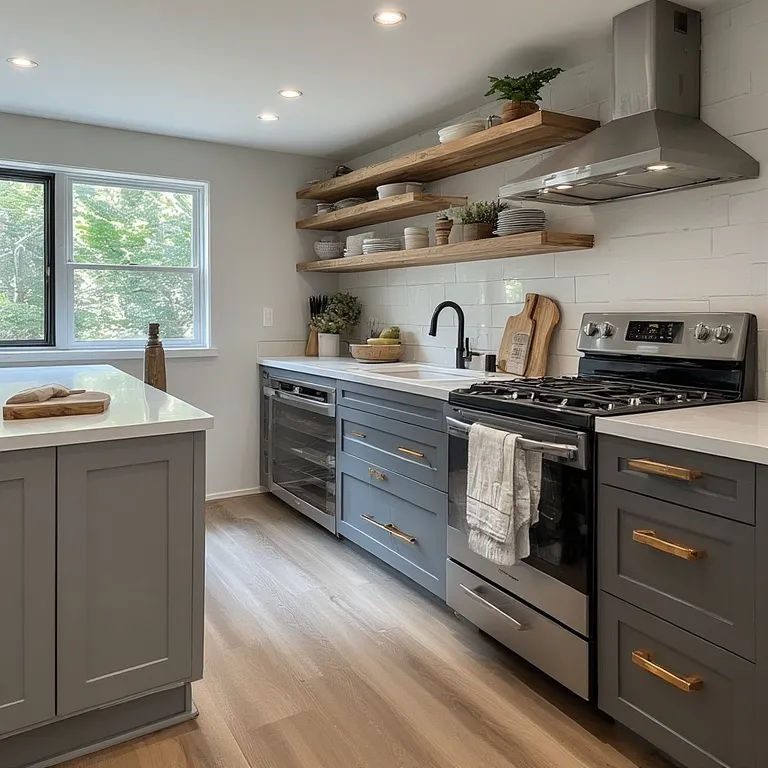
You don’t need a huge budget to create a beautiful kitchen. Focus on key upgrades like better lighting, efficient storage, or a new backsplash. Mix affordable materials with a few high-end touches to achieve balance without overspending.
Conclusion
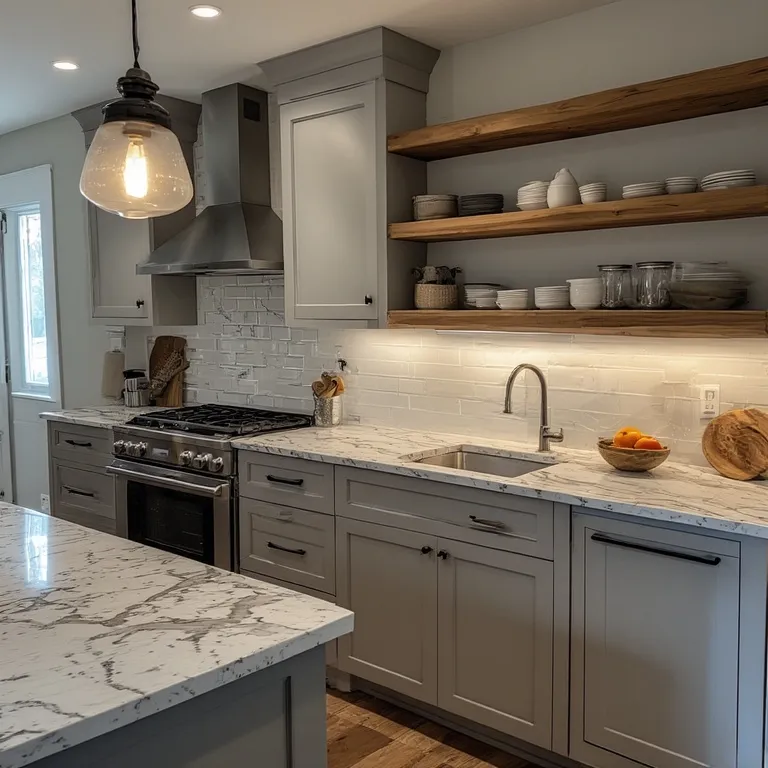
A well-designed kitchen makes life easier and more enjoyable. Whether your space is large or small, these layout tips can help you achieve better flow, function, and beauty. Plan carefully, stay true to your style, and your kitchen will become the heart of your home.
FAQs
1. What is the most efficient kitchen layout?
The galley or U-shaped kitchen layouts are often considered the most efficient because everything is close and easy to access.
2. How can I improve flow in a small kitchen?
Keep the layout simple, reduce clutter, and use vertical storage. Open shelving and light colors also help the space feel larger.
3. What’s the difference between an island and peninsula layout?
An island stands alone in the middle of the kitchen, while a peninsula connects to one wall or counter.
4. How do I choose materials for durability?
Look for scratch-resistant countertops like quartz and durable flooring like tile or vinyl.
5. What’s the best lighting setup for a kitchen?
Layered lighting — overhead, task, and accent lighting — provides the best visibility and mood.