
15 Creative Kids Room Design Ideas for Fun, Learning and Comfort

Creative Kids Room does more than look cute — it shapes how a child plays, learns, and sleeps. When a room is planned with care, it supports focus during homework, sparks imagination during play, and creates calm for rest. Good design saves parents time: everything has a place, mess is easier to manage, and safety worries drop. Think about a room as a small world where routines form: a tidy spot to read, a safe corner for crafts, a cozy bed for sleep. The right layout and choices help children grow with confidence while making daily life simpler for adults. A thoughtful room also gives kids a sense of ownership — they feel seen and valued when spaces are made for their needs.
Emotional and Cognitive Benefits
Kids respond to their surroundings. Colors, textures, and layout affect mood and learning. A bright corner for art encourages creativity, while a calm palette near the bed helps with sleep. When children can find their toys and books, they feel capable — that builds independence. Sensory-rich elements like soft rugs or tactile wall panels help sensory development. Visual routines, like labeled bins, teach organization and predictability, which reduce anxiety. A room that balances stimulation and calm acts like a gentle teacher: it nudges positive habits and supports emotional stability.
Safety and Practical Needs
Safety is the baseline. Choose rounded furniture, secure shelves to walls, and cover outlets. Practical choices — washable paints, stain-resistant fabrics, and easy-to-clean floors — keep the room usable. Storage at child height empowers kids to tidy up. Soft edges and secure windows make play safer. Even small practical additions, like night lights or stable step stools, make routines easier. A smart kids room blends protection with freedom: it lets kids explore while keeping risk low. Practical planning ahead saves future headaches and lets the room stay functional as kids grow.
Check Also : “15 Winter Bedrooms Lighting Ideas for a Soft Cozy Glow”
Idea 1: Themed Zones for Play, Sleep, and Study
Breaking the room into clear zones helps kids switch between activities with ease. A play zone with toy storage, a study zone with a desk and proper light, and a sleep zone with a soothing bed area create structure. Zones don’t need walls — rugs, shelves, and furniture placement do the job. When each area has its tools and rules, kids learn purpose and routine. A well-zoned room also looks tidy because the mess stays in the play area, not spread everywhere.
How to Zone without Walls
Use rugs to anchor each zone — a colorful rug for play, a soft rug for reading, a mat under the desk. Low bookshelves act as dividers while giving storage. Place the bed away from active play to reduce noise at bedtime. Use different light types: a bright task lamp for the study corner and soft lamps for the sleep zone. Even a tall plant or a row of baskets can mark boundaries. Keep most used items in their zone so kids learn where things live. Zoning is like giving each activity its own stage — everything runs smoother when roles are clear.
Idea 2: Flexible Furniture for Growing Kids
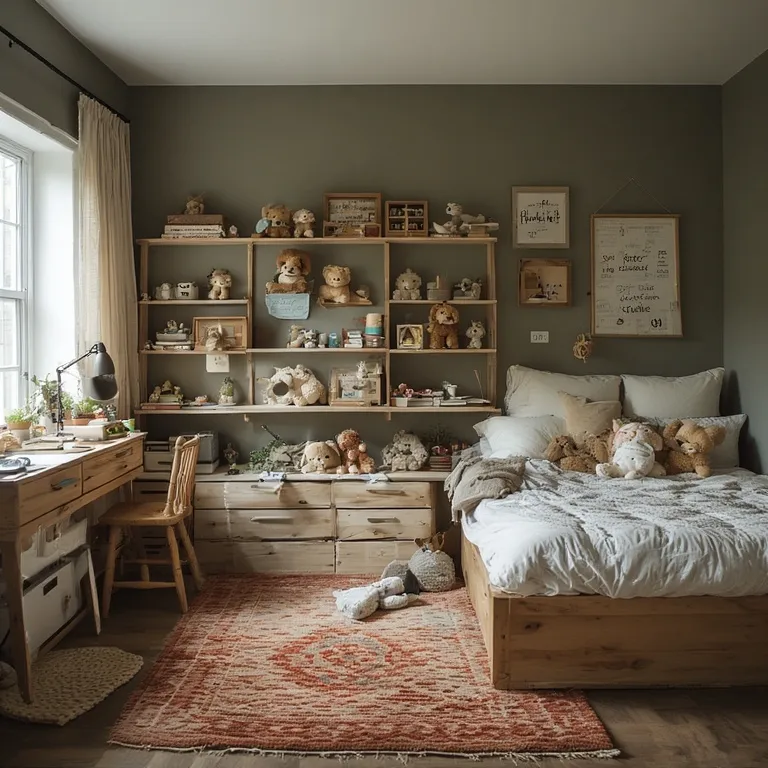
Kids grow fast, and furniture that shifts with them is a smart investment. Look for beds that convert from toddler to full size, desks that adjust in height, and chairs that can be used at different ages. Flexible furniture keeps the room useful for years and avoids frequent replacements. It also lets kids personalize their space as they change tastes.
Convertible Beds and Adjustable Desks
Convertible beds often start low for toddlers and later expand into larger sizes. Bunk beds with a removable lower bunk or trundle options work well for changing needs. Adjustable desks let kids study comfortably as they grow; they prevent slouching and support focus. Choose desks with cable channels and roomy tops for projects. A good adjustable desk is like a friend that grows with your child — comfortable now and later.
Modular Storage That Moves With Them
Modular storage cubes, stackable bins, and shelving that can be reconfigured make seasonal updates easy. As kids move from toys to school supplies, simply swap out baskets and rearrange shelves. Mobile carts on wheels are great for art supplies and can be rolled away when done. Choose neutral bases and colorful accessories so the look adapts with minimal cost. Modular storage is a flexible toolkit that grows as needs change.
Idea 3: Storage That Makes Cleanup Fun
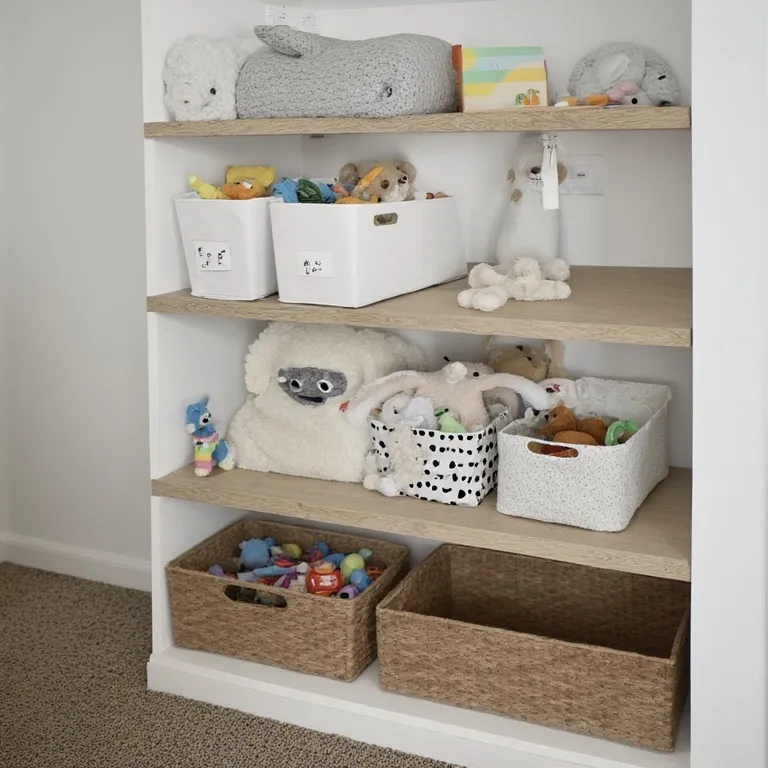
Storage shouldn’t be a chore. Use open bins, low shelves, and clear labels so kids find and return items easily. Make cleaning a game: set a timer and race to put toys away, or use a color code system. When storage is reachable and visible, kids can join cleanup and feel proud.
Open Bins, Labels, and Toy Rotation
Open bins let kids see toys at a glance — great for younger children. Labels with pictures and words teach literacy and order. Toy rotation keeps interest high: store some toys out of sight and swap them weekly. This makes old toys feel new again and reduces clutter. Use baskets for soft toys and trays for small pieces. When storage is part of play, cleanup becomes part of the fun, not a fight.
Idea 4: Learning Corners with Visual Aids
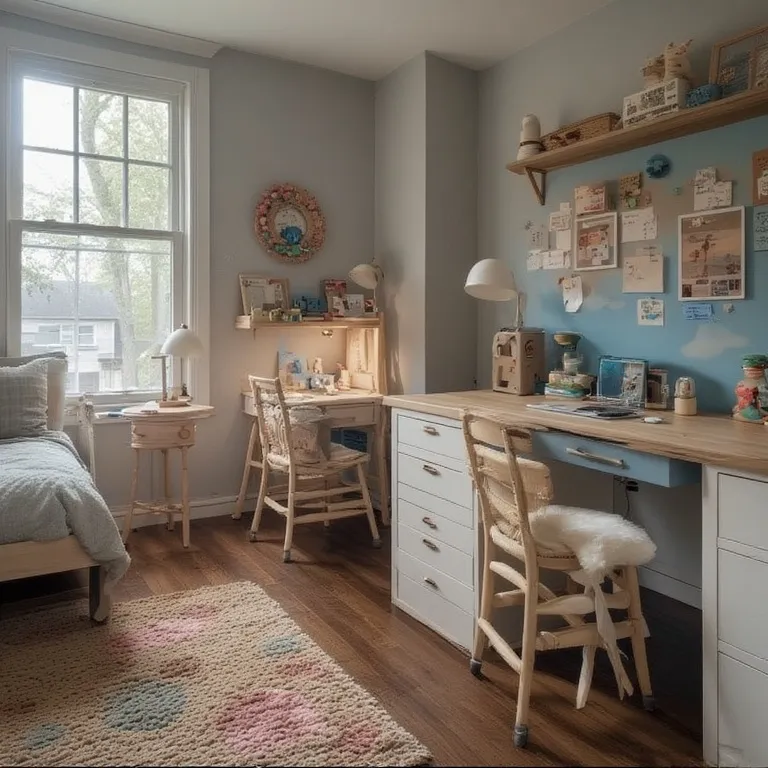
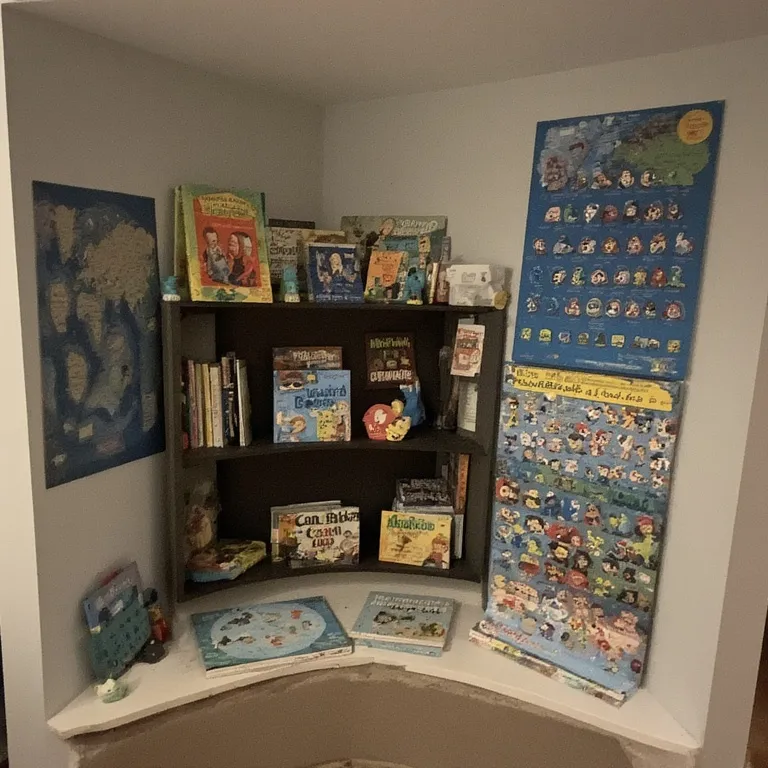
Create a small learning corner stocked with age-appropriate books, puzzles, and educational posters. Visual aids like alphabet charts, number lines, or a world map support daily learning. Keep materials within reach to encourage independent exploration. A well-loved learning corner becomes a place kids return to, building curiosity and skills.
Chalkboard Walls, Map Murals, and Shelves
A chalkboard or whiteboard wall invites drawing, math practice, and notes. Map murals spark questions about the world and geography. Floating shelves display books face-out to invite picking. Rotate themes — space month, animal week — to keep interest fresh. Add a small desk or lap table so kids can sit and work without fuss. Visual tools make abstract ideas tactile and fun, which helps learning stick.
Idea 5: Cozy Reading Nooks
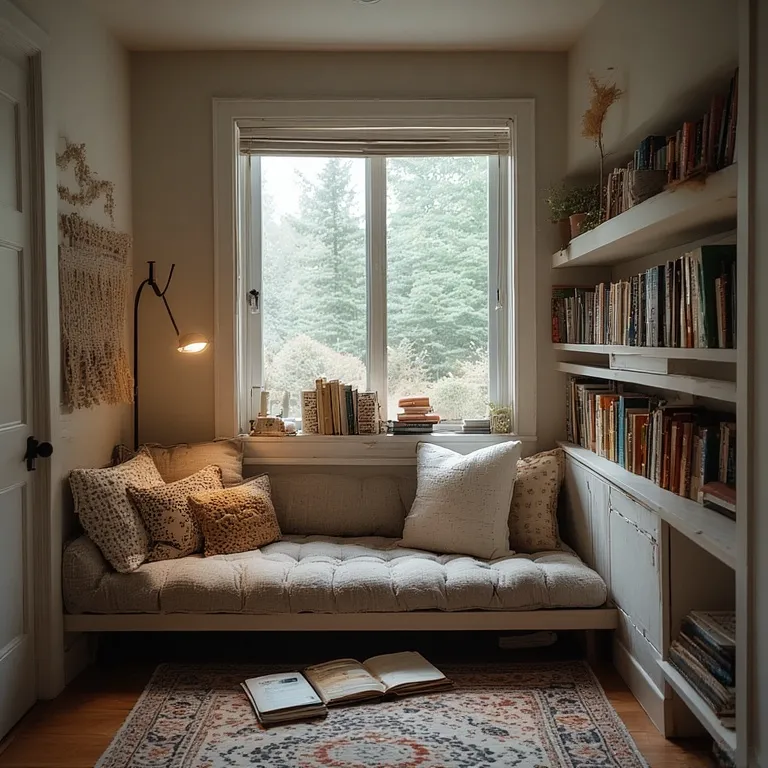
A cozy reading nook is a quiet retreat where kids can fall in love with books. Use soft pillows, a small bookshelf, and gentle lighting to encourage reading time. Nooks can be under the window, in a corner, or even beneath a loft bed. Make it a special spot that feels safe and cozy.
Lighting and Soft Seating Tips
Soft, warm lighting reduces eye strain and sets a sleepy, calm mood. Use a small lamp or string lights with low brightness. Choose washable cushions and beanbags that can be moved. A shelf within reach holds favorites so kids can pick books independently. Rugs and layered blankets make the space inviting. Reading nooks teach children that alone time can be peaceful and rewarding — a habit that supports learning and imagination.
Idea 6: Bright, Calm Color Palettes
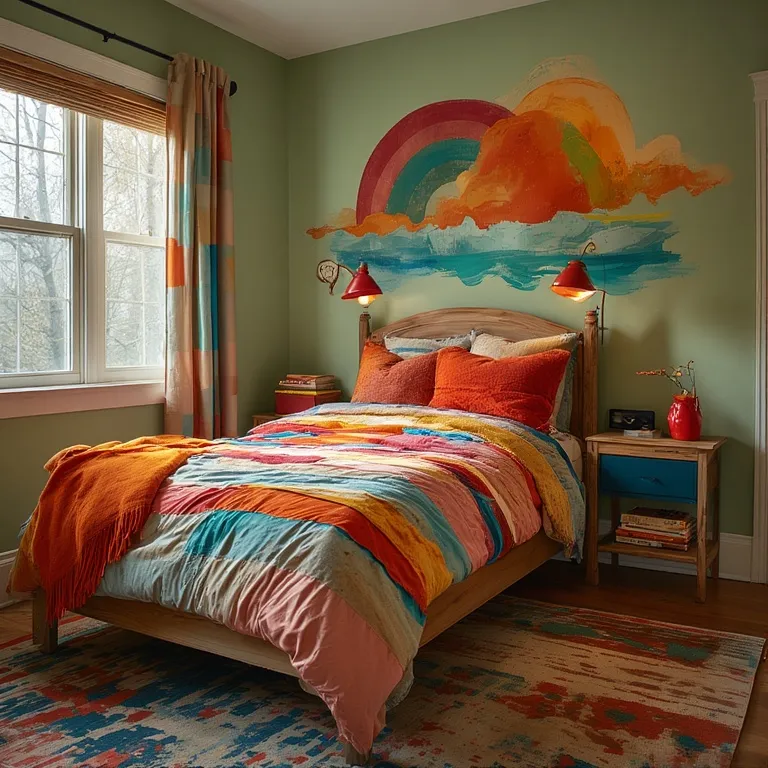
Colors shape mood. Bright splashes of color feel playful, while pastels and warm neutrals keep the room calm. Mix bold hues with soft tones to balance energy and rest. Use accent walls, colorful furniture, or removable decals to create fun without overwhelming the room.
How to Mix Fun Colors with Calm Neutrals
Start with a neutral base — soft grey, cream, or pale blue — and add bright accents like cushions, rugs, or wall decals. Use one bright color as a theme and repeat it in small doses to tie the room together. This keeps the space lively but not chaotic. Paint the lower half of a wall a fun color and keep the top light to avoid visual heaviness. Removable wallpaper is perfect for renters or frequently changing tastes.
Idea 7: Safe, Kid-Friendly Fabrics and Materials
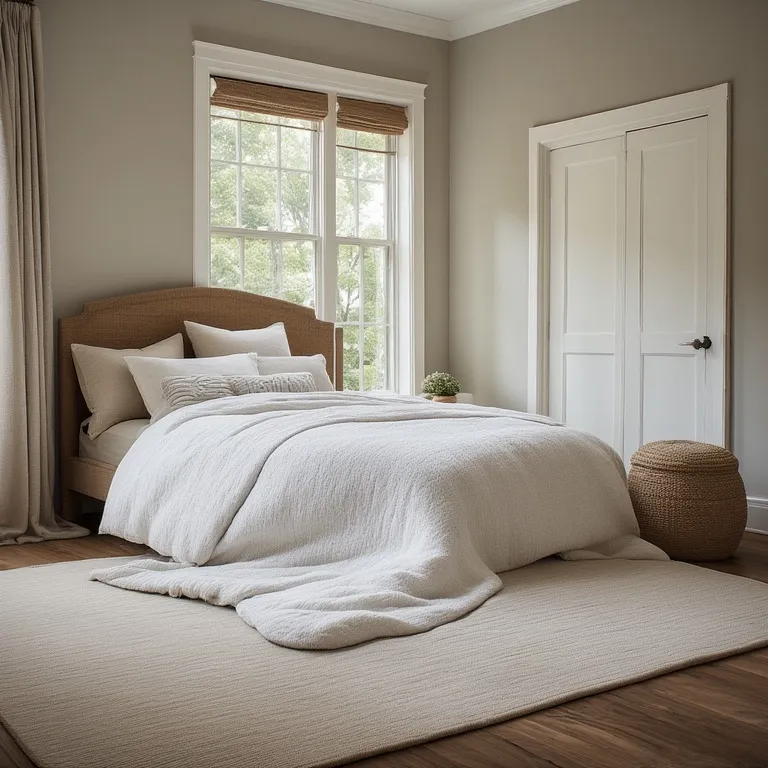
Choose fabrics that are durable, easy to clean, and non-toxic. Look for natural fibers or treated fabrics that repel stains. Avoid sharp edges and choose materials that are soft and warm to the touch. Safe choices make the room a low-stress space for play and rest.
Stain-Resistant, Non-Toxic, and Washable Options
Fabrics labeled wipeable or machine-washable are lifesavers. Performance fabrics mimic the look of cotton or linen but resist spills. For mattresses and pillows, choose hypoallergenic and chemical-free options. Use non-toxic paints with low VOCs for healthy air. Rounded table corners and rubber feet on furniture reduce injuries. These decisions protect health and keep maintenance simple.
Idea 8: Functional Wall Decor (Shelves + Hooks)
Walls can store more than pictures. Add low hooks for backpacks, hats, and art. Open shelves display treasured items and rotate as kids grow. Functional wall decor keeps floor space open and teaches responsibility.
Displaying Art and Easy Access Storage
Use picture rails or pegboard to hang art that can be switched often. Hooks at kid height let children grab school bags and coats themselves. Shelves with baskets keep small items grouped. A corkboard or clip rail displays achievements and creates pride. Functional wall decor turns vertical space into a helpful tool rather than clutter.

Idea 9: Creative Lighting for Play and Sleep
Lighting should be flexible. Bright light for crafts, soft light for reading, and dimmed light for bedtime. Layer lighting types and use dimmers or smart bulbs for easy control. Lighting that adapts supports different activities and moods.
Dimmer, Night Lights, and Task Lighting
Install dimmers on main lights so bedtime is a calm fade rather than a sudden switch. Night lights provide comfort for little ones and help toddlers find the bathroom safely. Task lights over desks ensure good posture and eye care. Use warm bulbs for sleep zones and clear, bright light for play and study. Smart plugs let parents control lights from phones — helpful for bedtime routines.
Idea 10: Interactive Flooring — Rugs and Mats
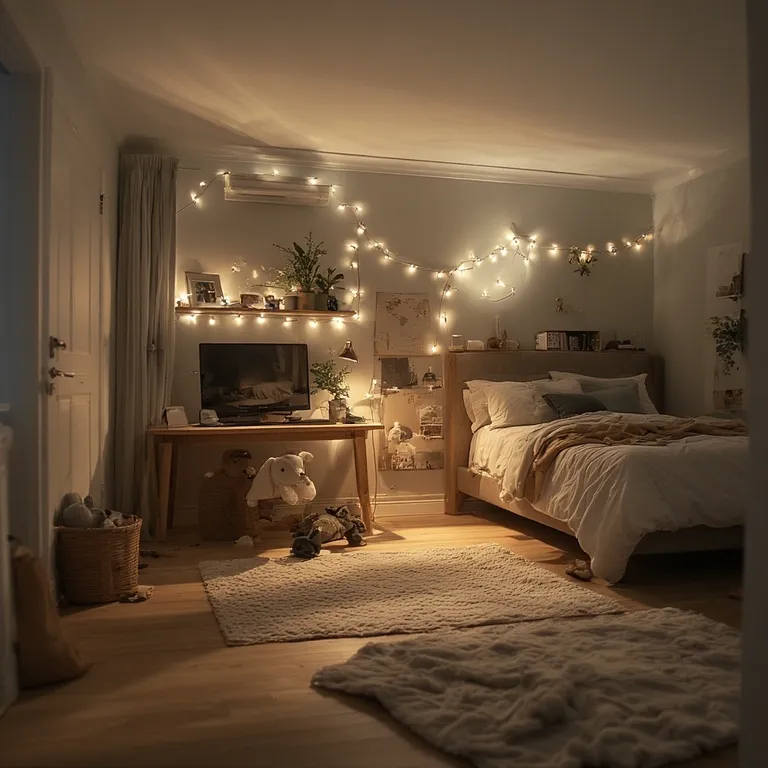
Flooring sets the tone. Soft rugs create play zones and cushion falls. Learning mats with alphabets or maps add educational play. Choose low-pile rugs for easy cleaning and add washable play mats for messy projects.
Soft Zones, Learning Mats, and Pattern Play
Place a large washable rug under play areas to define the space and protect knees. Alphabet or number mats turn floor time into learning time. Non-slip rug pads keep things safe. Use rugs with patterns that hide stains for practical living. Floor choices should balance softness for play and easy care for parents.

Idea 11: Personalized Gallery Wall
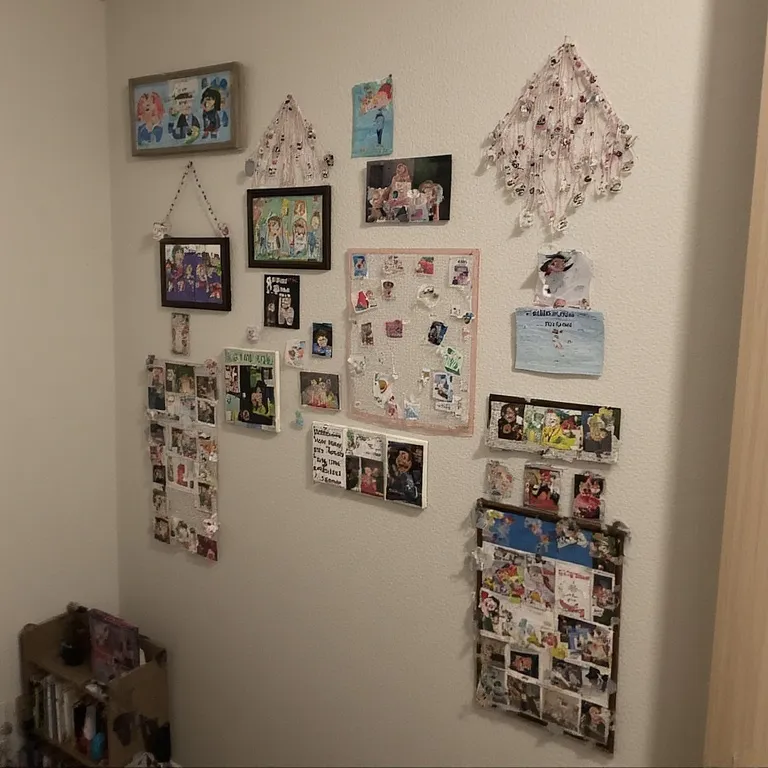
A gallery wall showcases a child’s art, photos, and awards. It builds pride and creates a visual record of growth. Use simple frames or string lines with clips for easy swaps. A gallery wall makes the room truly theirs.
Rotate Art and Celebrate Achievements
Swap drawings weekly to keep the wall fresh. Add a small plaque or shelf for trophies and special crafts. Use matching frames or a regular spacing grid for tidy looks. The gallery encourages creativity and shows that effort is valued. It’s a daily boost of confidence when kids see their work on display.
Idea 12: Tech-Friendly but Screen-Smart Spaces
Kids will use screens, so design a tech area that’s organized and limited. Create a charging station, hide cables, and set rules for screen time. Make tech a tool — not the whole room.
Charging Stations, Cable Management, and Limits
A small shelf or drawer with built-in charging ports keeps devices tidy. Use cable clips and labels to avoid chaos. Place screen use in the study or living area rather than the bed to protect sleep. Consider a basket for devices during homework or bedtime. Clear rules and visible timers help manage use without constant fights.
Idea 13: Mini Workshop or Art Studio Area
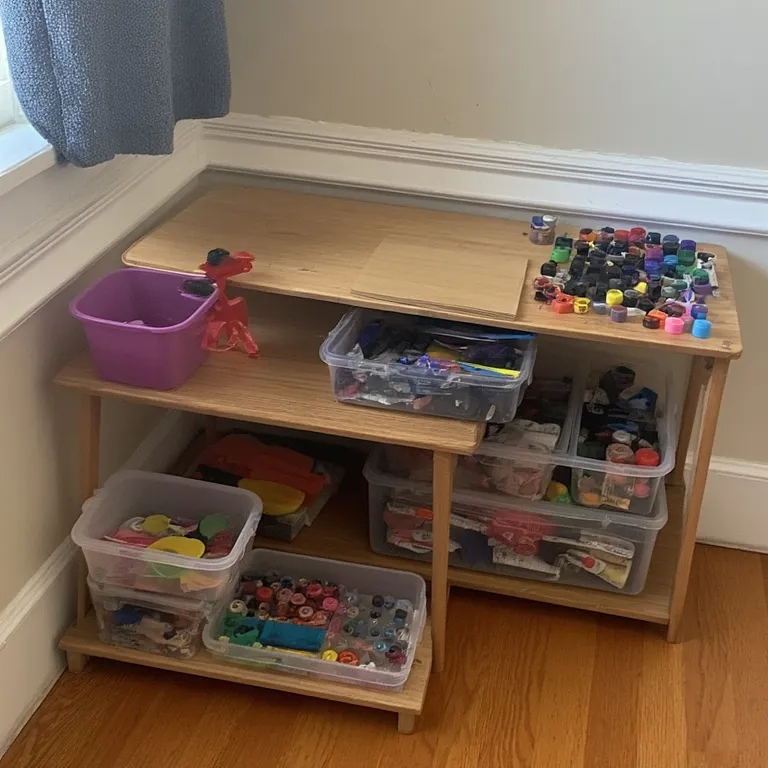
A small, dedicated place for crafts teaches skill and focus. Use washable surfaces, supply trays, and easy-clean flooring. A mini workshop encourages creativity and builds fine motor skills.
Easy-Clean Surfaces, Tool Storage, and Inspiration
Cover tabletops with washable mats or vinyl. Use stackable trays for paints, brushes, and paper. Pegboards keep tools visible and tidy. Add inspirational boards with ideas and finished projects to spark fresh work. This area helps kids take on projects with confidence and pride.
Idea 14: Sleep-Focused Design for Better Rest
Good sleep starts with design. Darkening curtains, a consistent bedtime spot, and calming decor aid rest. Keep electronics away from the bedside and keep the room cool and quiet.
Blackout Curtains, Sound Softening, and Bed Routine
Blackout curtains block light that wakes children early. Soft rugs and wall textiles absorb sound for a quieter room. A consistent bedtime routine — bath, book, lights dim — cues sleep. Use white noise if needed and keep the mattress comfy and supportive. Design that supports rest improves mood, learning, and family life.
Idea 15: Bringing Nature Inside — Plants & Natural Light
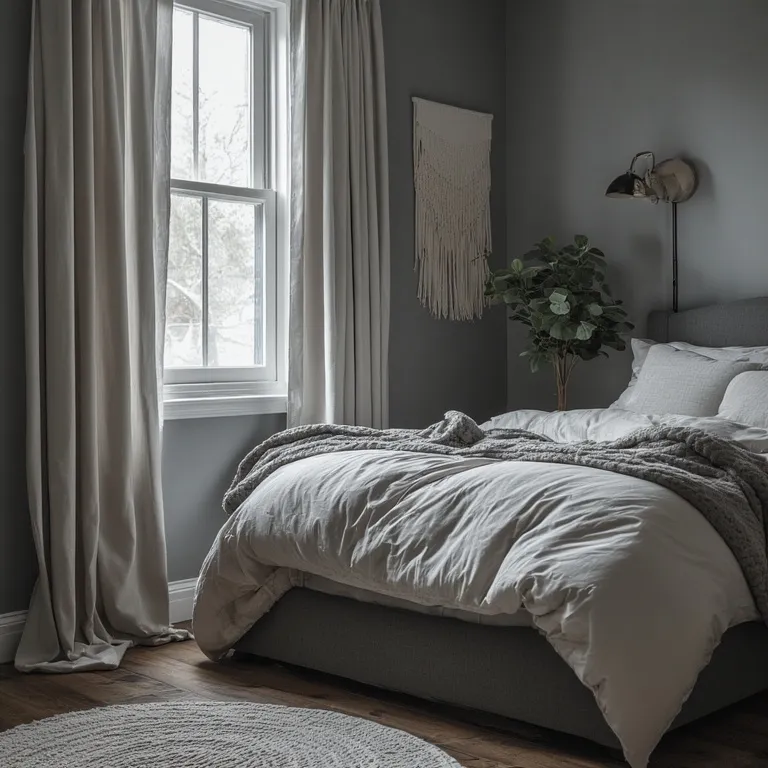
Nature calms and teaches. Safe plants, natural textures, and a sunny window seat bring a bit of outside in. Plants add life and a gentle lesson in care and responsibility for kids.
Safe Plants, Window Seats, and Natural Textures
Choose non-toxic plants like spider plants or Boston ferns and place them where kids won’t pull them down. A window seat becomes a perfect reading nook and connects the room to daylight. Use wooden elements, wicker baskets, and cotton textiles to add warmth. Natural light boosts mood and focus — use light fabrics on windows to soften but not block sunshine.
Budget Tips: Big Impact, Low Cost Updates
You don’t need to spend a lot to transform a kids room. Paint a feature wall, add peel-and-stick decals, or thrift colorful storage bins. Swap pillow covers or hang fairy lights for instant charm. DIY frames for art and use mason jars for craft supplies. Small changes add up and can be done in a weekend. Focus on one big change and several small swaps for a fresh look.
Avoid These Common Kid-Room Design Mistakes
Avoid too many tiny storage items that create clutter, forgettable lighting, or furniture that’s not child-sized. Don’t place the bed under a fan with loose curtains, and avoid heavy items on high shelves. Skip trends that won’t last and opt for durable basics. Planning for safety, ease, and flexibility prevents regrets later.

Conclusion
Designing a kids room is about balance: safety with fun, learning with play, and comfort with style. Use zones, flexible furniture, smart storage, and soft lighting to create a room that works for kids and adults. Small, thoughtful changes — a cozy nook, washable fabrics, or a tidy craft area — make daily life smoother and give kids a space to grow. Keep it simple, involve your child, and update as they change. A well-made room becomes a place of joy, learning, and sweet memories.
FAQs
Q1: What is the best age to design a themed room?
Start anytime. For toddlers, pick durable, simple themes. For older kids, involve them in choices so the room reflects their interests and grows with them.
Q2: How can I keep the room looking tidy with active kids?
Use low, labeled storage, make cleanup a game, and rotate toys. Daily 5-minute tidy-ups work wonders when items have clear homes.
Q3: Are peel-and-stick wallpapers safe for kids?
Yes — most are non-toxic and easy to remove. Choose low-VOC products and apply to a clean, smooth wall for best results.
Q4: How much space should I give for a study area?
A small desk (at least 24–30 inches wide) with good light and chair space is enough for young kids. Give more space as they grow and need larger work areas.
Q5: What’s an easy, safe plant to add to a kid’s room?
Spider plants and Boston ferns are hardy and non-toxic. Place them out of reach and use sturdy pots to prevent tipping.