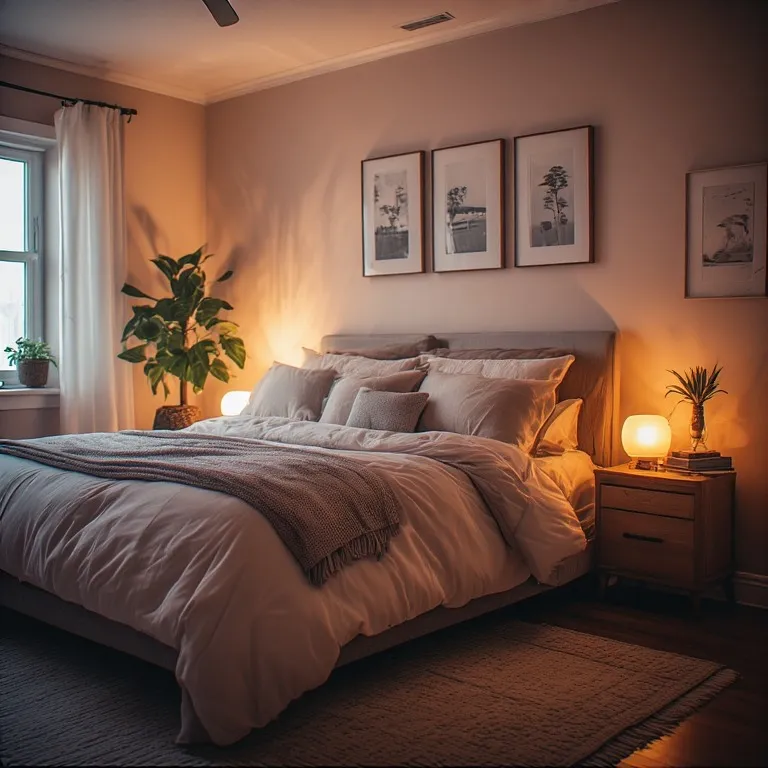

“Top 15 Warm Winter Bedroom Ideas for a Relaxing Escape”

Warm Winter Bedroom is more than just a higher thermostat reading — it’s a feeling. In winter, our body and mind both look for shelter, softness, and calm. A cozy bedroom helps you fall asleep faster, sleep deeper, and wake up feeling rested. Think of your bedroom like a warm hug after being out in the cold: it should be inviting, safe, and calming. Small changes can make a big difference — from the feel of your sheets to the color on the walls. In this article, you’ll find simple, practical, and stylish ideas to turn your room into a warm winter escape without breaking the bank. Each idea is written in easy English, with clear tips you can use right away.
Check Also : Top 15 Trending Living Room Colors for 2025
Layered Bedding Basics
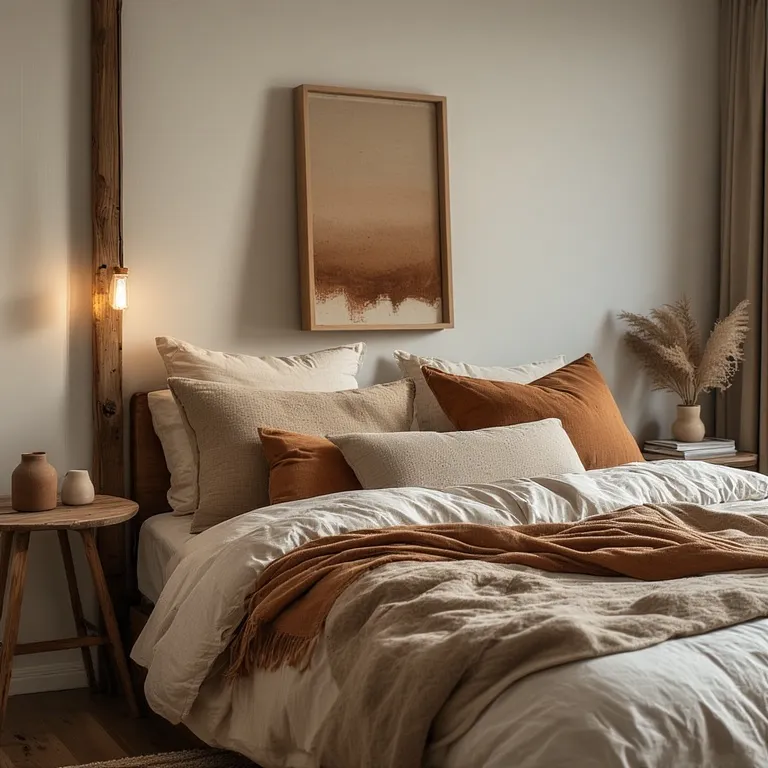
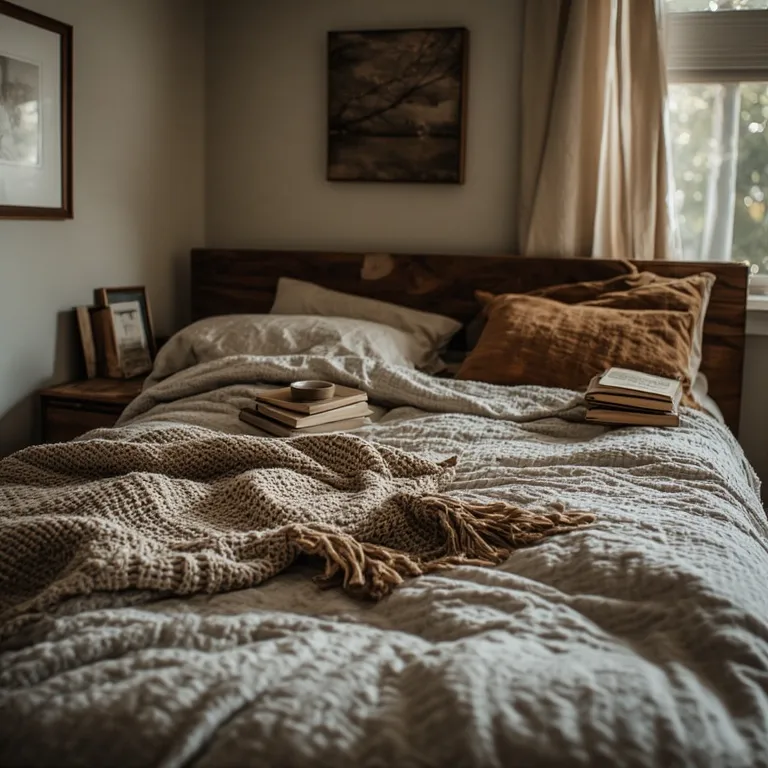
Layering is the key to cozy sleep. Start with a soft base: good sheets feel better on the skin. Add a mid-weight blanket for warmth and a heavier duvet on top for a snug finish. Layers let you adjust during the night — take off the top throw if you get warm or add it back when you cool. Think of bedding like layers of clothing: base, mid-layer, and outer shell. Use different textures to make the bed look rich and to add real warmth — a cotton sheet, a wool blanket, and a fluffy duvet work well together. Also, consider adding extra pillows for comfort and support when you read or relax.
Pick the right sheets
Sheet material affects how warm you feel. Choose breathable fabrics like cotton or flannel for winter — they trap warmth but still let your skin breathe. Flannel sheets are soft and cozy, perfect for cold nights; they feel like a gentle blanket against your skin. Percale and sateen cotton are also good as long as they are heavier weight for colder months. Avoid scratchy or thin materials. When shopping, look at the thread count and fabric feel — a higher number alone doesn’t guarantee warmth, but a heavier weave often does. Soft, well-made sheets can lift the whole look of your bedroom.
Add blankets and throws
Throws and extra blankets are the finishing touch. Keep a chunky knit throw or a wool blanket at the foot of your bed for extra warmth on very cold nights. Throws are easy to fold, store, or drape over a chair so they are always ready. They bring texture and style too — a knitted throw adds charm while a faux fur throw adds luxury. Mix colors or stick to the palette of the room. The idea is to make warmth attractive and handy, so you’ll reach for it without having to rummage through a closet.

Warm Color Palette
Colors affect how warm a room feels. Warm tones like soft browns, deep oranges, creamy beiges, and muted reds make a room feel cozier. Even muted greens and deep blues can feel warm when paired with the right lighting and wood tones. The paint on your walls, bedding, and accessories all play a part. Colors are like spices in a meal — a little goes a long way. Choose a main neutral, then add warm accents so the room feels balanced and comforting without becoming overpowering.
Earth tones and cozy neutrals
Earth tones are timeless and calming. Think clay, tan, beige, and warm gray. These colors act like a soft blanket — they calm the eyes and create a secure feeling. Use them on walls, rugs, or large furniture pieces for a solid base. Layer on texture to keep the room interesting: a woven rug or wooden bedside table brings life to neutral colors. These shades also pair well with wood, leather, and natural fibers, adding to a warm, snug vibe.
Accent colors that feel warm
Accent colors add personality and depth. Deep mustard, rust, burgundy, or olive green are perfect winter accents. Add these in small doses — cushions, wall art, a throw, or a small chair — so they brighten the room without stealing the calm. A pop of warm color is like a mug of hot cocoa on a cold day: it lifts the mood. Use metallic accents like bronze or brass for a soft glow that adds to the warmth without being too flashy.
Soft Area Rugs
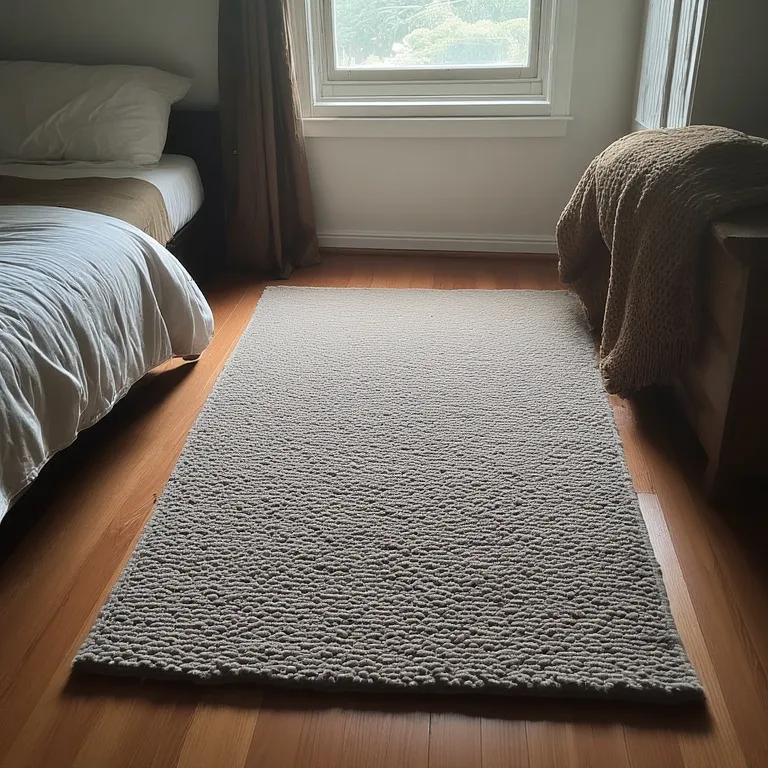
Cold feet ruin comfort. Rugs make a room feel grounded and warm underfoot. Choose rugs with thick pile or natural wool for a soft, warm surface. Area rugs also add color and pattern, breaking up hard floors and making the room feel finished. If your bedroom has hardwood or tiles, a rug by the bed gives a warm landing when you step out of bed in the morning. Rugs also help soundproof the room so it feels calm and cozy.
Rug placement tips
Place rugs so they warm the main zones: under the lower two-thirds of the bed, beside the bed, or in a seating area. For small rooms, smaller rugs at the sides of the bed work well. For larger bedrooms, a big rug that fits under all four bed legs looks neat and anchors the space. Layering rugs can add texture and depth — a flatweave base with a small plush rug on top looks stylish and feels great. Remember to choose a rug with a non-slip pad for safety and to keep it in place.
Ambient Lighting
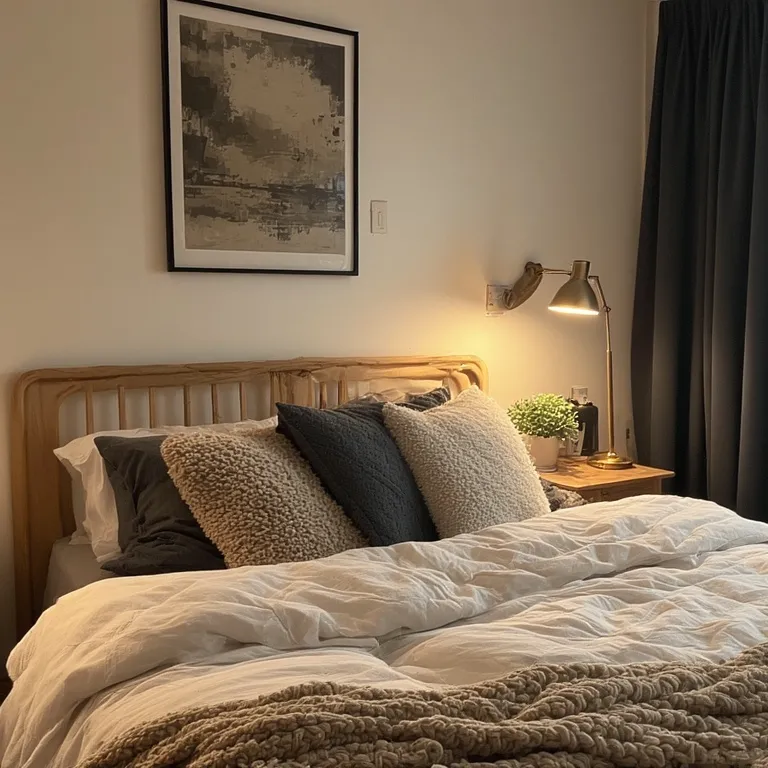
Lighting sets the mood. Bright overhead lights feel cold and clinical. Use multiple light sources at different levels — bedside lamps, floor lamps, and wall sconces — to create soft pools of light. Warm bulbs (2700K–3000K) make a room glow and feel welcoming. Dimmable lights let you lower intensity in the evening and relax into bedtime. Lighting is like music for your eyes; the right tune relaxes you, while the wrong one makes you tense.
Use dimmers and warm bulbs
Dimmers are a small upgrade with big impact. They let you control brightness for different times — morning, reading, or winding down. Pair dimmers with warm white bulbs to get a golden glow that feels like candlelight without the fire. Smart bulbs are also a neat option: schedule lights to warm slowly in the morning or fade in the evening. This slow change helps your body adjust and supports better sleep patterns.
String lights and candles (real or LED)
String lights and candles add charm and gentle light. String lights draped over a headboard or along a shelf create a starry, calm effect. Candles add scent and a flicker that feels cozy, but safety matters — use LED flameless candles when away or when worried about open flames. Place lights safely away from bedding and curtains. These small touches make the room feel lived-in and lovingly curated, perfect for slow winter evenings.
Window Treatments for Warmth
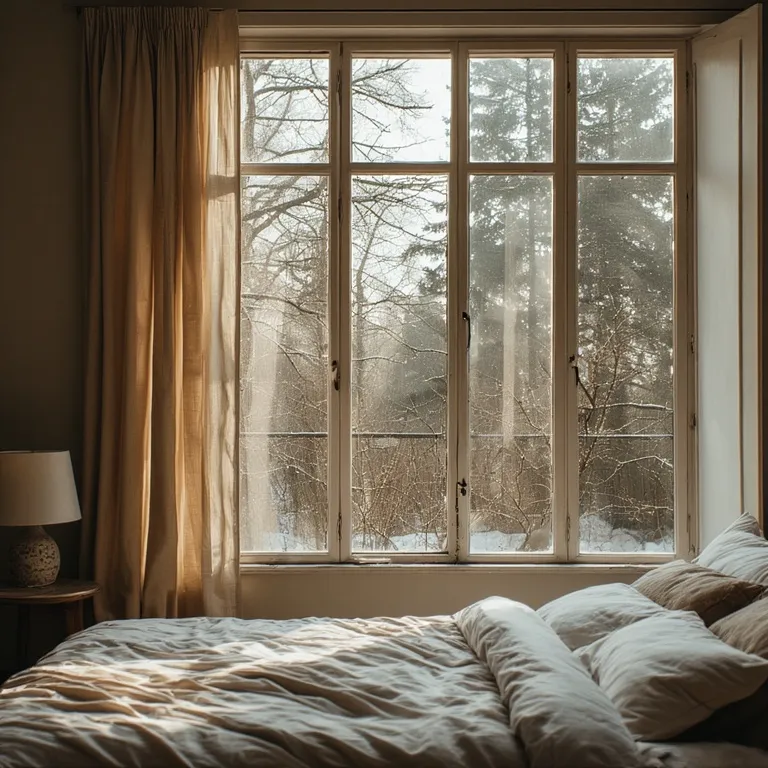
Windows are a major source of heat loss. The right curtains keep heat in and cold out. Heavy curtains, thermal liners, and layered window treatments make a real difference. Think of curtains as an extra blanket for your room — they trap warm air inside and block drafts. They also soften light and add privacy, making your bedroom feel more intimate and warm.
Thermal curtains vs layered curtains
Thermal curtains have an insulating layer that helps reduce heat loss, while layered curtains combine a sheer inner layer with a heavy outer drape. Layered curtains give you light control and insulation while looking stylish. Use a long curtain rod and hang curtains close to the floor to create a snug seal. For extra warmth, add a curtain liner or use blinds underneath for a second barrier. This combination keeps cold at bay and makes the room feel protected and cozy.
Cozy Seating Nook
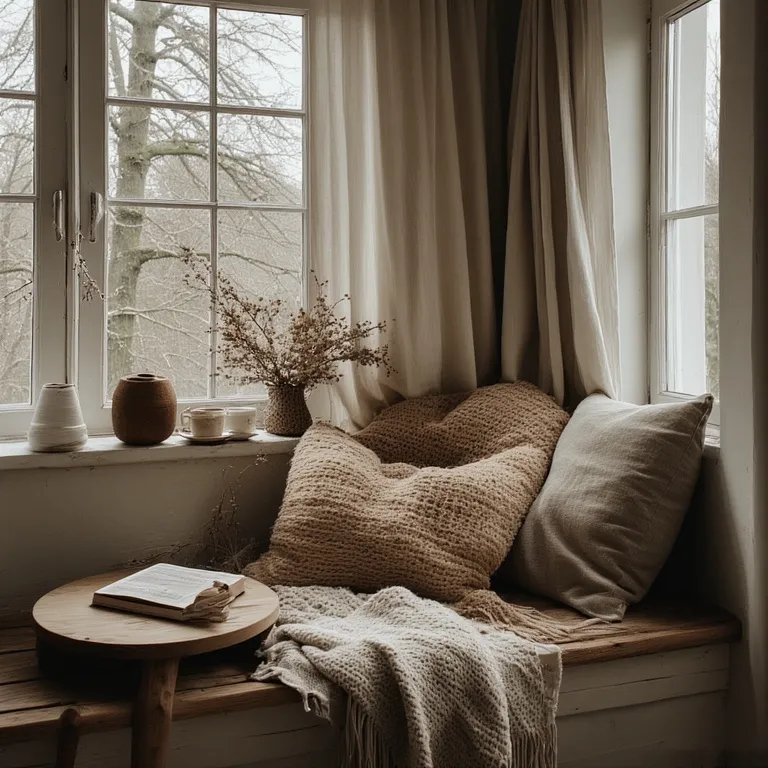
A seating nook adds a place to relax other than the bed. A small armchair, a window seat, or a bench with cushions turns your bedroom into a cozy retreat. Add a throw and a small side table for tea or a book — instant hygge. A seating nook invites you to slow down and enjoy quiet moments, not just sleep. It’s a corner made for breathing easy, reading, or just staring out the window while wrapped in warmth.
Choose the right chair or bench
Pick seating that fits the space and feels soft. Look for a chair with a deep seat and supportive back, or a cushioned bench wide enough for two. Add pillows to make it extra comfy, and choose fabrics that match your bedding and rug for a cohesive look. If space is tight, use a foldable ottoman or a small slipper chair that tucks away. The goal is a comfy, warm spot you’ll actually use.
Heated Accessories (Safe Use)
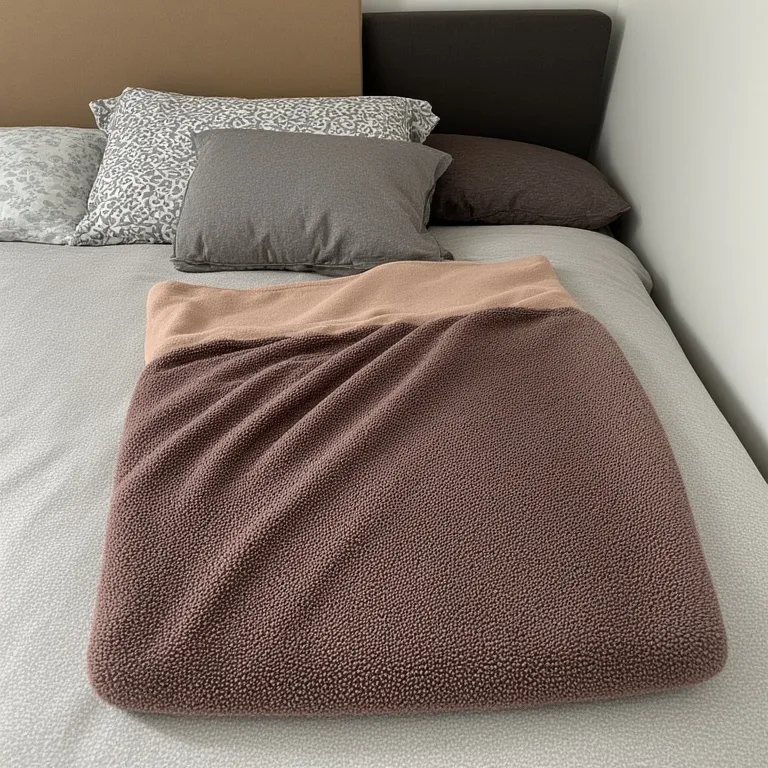
Electric heated blankets, mattress pads, and heated throws are great winter helpers. They warm you quickly and reduce the need to blast the whole house heat. But safety first: choose certified products, read instructions, and avoid leaving heaters on all night if not designed for overnight use. These accessories are like a small, focused heater for your bed — efficient and cozy when used properly.
Electric blankets, heated mattress pads
Heated pads and blankets come with safety features like auto-shutoff and temperature control. Look for products with clear temperature settings and safety certifications. Heated mattress pads warm the bed from below, while heated blankets give top warmth. Always follow care and storage instructions to make them last. Use them as a supplement to your normal bedding layers, not a replacement for safe bedding practices.
Natural Textures and Materials
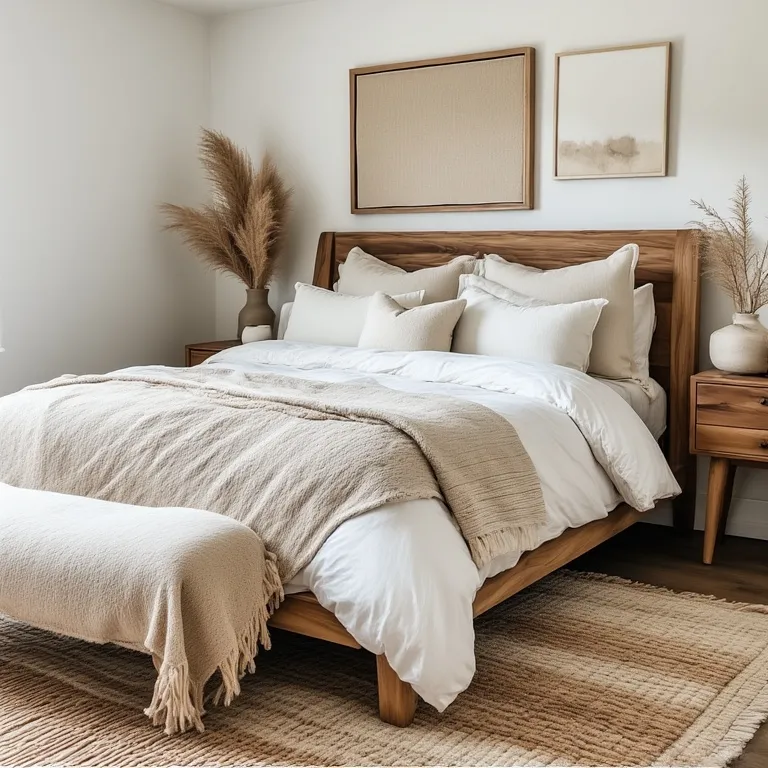
Natural materials bring warmth and life to a room. Wood furniture, wool rugs, cotton sheets, and faux fur throws create a layered, tactile space. These materials not only look warm but feel warm to the touch. Mixing textures is like mixing ingredients in a favorite recipe — each one adds flavor and balance, making the whole dish (or room) better.
Wood, wool, faux fur, and knit
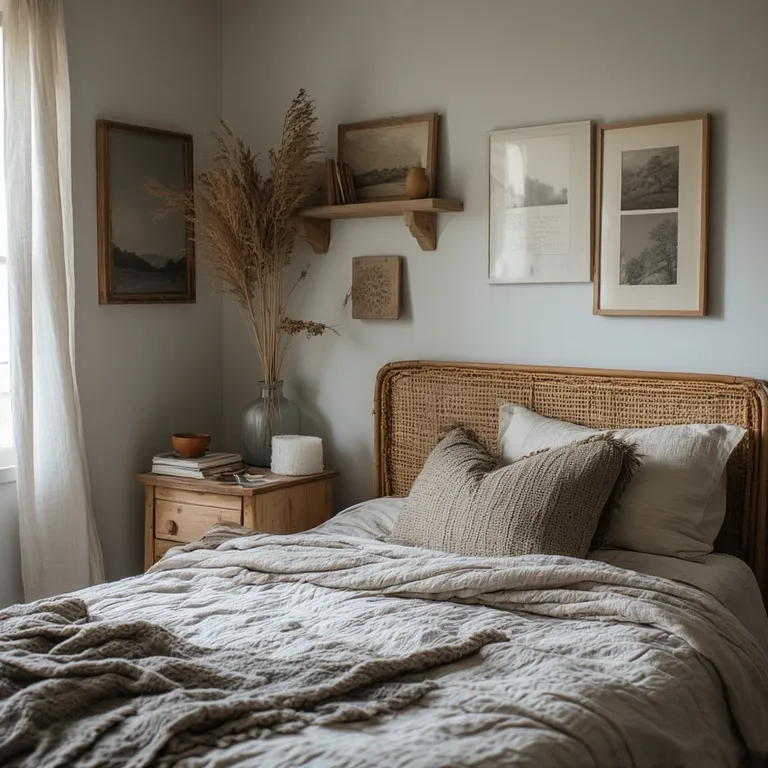
Wood furniture adds a rich, organic feel that warms up the room visually. Wool rugs and knit blankets add texture and insulation. Faux fur offers softness and a luxury feel without the cost of real fur. Choose natural-looking materials that are easy to clean and maintain. The combination of these textures makes your bedroom feel layered and thoughtfully designed, perfect for winter comfort.
Warm Artwork and Wall Decor
Art and walls can add warmth when chosen right. Pick pictures with warm tones, landscapes in autumn colors, or family photos in warm frames. Tapestries and textile art add texture and soften sound. Wall decor is a chance to make the room yours and to add color that feels like a cozy blanket across the walls.
Choose warm-toned art and frames
Select art that uses warm color palettes or images that bring calm — soft sunsets, woodlands, or abstract pieces in warm hues. Use wooden, bronze, or warm metal frames to tie the look together. Grouping small frames into a gallery wall adds personality and a snug feeling. Wall decor doesn’t need to be expensive; thoughtful placement and color coordination make the biggest impact.

Layered Window Seat or Bench
A window seat or bench is a small luxury that makes mornings and evenings more pleasant. Add cushions, a thick throw, and a small side table for a cup of tea. This space becomes a seasonal favorite where you can read, nap, or watch snowfall. A comfy bench is a warm island in your room where you can pause and breathe.
Cushion and throw suggestions
Use high-density foam for the seat cushion so it stays comfortable through winter. Add a few pillows with different sizes and textures, and drape a heavy throw for immediate warmth. Choose washable fabrics for easy care — winter messes happen! The right cushions and throws turn a simple bench into a warm, inviting spot you’ll reach for every day.
Fragrance and Sound for Comfort
Scent and sound shape how a room feels. A warm scent like cedarwood, vanilla, or cinnamon can make a room feel cozier. Diffusers and scented candles add aroma without overwhelming. Gentle sounds — rain, soft piano, or nature mixes — help relax the mind. Together, scent and sound create a comforting atmosphere that invites rest.
Essential oils, diffusers, and soft playlists
Choose a diffuser or reed sticks for steady scent. Essential oils such as lavender, sandalwood, or orange blend well for winter. For sound, create a playlist of soft tracks or nature sounds to play at low volume while you relax. These small sensory choices make the room feel like a personal retreat where your body and mind can unwind.
Declutter for Calm and Warmth
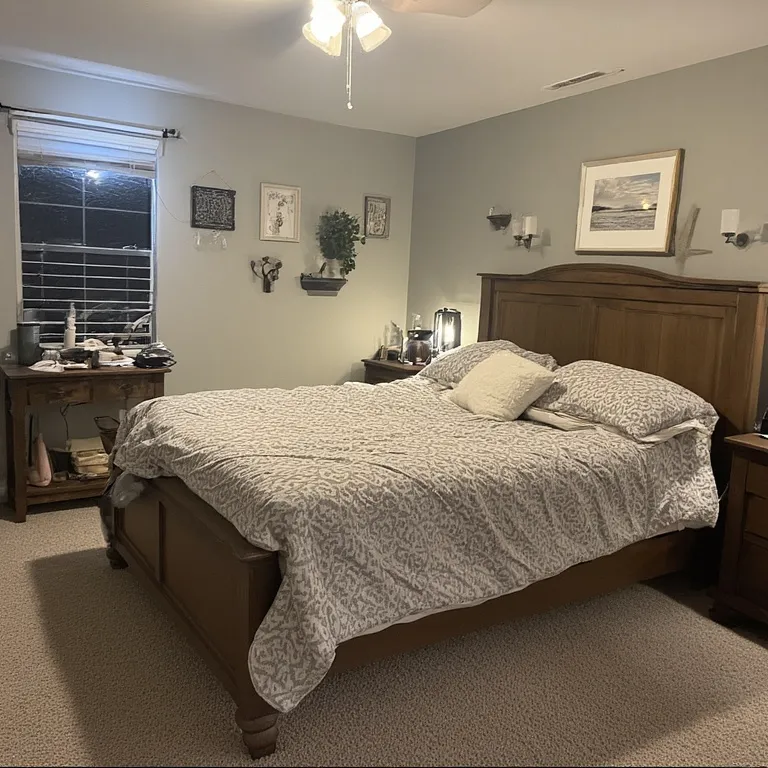
A tidy room feels larger and more peaceful. Clutter makes a room feel chaotic and colder, even if the temperature is fine. Keep surfaces clear, store away unused items, and choose furniture with built-in storage. Decluttering is like clearing snow from a path — once it’s cleared, movement and peace return easily. A neat room also shows off your warm design choices better.
Storage ideas that keep room cozy
Use baskets, under-bed boxes, and multi-use furniture to hide clutter. A bed with drawers or a storage bench at the foot of the bed keeps blankets and seasonal items handy but out of sight. Vertical shelves keep floors free and maintain a calm visual line. Smart storage preserves warmth and helps the room feel restful rather than messy.
Seasonal Plants for a Fresh Cozy Vibe
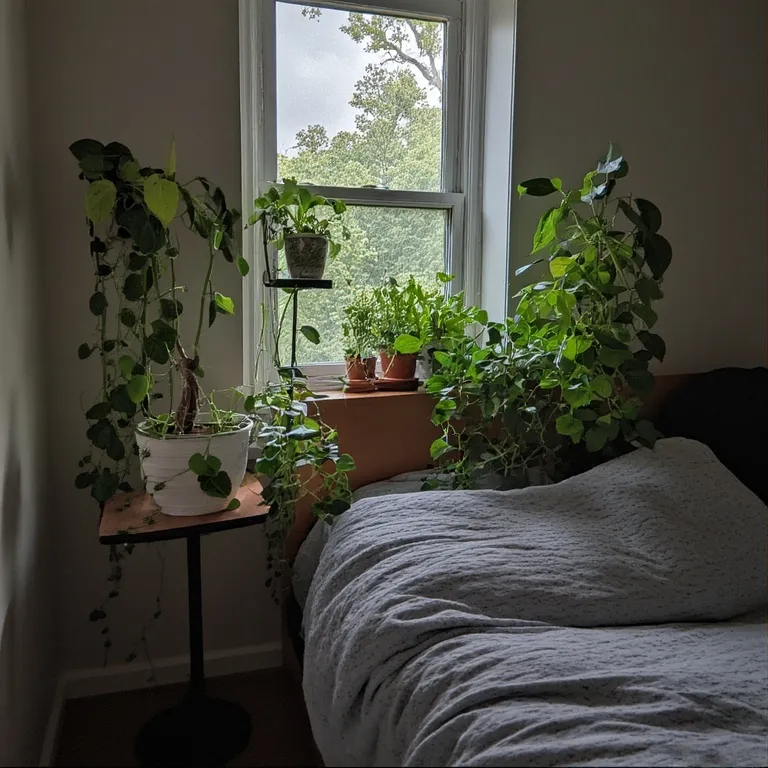
Plants bring life and fresh air to a bedroom. Even in winter, hardy plants like snake plant, pothos, or ZZ plant survive low light and add green warmth to the room. A small plant on the bedside table or a grouping on a shelf can make the space feel alive and softer. Plants are like appetizers for the eyes — small, pleasant, and mood-lifting.
Easy plants for low light winter rooms
Choose plants that tolerate low light and cooler indoor temperatures. Snake plants, pothos, and peace lilies are forgiving and easy to care for. Use pots that match your décor, and rotate plants near brighter windows when possible. Even one healthy plant improves the feeling of the room and connects you to nature during the long winter months.
Personal Touches and Cozy Rituals
Make the room yours with items that comfort you: a favorite blanket, a small stack of books, or framed photos. Create a bedtime ritual — a cup of chamomile, five minutes of reading, or a short breathing practice. Small rituals signal to your brain that it’s time to relax. Personal touches are the secret sauce that turns a pretty room into a true retreat.
Nighttime routines and comfort items
A simple nighttime routine helps you wind down. Turn on soft lights, set a warm playlist, and use a calming scent. Keep comfort items nearby — eye mask, slippers, or a hot water bottle. These predictable steps make sleep come easier and make your bedroom feel like a consistent place of rest, no matter how cold it is outside.
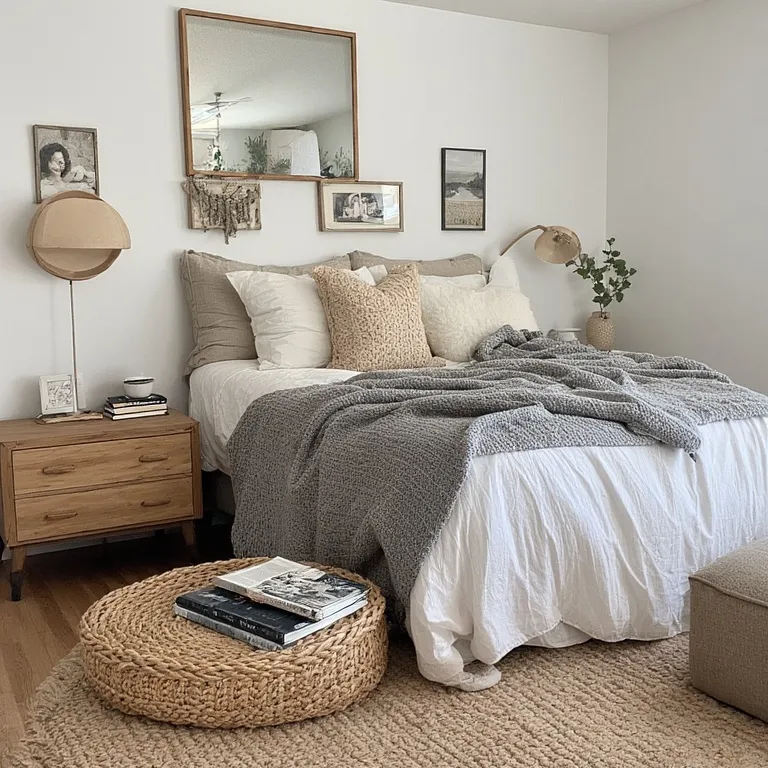
Conclusion: Pulling it all together for a warm winter escape
Creating a warm winter bedroom is about comfort, texture, and small rituals. Combine layered bedding, warm colors, soft lighting, and thoughtful accessories to build a space that feels like a cozy retreat. Add practical items like thermal curtains, rugs, and smart heating for real warmth. Personal touches and simple rituals make the room truly your own. Start small: one change each weekend — a new throw, a rug, or a lamp — and watch the room transform into a comforting winter escape you’ll love spending time in.
FAQs
Q1: What is the best temperature for sleeping in winter?
Most people sleep best between 16–19°C (60–67°F). Keep the room a bit cool and use warm bedding to stay comfortable. Adjust based on personal preference.
Q2: Are heated blankets safe to use every night?
Heated blankets can be safe if they have auto-shutoff and meet safety standards. Follow manufacturer instructions and avoid leaving older or damaged units on unattended for long periods.
Q3: Which rug material is best for winter bedrooms?
Wool rugs are top choice for warmth and durability. If wool isn’t an option, consider a thick synthetic rug or layered rugs to add warmth underfoot.
Q4: How can I make a small bedroom feel warm without cluttering it?
Use a warm color palette, a single soft rug, layered bedding, and a couple of textured throws. Choose multi-use furniture with hidden storage to keep clutter out of sight while keeping the look cozy.
Q5: Do plants help with bedroom warmth?
Plants don’t add heat, but they add life, soften the room visually, and improve mood. Choose low-light, low-maintenance plants for easy care in winter.