
Top 15 Living Room Layout Ideas That Improve Flow

The Living Room Layout is one of the most used spaces in any home. It is where people relax, talk, watch TV, and spend time together. Because of this, the way your living room is laid out really matters. Living room flow means how easily people can move through the space without feeling blocked or crowded. A good layout makes the room feel calm and welcoming. A bad layout can make even a big room feel tight and uncomfortable. The good news is that you do not need new furniture to improve flow. With smart layout ideas, you can make your living room feel open, balanced, and easy to use.
Why Living Room Flow Is Important
Living room flow affects how people feel and move in the space. When the layout is good, the room feels easy and natural. When it is bad, the room feels stressful and messy. Flow is not about style alone. It is about comfort and function.
How Flow Affects Comfort and Movement
Good flow allows people to walk through the room without bumping into furniture. It makes sitting, standing, and moving feel natural. When there is enough space between furniture pieces, the room feels relaxed. Poor flow, on the other hand, can make people feel stuck or annoyed. Comfort starts with movement.
The Link Between Layout and Daily Life
Your living room layout affects your daily habits. A good layout supports how you live. It makes cleaning easier, helps conversations flow, and improves relaxation. A smart layout works with your life, not against it.
Understanding Living Room Flow Basics
Before changing your layout, it helps to understand what good flow really means. Flow is about balance, spacing, and purpose.
What “Good Flow” Really Means
Good flow means clear walking paths, balanced furniture placement, and enough open space. It allows the room to breathe. People should be able to move easily from one area to another without feeling blocked.
Balance Between Furniture and Empty Space
Empty space is just as important as furniture. Too much furniture makes a room feel crowded. Too little can feel empty. Balance creates comfort and visual calm.
Layout Ideas for Better Living Room Flow
Now let’s explore the top living room layout ideas that improve flow. Each idea focuses on comfort, movement, and balance.
Open Pathway Living Room Layout
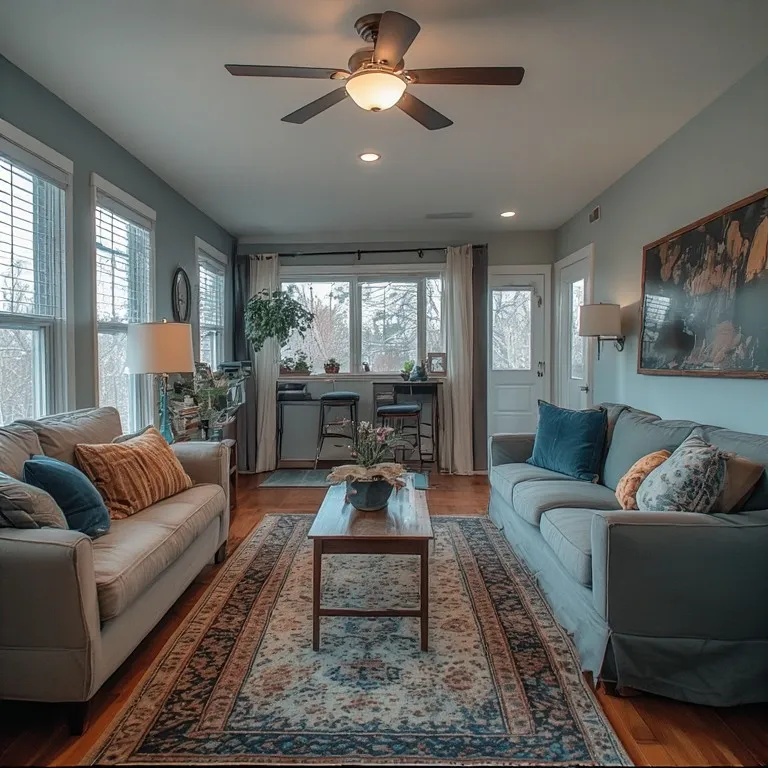
An open pathway layout keeps main walking areas clear. Furniture is placed away from doorways and natural paths. This layout makes movement smooth and easy. It is perfect for homes where people walk through the living room often.
Floating Furniture Layout
Floating furniture means placing sofas and chairs away from walls. This creates space behind furniture and improves movement. It also makes the room feel more open and modern.
How to Float Sofas and Chairs Correctly
Leave enough space around furniture so people can walk comfortably. Use rugs to anchor floating pieces. This keeps the layout stable and clean.
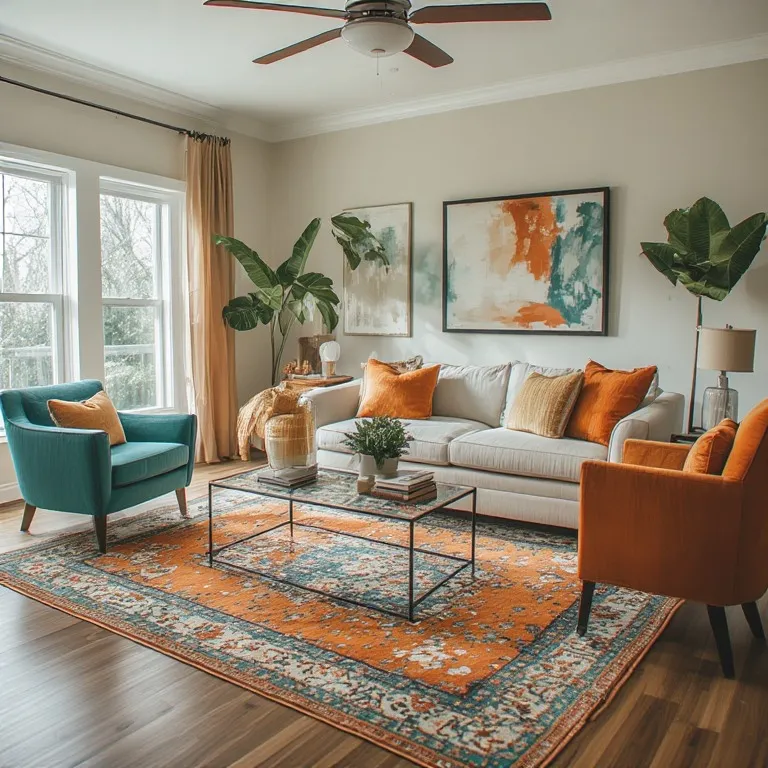
Symmetrical Living Room Layout
A symmetrical layout places furniture evenly on both sides of the room. This creates balance and order. It works well in formal living rooms and spaces with a central focus like a fireplace.
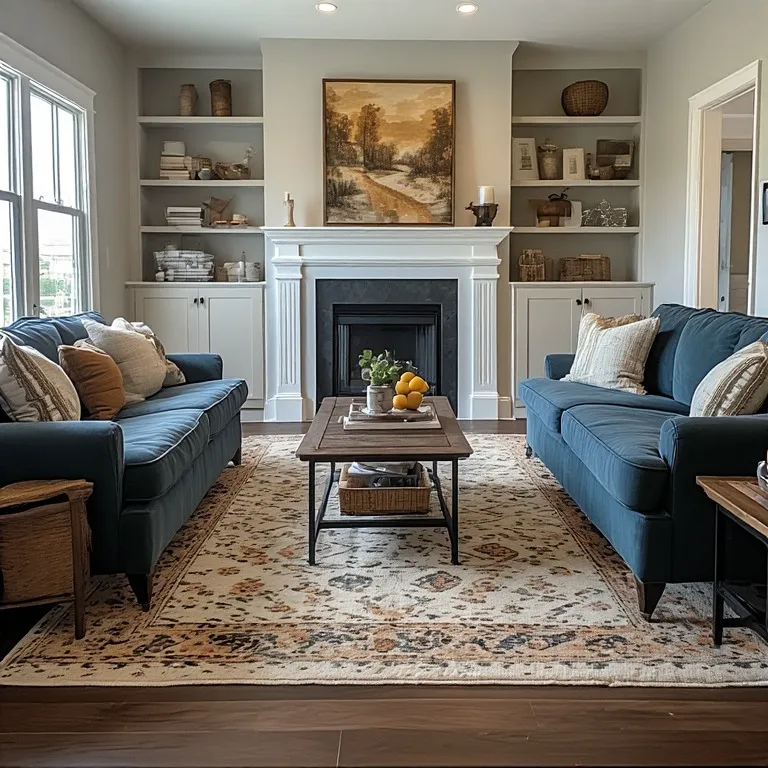
Asymmetrical Layout for Relaxed Flow
Asymmetrical layouts feel more casual and relaxed. Furniture is balanced by size and shape, not by matching. This layout improves flow by avoiding stiffness.
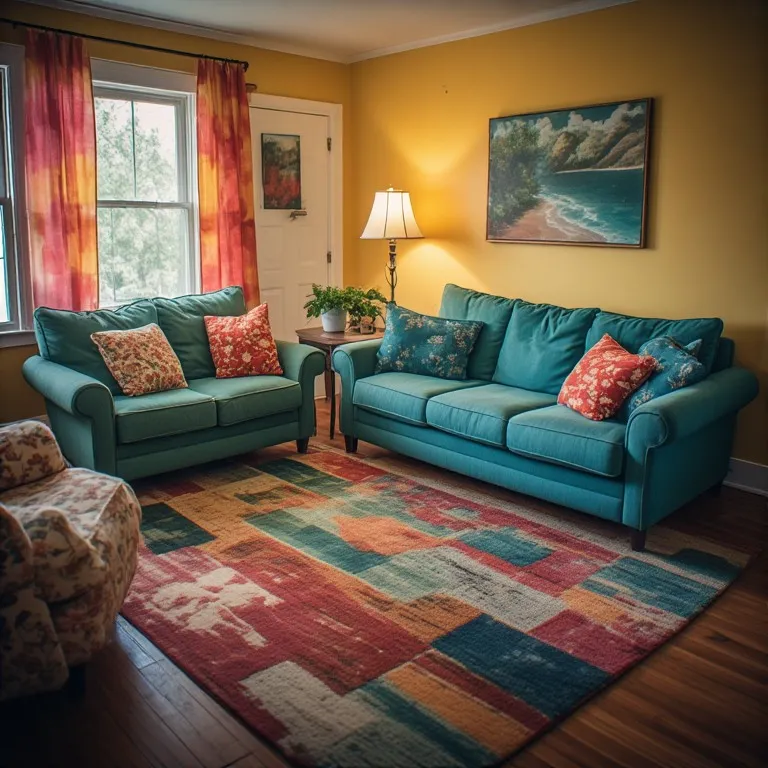
Conversation-Focused Furniture Layout
This layout places seating facing each other. It supports easy conversation and connection. Keep enough space between chairs and tables so movement stays smooth.
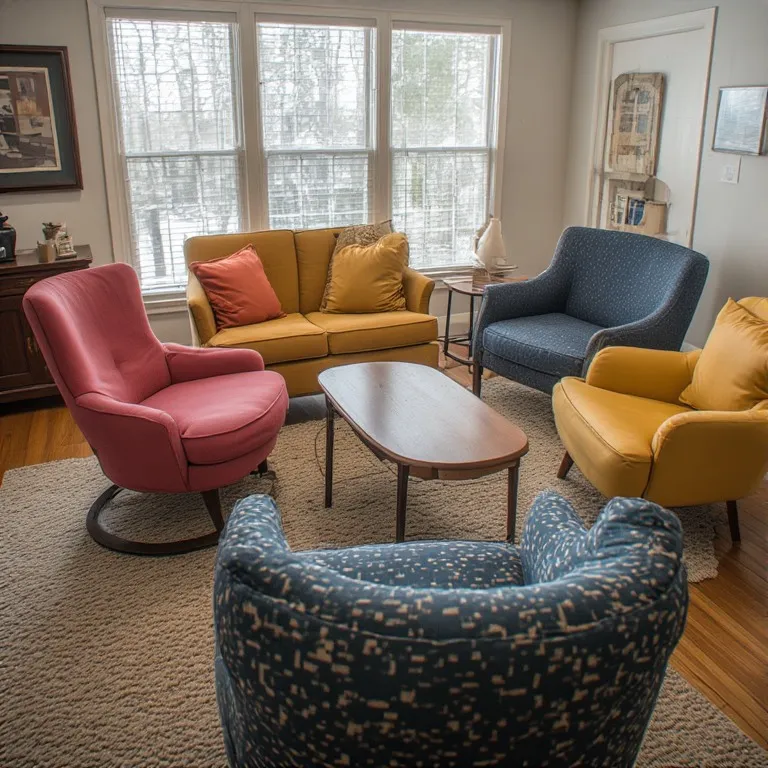
Minimal Furniture Layout
Less furniture means better flow. This layout focuses on only the items you truly need. It is perfect for small living rooms or people who like clean spaces.
Zoning Layout for Multi-Use Living Rooms
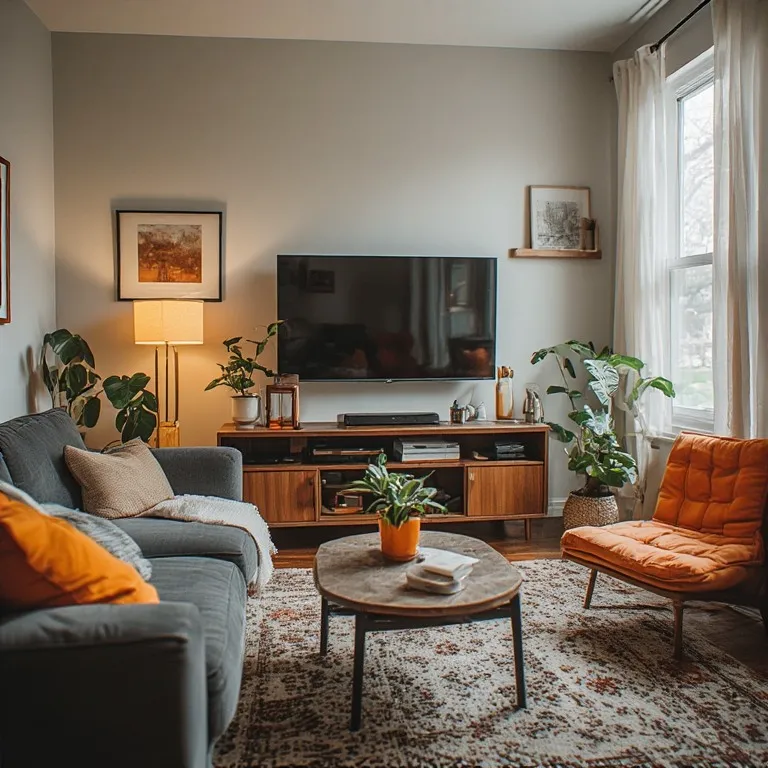
Zoning divides the living room into areas like seating, reading, or work. This improves flow by giving each area a purpose.
Using Rugs to Define Zones
Rugs help separate zones without walls. They guide movement and keep the layout organized.
TV-Centered Layout Without Blocking Flow
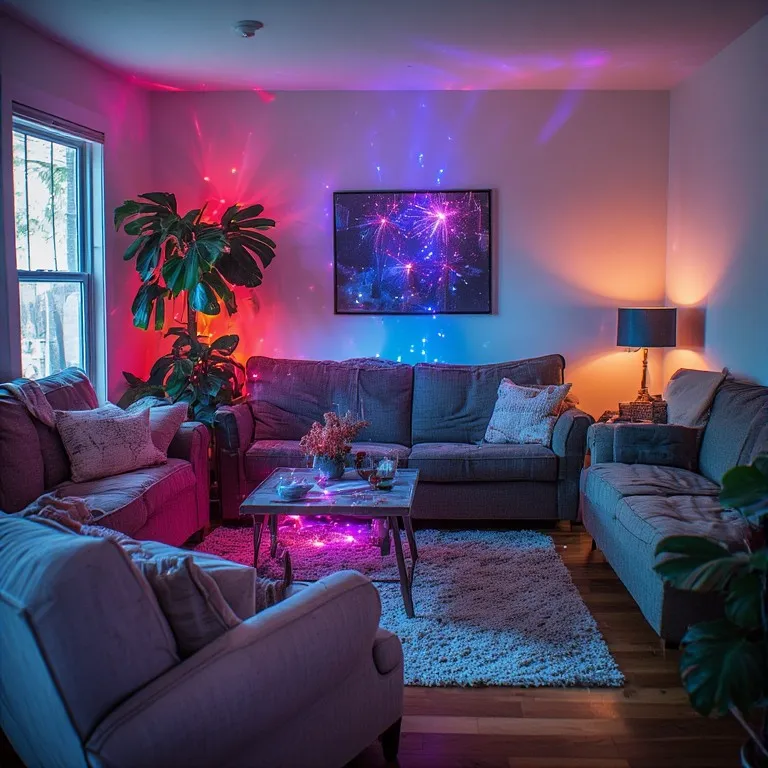
In this layout, seating faces the TV, but walking paths stay clear. The TV is placed where it does not interrupt movement. This keeps the room functional and open.
Corner-Based Furniture Arrangement
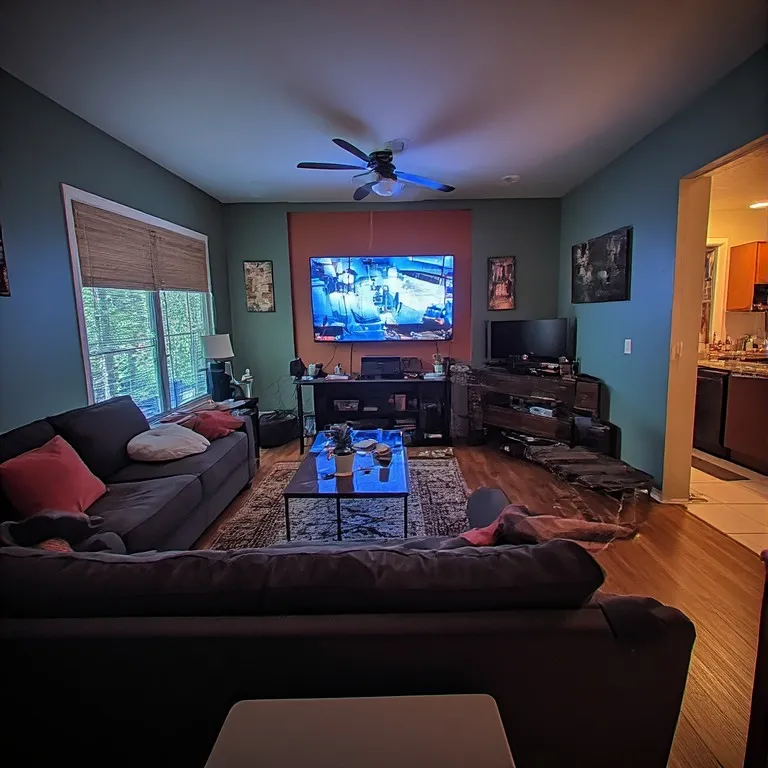
Using corners for sofas or chairs frees up central space. This improves flow and makes the room feel larger.
Window-Focused Living Room Layout
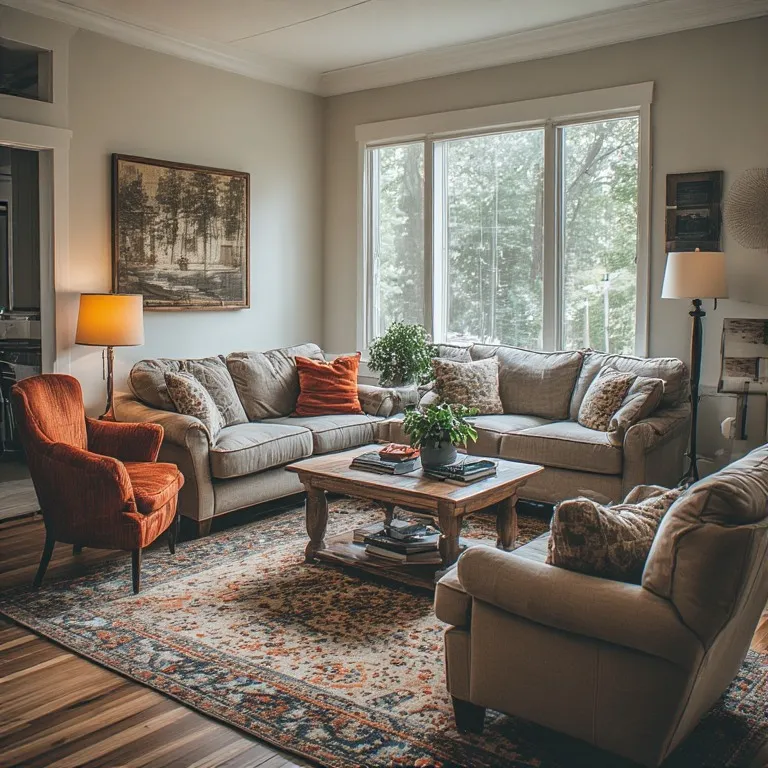
Arranging furniture to face windows brings in light and openness. Natural light improves mood and makes the room feel airy.
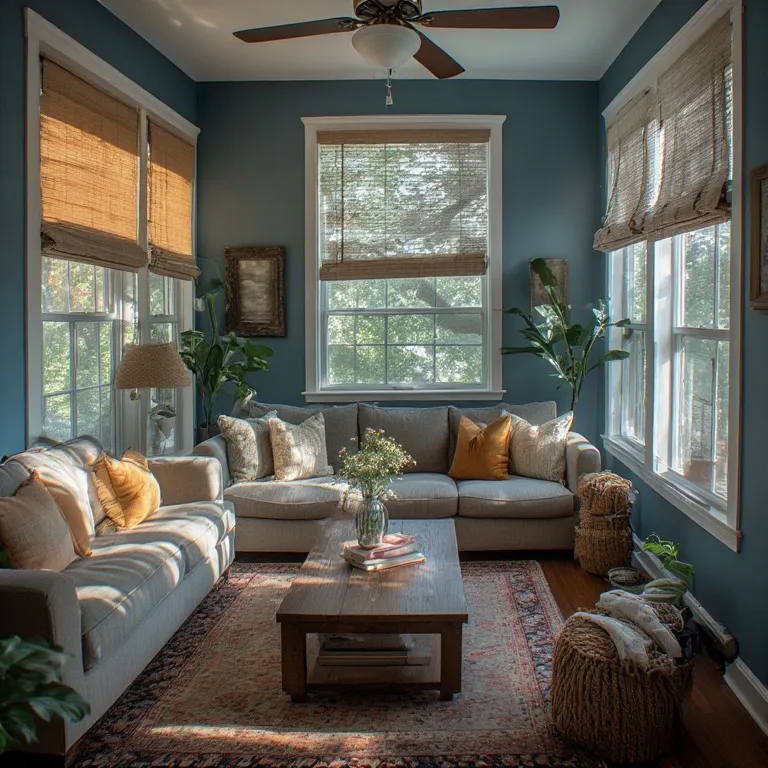
Traffic-Friendly Layout for Busy Homes
This layout is designed for homes with kids or guests. Wide paths and strong furniture placement improve safety and ease of movement.
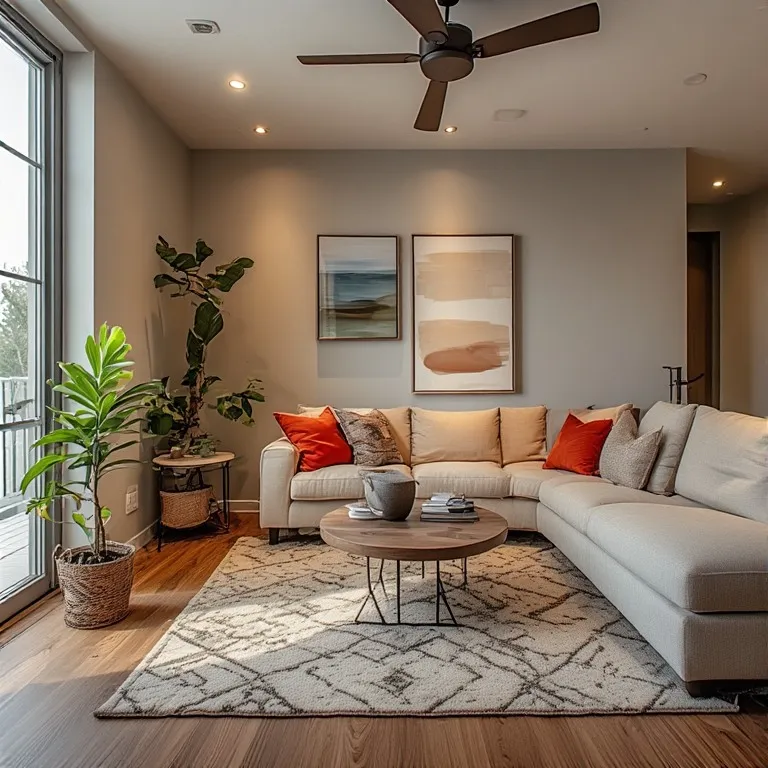
Small Living Room Layout That Feels Open
In small spaces, use slim furniture and keep paths clear. Light colors and simple layouts improve flow and make the room feel bigger.
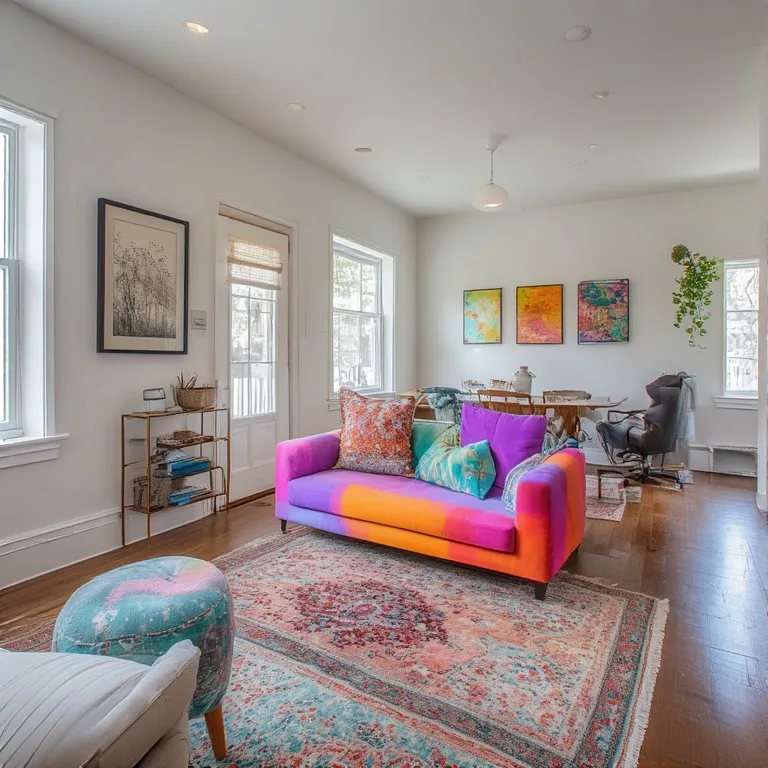
Large Living Room Layout That Feels Cozy
Large rooms need furniture grouping to avoid empty space. Grouping seating improves flow and makes the room feel warm.
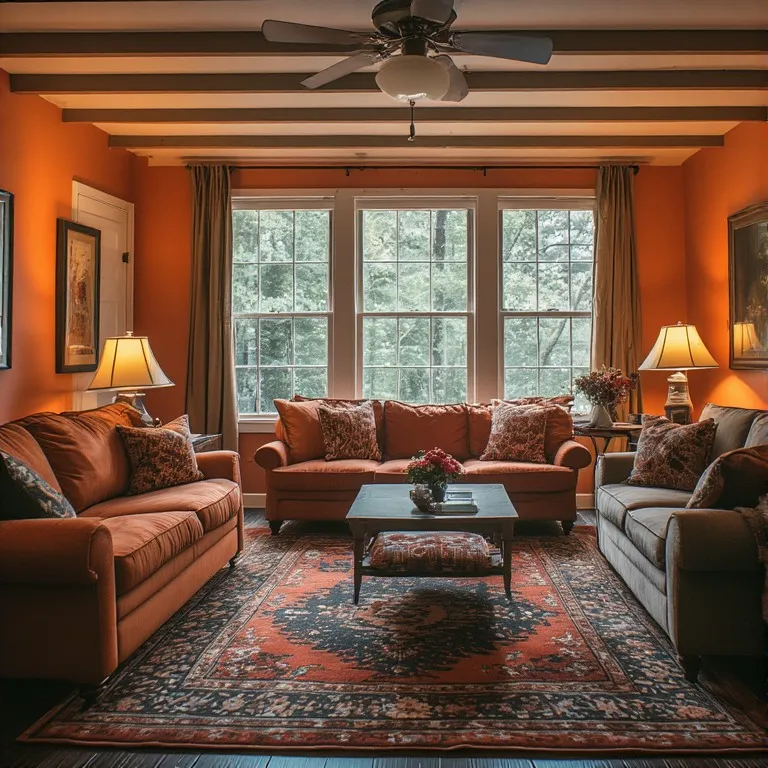
Flexible Layout with Moveable Furniture
Moveable furniture like ottomans and lightweight chairs allows easy layout changes. This improves flow and adapts to different needs.
Common Living Room Layout Mistakes That Hurt Flow
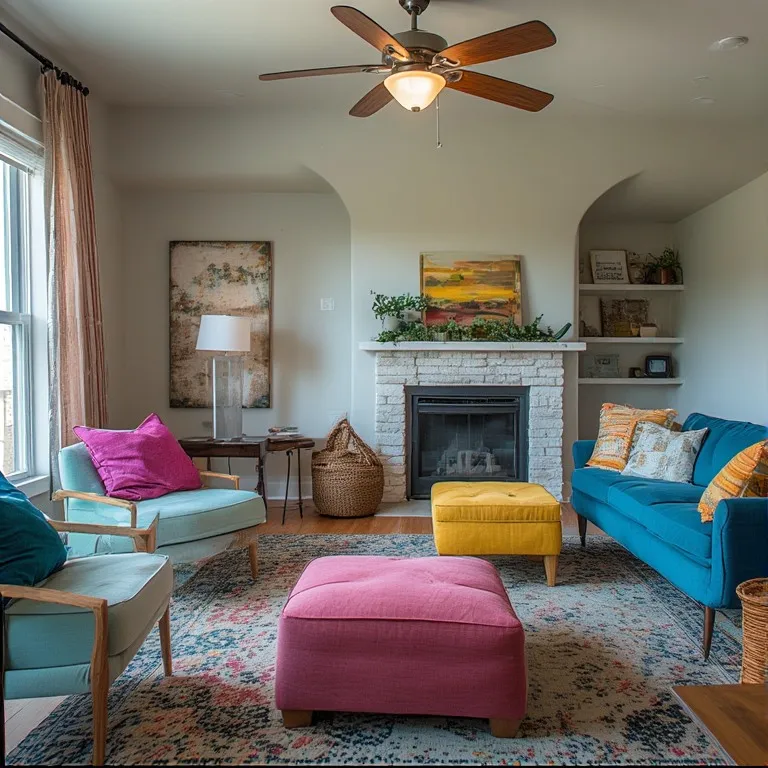
Blocking doorways, pushing all furniture against walls, and overcrowding are common mistakes. Ignoring walking paths also hurts flow. Always think about movement first.
Conclusion
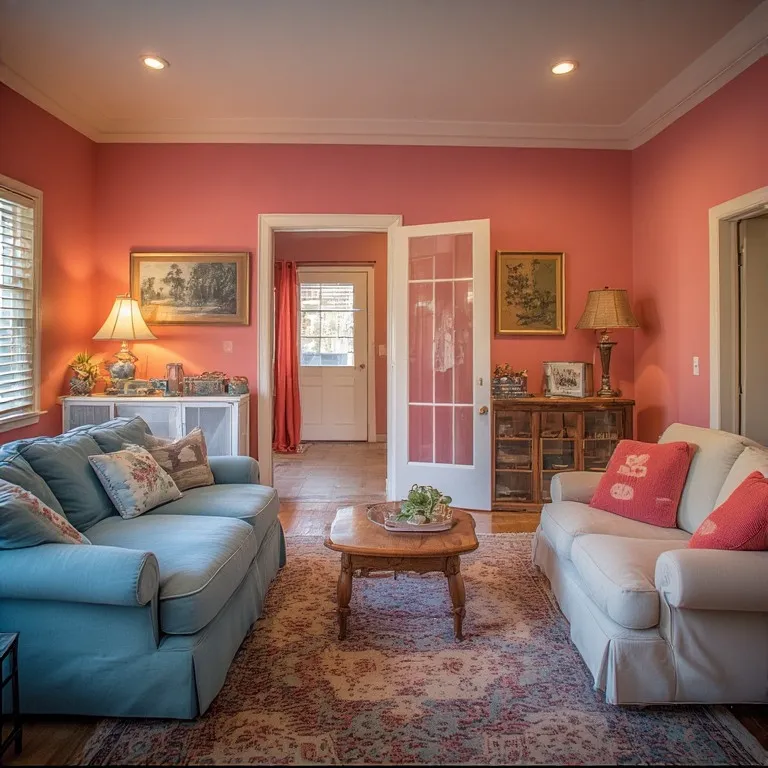
A good living room layout improves flow, comfort, and daily life. You do not need expensive furniture or big changes. Small layout adjustments can make a big difference. When your living room flows well, everything feels easier. People move freely, relax more, and enjoy the space. A well-planned layout turns your living room into a place that truly works for you and your home.
FAQs
1. How do I know if my living room has good flow?
If people can move easily without obstacles, the flow is good.
2. What is the best layout for a small living room?
Minimal furniture and clear walking paths work best.
3. Should furniture touch the walls?
Not always. Floating furniture often improves flow.
4. How much space should be left for walking paths?
At least 30 to 36 inches for comfortable movement.
5. Can rugs really improve living room flow?
Yes, rugs guide movement and define space clearly.