
“Designing an 15 Open Plan Living Room That Flows Beautifully”

Open plan living rooms are great because they feel big and let people move and talk freely. But without a clear plan, they can feel messy and confusing. Flow means the room feels natural — you can walk through it, sit down, cook, eat, and relax without bumping into furniture or feeling trapped. Good flow makes the space look calm and welcoming. Think of flow like the rhythm of a song: when notes follow well, everything feels right. In this guide, we will look at 15 key ideas to design an open plan living room that flows beautifully. Each idea is simple, clear, and full of easy tips you can use right away.
Check Also : Top 15 Trending Living Room Colors for 2025
Principle 1: Plan the zones first
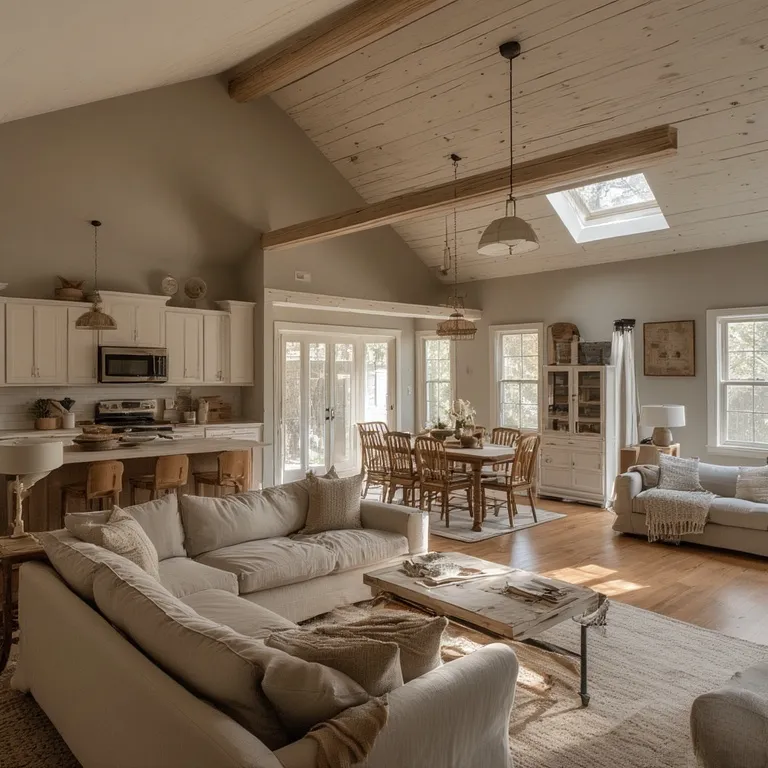
Start by deciding what the space must do. Open plan rooms usually combine living, dining, and sometimes kitchen areas. Planning zones first helps you place big pieces like sofas and tables in the right spots so each zone works well. Sketch a quick floor plan or move furniture around to test different layouts. When you plan zones, you avoid fights over space later and make sure every area has its purpose. A thoughtful plan is the backbone of a flowing room — it keeps life running smoothly and helps guests feel at home.
Living zone: seating and comfort
The living zone is where people relax and socialize. Pick a sofa and chairs that fit the space without blocking paths. Aim for a cozy setup with a coffee table and side tables within easy reach. The layout should encourage conversation — chairs facing each other or slightly angled toward the sofa work well. Add soft cushions and throws so it looks and feels inviting. Think about TV placement too; if you have one, make sure it sits comfortably within sightlines, but not as the room’s only focus.
Dining zone: placement and function
The dining area should be near the kitchen if possible, for easy serving and clearing. Choose a table size that fits the room and your family’s needs — small foldable tables can expand for guests. Keep chairs easy to move and store; benches tuck away under the table and save space. Position the dining set so it doesn’t block main walkways. Lighting above the table gives the zone its own mood and signals that this is the eating area.
Transition zone: natural traffic paths
Between living and dining, create a transition zone where people pass through without disturbing conversations or meal prep. Leave at least 80–90 cm (about 2.5–3 feet) of clear space for paths, more where traffic is heavy. Use a narrow console, a low shelf, or just open floor as the transition so people can move freely. Consider sightlines — you want to be able to see across the room but still feel each zone is distinct. This zone is a quiet connector, not another seating area.
Principle 2: Use consistent color and materials
A consistent color palette and repeated materials create visual unity. When colors and textures repeat across zones, the room feels intentional and calm. Choose a small palette — a main neutral, a mid-tone, and one accent color — and use these across walls, furniture, and textiles. Materials like wood, metal, and stone, repeated in small ways, tie the spaces without being boring. Consistency is like a thread that stitches the room together.
Choosing a main palette
Start with a neutral base: soft white, warm beige, or light gray. Add a mid-tone like soft blue, sage, or warm taupe for furniture or larger pieces. Choose one accent — mustard, forest green, or deep navy — to use in cushions, art, or one furniture piece. Keep tones warm or cool across the room to avoid clashes. Test swatches in daylight and evening light to see how they change. A simple, limited palette makes the room feel larger and more restful.
Repeat materials to tie spaces
Use the same wood tone for shelving, coffee table, and dining table to link areas. Repeat metal finishes — black, brass, or chrome — across lighting, handles, and decor. Rugs or woven textures in multiple zones repeat an earthy feel. These repeats don’t have to be identical; they should echo each other to create balance. Think of repeating materials like a chorus in a song — familiar, comforting, and unifying.
Principle 3: Anchor spaces with rugs and furniture
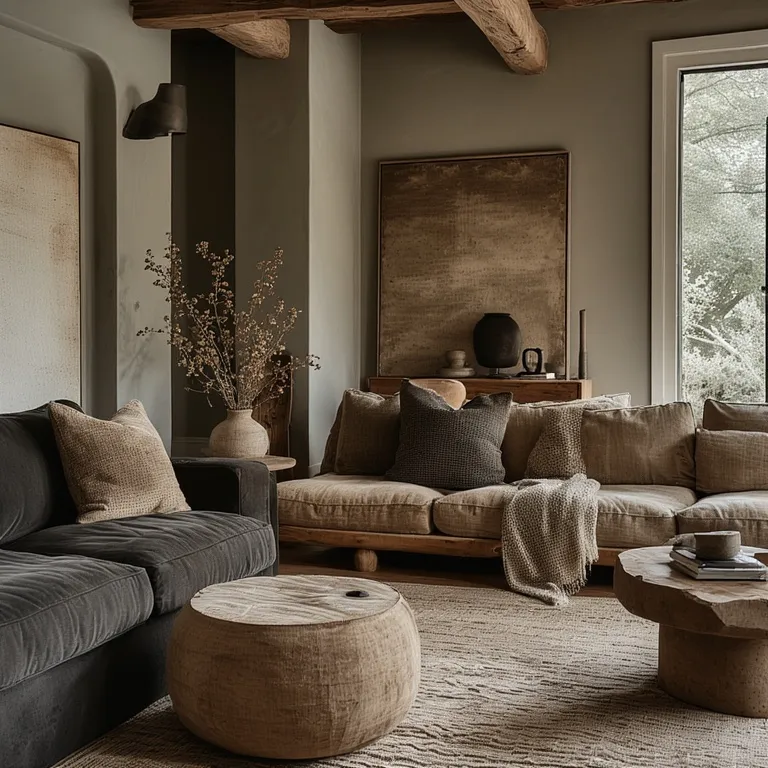
Rugs and furniture anchor a zone visually and functionally. A rug defines where the living area ends and the dining area begins. Furniture groupings create pockets of use and keep the room readable. Anchoring prevents the room from feeling like a single, undefined slab and makes each zone feel intentional.
Rug sizing and placement
Choose rugs that fit your furniture size. For the living area, at least the front legs of the sofa should sit on the rug. This visually ties seating to the rug. In a dining zone, aim for a rug that allows chairs to pull out without falling off the edge. Leave a border of floor around the rug for scale — this helps the room breathe. Rugs also add comfort and sound dampening, making the space feel warmer and more intimate.
Furniture grouping tips
Group furniture to encourage conversation. Place sofas and chairs in a loose circle or L-shape to make talking easy. Keep coffee tables within arm’s reach of seating. Avoid pushing everything against walls; floating furniture creates intimate zones and better flow. Use side tables to give each seat a place for drinks or books. A well-grouped set feels like a small room inside a big room — cozy and complete.
Principle 4: Smart furniture selection
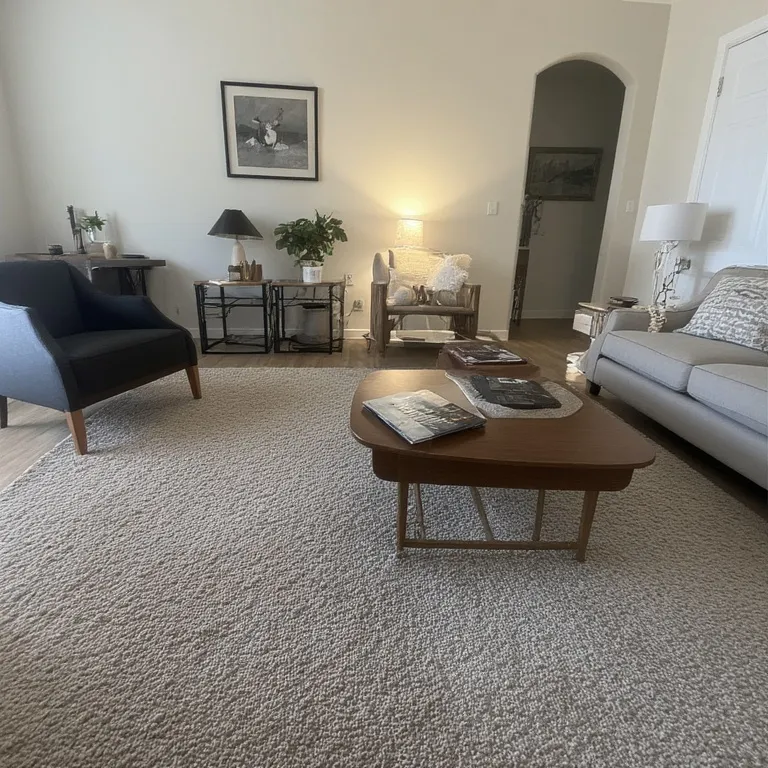
Pick furniture that fits your life and the room. In an open plan, choose pieces that are comfortable, scaled to the space, and serve more than one purpose if possible. Smart choices keep the room functional and uncluttered. Don’t overbuy; fewer, better-chosen pieces help flow and breathability.
Multi-use pieces
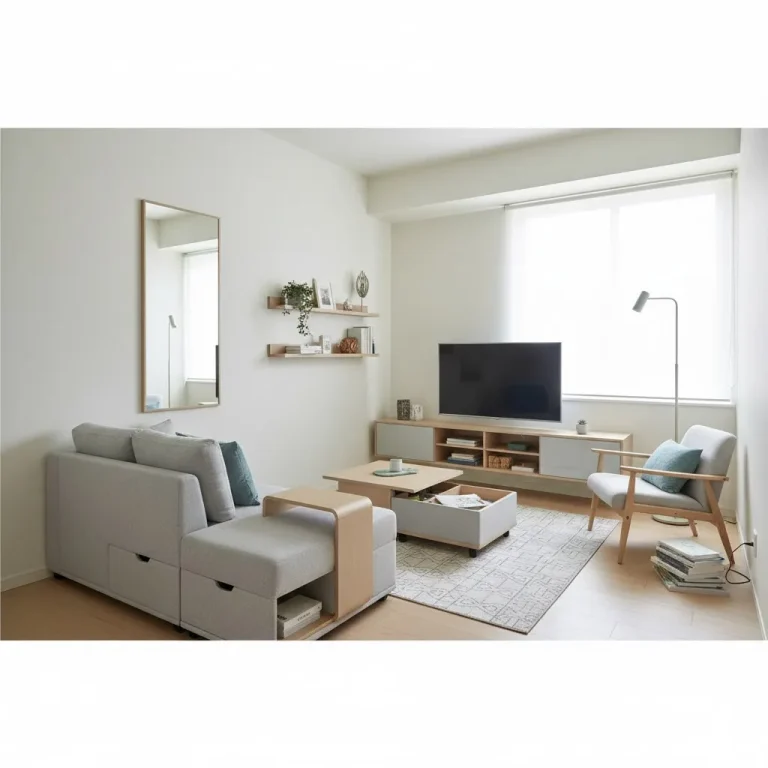
Opt for storage ottomans, benches with hidden boxes, or coffee tables with shelves. A sofa bed or a convertible daybed helps when guests stay over. Use a dining bench that doubles as extra seating for the living area. Multi-use items are small wins — they save space and keep surfaces clear. They make the room flexible without adding clutter.
Scale and proportion
Large furniture in a small space will choke flow; tiny furniture in a big room will look lost. Measure before buying. Low-profile sofas keep sightlines open, and narrow armchairs fit tight corners. Keep balance — a heavy sofa paired with a light metal-framed chair can look intentional. The right scale makes the room feel comfortable and easy to move through.
Principle 5: Create sightline harmony
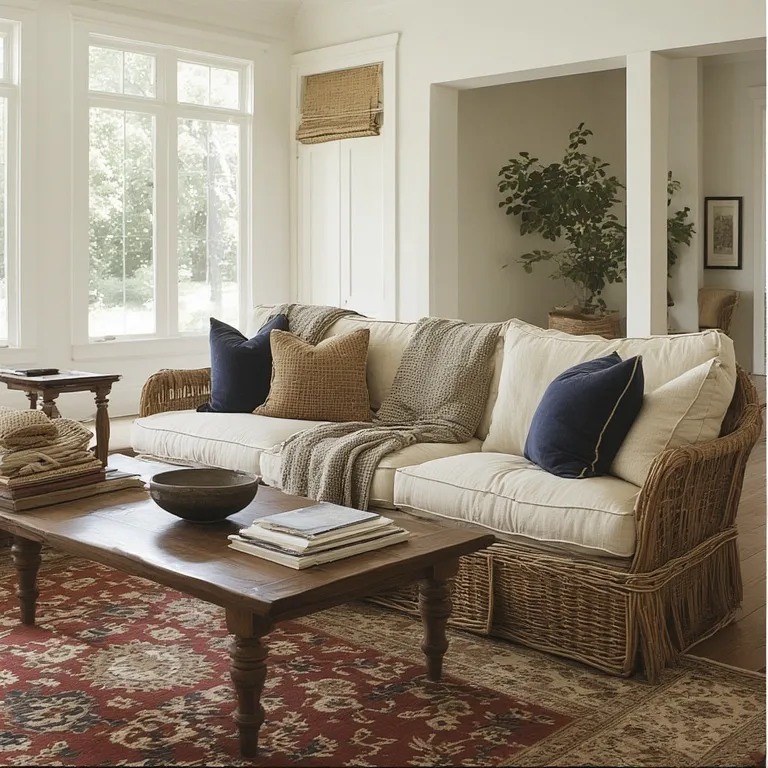
Sightlines are what you see when you stand in a room. A pleasing sightline leads the eye calmly from one zone to another. Avoid sharp visual interruptions like bright colors or tall clutter in the middle of the room. Instead, use low furniture and coordinated color to keep the view smooth. Good sightlines make the room feel bigger and more peaceful.
Keep clutter out of view
Use cabinets and baskets to hide toys, chargers, and daily mess. Keep counters and table tops mostly clear. When things are stored away, the eye rests and the room feels peaceful. A tidy surface is a fast way to improve the perceived flow of the room. Clutter breaks the thread of design and makes the room feel chaotic.
Low-profile storage solutions
Low credenzas and console tables provide storage without blocking sightlines. Built-in seating with drawers keeps items out of sight. Choose open shelving with neat baskets rather than exposed piles. These low-profile choices keep storage functional and the room visually open. You get practicality without sacrificing the airy feel.
Principle 6: Lighting layers that connect
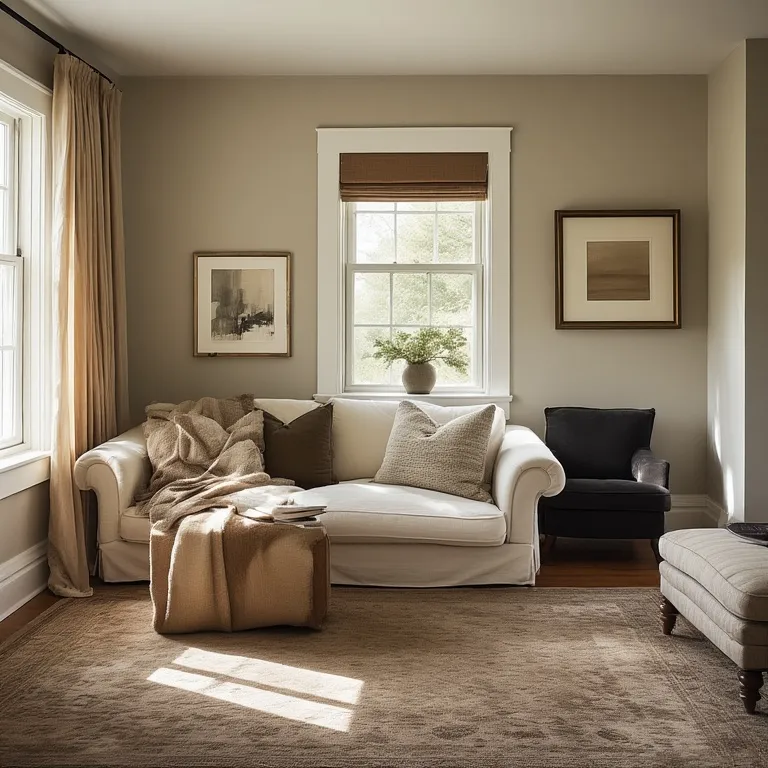
Lighting sets mood and connects zones. Use layers: ambient lighting for general brightness, task lighting for work, and accent lighting for mood. Good lighting makes zones feel purposeful and comfortable. Aim for warm light (2700K–3000K) for a cozy feel, and use dimmers where possible to change the mood quickly.
Ambient, task, and accent lights
Ambient lights are ceiling fixtures or recessed lights that light the whole space. Task lights include reading lamps, under-cabinet strips, or pendant lights over a table. Accent lights highlight art or plants. Combine them so each zone has its own light mix. Layered lighting helps different activities — cooking, eating, reading — feel right without one harsh overhead light ruining the mood.
Matching fixtures across zones
Choose fixtures that echo each other in shape or finish across zones to create a cohesive look. A set of pendant lights over the dining table that match the metal of your floor lamp ties areas together. Matching finishes act like a visual link, keeping the open plan unified and polished. Consistent fixture styling helps the eye travel comfortably through the room.
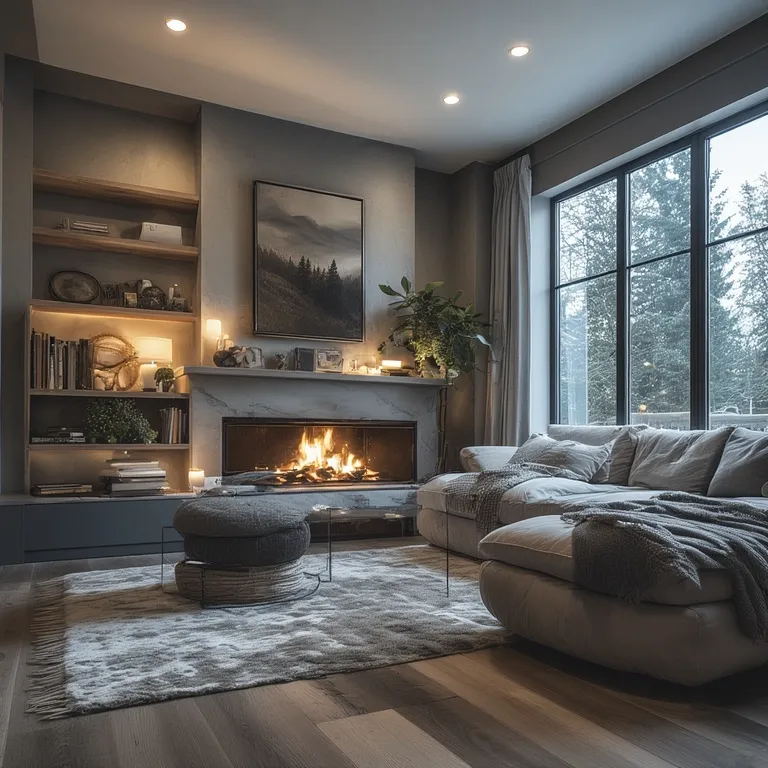
Principle 7: Use rugs, screens, and shelving as subtle dividers
You don’t need walls to define areas. Use rugs, open shelving, and screens to mark zones while keeping flow. These dividers give privacy and function without blocking light or sightlines. They act like soft fences that guide movement and make the room feel layered and full of purpose.
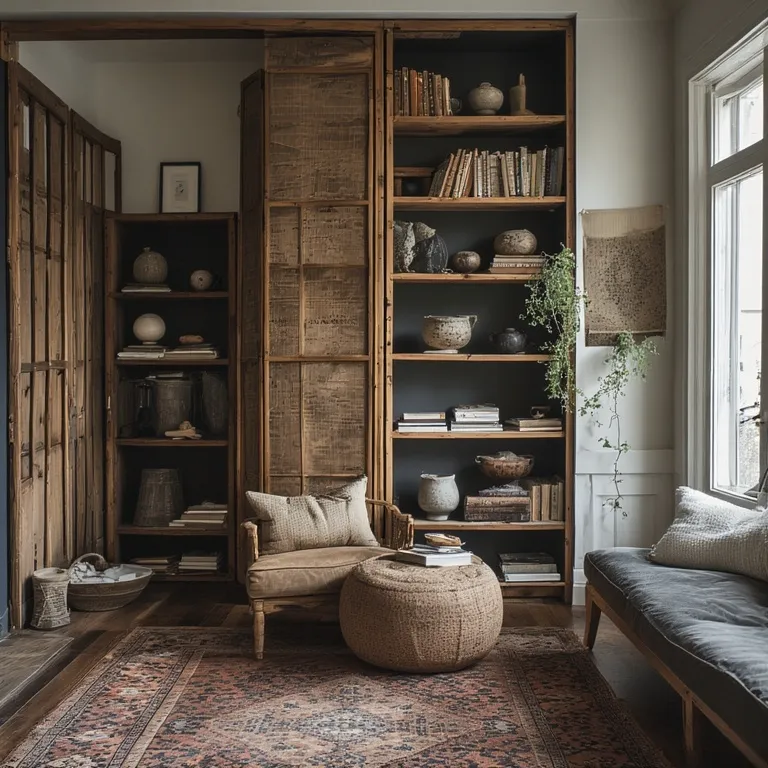
Open shelving as a divider
Open shelving creates a semi-transparent division that holds books, plants, and baskets. It gives separation while still letting light and sight pass through. Style the shelves with balance — heavier objects near the bottom, lighter items above. Open shelves are practical and decorative, and they make an airy room feel structured without closing it off.
Decorative screens and planters
A lightweight screen or a row of large planters can mark a boundary between seating and dining. They’re easy to move if you want to change the layout. Plants add softness and life while screens add texture and height. Both options create a sense of distinct places while keeping the room open and breathable.
Principle 8: Flooring continuity and accents
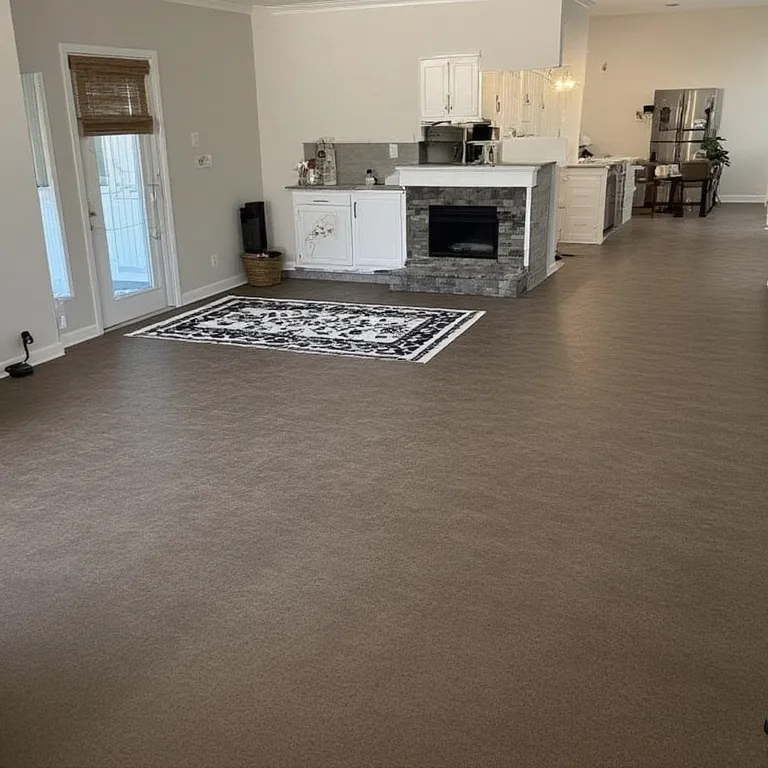
Continuous flooring visually links zones and helps flow. Using the same floor through the open plan makes the space feel larger and unified. If you want to add interest, use inlays or rugs rather than changing floor types mid-room. Flooring choices set the tone — warm wood feels cozy, tiles feel crisp, and polished concrete feels modern.
When to use the same floor
Keeping the same floor is a safe, easy choice that enhances flow. It removes visual breaks and makes the room feel like one big, cohesive space. If you change flooring at a doorway, it can feel like two different rooms. Use the same flooring in living and dining to keep continuity, especially in smaller homes.
Inlays and transitions for interest
To add interest without breaking flow, use a small inlay of tile near the kitchen or a patterned border around a rug area. These accents add character while the main floor stays consistent. Transition strips with a neat finish make changes between materials feel intentional rather than accidental.
Principle 9: Sound and comfort — soft finishes
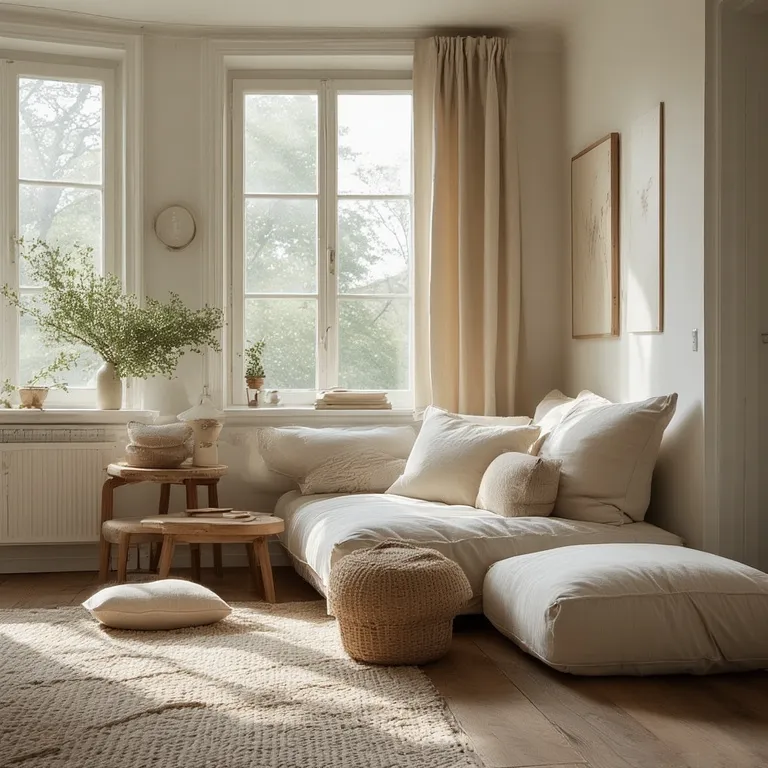
Open plan rooms can echo. Use soft materials to absorb sound — curtains, cushions, rugs, and upholstered furniture. These items make the room feel warmer and softer to the ear. Acoustic comfort is as important as visual comfort; when a room sounds calm, it feels more relaxing.
Curtains, cushions, and wall textiles
Heavy curtains dampen outside noise and make the room feel cozy. Layer curtains with sheers for light control and softness. Cushions and throws add layers that soak up sound and add color. Wall textiles like tapestries or fabric panels bring warmth and reduce echo. These soft finishes are easy swaps that make a big difference in how the room feels.
Acoustic panels and rugs
If noise is a big issue, acoustic panels hidden as art are a great solution. Rugs, especially with a thick pad beneath, reduce footsteps and make conversation easier. Acoustic panels come in many colors and shapes and can be integrated into your design. Together, these help the space feel calm, even when many people are using it at once.
Principle 10: Greenery and life
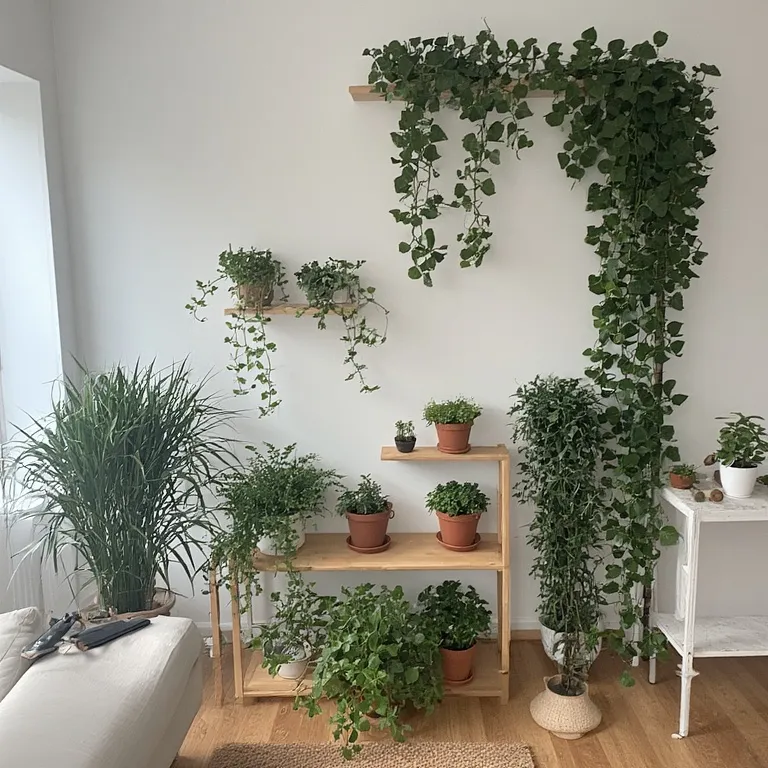
Plants breathe life into an open plan space. Large plants anchor corners and add height, while small plants bring rhythm across shelves and tables. Greenery softens straight lines and adds color and air quality benefits. Plants make a room feel cared for and lived in, which improves flow by making spaces feel inviting.
Large plants to anchor corners
Big, leafy plants like fiddle leaf figs or rubber plants work well in empty corners to fill vertical space. They create a natural “wall” and draw the eye up, balancing furniture low to the ground. Anchor a reading nook or dining corner with a large plant to make that area feel intentional and cozy. Make sure to pick plants that suit your light level and care routine.
Small plants to add rhythm
Small pots on shelves, side tables, or windowsills repeat color and texture, giving a visual cadence through the room. Use matching pots or varied pots in a single color family for a collected look. Herbs on the kitchen windowsill are pretty and useful. These small green touches make each zone feel alive and connected.
Principle 11: Personal style without overload
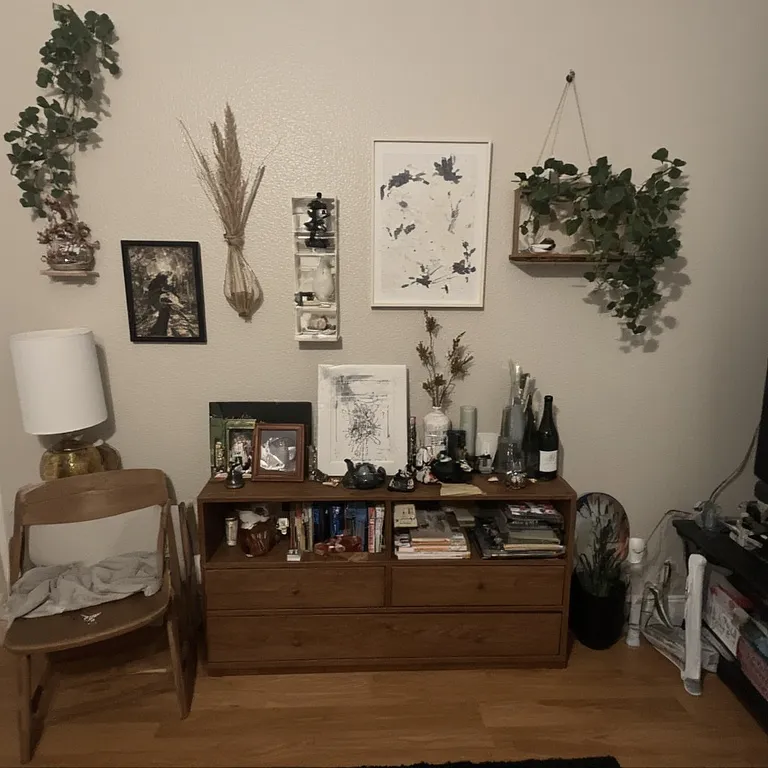
Decorate with items you love, but avoid crowding surfaces. A few well-chosen objects make impact; too many create noise. Curate items by theme, color, or material to keep the look coherent. Your room should feel personal and stylish, not like a storage unit for everything you own.
Curating meaningful objects
Choose a small number of special pieces — vases, books, or travel finds — and display them thoughtfully. Rotate items seasonally so the space feels fresh. Group objects in odd numbers (three or five) for a pleasing look. Each object should earn its place by having meaning or beauty. The idea is to tell your story in a calm, clear way.
Gallery wall tips for open plan
A gallery wall can anchor a dining or living area. Keep frames consistent or use a repeat color to tie the collection together. Hang at eye level and balance large and small pieces. A gallery wall becomes a focal point that brings personality without cluttering surfaces. In an open plan room, it helps define a zone and gives viewers a place to rest their eyes.
Principle 12: Traffic flow and comfort distances
Design around how people move. Keep main paths clear and allow space around furniture for easy passing. Make sure seating distances support conversation and viewing TV without strain. Thoughtful spacing prevents the room from feeling cramped and ensures comfort for daily life.
Clear walking paths
Aim for at least 80–90 cm (2.5–3 feet) for main walkways and a bit less in secondary paths. Keep doors and appliance openings in mind. Place furniture so people can move naturally from kitchen to dining to living without detours. Good flow here saves time and stress in everyday routines.
Seating distances for conversation
Seats that are too far apart make talking hard; too close and they feel cramped. A 1–1.5 meter (3–5 feet) distance between sofa and chairs is usually comfortable. Angling chairs slightly toward each other helps conversation even when space is limited. These small measures make socializing easy and natural in an open plan room.
Principle 13: Practical storage that hides chaos
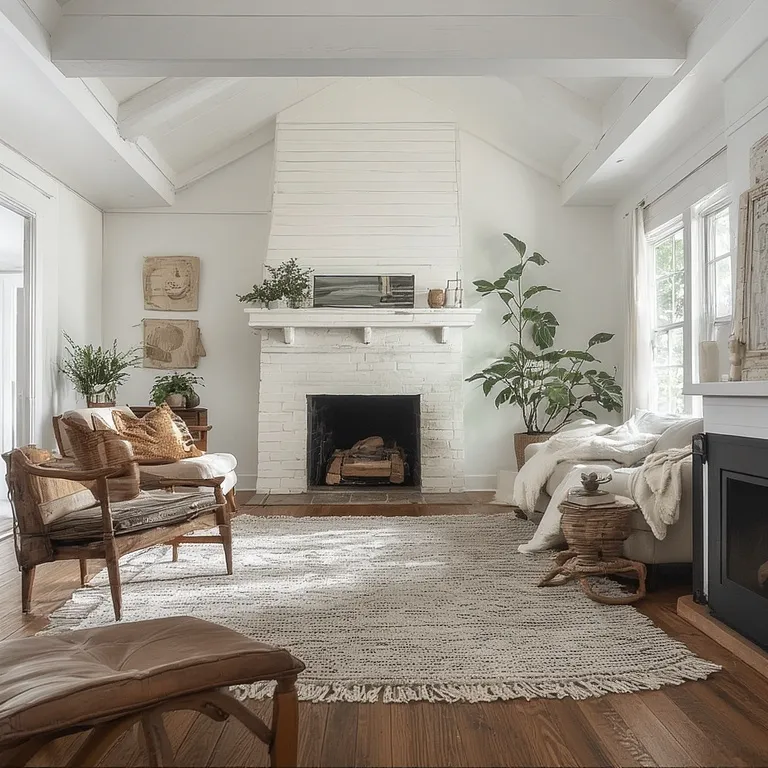
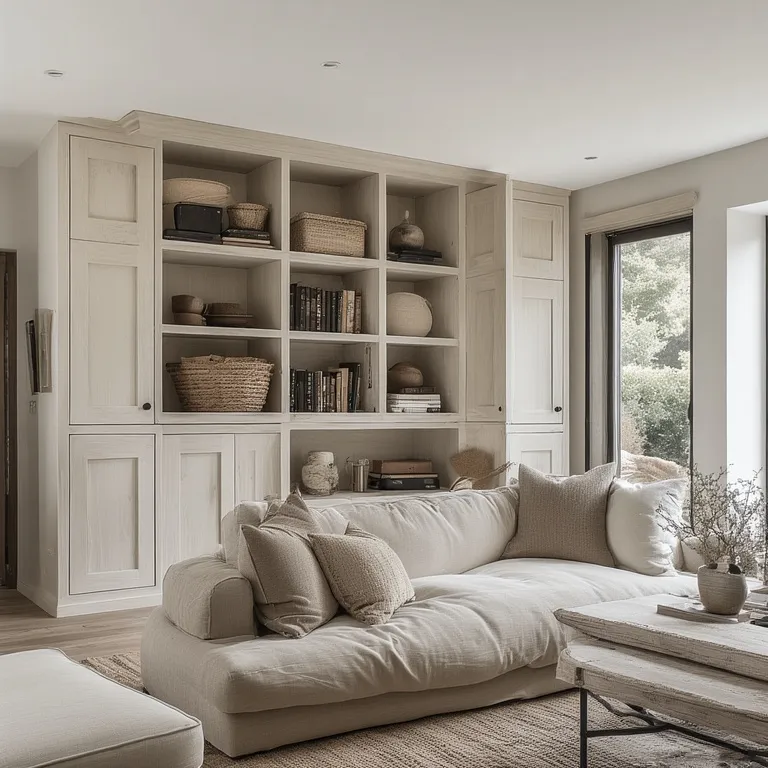
Storage is the secret to a calm open plan room. Built-ins, cabinets, and clever hidden spots keep mess out of sight and maintain flow. When things have a place, the room stays neat and welcoming. Smart storage is as important as style — it keeps the beauty practical.
Built-ins vs freestanding
Built-ins give a seamless, custom look and are great for integrated storage. Freestanding units are cheaper and easier to move. Choose built-ins if you want a polished, long-term solution; choose freestanding if you want flexibility or rent. Both can look stylish when coordinated with the room’s color and materials.
Hidden storage ideas
Use storage ottomans, bench seats with lids, and coffee tables with drawers. Staircase drawers or under-sofa boxes hide seasonal items. Floating shelves with baskets keep clutter out of sight. Hidden storage keeps everyday items handy but not on display, preserving the calm and flow of the room.
Principle 14: Flexible layout for changing needs
Design for change. Life shifts — kids grow, guests arrive, and needs change. Flexible furniture and layouts let the room adapt without a full redesign. Choose pieces that are easy to move and set up multiple layouts you can switch between. Flexibility keeps the room useful and fresh.
Moveable islands and lightweight furniture
A small kitchen island on wheels or lightweight side tables can be pulled where needed and tucked away when not. Stackable chairs give extra seats for guests and hide when not in use. Lightweight furniture invites change and makes cleaning and rearranging simple. Flexibility equals longevity for your design.
Seasonal layout changes
Swap rugs, cushions, and plants with the seasons. In summer, push furniture for more open flow; in winter, create cozier groupings. Seasonal changes keep the room feeling new and let you test different layouts without much cost. A living room that adapts is one you’ll use happily for years.
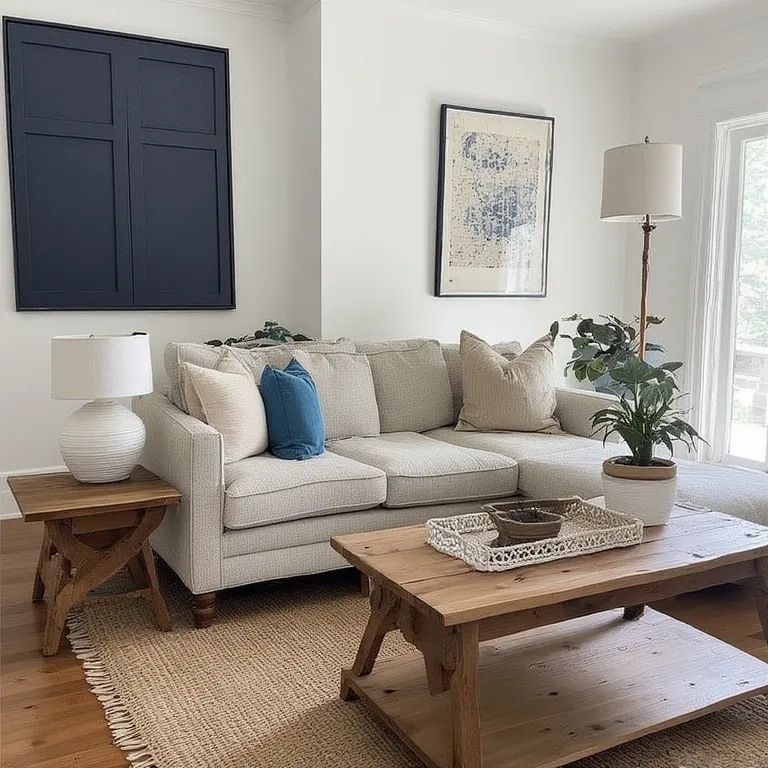
Principle 15: Final styling and maintenance plan
A flowing open plan living room needs ongoing care. Simple daily habits — a 10-minute tidy, putting items back in their home, and rotating decor — keep the space feeling fresh. Make a maintenance plan for deeper cleaning and seasonal tweaks so the room stays beautiful and functional. A small plan keeps a big room working well.
Easy daily habits for a flowing room
Put away dishes and toys each day, fluff cushions, and wipe surfaces. Empty one basket or shelf a day to avoid build-up. A quick tidy before bed makes mornings nicer and keeps the room welcoming. These habits are tiny but powerful — they protect your investment and preserve the calm.
Quick refresh ideas for guests
Before guests arrive, swap a new throw on the sofa, add fresh flowers or a plant, and clear counters. Dim the lights and add a scented candle or diffuser for a cozy touch. These quick steps make the room feel special without big effort and show off your flowing layout.
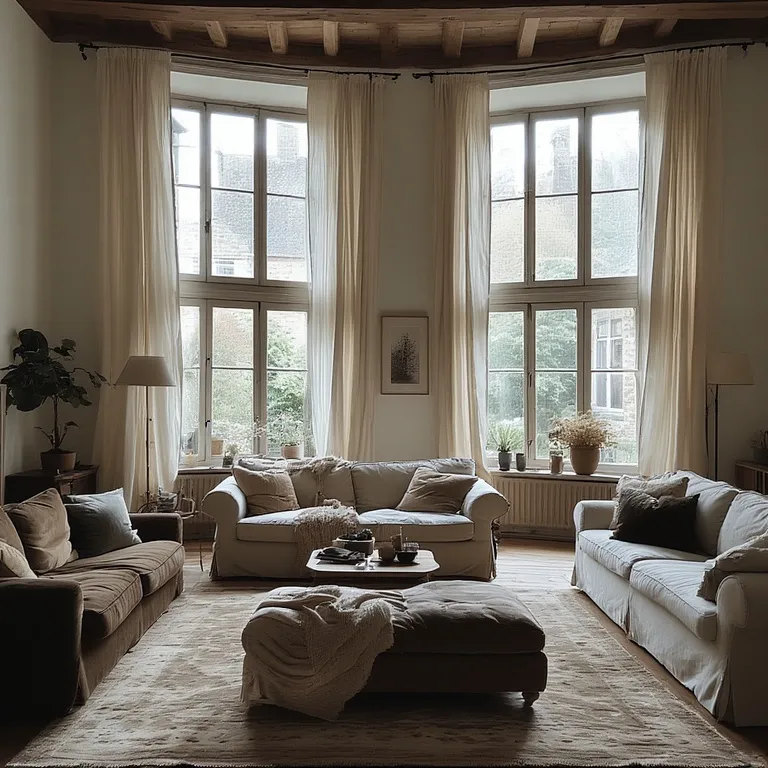
Conclusion: How to pull it all together
Designing an open plan living room that flows beautifully is about balance. Plan zones, repeat colors and materials, anchor spaces with rugs and furniture, and choose smart, multi-use pieces. Keep sightlines open, layer lighting, and use subtle dividers like shelves and plants. Add soft finishes for sound control, store things out of sight, and allow the room to change with your life. With a few thoughtful choices and easy habits, your open plan space will feel calm, connected, and ready for anything — from quiet mornings to lively gatherings.
FAQs
Q1: How do I define zones without walls in a small open plan space?
Use rugs, furniture groupings, lighting, and shelving to mark zones. Keep colors and materials consistent so the space feels unified while each area has its own function.
Q2: What is the best way to keep an open plan room tidy?
Use hidden storage, baskets, and a daily 10-minute tidy routine. Assign a home for everything so clutter doesn’t build up and sightlines stay calm.
Q3: Can I mix wood tones in an open plan room?
Yes — mix a few complementary tones but repeat one key tone across several items to link spaces. Too many different woods can look chaotic, so keep it balanced.
Q4: How much space should I leave for traffic flow?
Aim for at least 80–90 cm (about 2.5–3 feet) for main walkways. This keeps movement comfortable and paths clear between zones.
Q5: What are quick styling hacks to make my open plan room look finished?
Add a large rug under the main seating, a statement light over the dining area, a few curated objects, and plants. Keep surfaces tidy and repeat one accent color for cohesion.