
15 Zen Bedroom Layouts : Creating Calm and Balance

Zen Bedroom Layouts is more than pretty furniture — it helps your mind rest. When your sleeping space is calm, simple, and well set up, your body can relax faster. A room without clutter, with soft light and a clear layout, makes it easier to fall asleep and feel peaceful. A Zen bedroom lowers stress and helps you sleep deeper. It also supports daily calm: you start and end your day in a place that feels safe and steady. Creating a Zen bedroom can be done in steps. You don’t need to spend lots of money. Small changes in layout, colors, and items can turn a busy room into a soothing retreat.
Benefits of a Calm Sleeping Space
A calm bedroom gives real health and mood benefits. Better sleep leads to better focus, less anxiety, and more energy during the day. When you design with Zen ideas—clear lines, soft textures, and natural light—you remove small daily stresses. A calm space helps you process emotions and lowers the chance of late-night worry. You may also notice improved breathing and less muscle tension. Even your relationships can improve because a peaceful bedroom sets a tone of rest and respect. The benefits are both physical, like better sleep, and mental, like clearer thinking and a calmer mind.
Principles of Zen Design
Zen design follows a few simple rules: less is more, natural is best, and balance matters. You focus on using only what you need and keeping things in order. Colors are quiet and soft. Furniture is low and simple. Light should be natural when possible, and artificial light soft and warm. Materials like wood, cotton, and stone add a grounded feel. Flow is important: you should move through the room easily. A Zen room is not empty—it is carefully chosen. Every item should add calm or usefulness. This careful choice improves how you feel and how the room works for you each day.
Simplicity and Minimalism
Simplicity means removing excess. Keep only items that serve a purpose or bring joy. Minimalism helps the mind by cutting visual noise. Choose simple shapes and smooth surfaces that don’t fight for attention. Storage is key—hide things away so surfaces stay clear. When your bedroom is tidy, your mind follows. Minimalism does not mean boring. It means selecting a few beautiful things that create calm. A few textures and a small set of colors are all you need. This approach also makes cleaning fast and keeps the room feeling light and airy.
Natural Materials and Light
Natural materials like wood, linen, cotton, and stone help the room feel warm and real. They bring a soft texture that human senses like. Natural light is also important—open curtains during the day to let in sun. Use light window treatments to keep privacy while inviting daylight. For night, use warm, dimmable lights that mimic sunset tones. Plants and natural scents (like linen sprays or essential oils) can add life and fresh air. Natural elements create a bond to the outdoors, which is calming and grounding for most people.
Check Also : 15 Hardwood Floor Finishes Trending in Living Room Design 2025
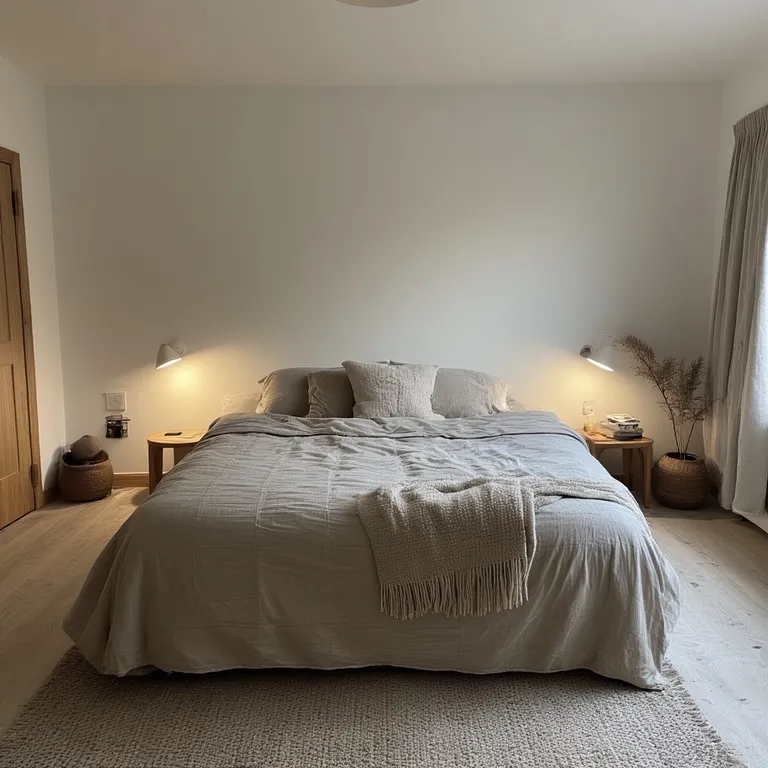
Layout 1: The Minimalist Haven (Center Bed)
In the Minimalist Haven, the bed is the room’s focus and it sits in the center of the wall, with space on both sides. This creates symmetry and balance. Keep bedside tables small and uncluttered, and choose a low headboard or none at all. Use a neutral bedspread, a soft throw, and one or two simple pillows. Leave floor space clear around the bed, so you can walk freely. Wall art should be minimal—a single calm piece above the bed. Lighting is soft and placed low. The key is breathing room: every item should have space to exist without crowding the eye.
Key Elements and Tips
Choose low furniture, simple bedding, and soft rugs to ground the bed. Put small lamps on each side for reading, but avoid bright overhead lights. Use storage under the bed or a simple dresser to keep clutter away. Keep colors neutral—beige, soft gray, or pale green work well. Add one plant or a small bowl of pebbles for a natural touch. Keep cords hidden and surfaces clear. This layout works well in square rooms and gives the feeling of a calm focal point you always return to.
Layout 2: The Low-Profile Bed with Window View
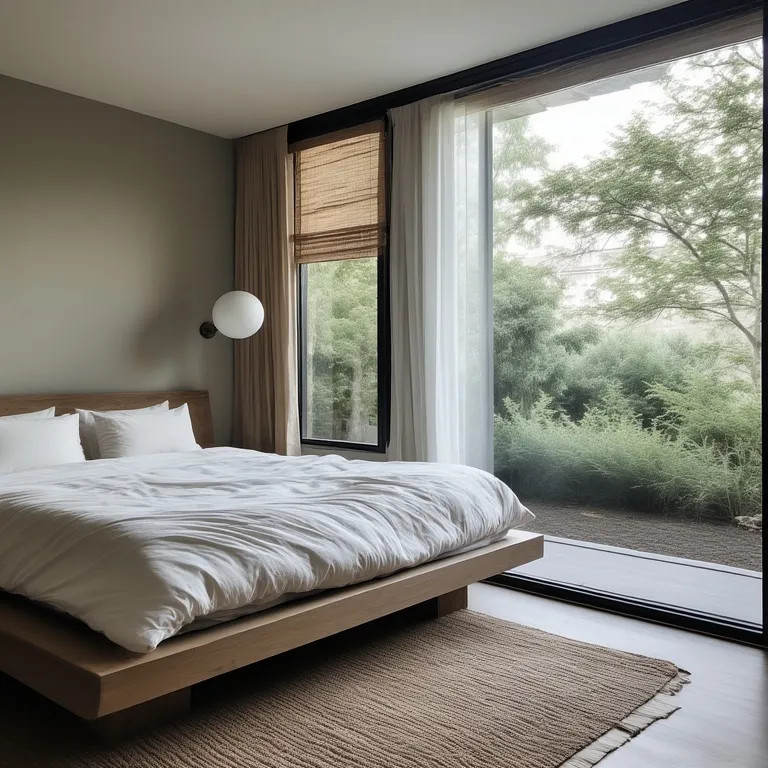
A low-profile bed placed near a window connects you to the outdoor view and light. This layout works well when you have a nice garden or city view. Keep the bed low to the ground to maintain a Zen feel. Choose thin window treatments that filter light without blocking it. Position the bed so you can see the sky or greenery—this helps you wake gently with natural light. Use soft bedding and keep decorative items minimal so the view stays the main feature. This layout encourages slow mornings and restful nights.
Key Elements and Tips
Pick a low frame, thin mattress foundation, and neutral linens. Use sheer curtains with a second blackout layer for night. Place a bench or small shelf under the window for books or a plant. Keep bedside lighting soft to avoid clashing with morning light. Use warm tones and natural textures like wool or linen. If privacy is a concern, add a tall plant or a light screen to maintain connection to the window while keeping the room private.
Layout 3: The Corner Sanctuary
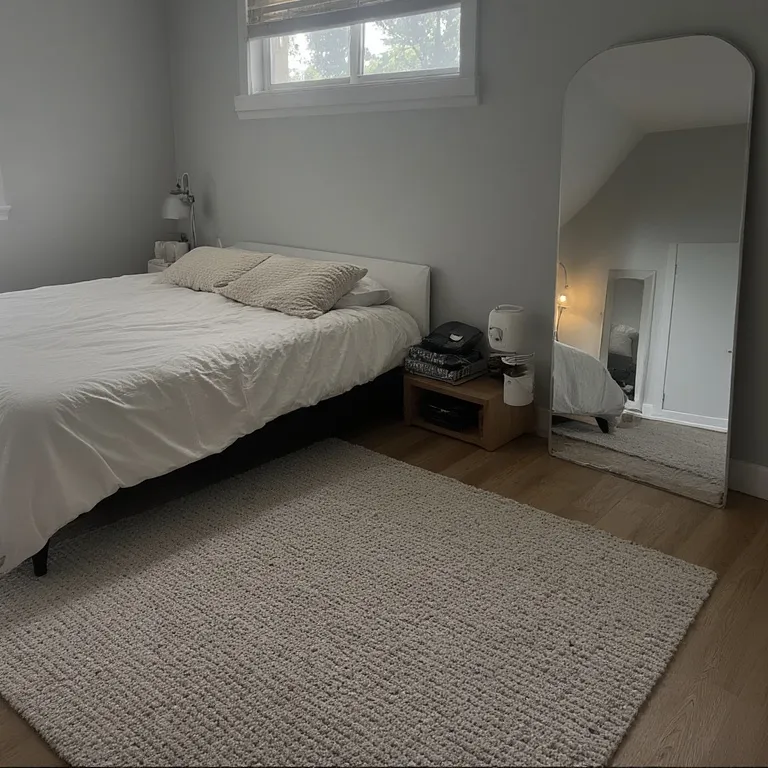
The Corner Sanctuary tucks the bed into a cozy corner of the room, creating a sheltered feel. This layout is great for odd-shaped rooms or lofts. Use a soft headboard or a wall-mounted cushion to add comfort. Put a small lamp or wall sconce near the bed to save space. Keep the open area in the center of the room clear to make the room feel larger. Add a low shelf or tiny table to hold essentials. The corner placement offers a sense of protection and calm, helping the mind relax like it would in a nest.
Key Elements and Tips
Soft lighting and warm textiles make this layout cozy. Use a rug to anchor the bed and add texture. Choose a low bedside shelf or floating shelf to keep clutter off the floor. If the corner is dark, use a tall mirror on the opposite wall to reflect light and make the space feel brighter. Keep colors warm and muted to enhance the sheltered feeling. This layout works well for people who like to feel wrapped up and secure while sleeping.
Layout 4: The Symmetrical Retreat
Symmetry brings order to the mind. Place the bed centered on a wall with matching nightstands on both sides and equal lamps. Add matching rugs, artwork, or plants to underline balance. Symmetry helps reduce mental “noise” by giving the eye a predictable pattern. This layout is ideal in rectangular rooms where balance can be achieved easily. Keep symmetry simple—don’t match every small item, just the main pieces. The result is a calm room that feels organized and trustworthy.
Key Elements and Tips
Choose identical bedside tables, lamps, and cushions for a neat look. Keep wall art centered and proportional to the bed. Use storage that matches on both sides to maintain a clean line. Avoid too many patterns—stick to solid textures and small accents. Symmetry does not mean sterile—soft throws, warm wood, and plants can add life while keeping balance.
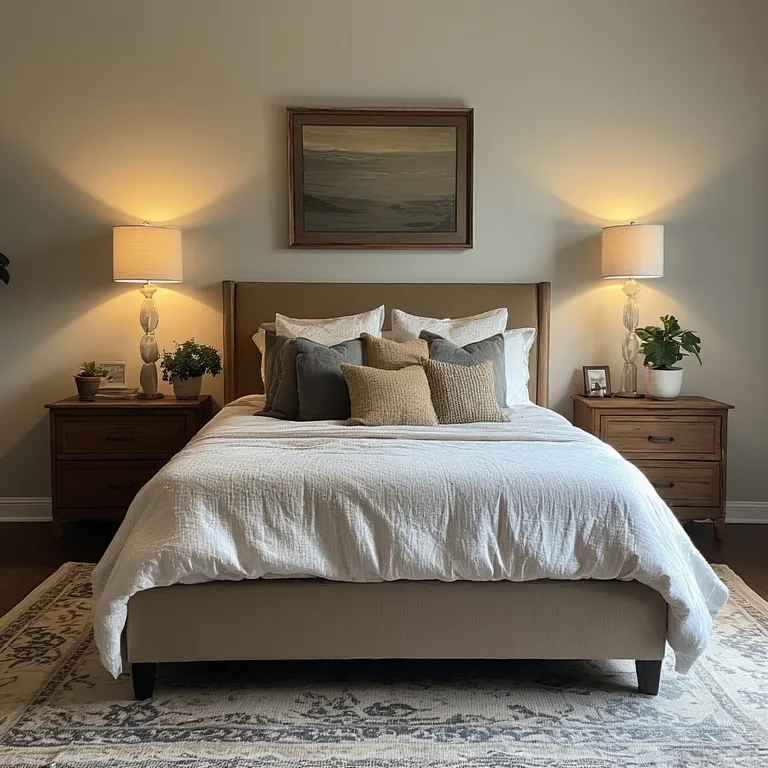
Layout 5: The Cozy Alcove
An alcove layout makes use of a small niche or inset in the room to form a private sleeping space. This feels like a personal hideaway inside your own home. Build soft shelves or a low ledge around the alcove for books and small items. Use layered lighting: a small overhead light for soft glow and a reading lamp for focused tasks. Add curtains or a sliding panel for privacy when needed. Choose calm colors and plush textiles to make the alcove warm and inviting.
Key Elements and Tips
Add cushions and a throw for extra softness. Floating shelves are great to keep items organized without bulk. Use recessed lighting or wall sconces to avoid harsh overhead light. Keep the alcove clean—only keep items you love or need. A small fan or plant can help with air and scent. This layout is perfect for small homes or apartments where creating a defined sleeping space is helpful.
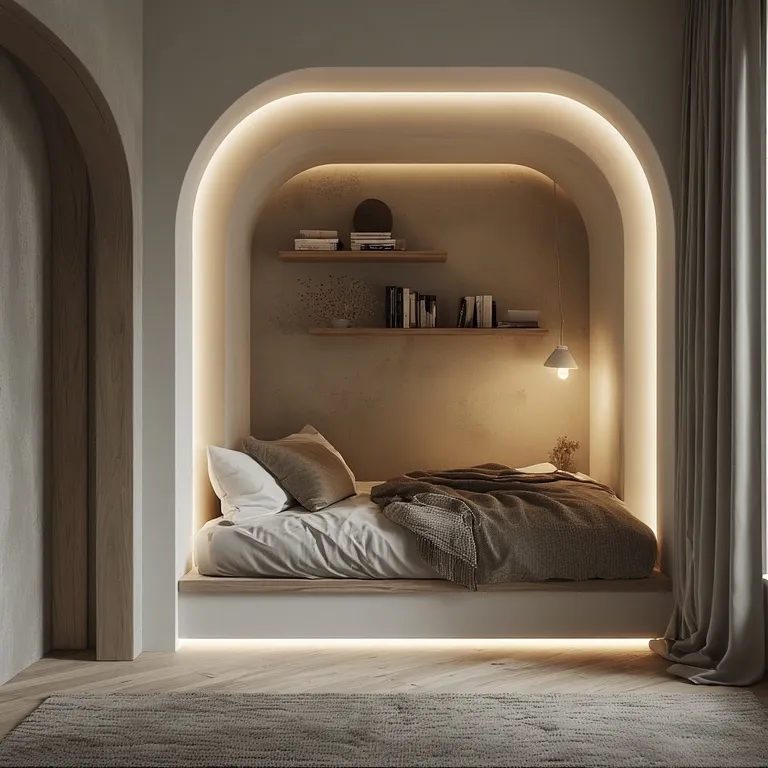
Layout 6: The Floating Bed Concept
A “floating” bed is raised slightly and appears to hover due to concealed legs or a platform. This creates a modern, airy feel and makes cleaning easier. Use a thin platform and simple headboard to keep visual weight low. Under-bed lighting or a low rug can add a soft glow. Keep surrounding furniture minimal and low to enhance the floating effect. This layout adds a touch of sophistication while still feeling light and calm.
Key Elements and Tips
Choose a sleek platform bed with hidden supports. Keep bedding simple and tight to the bed frame. Use soft, indirect lighting beneath the bed for a gentle glow. Keep the floor clear to emphasize the floating look. Pair this bed with low-profile nightstands and a long, low dresser if needed. This layout works especially well in modern or minimalist spaces.
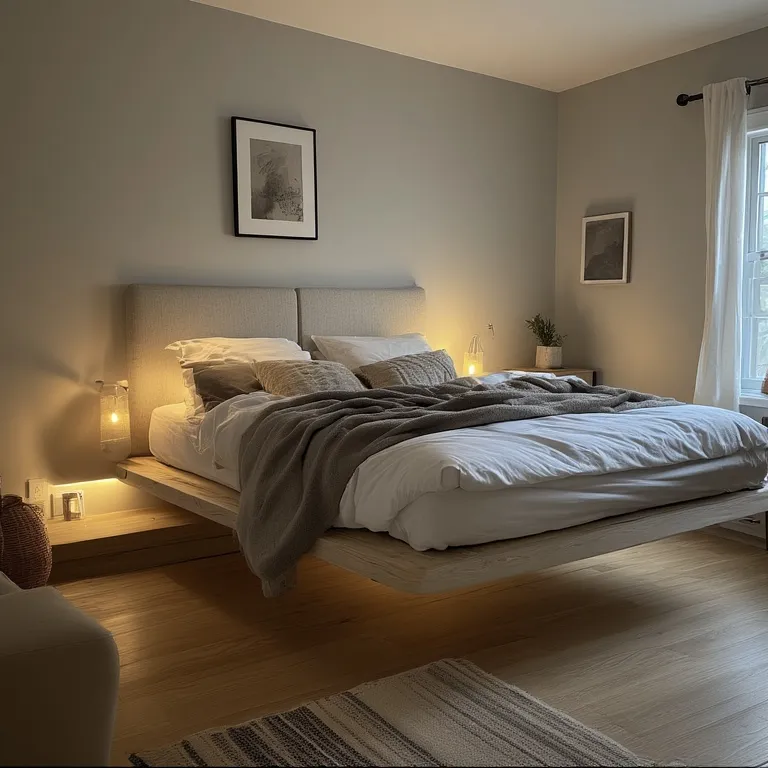
Layout 7: The Nature-Focused Layout
Bring the outdoors in with plants, natural wood, and stone accents. Place the bed so it faces a window or a plant wall. Use wooden furniture, woven baskets, and stone or ceramic decor to connect with nature. Natural textures add calm and help you breathe easier. Keep the room airy and light to avoid feeling too crowded by greenery. The goal is balance between nature and space—enough plants to feel alive, but not so many that it becomes messy.
Key Elements and Tips
Choose low-maintenance plants like snake plant or pothos. Use wood furniture with clean lines and soft linens. Place a few natural objects—a bowl of river stones or a wooden tray—on a shelf. Keep plant pots simple and neutral. Avoid strong floral scents; instead, use fresh linens and mild essential oils like lavender for relaxation. This layout brings a soothing outdoor feel right into your bedroom.
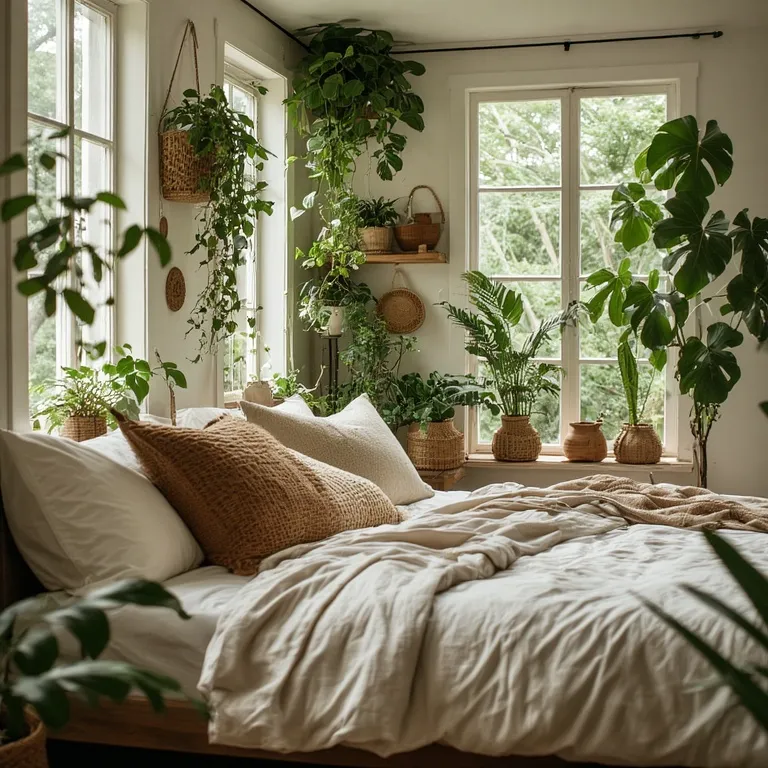
Layout 8: The Open Floor Plan Bedroom
In an open floor plan, the bedroom is part of a larger living space. Use rugs, screens, or shelving to define the sleeping area without closing it off. Keep furniture low and minimal to maintain flow. Position the bed so it feels private yet connected to the rest of the space. Use soft colors and unified materials across the room to tie areas together. The goal is gentle separation, not a hard wall—this keeps the space calm and balanced.
Key Elements and Tips
Use a large rug to anchor the bed and mark the sleeping zone. Add a low bookshelf or a folding screen for subtle privacy. Keep pathways clear to allow easy movement. Use similar tones in bedding and nearby furniture to create unity. Soft lighting and consistent textures help the space feel cohesive. This layout is great for studios and lofts that need a quiet sleeping area within a larger space.
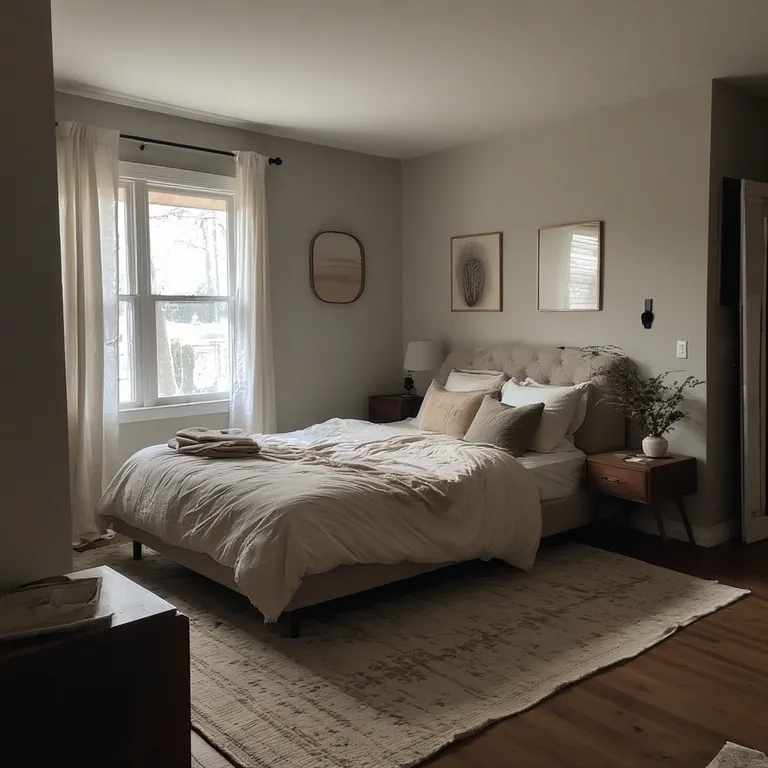
Layout 9: The Zen Reading Nook
Combine sleep and quiet reading with a small nook near the bed. Place a comfortable chair or a floor cushion with a small lamp and a shelf for books. This creates a calming ritual before sleep: read slowly, then turn off the light and rest. Keep the nook simple to avoid overstimulation. Use a warm throw, a small table, and a soft lamp that can dim. The reading nook supports mental winding down and makes bedtime feel like a gentle habit.
Key Elements and Tips
Choose a supportive chair or large cushion. Use a small, warm lamp and a narrow shelf to hold a few favorite books. Keep the area tidy—only keep books you read often. Add a small plant for freshness and a textured rug for comfort. This layout is perfect for people who love to read before sleep and want a dedicated, calm spot for it.
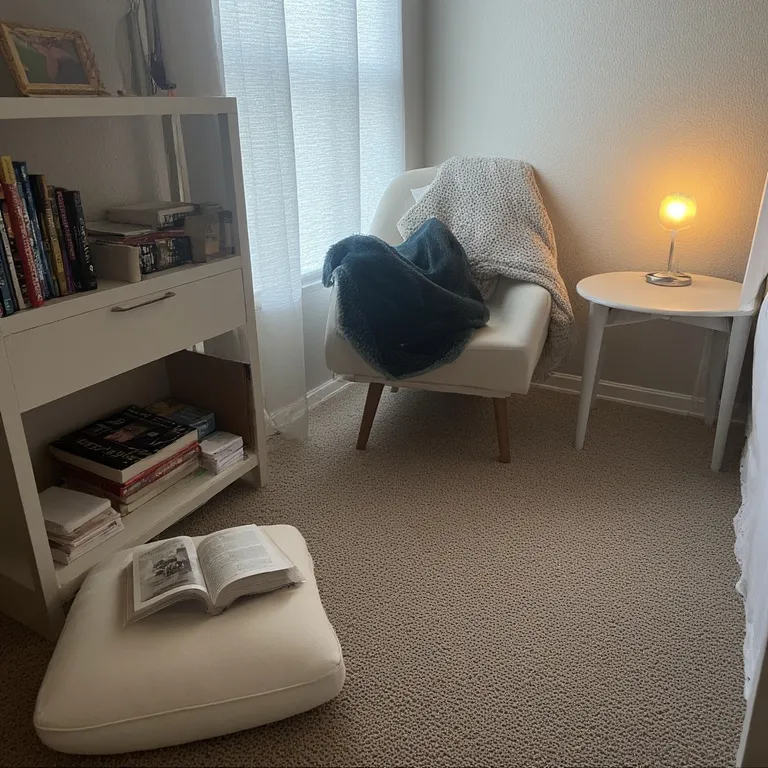
Layout 10: The Monochrome Calm
A monochrome layout uses shades of one color to create a soft, unified look. Choose a calming base color like soft gray, beige, or blue and use lighter and darker shades to add depth. Keep patterns minimal and use texture to create interest—think knit throws, linen sheets, and a wool rug. Monochrome rooms feel peaceful because the eye has fewer things to process. This layout is simple to execute and looks modern and soothing.
Key Elements and Tips
Stick to three or fewer tones and mix textures for visual interest. Use natural fabrics and avoid glossy or shiny surfaces that reflect light harshly. Add a single accent like a wooden tray or a plant to break monotony. Keep artwork minimal and in the same color family. Monochrome works well in small or large rooms because it creates a calm, cohesive feel.
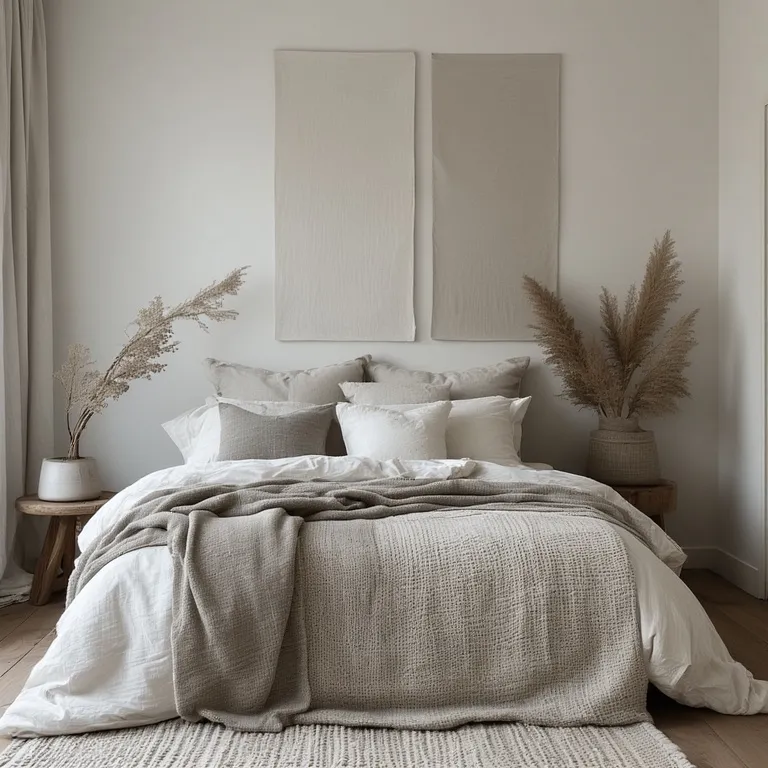
Layout 11: The Small Room Zen
Small rooms need smart layouts to feel calm. Choose a low bed, wall shelves, and multi-use furniture to save space. Keep the floor clear and use vertical space for storage. Light colors and mirrors help make the room feel bigger. Use fold-away or hidden storage for clothes and items. A clear path from door to bed helps with flow and reduces stress. The small room Zen shows that you don’t need lot of space to feel peaceful—just smart choices.
Key Elements and Tips
Use floating shelves, under-bed drawers, and slim furniture. Choose a light color palette and one mirror to reflect light. Keep decor minimal and only display a few favorite objects. Use hooks or a pegboard to organize without bulk. This layout focuses on function and calm, making a small space feel open and restful.
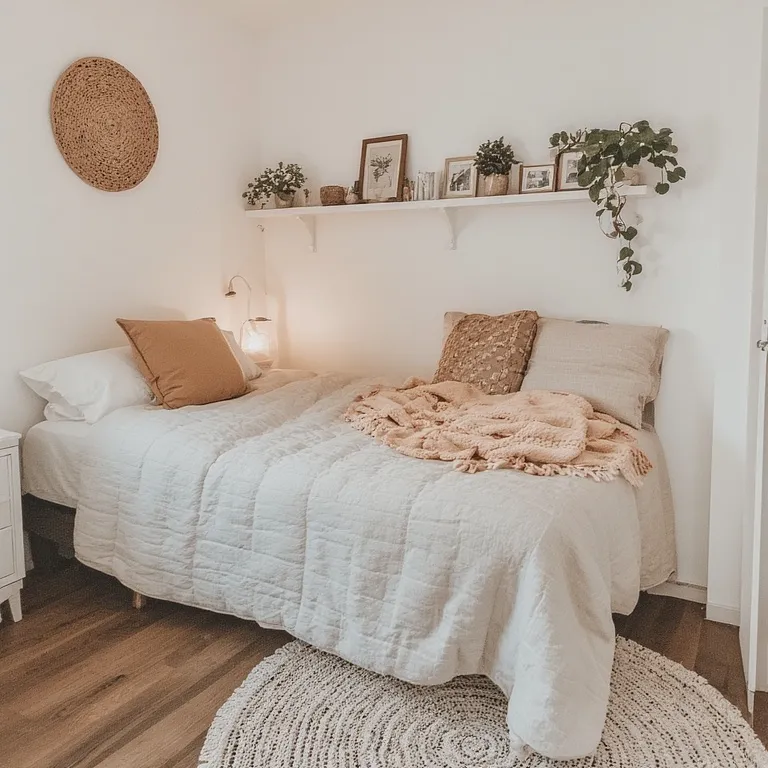
Layout 12: The Large Room Oasis
Large rooms give freedom but can feel empty if not planned. Use zones: sleeping, dressing, and a small sitting area. Anchor each zone with rugs and keep furniture low to keep the Zen feel. Use soft partitions like open shelving or curtains to create privacy without heavy walls. Keep a balanced amount of furniture—too much feels cluttered, too little feels cold. Use warm textures and warm light to make a large room feel cozy and safe.
Key Elements and Tips
Create clear zones with rugs and furniture placement. Use a long dresser or bench to fill space without crowding. Add a reading chair and a plant to break up empty areas. Keep colors unified across zones to maintain calm. Consider a folded screen or low shelf as soft partitions. This layout turns big space into a welcoming retreat.
Layout 13: The Studio Bedroom Balance
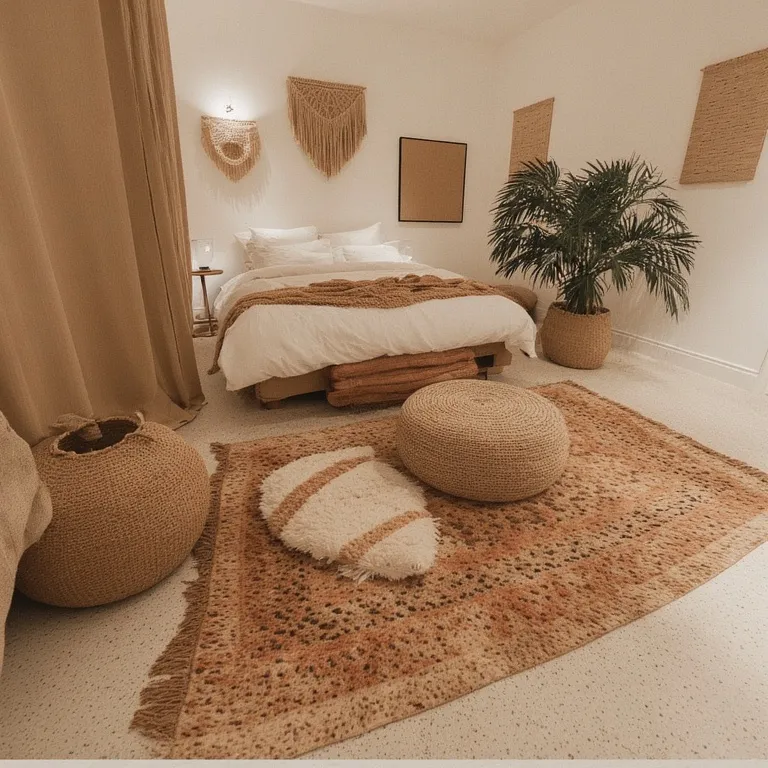
In a studio, the bedroom shares space with living and kitchen areas. Divide the sleeping area with a rug, low shelf, or curtain to define the zone. Keep bed linens tidy and choose furniture that doubles up—like a bench that stores blankets. Keep pathways open and keep the bed near a wall or a corner for a sense of shelter. Use consistent color and texture across the studio to keep a unified calm.
Key Elements and Tips
Use a narrow bookshelf as a divider and storage. Keep surfaces clear and only display a few items. Choose multifunctional furniture like ottomans with storage. Use matching tones for bedding and nearby furniture to keep visual flow. This layout helps the studio feel like a single calm space rather than many small parts.
Layout 14: The Zen with Indoor Plants
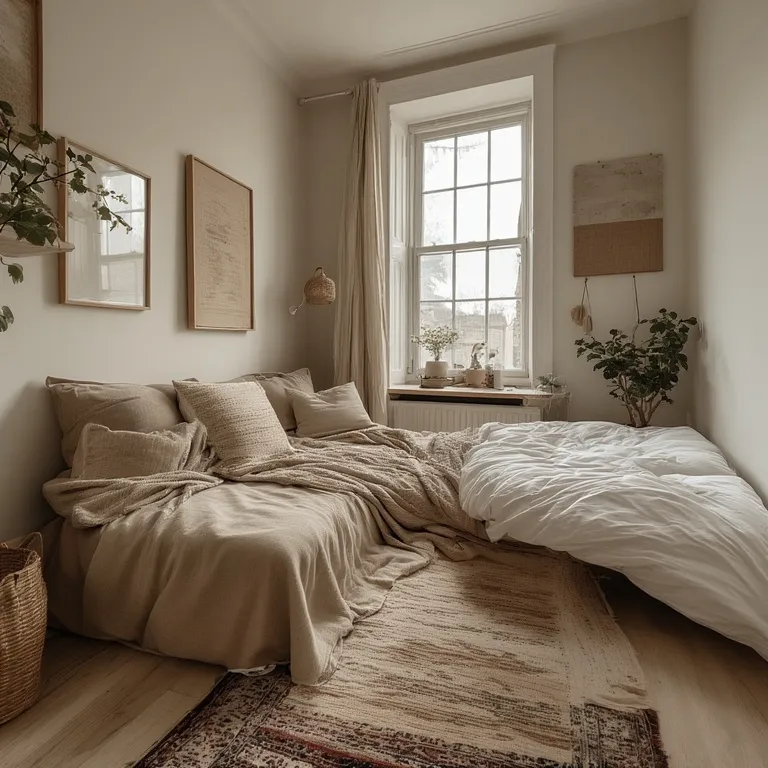
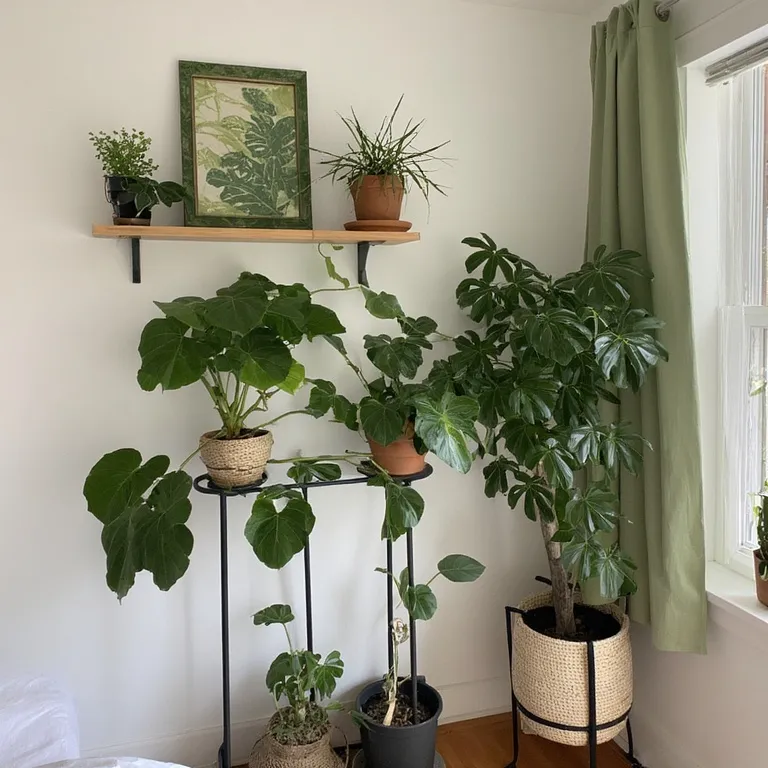
Plants add life, clean air, and a soft color that soothes the eye. Place plants where they will thrive—near windows or under indirect light. Mix plant sizes for depth: a tall floor plant, a medium pot on a stand, and a small plant on a shelf. Use simple pots and keep excess clutter away from plant areas. Care for plants regularly so they add calm, not stress. The green tones and natural shapes help the bedroom feel like a small peaceful garden.
Key Elements and Tips
Choose low-care plants like snake plant, ZZ plant, or pothos. Use neutral pots and group plants in odd numbers for visual appeal. Keep plant care tools in one small basket or drawer to avoid mess. A plant humidifier or pebble tray can help certain species. Combine plants with wooden furniture for a natural, grounded feel.
Layout 15 : The Evening Light Layout
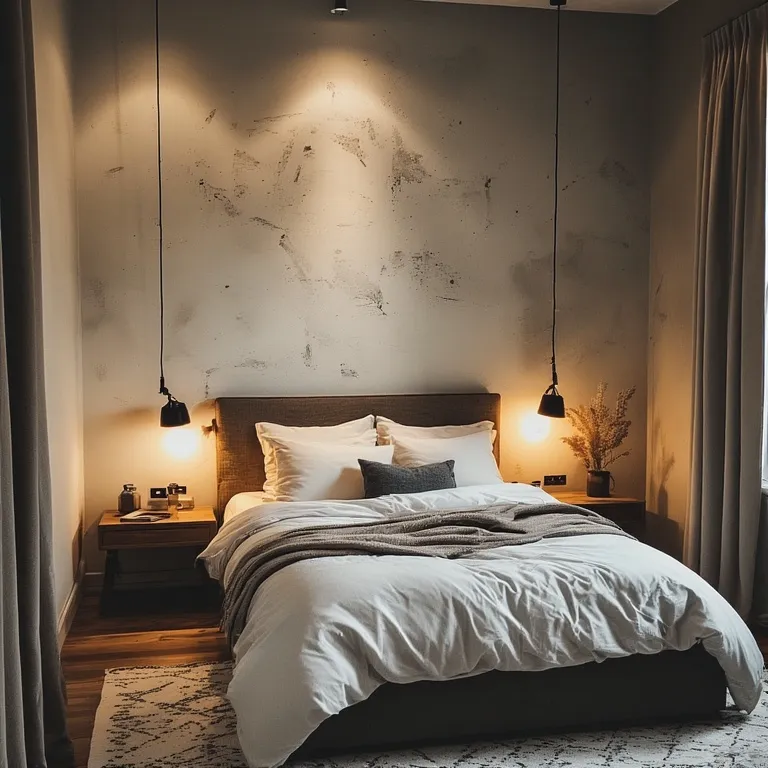
This layout focuses on how light changes through the day. Position lights so evenings are soft and warm, with dimmable fixtures for full control. Use layered lighting: a main soft light, bedside lamps, and small accent lights. Place lamps near reading areas and soft floor lighting around the bed for a cozy night glow. Avoid harsh overhead lighting at night. This layout helps signal to your body when it’s time to slow down and sleep by using gentle, warm light.
Key Elements and Tips
Install dimmers and warm bulbs; avoid blue-rich LEDs at night. Use lamps with shades to diffuse light and keep brightness low. Have a timer or smart bulbs to lower light automatically as bedtime approaches. Use candles or salt lamps (safely) for an extra gentle glow. The right evening light supports relaxation and better sleep.
How to Choose the Right Zen Layout for You
Pick a layout based on room size, window placement, and how you use the space. If you love view and daylight, choose a window-facing bed. If you need privacy, try the alcove or corner layouts. For open studios, use subtle dividers and rugs. Consider your habits: do you read in bed, need a desk, or keep many clothes? Match your daily needs with a layout that supports calm and function. Start small—move one piece of furniture and test the feel. Often small tweaks create big changes.
Quick Checklist to Create Your Zen Bedroom
- Declutter surfaces and store items away.
- Choose a neutral color palette.
- Use low, simple furniture.
- Add natural materials and at least one plant.
- Layer soft lighting with dimmers.
- Keep clear walking paths.
- Use storage that hides clutter.
- Add a soft rug and cozy textiles.
This checklist helps you make quick, effective changes without a full redesign. Follow a few items each week to transform your room slowly and sustainably.
Conclusion
Creating a Zen bedroom is about balance, calm, and smart choices. Whether your room is tiny or large, you can apply these layouts and tips to make your space more peaceful. Start with removing clutter, choosing soft colors, and placing your bed where it feels safest. Add natural materials, gentle light, and a few plants to bring life in without noise. Try one layout and tweak it—your perfect Zen space will grow with you. Sleep better, stress less, and enjoy your restful retreat every night.
FAQs
Q1: How much does it cost to make a Zen bedroom?
Costs vary, but you can start small and cheap: declutter, add a plant, and change lighting for little money. Major furniture or repainting will cost more, but you can do steps over time.
Q2: Can I make a Zen bedroom in a studio apartment?
Yes. Use rugs, shelves, or curtains to define the sleeping area and keep colors and furniture low and simple to maintain calm.
Q3: What colors are best for a Zen bedroom?
Soft neutrals like beige, soft gray, muted green, or pale blue are best. Use one main color and a few tones for depth.
Q4: Do I need plants for a Zen bedroom?
No, but plants help. If you don’t want the upkeep, use natural materials and a single small plant or a printed nature image.
Q5: How do I keep my Zen bedroom tidy every day?
Make small habits: put things away each night, use baskets and drawers, and spend five minutes each morning clearing surfaces. Small habits keep the calm.