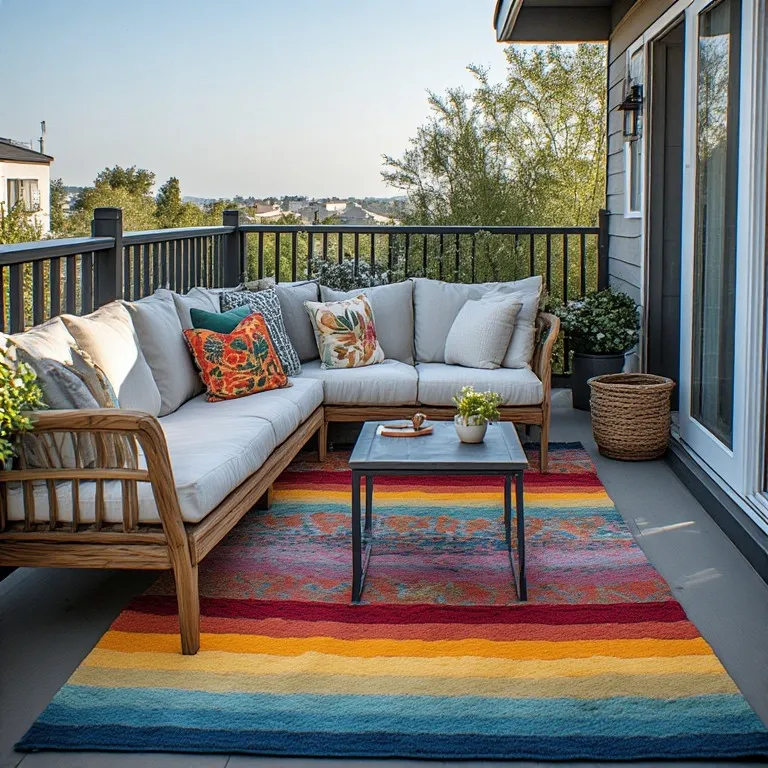

15 Wabi-Sabi Bedroom Ideas: Create a Calm, Natural, and Imperfect Space

Wabi-Sabi Bedroom Ideas should feel like a deep breath after a long day. A place where your mind slows down and your body finally rests. That’s exactly what a Wabi-Sabi bedroom offers. This design style is not about perfection or trends. It’s about calm, nature, and finding beauty in things that are simple and slightly imperfect. In this guide, you’ll discover how to bring this peaceful style into your bedroom with ease, comfort, and personality. Let’s make your bedroom feel more like a quiet retreat and less like a showroom.
Check Also : Top 15 Coastal Calm Bedroom Design: Best Colors, Furniture & Décor Ideas
Understanding the Wabi-Sabi Philosophy
What Wabi-Sabi Really Means
Wabi-Sabi is a Japanese way of seeing beauty. It values things that are natural, imperfect, and always changing. Think of a cracked ceramic bowl or aged wood with marks and lines. These flaws are not mistakes. They tell a story. In a world that pushes perfection, Wabi-Sabi feels like a gentle reminder to slow down and accept life as it is. When used in bedroom design, this philosophy creates a space that feels honest, warm, and deeply human. It’s not about impressing others. It’s about feeling at peace.
Why Wabi-Sabi Works Perfectly in a Bedroom
A bedroom is where we rest, reflect, and recharge. Wabi-Sabi fits naturally here because it encourages calm and simplicity. There’s no pressure to match everything or keep things spotless. Instead, the focus is on comfort and feeling grounded. Soft textures, muted colors, and natural materials help your mind relax. It’s like sleeping in a quiet cabin instead of a busy hotel. That’s the magic of a Wabi-Sabi bedroom.
Core Elements of a Wabi-Sabi Bedroom
Natural Materials and Raw Textures
Nature is at the heart of Wabi-Sabi design. Materials like wood, stone, linen, cotton, and clay bring warmth and life into the bedroom. These materials age beautifully and feel real to the touch. Rough textures and uneven finishes add depth without trying too hard. When your room feels connected to nature, it becomes easier to unwind and feel safe.
Neutral and Earthy Color Palettes
Wabi-Sabi bedrooms use colors found in nature. Think beige, sand, soft gray, clay, olive, and warm white. These shades don’t shout. They whisper. They create a soothing backdrop that allows your eyes and mind to rest. Bright colors and strong contrasts are kept to a minimum. The goal is balance and calm, not excitement.
Imperfection as Beauty
In Wabi-Sabi, perfection feels cold. Imperfection feels alive. A slightly wrinkled bedspread or a table with scratches adds character. These details make your bedroom feel lived-in and real. Instead of hiding flaws, you let them shine quietly. This mindset changes how you see your space and yourself.
15 Wabi-Sabi Bedroom Ideas
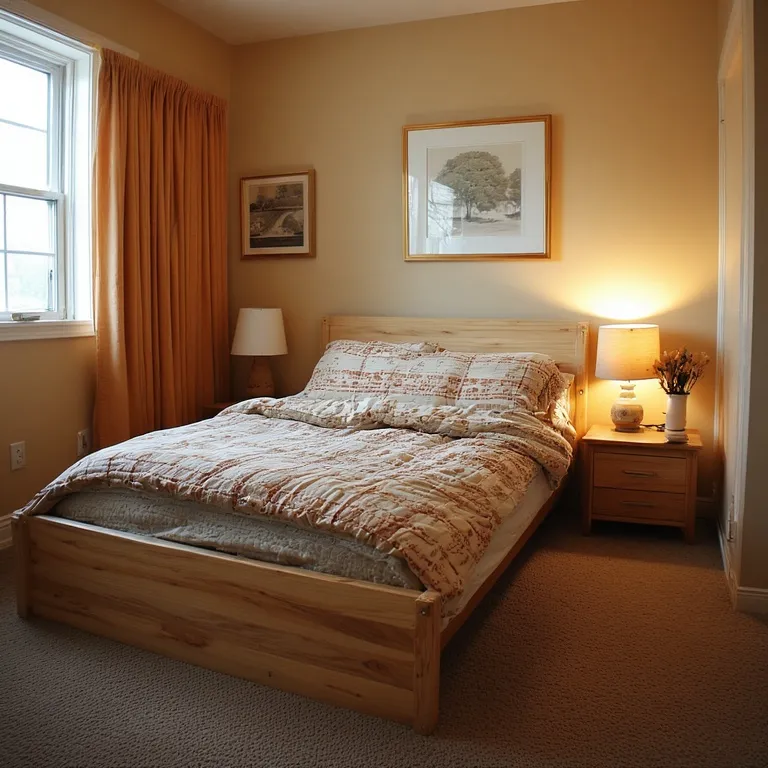
1. Choose a Low, Simple Bed
A low bed brings your body closer to the ground, creating a feeling of stability and calm. Simple bed frames made from wood or natural materials work best. Avoid heavy designs or shiny finishes. The beauty is in the simplicity. It makes the room feel open and peaceful.
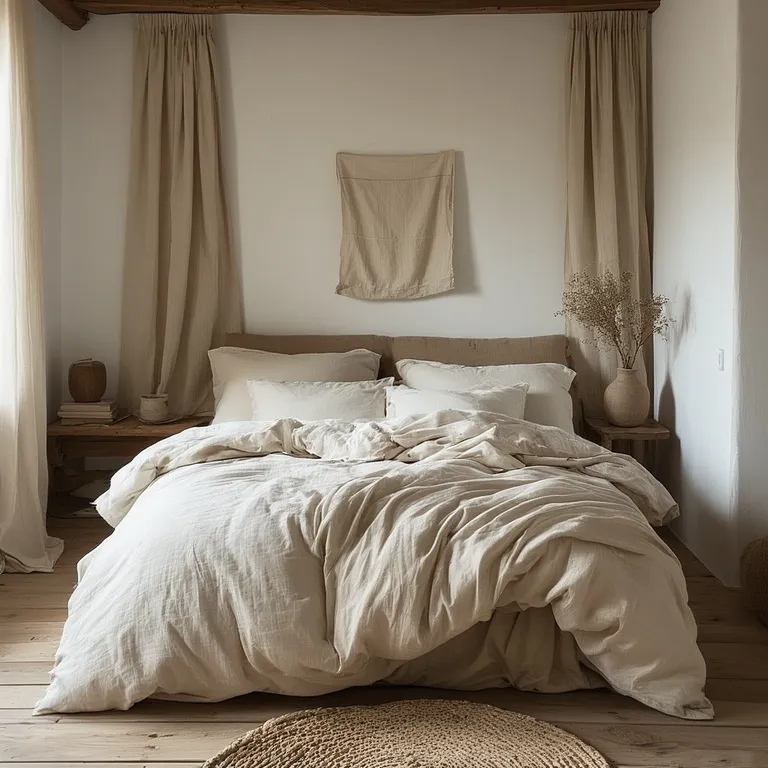
2. Use Linen and Cotton Bedding
Natural fabrics like linen and cotton are perfect for a Wabi-Sabi bedroom. They breathe well and feel soft against the skin. Wrinkles are welcome here. In fact, they add charm. Choose neutral colors and avoid busy patterns. Your bed should invite rest, not demand attention.
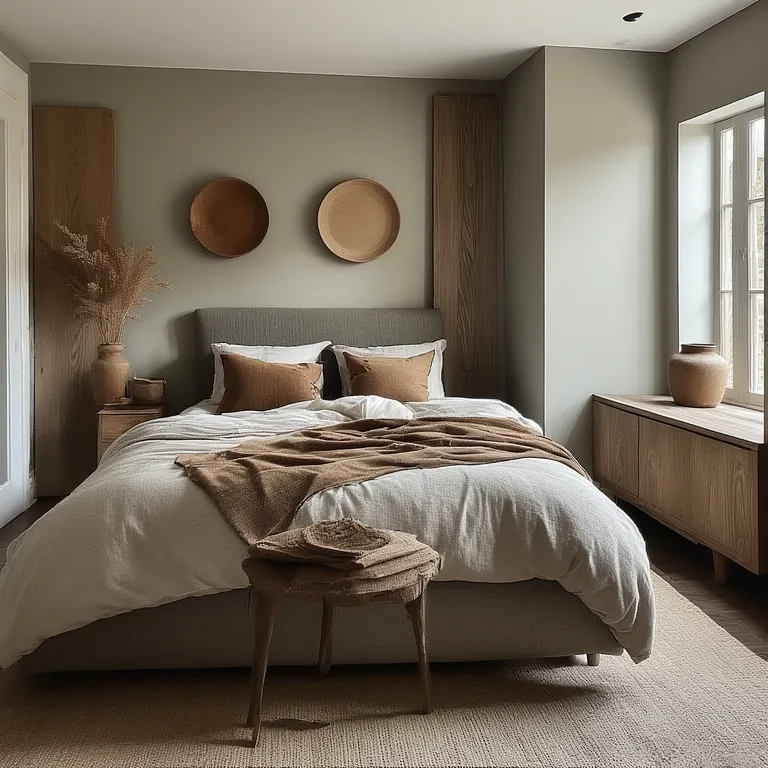
3. Embrace Earth-Tone Colors
Earth tones help your bedroom feel grounded. Soft browns, warm grays, and muted greens create a calm mood. These colors work well together and never feel overwhelming. They also make it easier to mix and match items without stress.
4. Keep Furniture Minimal
Less furniture means more breathing space. Choose only what you truly need. A bed, a nightstand, maybe a chair. Each piece should have a purpose. This helps reduce visual noise and makes the room feel lighter and calmer.
5. Highlight Natural Wood
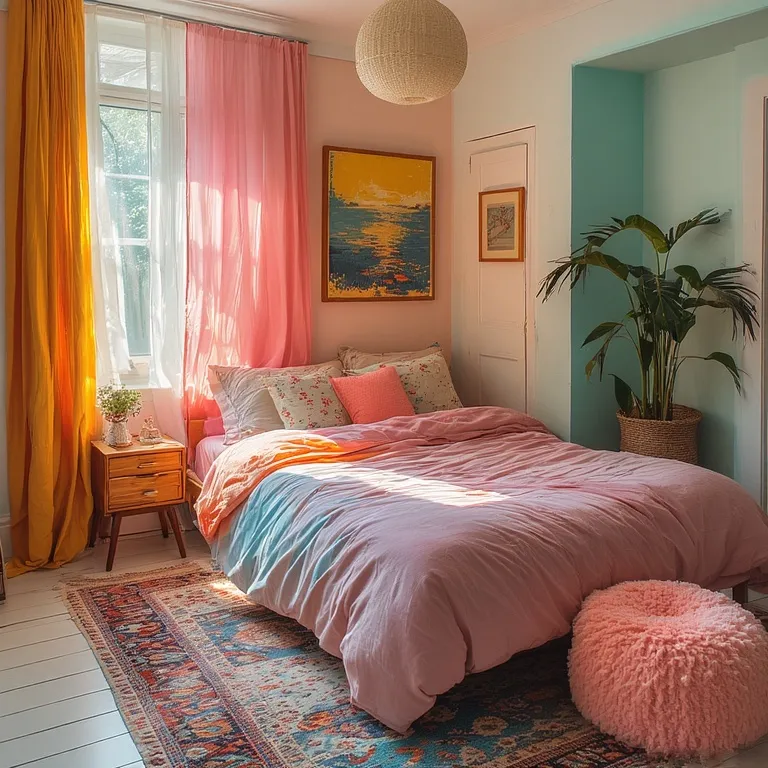
Wood adds warmth like nothing else. Whether it’s a bed frame, nightstand, or ceiling beam, natural wood brings life into the room. Let the grain and texture show. Avoid glossy finishes. The more natural it looks, the better.
6. Add Handmade Decor
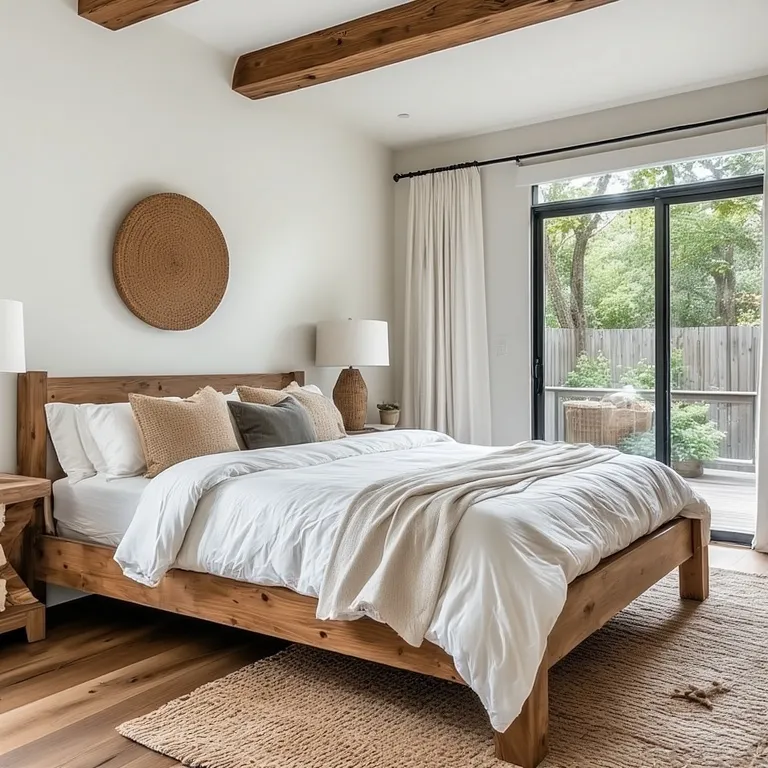
Handmade items carry a sense of care and soul. A woven basket, a clay vase, or a hand-thrown bowl adds personality. These pieces don’t need to be perfect. Their uneven shapes and textures make them special.
7. Let Natural Light In
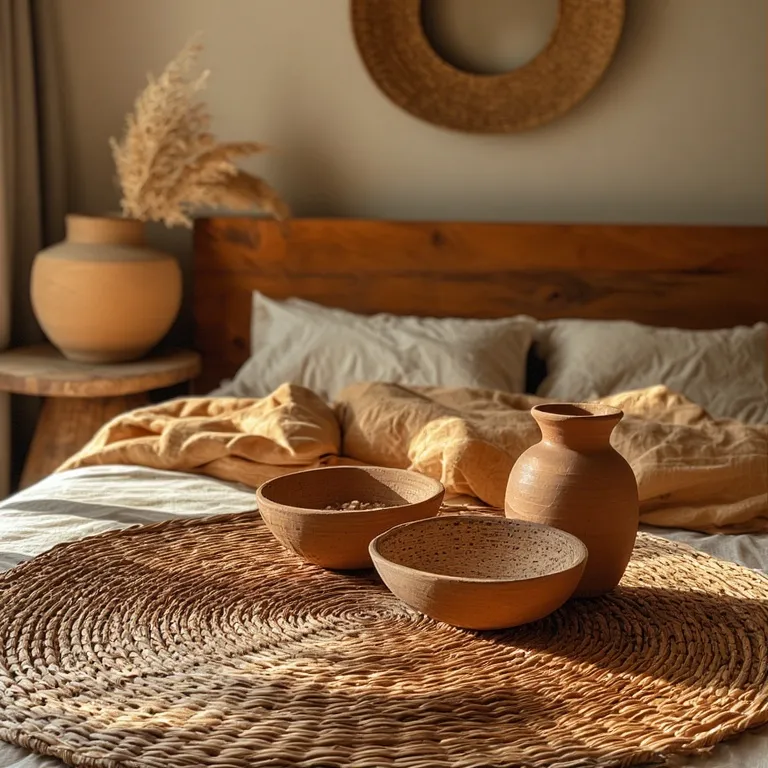
Natural light makes any space feel alive. Use sheer curtains or leave windows uncovered if privacy allows. Sunlight changes throughout the day, reminding you that time is always moving. This gentle shift adds calm and beauty to your bedroom.
8. Use Soft, Warm Lighting
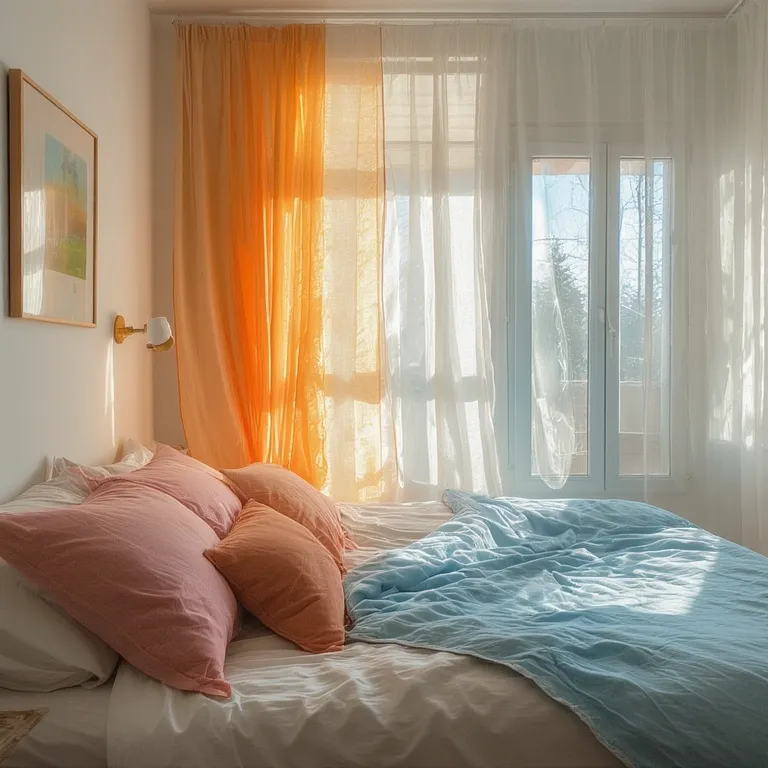
At night, lighting should feel gentle. Avoid harsh white lights. Choose warm bulbs, table lamps, or paper lanterns. Soft lighting helps your body relax and prepares you for sleep. It’s like wrapping the room in a warm hug.
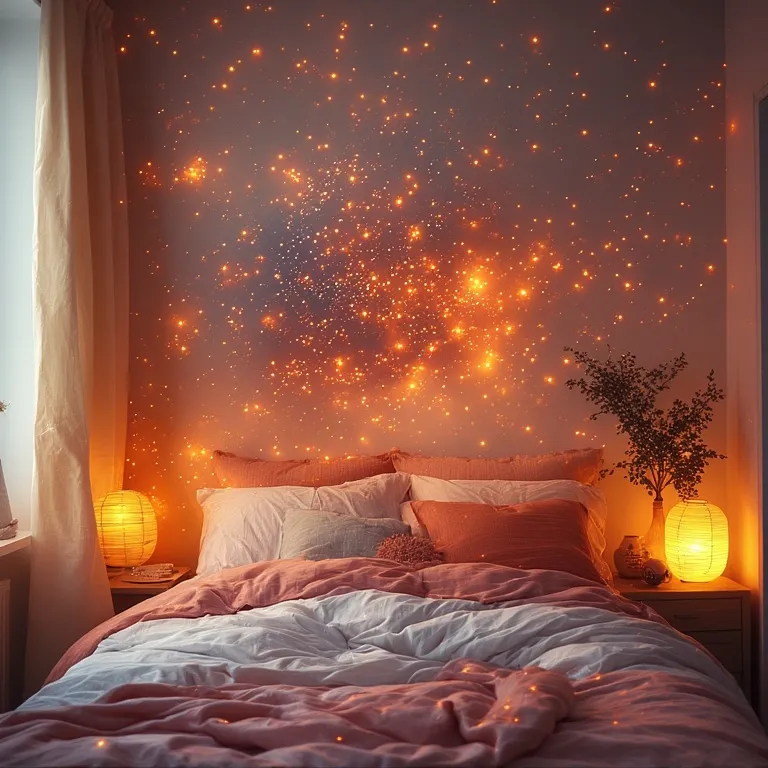
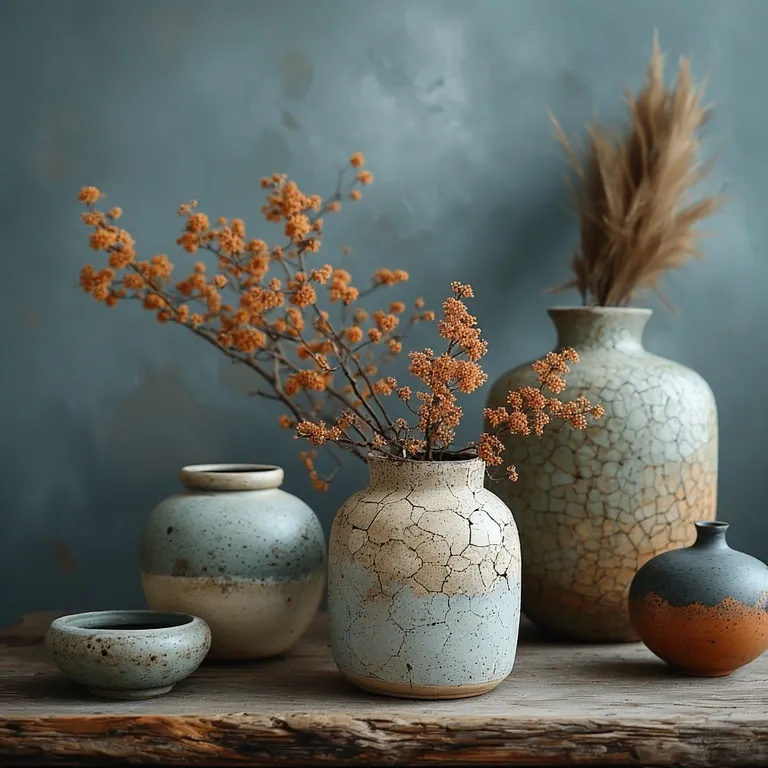
9. Display Imperfect Ceramics
Ceramic pieces with cracks, uneven edges, or faded glaze fit perfectly in a Wabi-Sabi bedroom. Use them as decor or functional items. They add texture and tell a quiet story without taking over the space.
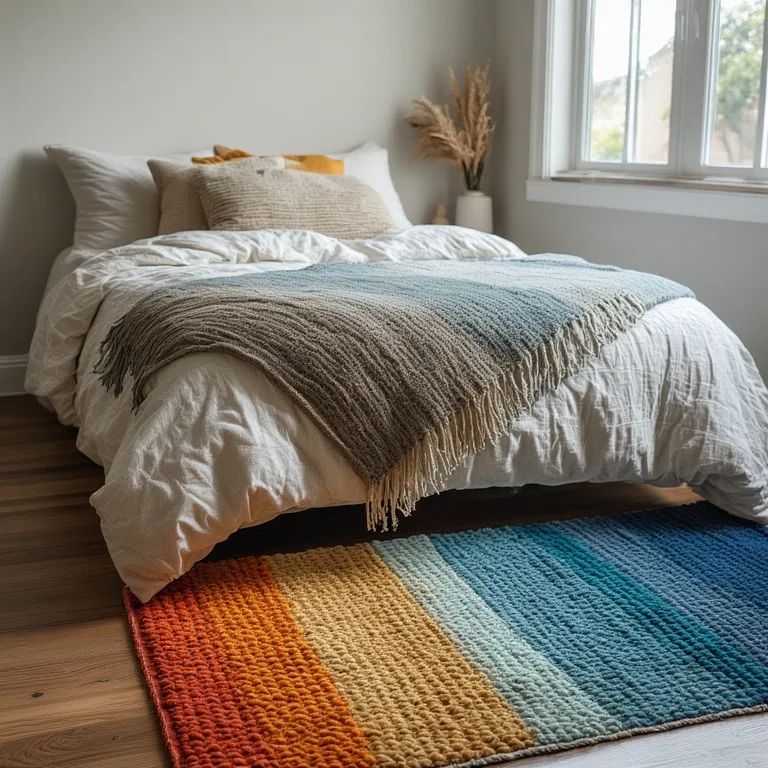
10. Add Texture Through Rugs
A simple rug can change how a room feels. Choose one made from wool, jute, or cotton. Natural textures under your feet make the room feel cozy and grounded. Keep patterns subtle and colors soft.
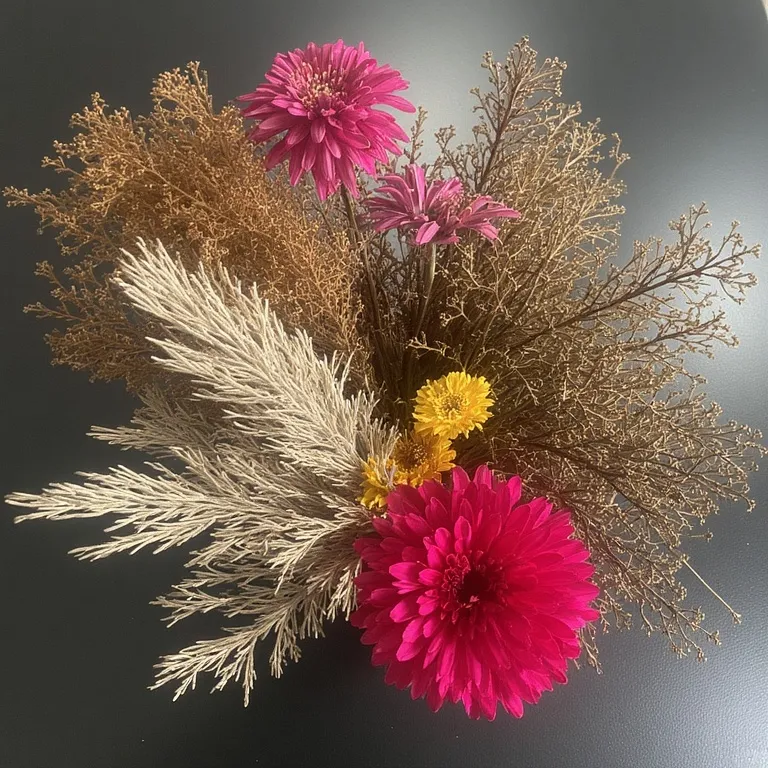
11. Decorate with Dried Plants
Fresh flowers are lovely, but dried plants last longer and feel more natural. Pampas grass, dried branches, or simple leaves add beauty without effort. They also connect the room to nature in a quiet way.
12. Use Simple Wall Art
Wall art in a Wabi-Sabi bedroom should feel calm. Abstract shapes, nature scenes, or simple sketches work well. Avoid large, bold prints. One or two pieces are enough. Empty space is part of the design.
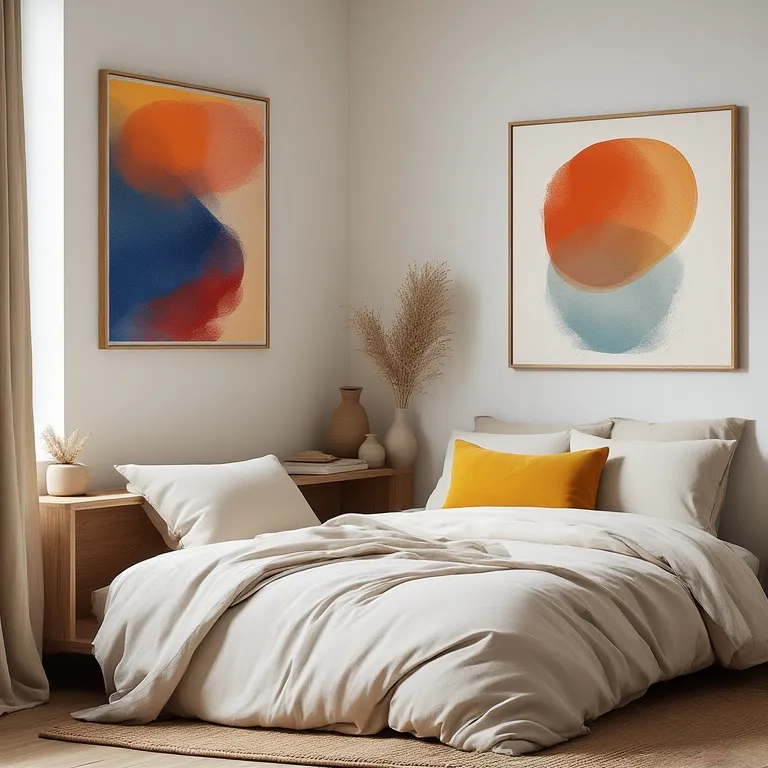
13. Keep the Space Clutter-Free
Clutter creates stress, even if we don’t notice it. Keep surfaces clear and storage hidden. When everything has a place, your mind can rest. A tidy room supports better sleep and a calmer mood.
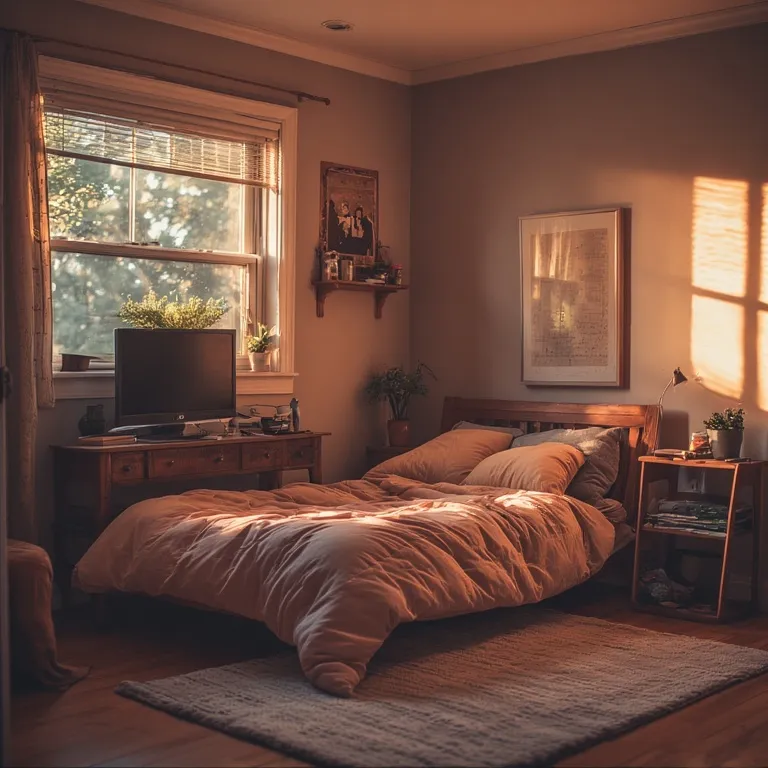
14. Show Signs of Age Gracefully
Don’t rush to replace items just because they look old. Scratches, fading, and wear add character. These marks show that the item has been loved and used. That’s the heart of Wabi-Sabi living.
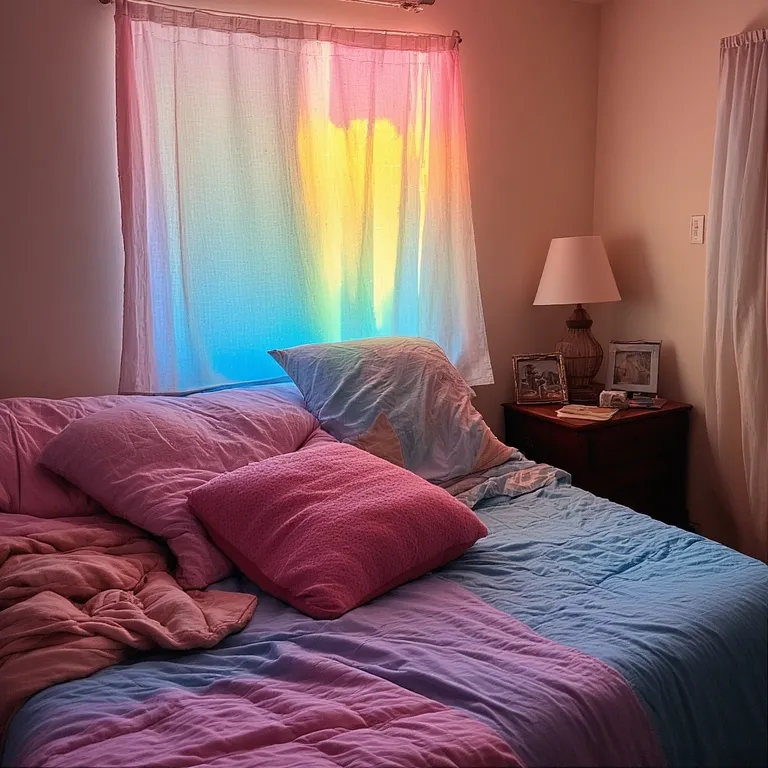
15. Create a Sense of Quiet
Above all, a Wabi-Sabi bedroom should feel quiet. Not silent, but calm. Every item should earn its place. When you walk in, you should feel your shoulders drop and your breath slow. That’s when you know you’ve done it right.
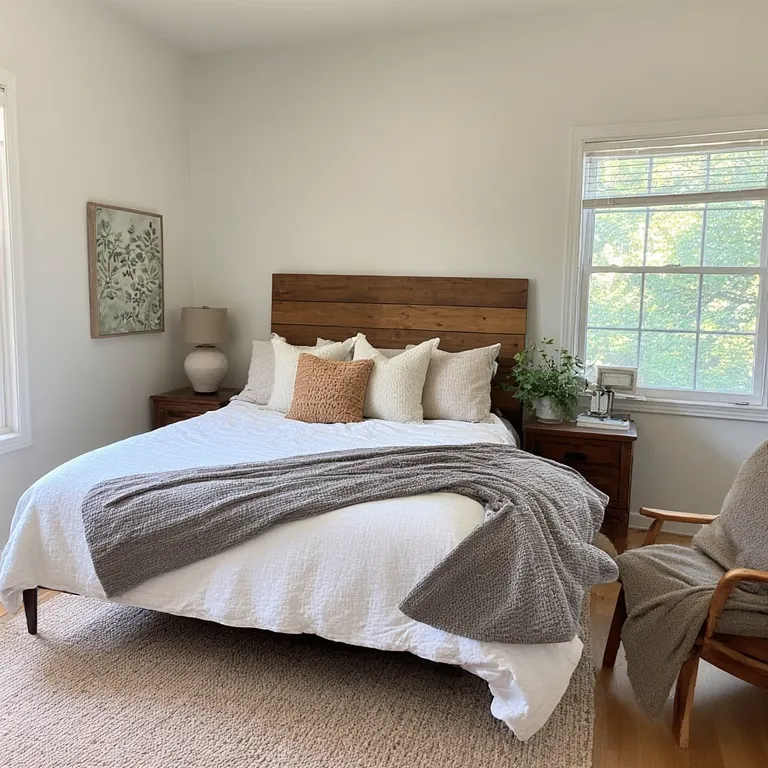
How to Balance Minimalism and Comfort
Avoiding a Cold or Empty Feel
Minimal doesn’t mean empty. Add warmth through textures, fabrics, and soft lighting. A cozy blanket or a wooden stool can make a big difference. The goal is calm, not cold.
Adding Warmth Without Clutter
Choose items that serve both beauty and function. A basket that holds blankets or a lamp that adds soft light keeps the room useful and peaceful. Quality matters more than quantity.
Common Mistakes to Avoid in Wabi-Sabi Bedrooms
Over-Decorating
Too many decor items break the sense of calm. If something doesn’t add peace or purpose, let it go. Empty space is not wasted space.
Forcing Imperfection
Wabi-Sabi is natural, not staged. Don’t buy items just because they look imperfect. Let your space evolve slowly and honestly over time.
Final Thoughts on Wabi-Sabi Bedroom Design
A Wabi-Sabi bedroom is more than a design choice. It’s a mindset. It teaches you to slow down, accept imperfections, and find beauty in simple things. When your bedroom reflects these values, it becomes a true place of rest. You don’t need expensive furniture or perfect decor. You just need intention, patience, and a love for natural beauty.
FAQs
1. Is Wabi-Sabi the same as minimalism?
No, Wabi-Sabi is warmer and more emotional. It focuses on imperfection and nature, while minimalism focuses on simplicity.
2. Can I mix Wabi-Sabi with modern design?
Yes, as long as you keep colors soft and materials natural, both styles can work together well.
3. Are Wabi-Sabi bedrooms expensive to create?
Not at all. Many items can be thrifted, handmade, or already in your home.
4. Can small bedrooms use Wabi-Sabi style?
Yes, small spaces often benefit the most from this calm and simple approach.
5. Do Wabi-Sabi bedrooms have to look unfinished?
No. They should look intentional, calm, and natural, not messy or careless.