15 Traditional Living Room Decor Ideas That Last

Traditional living room decor is like a classic song that never feels old. No matter how many new trends come and go, traditional style always finds its way back into homes. The reason is simple: it focuses on comfort, balance, and beauty that feels familiar. Instead of chasing trends, traditional decor uses designs that have worked for decades. Think of it as choosing a well-tailored suit over fast fashion—it always looks right. This style is rooted in history, culture, and craftsmanship, which makes it feel warm and welcoming. People love traditional decor because it feels safe, calm, and full of character.
Why Traditional Living Rooms Never Go Out of Style
Traditional living rooms never feel outdated because they are built on strong design rules. They don’t rely on bold experiments that can quickly feel old. Instead, they focus on harmony, symmetry, and quality materials. A traditional living room feels like home the moment you walk in. It invites you to sit, relax, and stay awhile. This style also adapts easily. You can refresh it with small updates without changing everything. That’s why traditional decor lasts—it grows with you and your family.
Core Elements of Traditional Living Room Design
Balance, Symmetry, and Comfort
One key idea behind traditional living room decor is balance. Furniture is often placed evenly, creating a calm and organized look. Sofas face each other, chairs are paired, and tables sit neatly in the center. This layout feels natural to the eye and easy to live with. Comfort is just as important. Soft cushions, deep seats, and cozy fabrics make the room feel inviting. Traditional decor doesn’t try to impress with shock value. Instead, it wins hearts with comfort and quiet elegance.
Importance of Warmth and Elegance
Warmth is what makes a traditional living room feel alive. Warm colors, soft lighting, and natural materials all work together to create this feeling. Elegance comes from details like carved wood, gentle curves, and classic patterns. Nothing feels harsh or cold. The room feels like a warm hug after a long day. This mix of warmth and elegance is why people keep coming back to traditional style.
Check Also : 15 Soft Glam Bedroom Design: Elegant, Cozy & Modern Inspiration
1. Classic Wooden Furniture
Types of Wood Used in Traditional Decor
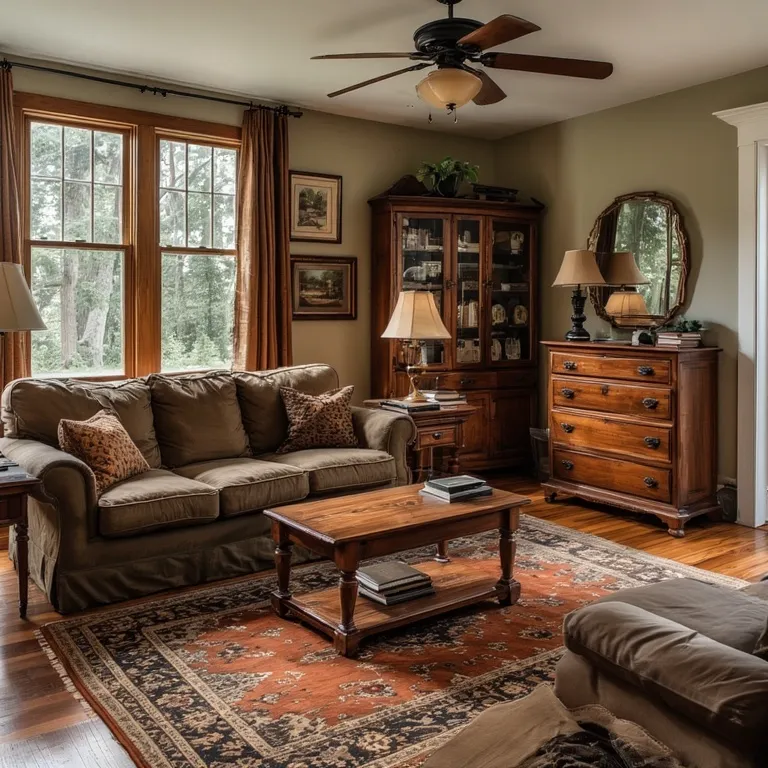
Wood is the backbone of traditional living room decor. Common choices include oak, mahogany, walnut, and cherry wood. These woods are known for their strength and rich color. They add depth and character to furniture pieces. Each wood type has its own charm, from the deep tones of mahogany to the lighter feel of oak. Over time, wood develops a natural shine that makes it even more beautiful.
Why Solid Wood Furniture Lasts for Generations
Solid wood furniture is not just furniture—it’s an investment. These pieces are built to last, often passed down from one generation to the next. Unlike cheap materials, solid wood can be repaired, polished, and refreshed. It ages gracefully, telling a story through every mark and grain. That’s why traditional living rooms often feature wooden furniture that feels strong and meaningful.
2. Neutral and Warm Color Palettes
Best Colors for a Traditional Living Room
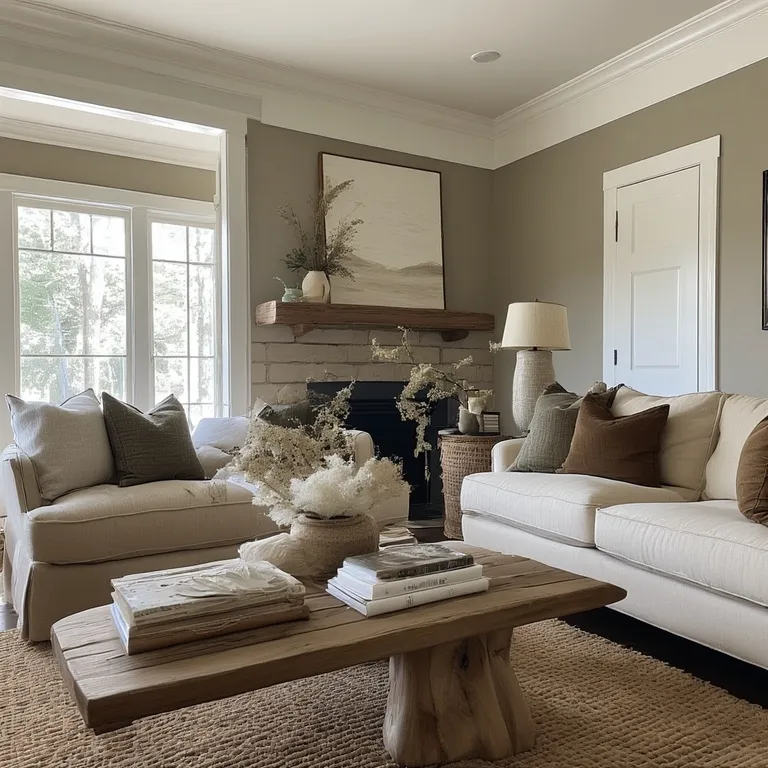
Traditional living rooms usually stick to neutral and warm colors. Shades like beige, cream, brown, soft gray, and muted greens work beautifully. These colors create a calm background that never feels boring. They also make it easy to mix and match furniture and decor. Neutral colors are like a blank canvas that always looks good.
How Colors Create a Cozy Feeling
Warm colors make a space feel safe and comfortable. They reflect light softly and make the room feel welcoming. When you use warm tones, the living room feels like a place to unwind. It’s the kind of room where conversations flow easily and time seems to slow down.
3. Elegant Area Rugs
Persian and Oriental Rugs
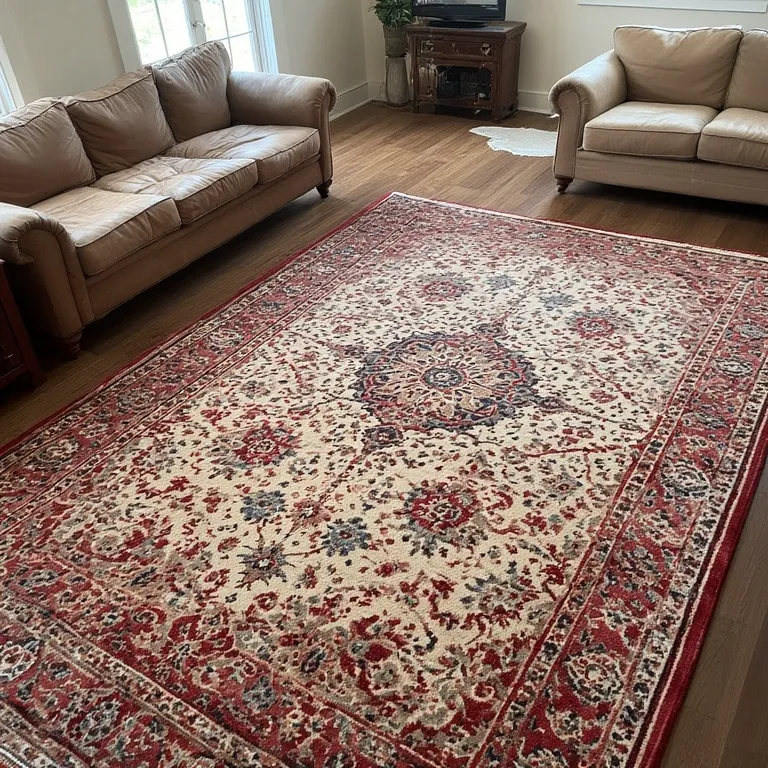
Area rugs play a big role in traditional decor. Persian and Oriental rugs are popular choices because of their detailed patterns and rich colors. These rugs add history and art to the living room floor. They often become the focal point of the room, tying everything together beautifully.
Choosing the Right Rug Size
The size of the rug matters just as much as the design. A rug that’s too small can make the room feel awkward. In traditional living rooms, rugs are usually large enough to fit under the main furniture pieces. This creates a grounded and complete look that feels balanced.
4. Timeless Sofa Designs
Rolled Arms and Tufted Sofas
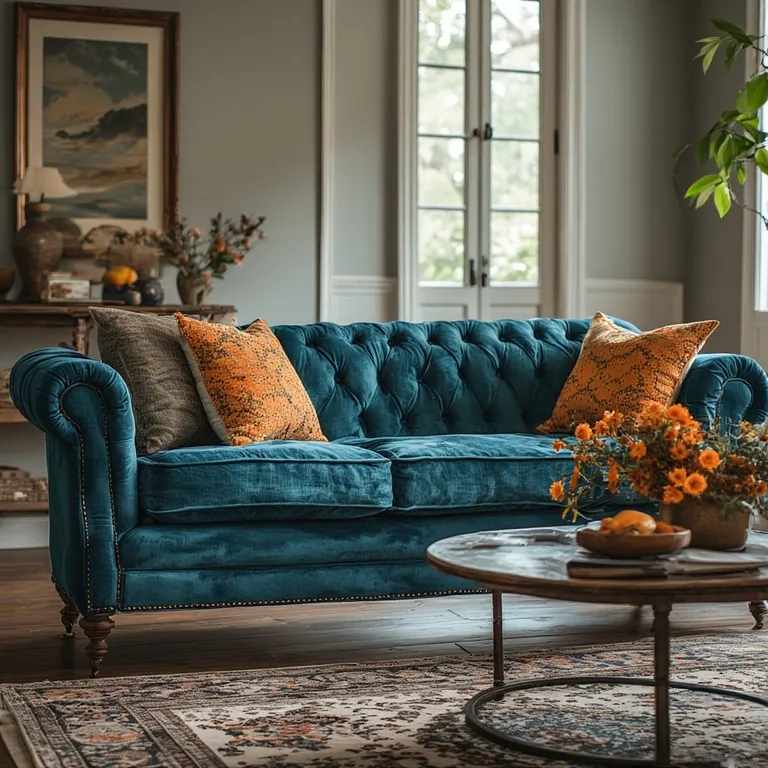
Traditional sofas often have rolled arms, button tufting, and elegant shapes. These details give the sofa a classic look that never feels outdated. Such designs have been loved for decades because they combine beauty with comfort.
Fabric Choices That Age Well
Fabrics like cotton, linen, and leather are common in traditional sofas. These materials are durable and improve with time. They don’t go out of style and are easy to maintain, making them perfect for long-term use.
5. Decorative Throw Pillows
Patterns That Match Traditional Style
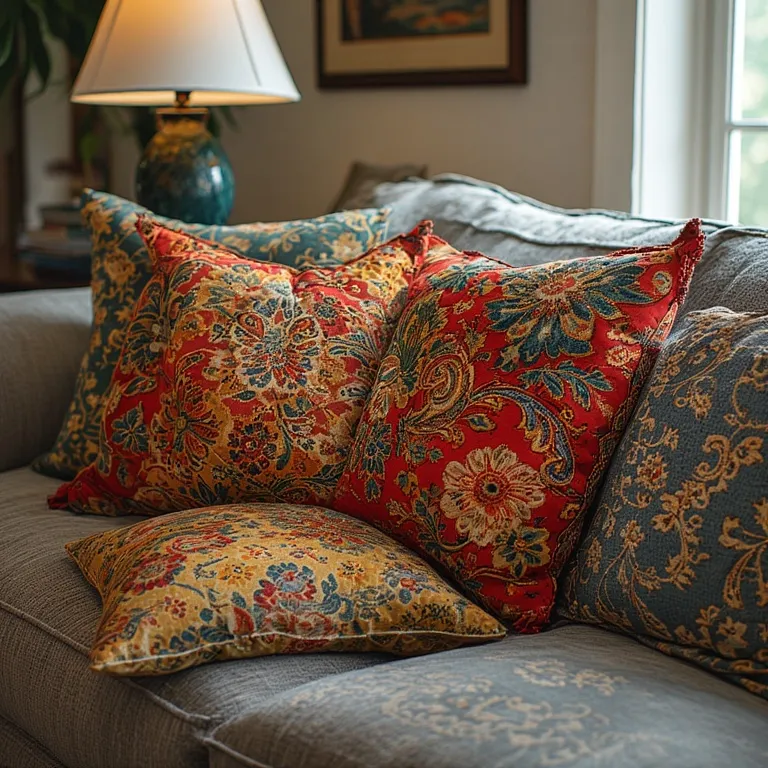
Throw pillows may seem small, but they make a big difference. Traditional styles often use floral, striped, or paisley patterns. These patterns add charm without overwhelming the space.
Mixing Textures for Depth
Mixing textures like velvet, silk, and woven fabrics adds depth to the living room. It makes the space feel layered and interesting while staying true to the traditional look.
6. Antique or Vintage Accessories
Using Heirloom Pieces
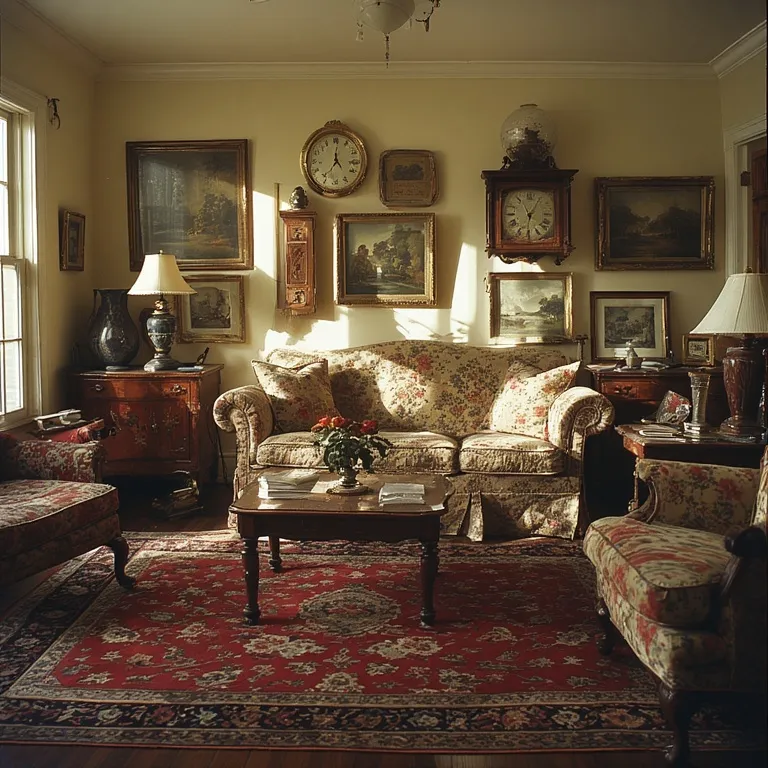
Antique items bring soul to a traditional living room. Heirloom clocks, vases, or frames add a personal touch. They remind us of family history and shared memories.
How to Blend Old with New
You don’t need to fill the room with antiques. A few well-chosen pieces mixed with modern comfort create a balanced look. This keeps the space from feeling old-fashioned.
7. Classic Wall Art and Paintings
Landscapes, Portraits, and Frames
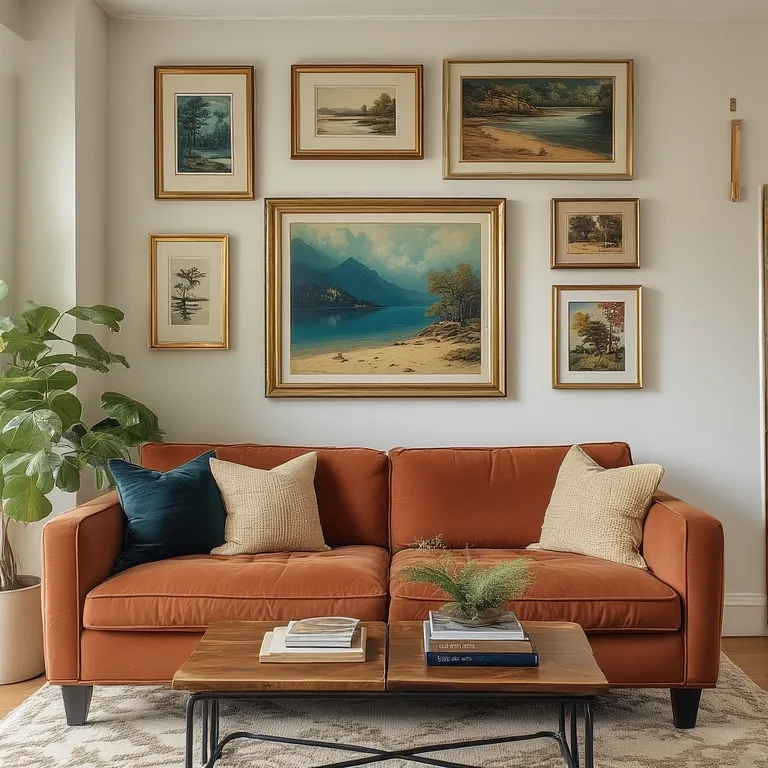
Traditional wall art often includes landscapes, portraits, or still life paintings. Gold or wooden frames add elegance and structure to the walls.
Proper Placement for Visual Balance
Artwork should be placed at eye level and spaced evenly. This creates harmony and keeps the room feeling organized and calm.
8. Traditional Curtains and Drapes
Heavy Fabrics and Classic Patterns
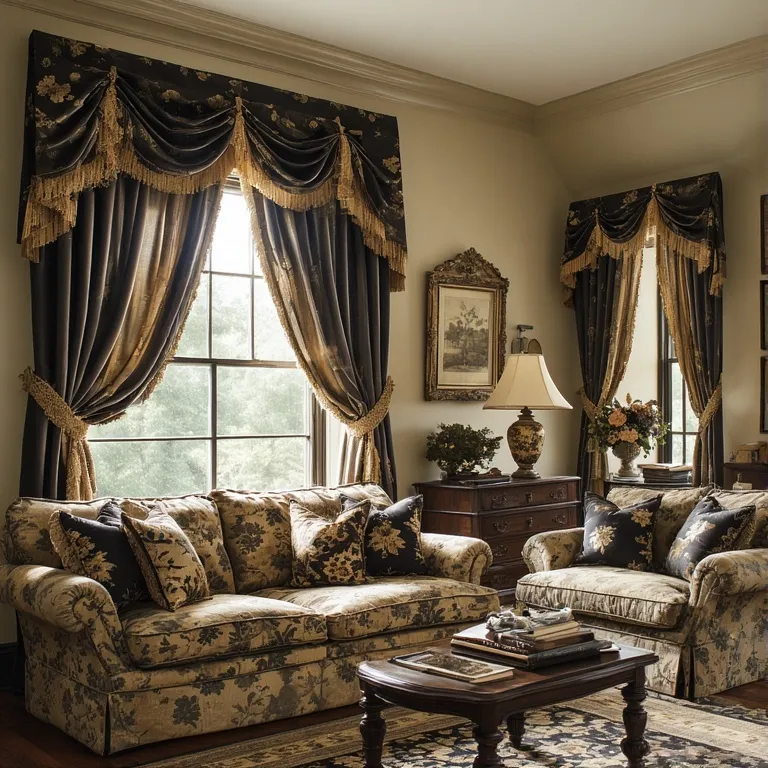
Curtains in traditional living rooms are often made from heavy fabrics like velvet or silk. Patterns like florals or damask add richness to the space.
Hanging Curtains the Right Way
Curtains should hang high and wide to make windows look larger. This simple trick adds elegance and makes the room feel more open.
9. Wooden Coffee Tables
Carved and Detailed Designs
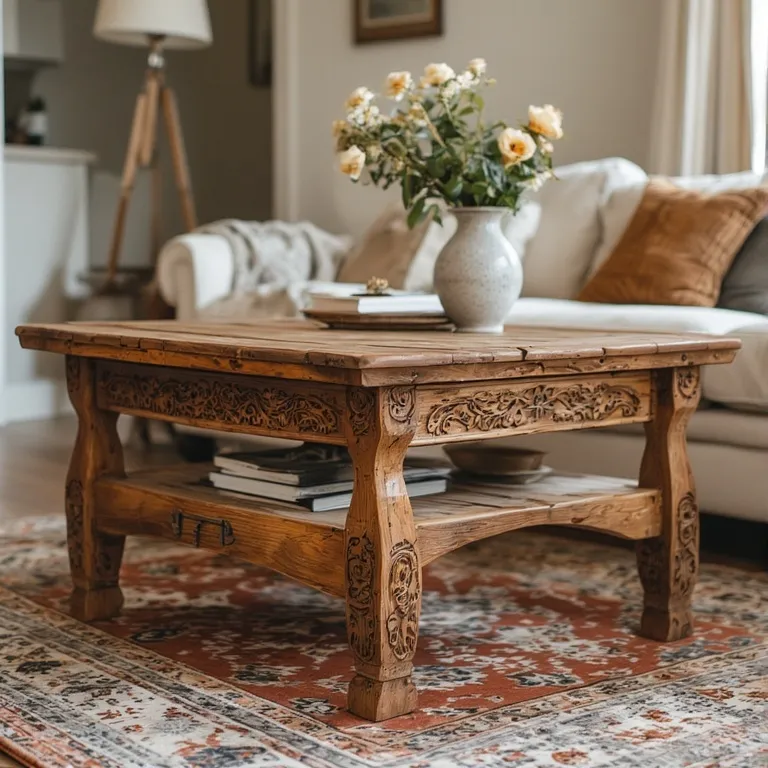
A wooden coffee table with carved details adds charm to the living room. It often becomes a centerpiece where style meets function.
Practical and Decorative Uses
Besides holding drinks and books, coffee tables can display decorative items like trays or candles, adding beauty to everyday life.
10. Built-In Shelving or Display Cabinets
Displaying Books and Decor Items
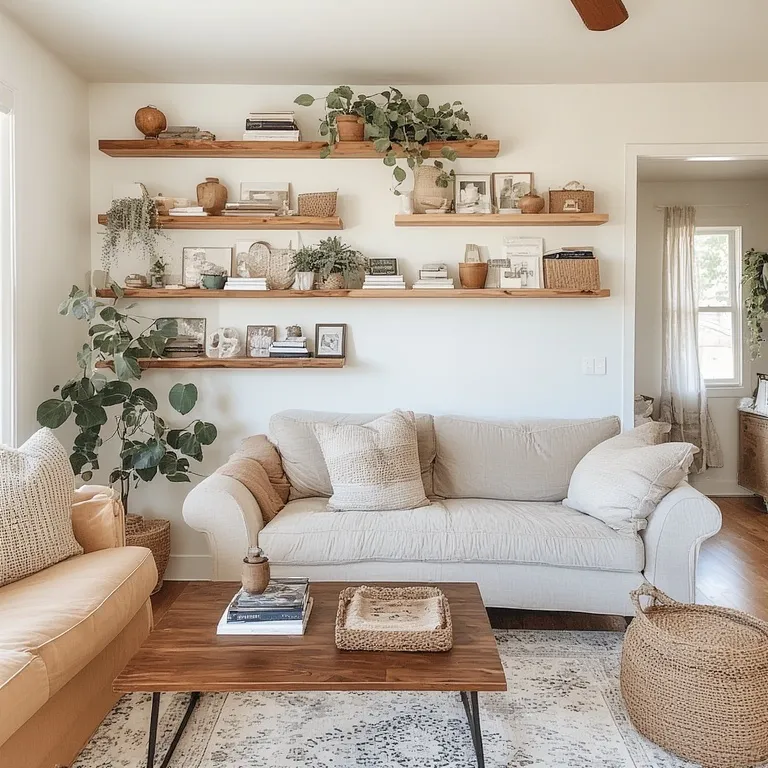
Shelves and cabinets are perfect for showing books, photos, and collectibles. They add personality and structure to the room.
Keeping the Look Organized
Keeping shelves neat is key. Too much clutter can ruin the calm feel of traditional decor.
11. Warm Lighting with Classic Fixtures
Table Lamps and Floor Lamps
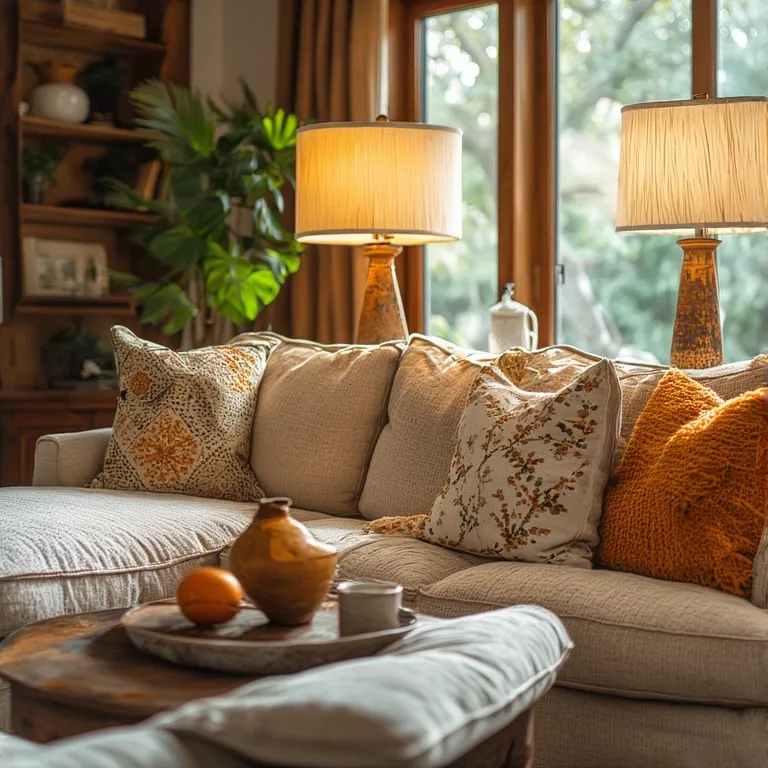
Classic lamps with fabric shades create soft lighting. They make the room feel warm and inviting.
Choosing Soft Light Bulbs
Soft, warm bulbs are best for traditional spaces. They create a cozy glow that feels relaxing.
12. Traditional Fireplace Design
Stone and Wood Mantels
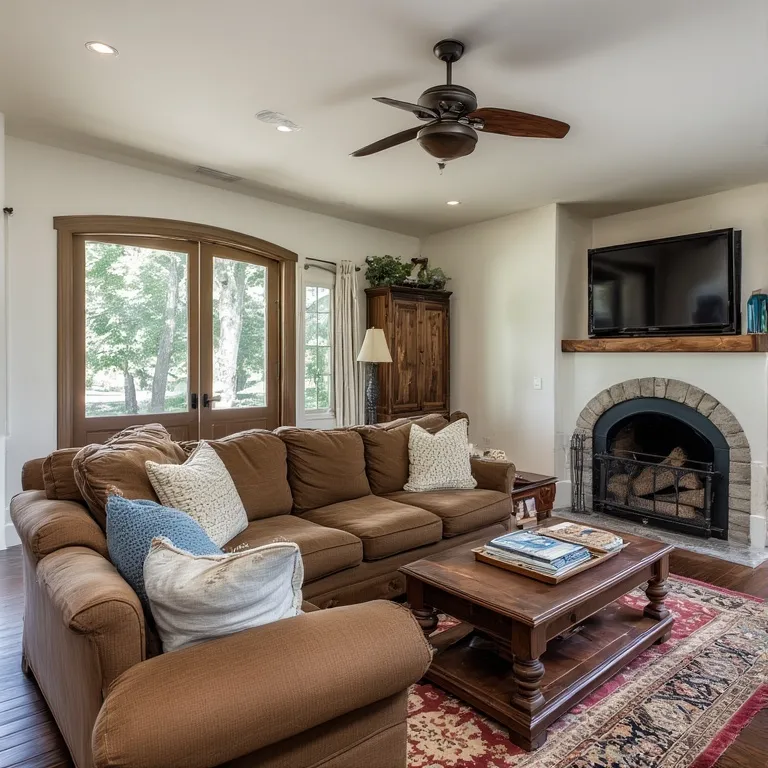
Fireplaces are often the heart of a traditional living room. Stone or wood mantels add character and warmth.
Decorating the Mantel Area
Decorating the mantel with mirrors, art, or candles adds charm without overpowering the space.
13. Symmetrical Furniture Arrangement
Creating Visual Harmony
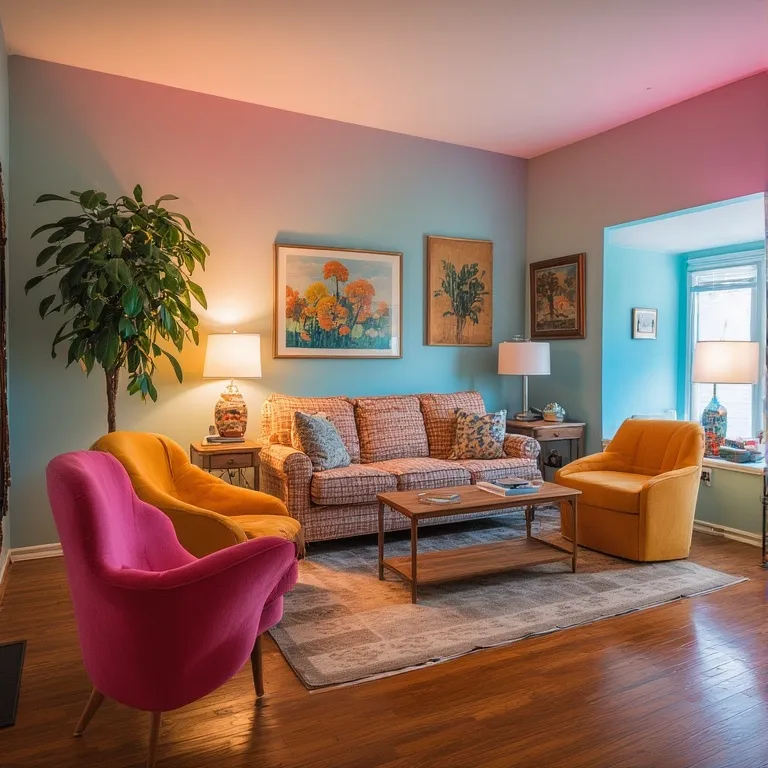
Symmetry helps the room feel balanced. Matching chairs or lamps on both sides of the sofa create harmony.
Common Layout Mistakes to Avoid
Avoid pushing all furniture against the walls. Traditional rooms feel better when furniture is grouped for conversation.
14. Natural Materials and Textures
Wood, Stone, and Fabric
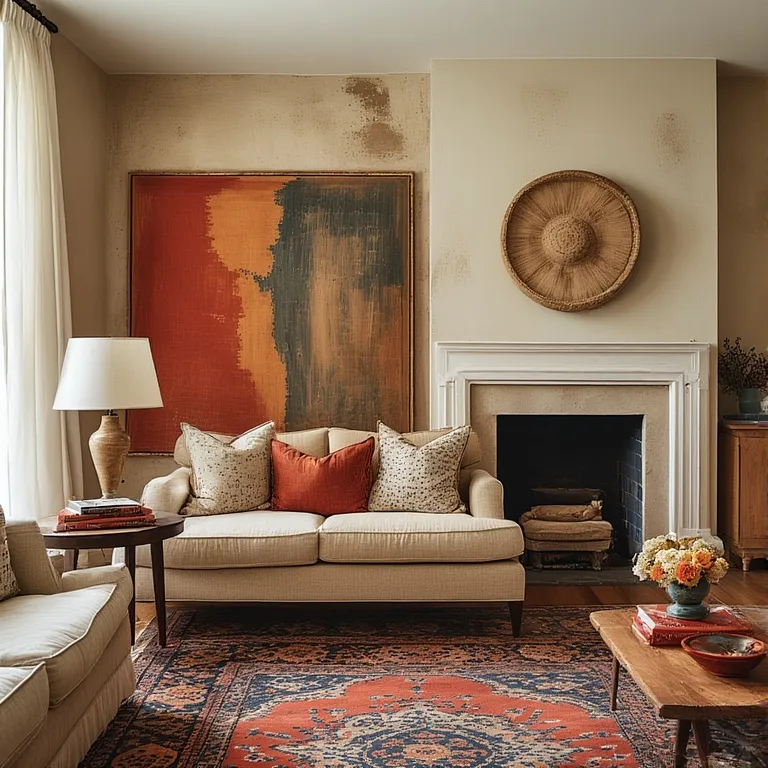
Natural materials are key to traditional decor. They add texture and make the room feel grounded and real.
Why Natural Materials Last Longer
These materials are strong and age well. They don’t lose their charm over time, making them a smart choice.
15. Personal Touches That Tell a Story
Family Photos and Memories
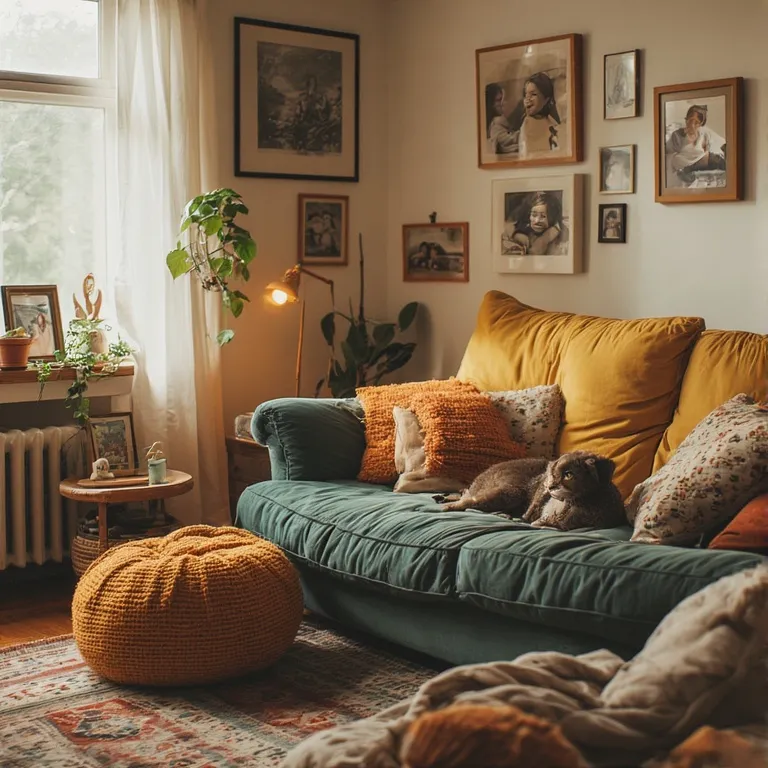
Personal items make the living room feel truly yours. Family photos add warmth and emotion.
Making the Space Feel Lived-In
A traditional living room should feel lived-in, not staged. Small imperfections add character and life.
Conclusion
Why Traditional Living Room Decor Is a Smart Choice
Traditional living room decor stands the test of time because it focuses on comfort, quality, and beauty. It doesn’t chase trends but builds a space that feels welcoming year after year. With the right choices, a traditional living room can last a lifetime, growing more beautiful with age.
FAQs
1. Is traditional living room decor expensive?
Not always. You can build it slowly with quality pieces over time.
2. Can I mix modern items with traditional decor?
Yes, mixing styles can make the room feel fresh and balanced.
3. What colors work best for traditional living rooms?
Warm neutrals like beige, cream, and brown work best.
4. Are traditional living rooms good for families?
Absolutely. They are comfortable, durable, and welcoming.
5. How can I update a traditional living room without changing everything?
Small updates like pillows, lamps, or rugs can refresh the space easily.