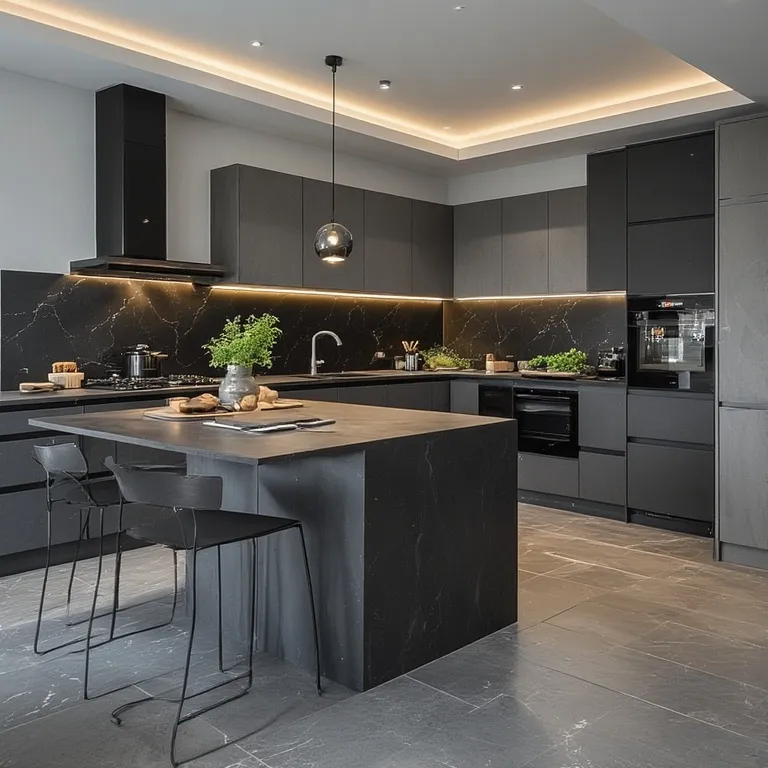

15 Kitchen Layout Planning Guide for a More Functional Home

Designing a kitchen is like setting up the control center of your home. It’s where meals are made, stories are shared, and memories are cooked along with food. A well-planned kitchen layout makes daily tasks easier, faster, and more enjoyable. If your kitchen layout is wrong, even the best appliances won’t help. This guide will walk you through 15 simple and practical kitchen layout planning tips to help you create a more functional and happy home. Let’s break it down step by step, using easy words and real-life examples so anyone can understand and apply these ideas.
Understanding the Importance of Kitchen Layout Planning
Kitchen layout planning is not just about looks; it’s about how your kitchen works every day. A good layout saves time, reduces stress, and makes cooking feel less like work and more like fun. Imagine trying to cook while walking back and forth too much—sounds tiring, right? That’s what a poor layout does. A smart plan helps you move smoothly between cooking, cleaning, and storing food. It also improves safety by keeping hot areas away from busy walkways. When the layout is right, your kitchen becomes a place you actually enjoy spending time in, not a place you rush out of.
Assessing Your Kitchen Space Before Planning
Before choosing any layout, you must understand your kitchen space clearly. Measure the length, width, and height of the room. Note where doors, windows, and plumbing points are. This step is like knowing the size of your playground before deciding what games you can play. A small kitchen needs smart planning to avoid clutter, while a large kitchen needs balance so it doesn’t feel empty or awkward. Knowing your space helps you choose a layout that fits naturally instead of forcing ideas that won’t work.
Identifying Your Kitchen Needs and Lifestyle
Every family uses the kitchen differently. Some people cook every day, others only on weekends. Some love hosting guests, while others prefer quiet meals. Ask yourself simple questions: How many people use the kitchen at once? Do you need more storage or more counter space? Do kids or elderly family members use it often? Your answers shape the layout. A kitchen should fit your life like comfortable shoes—supportive, practical, and easy to move in.
Check Also : 15 Symmetrical Bedroom Designs Trending Worldwide
Single Wall Kitchen Layout
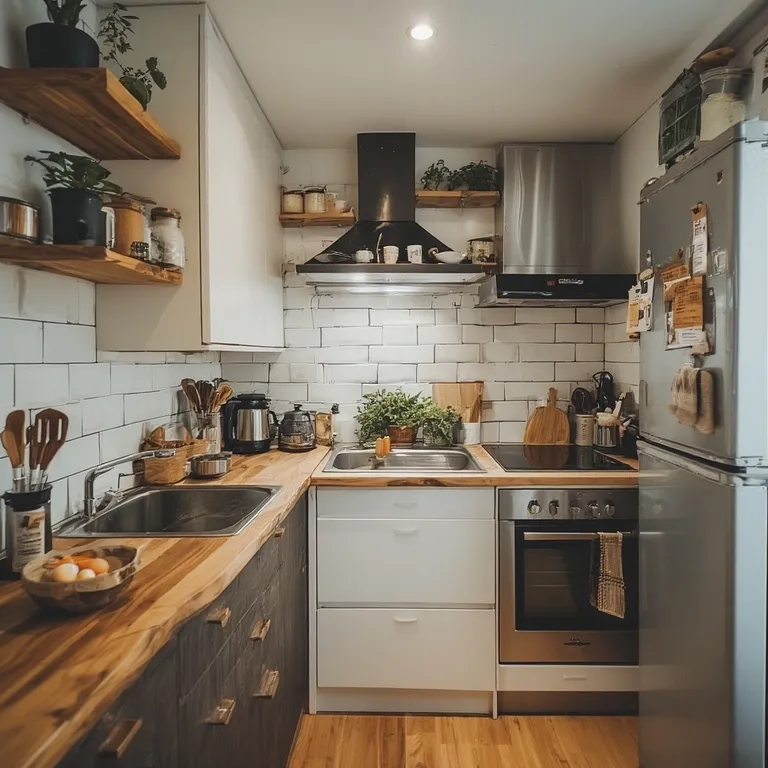
A single wall kitchen has all cabinets, appliances, and counters on one wall. This layout is perfect for small apartments or studio homes. It saves space and keeps everything within reach. While it may look simple, smart storage and good lighting can make it very functional. It’s like a straight road—easy to follow and simple to use. To make it better, use vertical cabinets and keep the counter clutter-free.
Galley Kitchen Layout
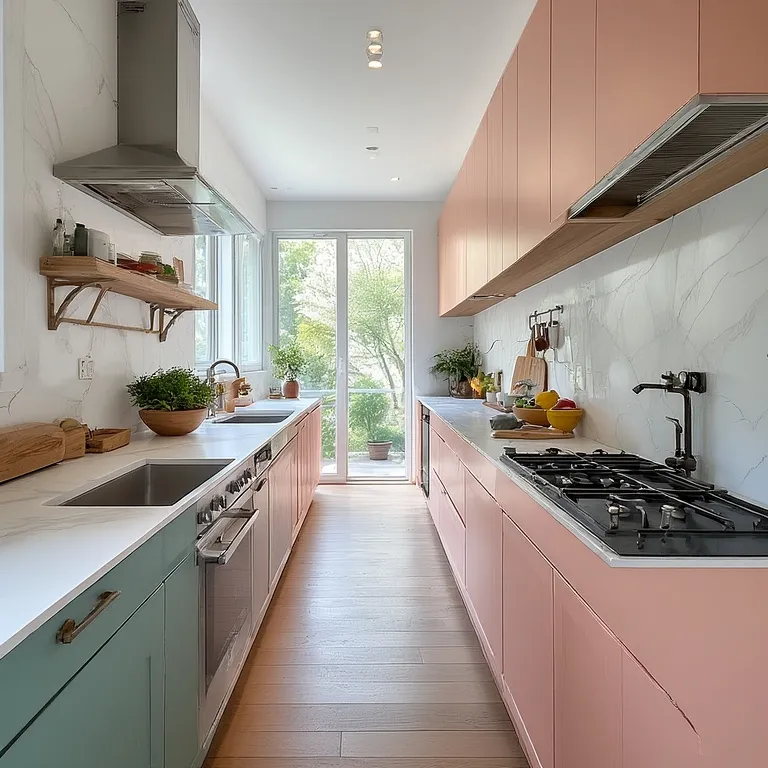
A galley kitchen has two parallel walls facing each other. This layout is great for efficiency because everything is close. Professional chefs often prefer it because it reduces walking. However, it can feel narrow if not planned well. Good lighting and light colors help avoid a boxed-in feeling. Think of it like a hallway with purpose—every step counts and every space is used wisely.
L-Shaped Kitchen Layout
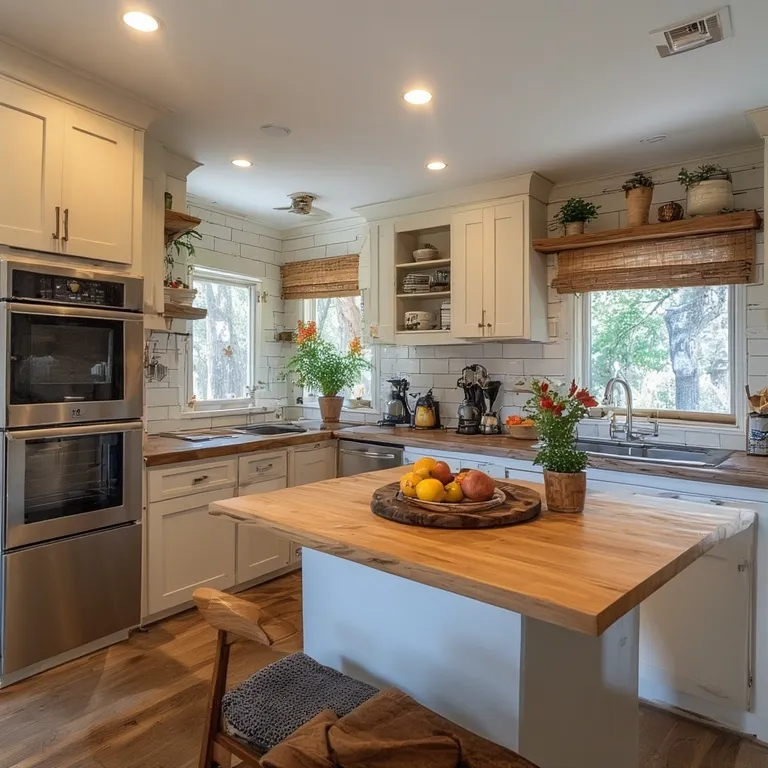
An L-shaped kitchen uses two walls that meet at a corner. This layout is flexible and works well for both small and medium spaces. It allows good movement and can easily include a small dining area or island. The corner space can be used with smart storage solutions like rotating shelves. This layout feels open and friendly, making it great for family homes.
U-Shaped Kitchen Layout
A U-shaped kitchen surrounds you on three sides with cabinets and counters. It offers plenty of storage and workspace, making it ideal for people who love to cook. Everything is within reach, which reduces effort. However, it needs enough space to avoid feeling cramped. Picture it like a cozy nest—secure, organized, and efficient when done right.
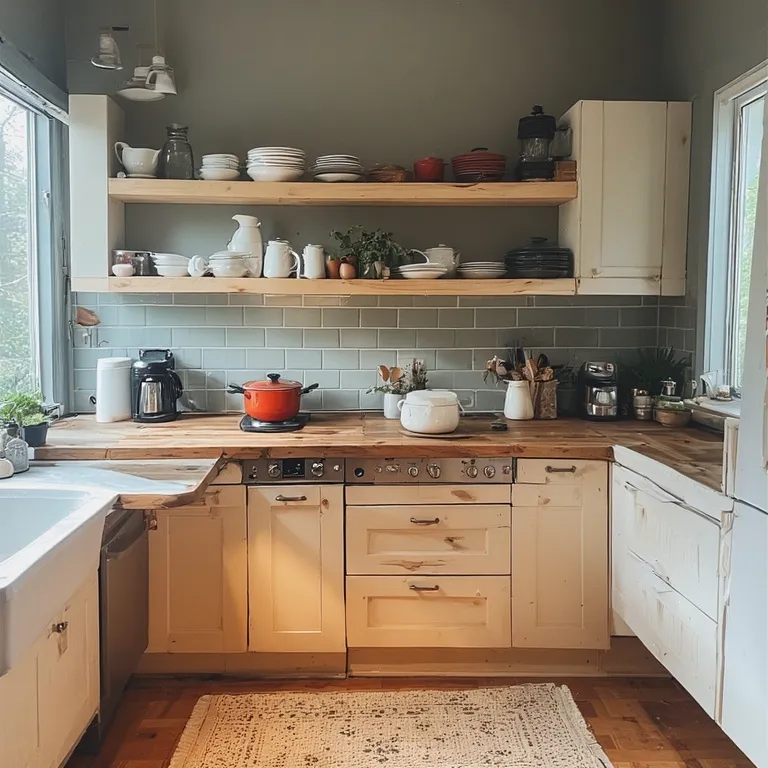
Peninsula Kitchen Layout
A peninsula is like a connected island. It extends from a wall or cabinet and offers extra counter space. This layout works well when there’s not enough room for a full island. It also creates a soft separation between kitchen and living areas. Think of it as a helpful arm—supportive without taking over the space.
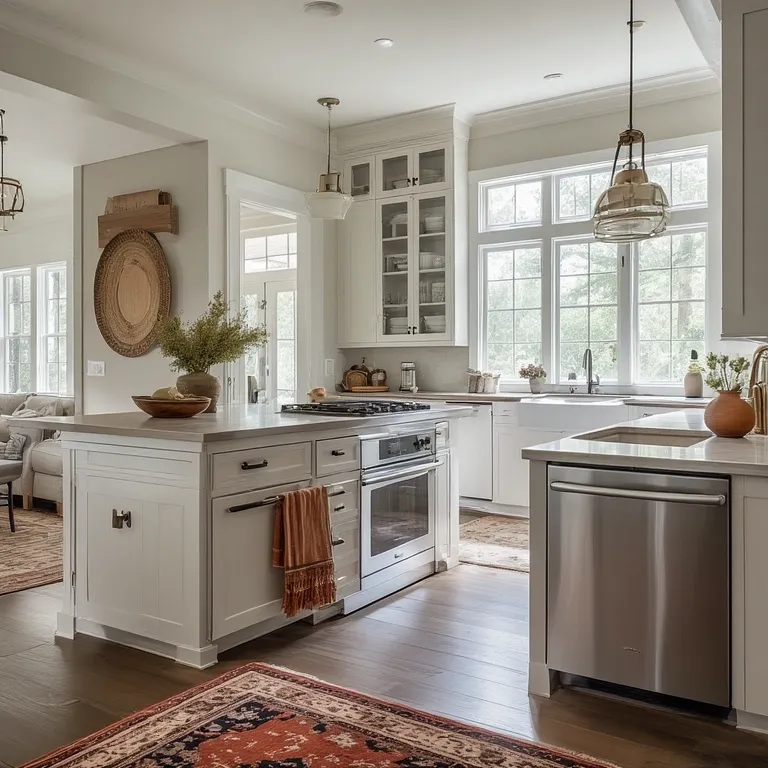
Open Kitchen Layout for Modern Homes
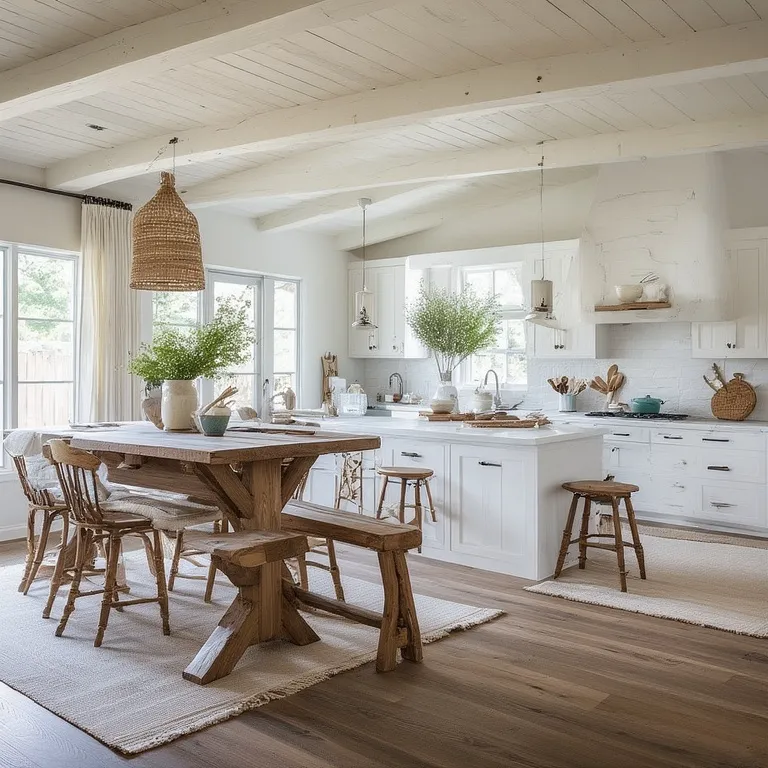
Open kitchens connect directly with living or dining areas. They feel spacious and bright. This layout is perfect for modern homes and families who love interaction. Cooking while talking to guests becomes easy. However, good organization is important because everything is visible. A clean layout keeps the open kitchen feeling fresh and welcoming.
Closed Kitchen Layout for Privacy
Closed kitchens are separate rooms with doors. They keep cooking smells and noise contained. This layout is ideal for heavy cooking or when privacy matters. It also allows more freedom in design since it’s hidden from guests. Closed kitchens feel traditional and calm, like a quiet workspace where you can focus.
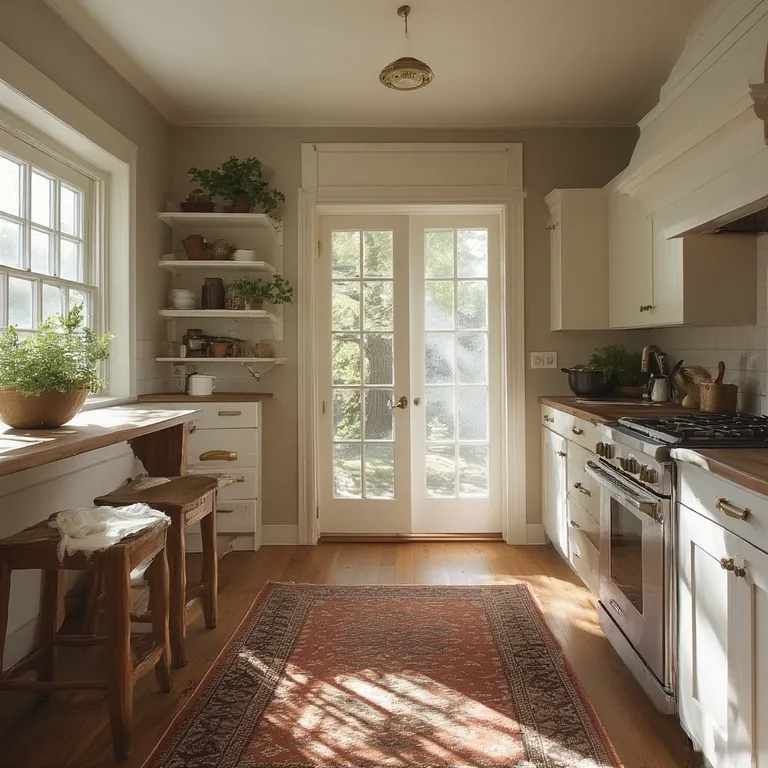
Storage Planning for a Functional Kitchen
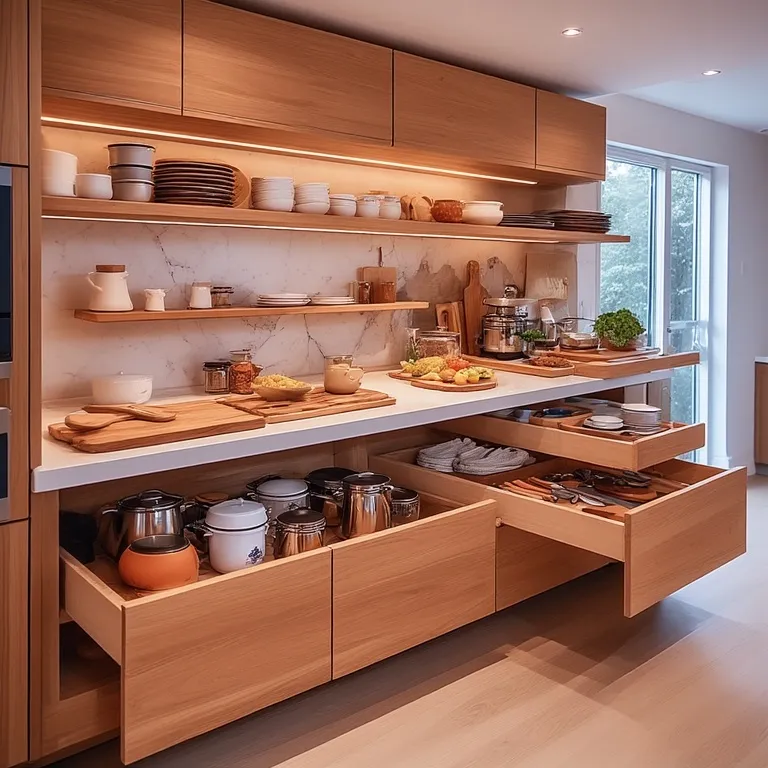
Storage can make or break a kitchen. Use drawers, pull-out shelves, and tall cabinets to maximize space. Store daily items within easy reach and rarely used items higher up. Good storage reduces clutter and saves time. It’s like having a place for everything—when you know where things are, cooking becomes stress-free.
Lighting and Ventilation Considerations
Good lighting helps you see clearly while cooking and cleaning. Use a mix of task lighting and general lighting. Ventilation removes heat, smoke, and odors, keeping the kitchen fresh. A well-lit and well-ventilated kitchen feels comfortable and safe. It’s like opening a window to let fresh air and energy flow in.
Choosing the Right Materials and Finishes
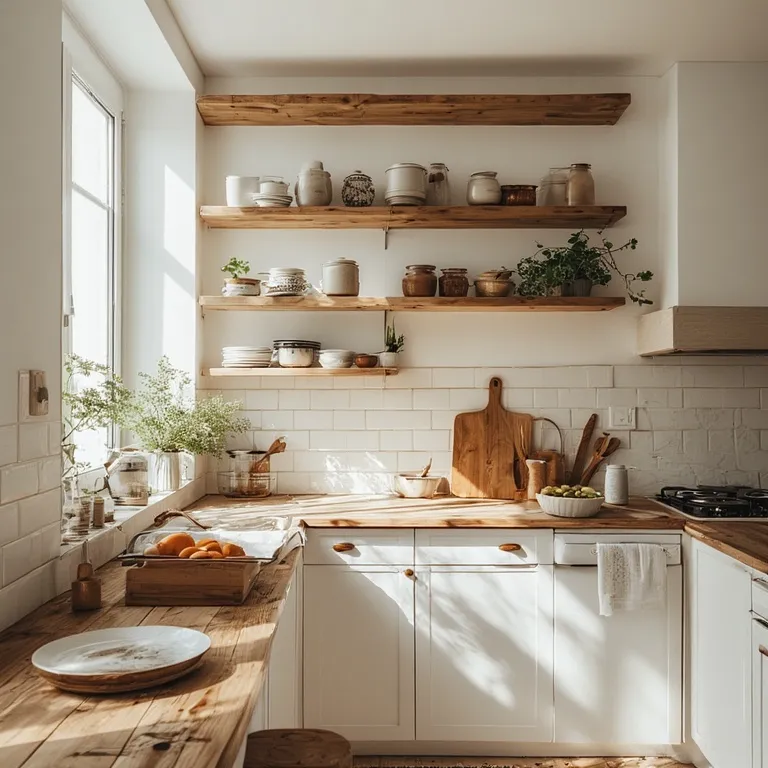
Materials should be durable and easy to clean. Choose countertops that resist stains and cabinets that last long. Finishes should match your style but also be practical. Light colors make small kitchens feel bigger, while darker tones add warmth to large spaces. The right materials balance beauty and function.
Future-Proofing Your Kitchen Design
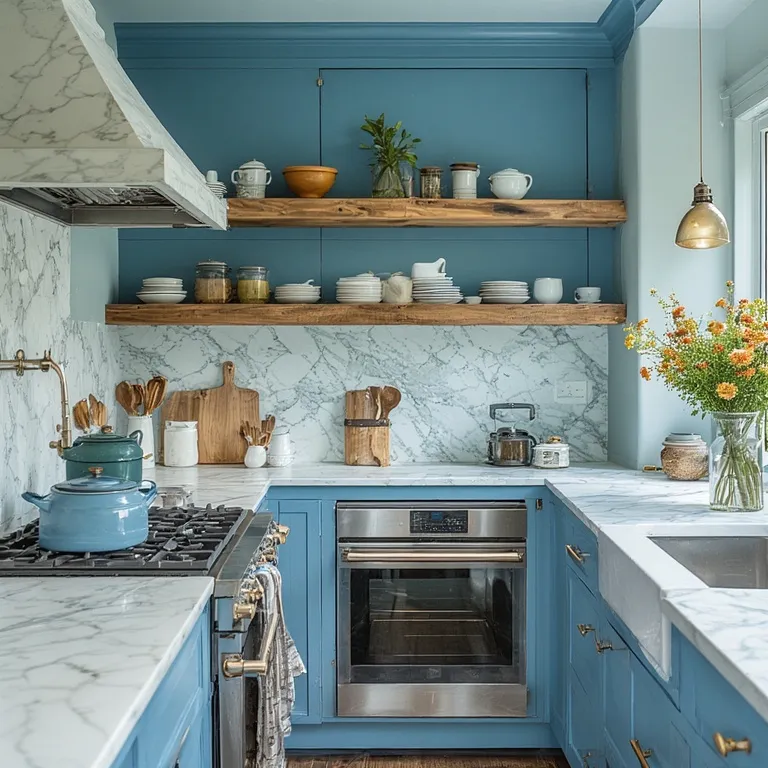
Plan for the future by choosing flexible layouts and durable materials. Think about changing needs, like kids growing up or aging family members. A future-ready kitchen saves money in the long run. It’s like planting a tree—you plan today for shade tomorrow.
Conclusion
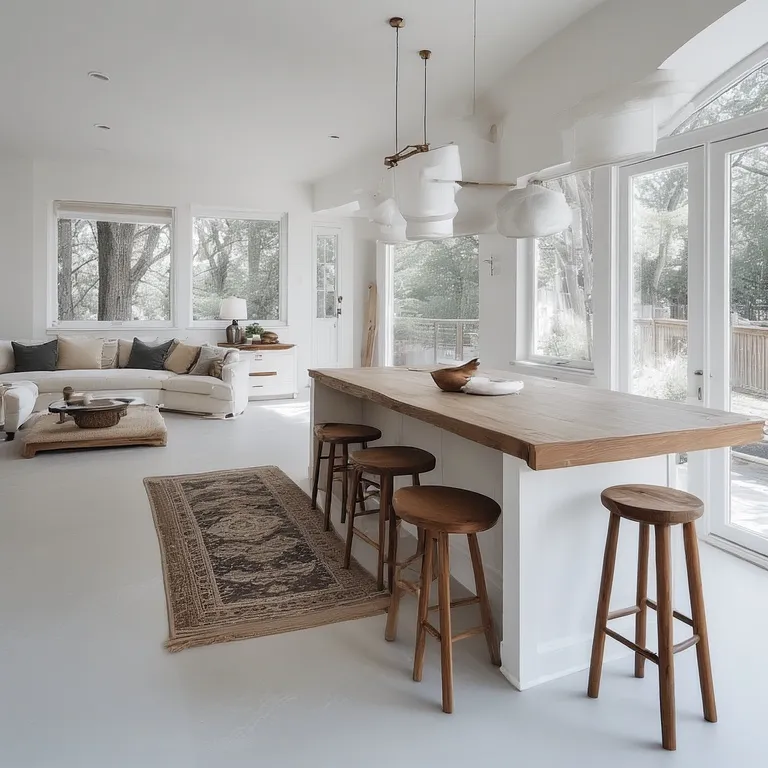
A well-planned kitchen layout is the foundation of a functional home. It improves daily life, saves time, and adds comfort. By understanding your space, needs, and layout options, you can create a kitchen that truly works for you. Remember, the best kitchen is not the most expensive one—it’s the one that fits your life perfectly.
FAQs
1. What is the most functional kitchen layout?
The most functional layout depends on your space and lifestyle, but L-shaped and U-shaped layouts are very popular for efficiency.
2. Is an island suitable for small kitchens?
Only if there is enough space. Otherwise, a peninsula is a better option.
3. Why is the kitchen work triangle important?
It helps reduce movement and makes cooking faster and easier.
4. How can I make a small kitchen feel bigger?
Use light colors, good lighting, and smart storage solutions.
5. Should I choose an open or closed kitchen?
Choose open for social living and closed for privacy and heavy cooking.
Please don’t forget to leave a review.