
15 Green Kitchen Remodeling Ideas for Conscious Homes

Green Kitchen Remodeling is not about following trends or buying the most expensive products. It is about making thoughtful choices that reduce harm to the environment while keeping daily life comfortable. A conscious kitchen focuses on saving energy, cutting waste, and using materials that are safer for people and nature. When you remodel with care, your kitchen becomes a place that supports healthy living. It feels lighter, works better, and costs less to run over time. Green remodeling is not a single action. It is a mix of small, smart steps that slowly build a better home.
The Idea Behind Conscious Remodeling
Conscious remodeling means thinking beyond looks. It asks how materials are made, how long they last, and how they affect daily life.
Small Choices That Shape a Better Home
Even small updates, like lighting or faucets, can create a strong positive effect when added together.
Using Reclaimed and Recycled Materials
Reclaimed and recycled materials bring new life into the kitchen. Old wood, reused metal, and recycled glass reduce the need for new resources. These materials often carry texture and detail that new products lack. By using them, you reduce waste and give your kitchen a unique personality that feels real and warm.
Check Also : 15 High End Lighting Trends for Luxurious Living Rooms
Giving Old Materials a Fresh Role
Materials from old homes or furniture are cleaned and reused. This saves energy and keeps useful items out of landfills.
Beauty With a Past
Marks and patterns tell a story. They make the kitchen feel lived-in and honest.

Energy-Saving Kitchen Appliances
Modern appliances are built to work smarter. They use less power while still performing well. From fridges to ovens, energy-saving models help lower bills and reduce energy use every day. Over time, these small savings grow into big benefits.
Cooking With Less Power
Smart appliances adjust energy use based on need. They avoid waste without changing how you cook.
Everyday Savings Without Effort
Once installed, the savings happen quietly in the background.

Water-Efficient Faucets and Fixtures
Water-efficient faucets help control how much water flows during use. They keep strong pressure while reducing waste. This makes daily tasks easy while saving water.
Smarter Water Use
Less water goes down the drain, but comfort stays the same.
Less Waste, Same Comfort
These fixtures work without changing habits.

Green Countertop Options
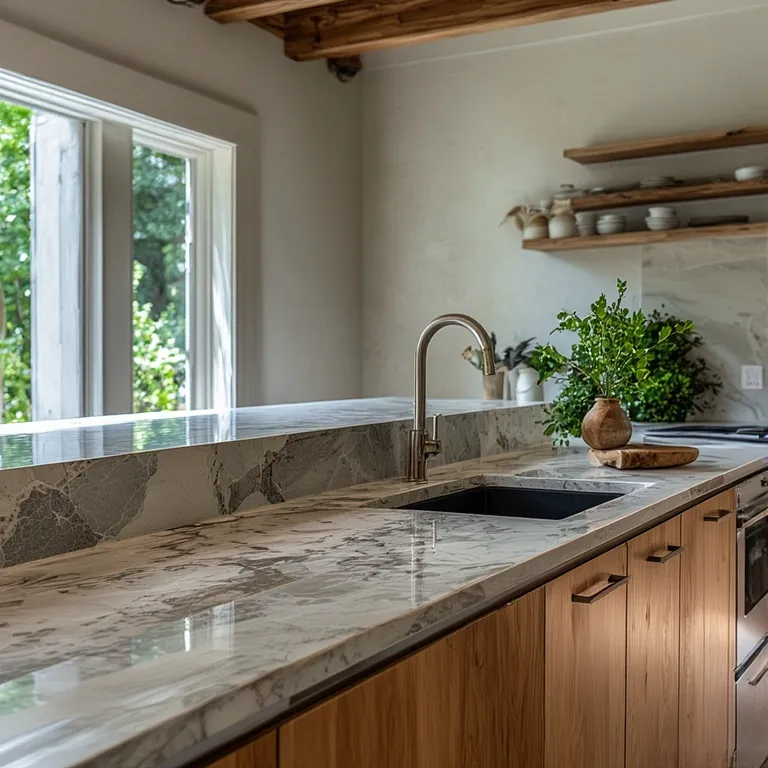
Countertops can be eco-friendly and strong at the same time. Recycled glass, bamboo, and natural stone are popular choices. They resist heat and damage while reducing environmental impact.
Natural and Recycled Surfaces
These materials come from reused or fast-growing sources.
Long-Lasting and Easy to Care For
They stay beautiful with simple care.
Eco-Friendly Kitchen Cabinets
Cabinets take up a lot of space, so choosing green options matters. Look for cabinets made from sustainable wood or low-emission materials. They improve air quality and last longer.
Low-Impact Wood Choices
Sustainable wood comes from well-managed forests.
Cabinets That Last for Years
Strong build quality reduces the need for replacement.

LED and Natural Lighting
Lighting shapes how the kitchen feels. LED lights use less power and last longer. Natural light reduces the need for artificial lighting during the day.
Bright Spaces With Low Energy
LEDs give strong light without heat.
Letting Sunlight Do the Work
Large windows and open layouts invite daylight inside.

Smart Waste and Compost Areas
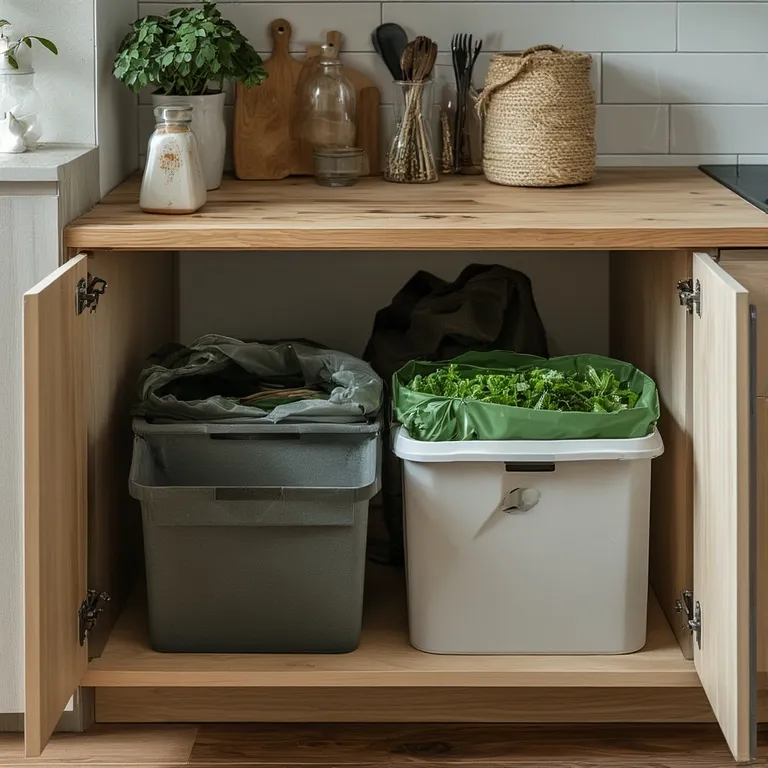
Built-in waste systems help sort trash, recycling, and compost. When bins are easy to reach, people use them more often.
Organizing Kitchen Waste
Clear sections keep things clean and simple.
Making Green Habits Easy
Good design supports better daily choices.
Safe Paints and Finishes
Low-toxin paints protect indoor air. They reduce strong smells and harmful particles.
Cleaner Air in the Kitchen
These paints support better breathing and comfort.
Colors That Feel Good to Live With
You still get rich color without harsh fumes.

Sustainable Flooring Materials
Eco-friendly floors include bamboo, cork, and recycled tiles. These options are strong and comfortable.
Flooring That Respects Nature
They use renewable or reused materials.
Comfort and Strength Combined
Many feel warm and reduce noise.

Energy-Efficient Cooking Methods
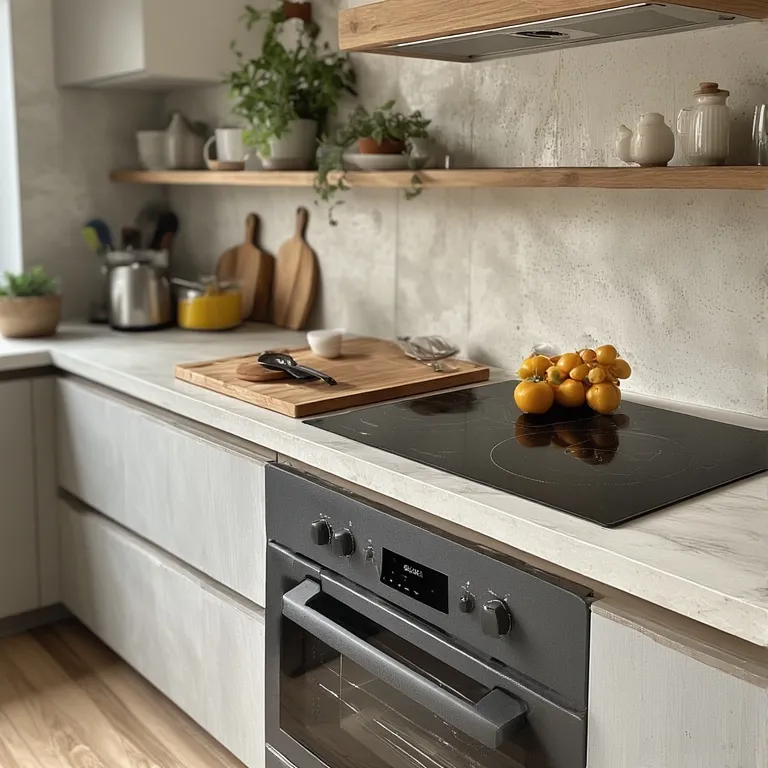
Modern cooktops, like induction, use energy more wisely. They heat food faster and waste less power.
Induction and Modern Cooktops
Heat goes straight to the pot.
Faster Meals, Lower Energy Use
Cooking becomes quicker and safer.
Indoor Plants and Herb Corners
Growing herbs in the kitchen reduces packaging and adds fresh flavor. Plants also improve mood and air quality.
Growing Food at Home
Herbs are easy to grow near windows.
A Natural Touch Indoors
Green plants soften the space.

Better Kitchen Ventilation
Good airflow removes heat and smells without heavy energy use. Natural ventilation reduces the need for fans.
Fresh Air Without Extra Power
Windows and vents guide air naturally.
Keeping the Kitchen Comfortable
Clean air improves daily comfort.

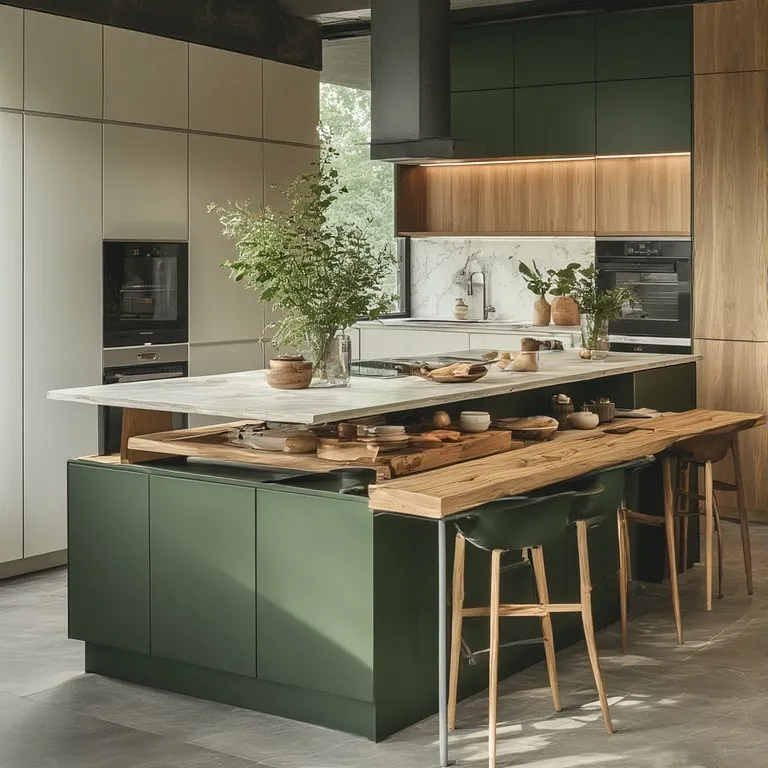
Multi-Purpose Kitchen Design
A green kitchen uses space wisely. Multi-use furniture reduces clutter and material use.
Making the Most of Every Inch
Islands can store, prep, and serve.
Flexible and Functional Spaces
Design adapts as needs change.
Planning for Long-Term Use
A conscious kitchen is built to last. Avoid short-lived trends and focus on timeless design.
Designs That Do Not Age Fast
Simple layouts stay useful longer.
A Kitchen That Adapts Over Time
Flexibility keeps the kitchen relevant.

Conclusion
Green kitchen remodeling is about balance. It blends comfort, style, and care for the environment. Each idea in this guide helps create a kitchen that works smarter and feels better to live in. When these ideas come together, they form a space that supports healthy living today and protects the future.
FAQs
1. Is green kitchen remodeling expensive?
Some upgrades cost more upfront, but most save money over time.
2. Can I remodel in stages?
Yes, small updates work well when done step by step.
3. Are green materials durable?
Many are built to last longer than standard options.
4. Do green kitchens look modern only?
No, they fit all design styles.
5. What is the easiest green upgrade?
Switching to LED lighting is a simple start.