
15 Floating Furniture Living Room Designs That Impress

Floating Furniture Living Room you’ll find a clear, friendly guide to floating furniture ideas for living rooms. Each heading and subheading has an easy-to-read explanation of 100+ words so you can picture the look and try it at home. These ideas are simple, stylish, and mix function with beauty. Ready to make your living room feel lighter, brighter, and modern? Let’s dive in.
Check Also : 15 Contemporary Living Room Decor Trends You Need to See
1. What is Floating Furniture?
Floating furniture means pieces that are attached to the wall or hung so their base doesn’t sit on the floor. Think wall-mounted TV consoles, shelves that hover, or coffee tables that seem to float. The main idea is to lift furniture off the floor so the room feels more open. This trick makes a space look cleaner and easier to move around. Floating furniture is great for a modern look, but it also helps in small rooms where floor space is precious. When chosen well, floating pieces bring a calm, neat feeling to your living room and make cleaning simpler too.
1.1 Why Floating Pieces Work in Living Rooms
Floating pieces work because they create a sense of air and light. When furniture doesn’t touch the floor, the eye sees more space, so a room looks bigger. This is helpful in compact apartments or in rooms with low ceilings. Floating items also make cleaning easier — you can sweep or vacuum under them without moving heavy furniture. Design-wise, they give a modern, neat look that feels thoughtful and stylish. Floating furniture also helps you show off flooring or rugs since nothing hides the floor. In short, floating pieces combine form and function: they look good and solve real-life needs.
1.1.1 Visual Lightness and Space Illusion
Visual lightness is when a room feels airy and uncluttered, and floating furniture gives you exactly that. The empty space below shelves or consoles tricks the brain into thinking the room has more depth. It’s like the difference between a heavy bookcase and a clear glass shelf — the clear shelf feels lighter, even if both hold the same items. This illusion is powerful in living rooms where comfort and space matter. Floating furniture also directs attention toward walls, art, or windows, helping you create focal points without crowding the floor. The result feels calm, intentional, and modern.
2. Floating TV Consoles and Media Walls
Floating TV consoles are a top trend. A wall-mounted media unit holds your TV, hides cables, and keeps the area neat. These consoles often include drawers or shelves for remotes, game consoles, and small decor. With the TV off the floor, the room looks tidy and relaxed. Floating media walls can be built with wood panels, painted drywall, or layered textures that pull the whole room together. This setup creates a clean entertainment area that feels like a mini living room stage — the TV is a star, and everything else supports it quietly and neatly.
2.1 Clean Look with Hidden Cables
One big advantage of floating TV consoles is hiding cables. Nothing looks messier than cords hanging down under a TV. Wall-mounted units can tuck wires behind panels or run them through small channels for a tidy finish. When cables are hidden, the whole wall feels polished and minimal. This is an easy styling win and makes the area safer for kids or pets. A neat media wall also makes it easier to add accent lighting or art around the TV without visual noise. The clean look elevates your living room from functional to thoughtfully designed.
2.1.1 Tips for Mounting and Safety
Mounting floating TV consoles needs some care. Use strong wall anchors and follow the weight limits for your unit. If you’re not sure about the wall type (plaster, brick, or drywall), it’s smart to ask a professional. Also, leave a little space behind the unit for airflow so electronics don’t overheat. For heavy TVs, mount them to studs or use a reinforced bracket. Safety matters more than style — a properly mounted console looks great and lasts longer. Once installed, enjoy the neat, weightless look and the freedom to style shelves without worrying about floor clutter.
3. Wall-Mounted Shelves and Storage
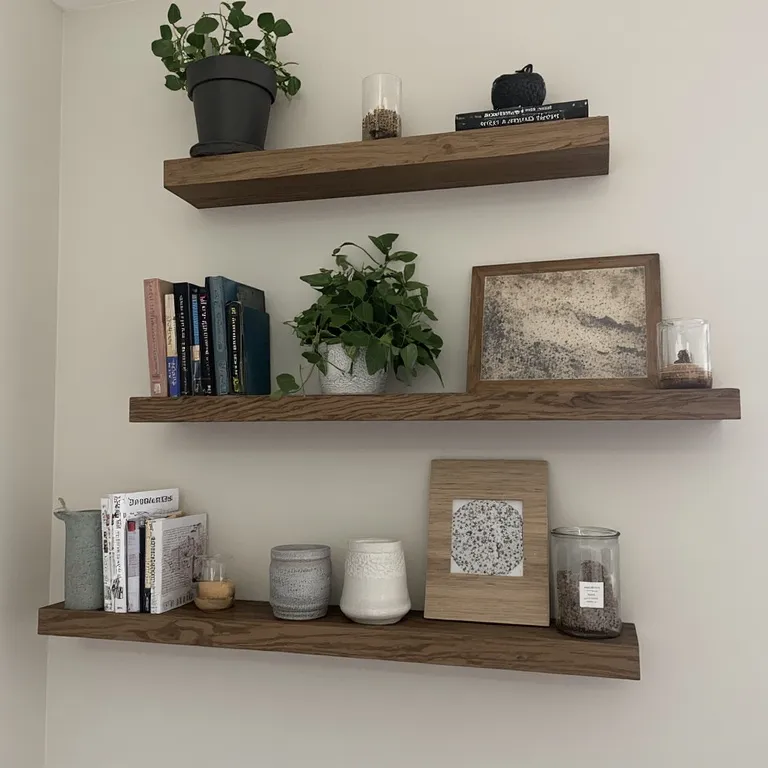
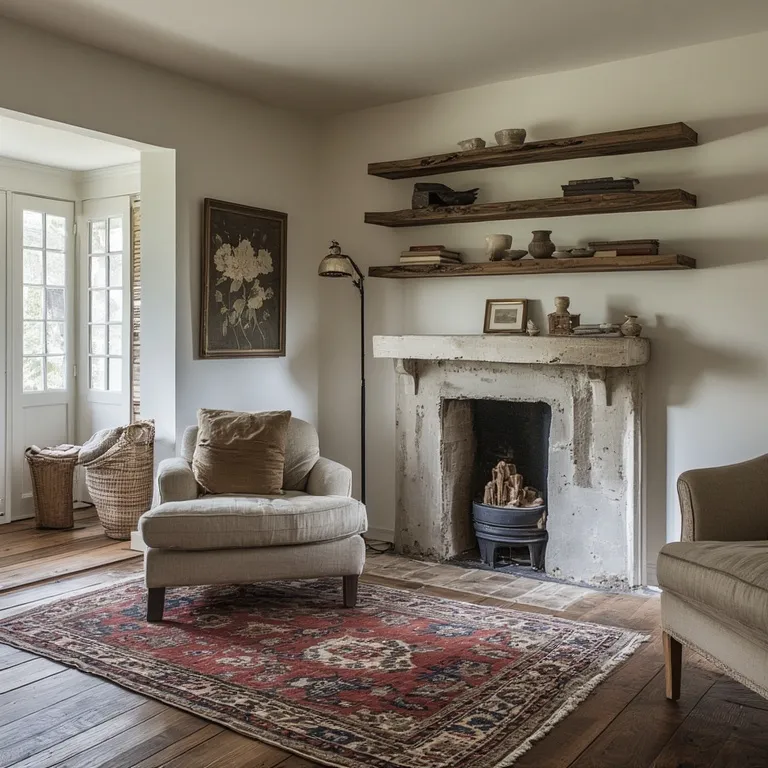
Wall-mounted shelves are classic floating pieces. They give storage without taking floor space. You can stack books, show plants, or place small art on these shelves. Shelving can be single thin boards for a minimalist look or layered boxes for a modern collage. Because shelves are off the floor, you can clean under them and use the space more cleverly. They also let you create vertical displays that draw the eye up, making the room feel taller. Good shelf styling balances function (storage) and fashion (display) so the room stays useful and pretty.
3.1 Styling Floating Shelves
Styling floating shelves is like arranging a small story on each board. Start with a few essential books, add a plant for life, and include a small art piece or candle for personality. Keep balance: don’t crowd one shelf while leaving another empty. Use odd numbers for objects — three pieces often look nicer than two or four. Change items by season to keep the room fresh. A mix of textures like ceramic, wood, and glass gives interest without being loud. Floating shelves let you show off items you love and keep the room tidy and charming.
3.1.1 Practical Storage Solutions
Floating shelves can be practical storage too. Use closed floating cabinets to hide clutter like game consoles or small electronics. Add baskets or boxes on lower shelves to store magazines or chargers. In small living rooms, floating storage keeps floors clear and makes cleaning easy. For heavy items, use reinforced brackets or attach shelves to studs. With clever placement, shelves can create a storage wall that looks like design, not clutter. This blends style and function perfectly — you get room to breathe and places to hide what you don’t want on show.
4. Floating Coffee Tables and Side Tables
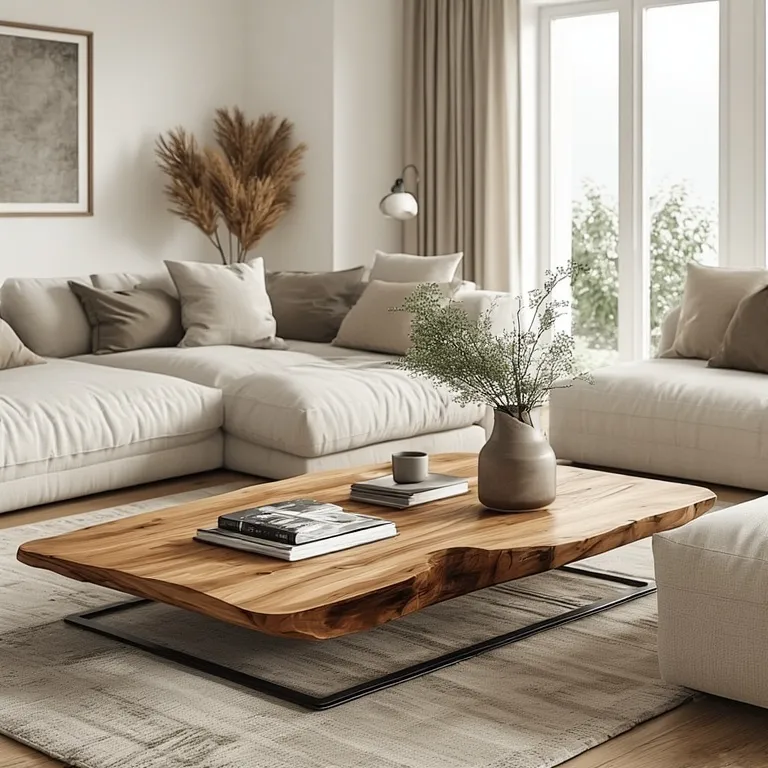
Floating coffee tables may be wall-mounted or hung by cables to create a floating look. They free the floor and give an airy, modern vibe to the center of the room. Side tables that float beside sofas are handy for lamps or drinks without heavy legs crowding the space. These tables can be thin wooden slabs, glass, or metal frames that seem to hover. A floating coffee table keeps the floor visible and makes the room feel less crowded — great when you want a sleek, modern living room that still works for daily life.
4.1 Materials That Work Best
Materials for floating tables must be sturdy and light-looking. Wood gives warmth, metal adds industrial edge, and glass or acrylic creates an almost invisible effect. Choose materials based on the room’s look: warm wood for a cozy feel, glass for a minimalist look, and metal for a modern touch. Make sure the mounting hardware matches the table’s weight and use. For high-traffic homes, pick durable surfaces that resist stains and scratches. The right material helps the table feel both practical and stylish, blending into your living room’s overall theme.
4.1.1 Small-Space Tricks
In small living rooms, floating coffee tables are a lifesaver. A narrow floating table leaves room to move and still gives you a surface for drinks or decor. Use side-mounted fold-away tables that tuck away when not needed. You can also place a floating table against a wall and pull it out when guests come — it’s a neat space saver. Keep the table close to seating so it feels useful. These tricks help small rooms stay open while keeping everything handy and stylish.
5. Suspended Seating and Floating Sofas
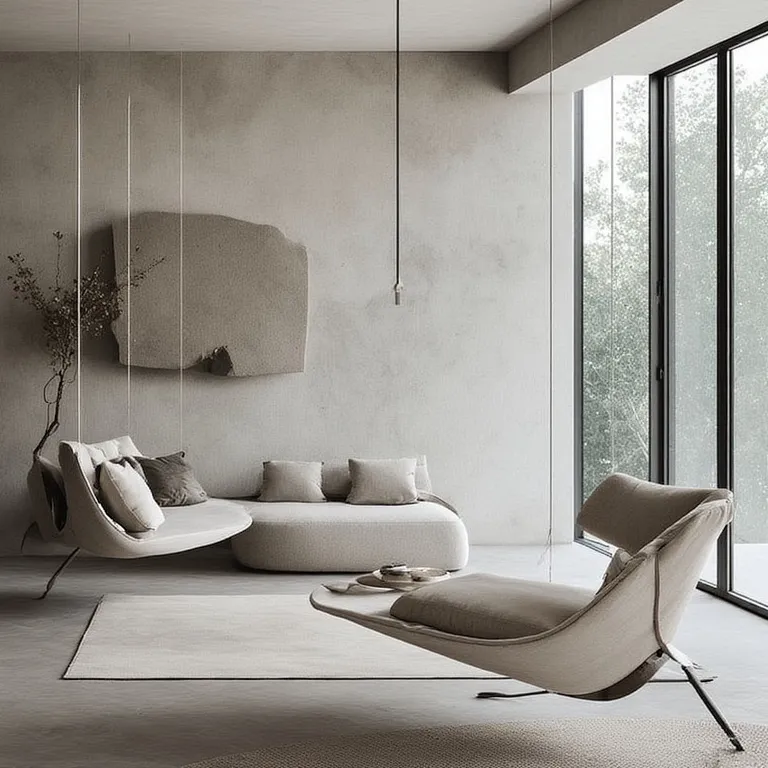
Suspended seating and floating sofas are bold ideas that make a room stand out. Some modern designs use cantilevers or hidden supports to give the sofa a floating feel. Other options are hanging chairs or swings that dangle from the ceiling. Suspended seats add playfulness and a relaxed vibe. They work great in casual modern homes or creative spaces. Make sure the ceiling structure supports the weight and that the hanging hardware is rated for safety. When done right, suspended seating becomes part art, part cozy nook — an instant conversation piece.
5.1 Comfort Meets Minimalism
A floating sofa blends comfort with clean lines. It keeps the floor visible and avoids heavy legs. Designers often add soft cushions or low-profile upholstery to keep the sofa cozy. Suspended chairs give a fun, relaxed seat that invites lounging. Comfort is key — floating pieces should feel supportive and safe. Minimal design paired with plush cushions gives you a sofa that looks light but feels great. The mix of comfort and minimalism keeps your living room modern without losing its warmth.
5.1.1 Safety and Installation Notes
Safety matters with suspended seating. Use proper anchors and hardware rated for the load. Consult a professional if you’re unsure about ceiling joists or wall strength. Make sure the hanging point is secure and that any moving parts are checked regularly. For floating sofas with hidden supports, follow manufacturer instructions and use proper installers. When safety is handled, suspended seating delivers a fun and stylish focal point that’s both safe and long-lasting.
6. Floating Room Dividers and Shelving Units
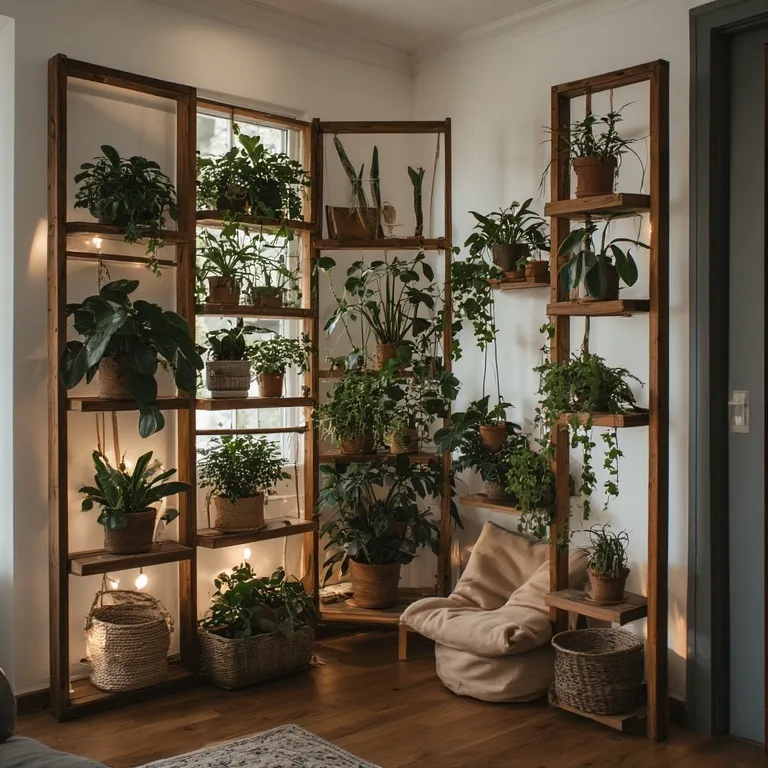
Floating room dividers are shelves or panels that hang to divide a living room without closing it off. They define zones — like separating a reading nook from a TV area — while keeping sightlines open. These dividers can be narrow shelves filled with plants or open panels that let light pass through. They’re perfect for open-plan homes or studio apartments where you want separate areas but also a sense of flow. Floating dividers create pockets of privacy and visual interest without heavy walls, making the room feel modern and flexible.
6.1 Creating Zones Without Walls
Floating dividers give you zones without building walls. Use a tall floating shelf to hold books and plants, or hang a slatted wood panel to hint at separation. The divider defines space while keeping air and light moving through the room. This is helpful in homes where you want a dining area, office corner, and living space all in one room. Dividers can be moved or restyled, giving you flexible layout options. They’re a clever way to organize space visually without losing the open, airy feel.
6.1.1 Light and Airflow Benefits
Because floating dividers don’t touch the floor fully, they don’t block airflow. Light moves around them, making the whole room feel brighter. This keeps the space comfortable and avoids dark corners that feel cramped. Plants on floating dividers brighten the air and add life. So you get privacy and separation without the weight of a wall. The result is a living room that breathes, with clear paths and cozy corners that still feel part of a whole.
7. Floating Consoles and Entryway Furniture
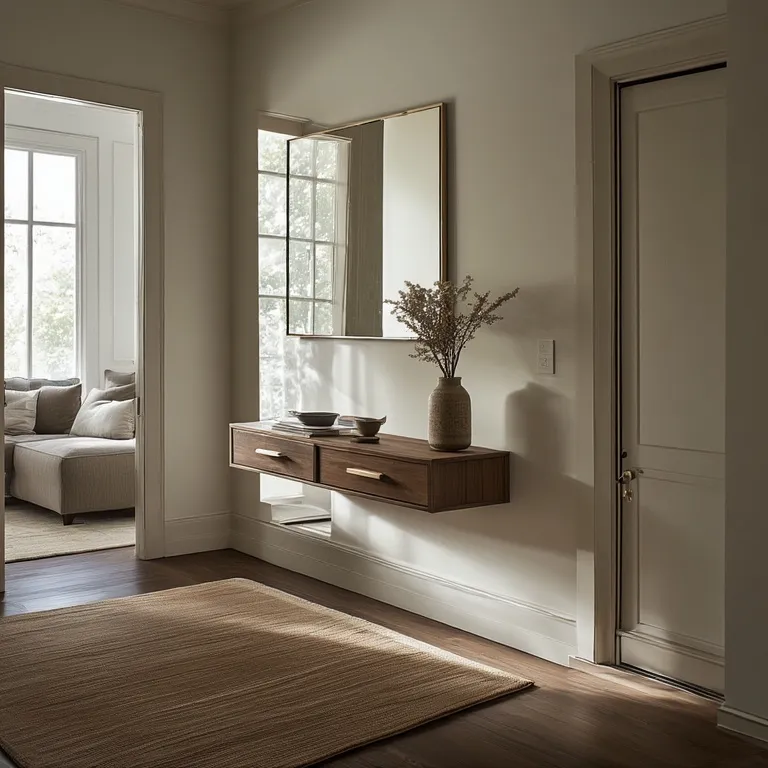
Floating consoles under a mirror or by the door keep entryways neat and stylish. They give you a place to drop keys and mail without cluttering the floor. These wall-mounted consoles can have drawers for hidden storage and a slim top for everyday items. They make small entry areas feel bigger since nothing sits on the floor. In living rooms that open to the entry, a floating console pulls the look together and keeps the first impression clean and modern.
7.1 Style and Storage Combined
Floating entry consoles combine looks and function. Choose a design with hidden drawers to keep clutter out of sight. Add a mirror above to bounce light and make the space feel larger. Use a slim shelf under the console for shoes or baskets. The key is to keep it simple and tidy — floating consoles look best when uncluttered. This gives your guests a calm, organized entrance and keeps your daily routine smoother.
7.1.1 Choosing the Right Height
Set floating consoles at a comfortable height for dropping keys and sorting mail. Around hip height (about 30–36 inches) works well for most people. Keep a little clearance under the console for easy cleaning or shoe storage. If you plan to sit nearby, leave enough knee room. The right height makes the console feel natural and useful, not awkward. Proper placement keeps the space functional and visually balanced.
8. Integrated Floating Lighting
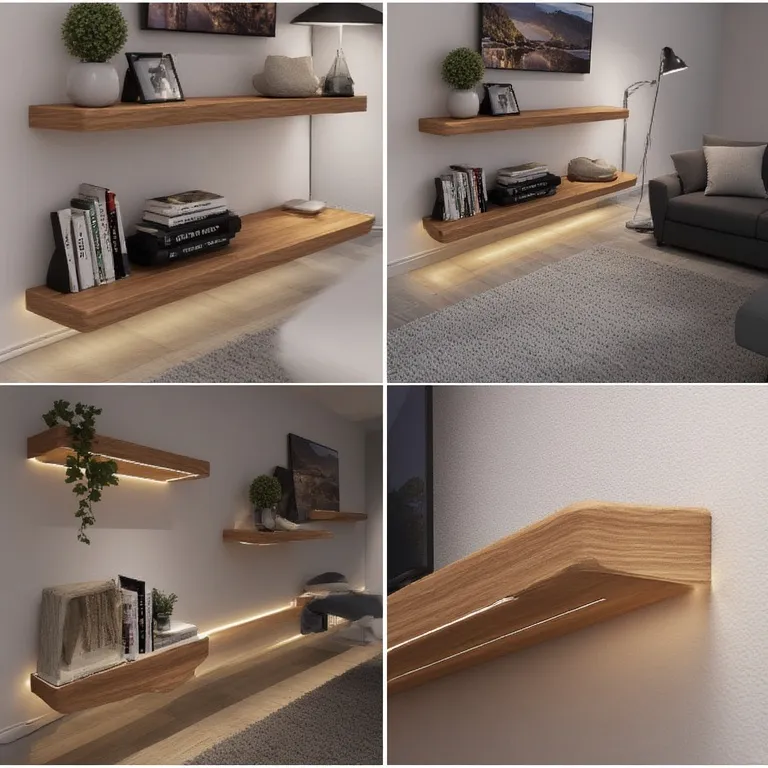
Lighting built into floating furniture makes a modern, polished look. Think shelves with LED strips underneath, or a floating head unit with hidden lights that glow at night. Integrated lighting highlights decor, creates soft moods, and helps with tasks like reading. It also adds depth to the floating effect — light under a shelf makes it literally glow and look more weightless. This detail can bring a cozy, refined feel to the living room without adding floor lamps or clutter.
8.1 Under-Shelf and Hidden LED Strips
LED strips under shelves are a neat, low-profile option. They light the surface below and create a gentle glow that’s perfect for evenings. LEDs use little power and come in warm or cool tones. Hidden LEDs behind a floating console can act as night lighting or set a mood for movie time. Use dimmers to change brightness and switch between tasks like cleaning and relaxing. Integrated LEDs add function and style, making your floating furniture feel thoughtful and modern.
8.1.1 Warm vs Cool Light Choices
Warm light (2700K–3000K) feels cozy and works great in living rooms. Cool light (4000K+) is brighter and better for tasks. For floating furniture, warm LEDs usually look nicer because they soften the edges and create a welcoming mood. If you use LEDs for reading or detail work, add a focused task light instead of cooling the whole space. Choosing the right light temperature helps floating pieces blend with the room’s style and keeps the mood just right.
9. Floating Accent Walls and Panels
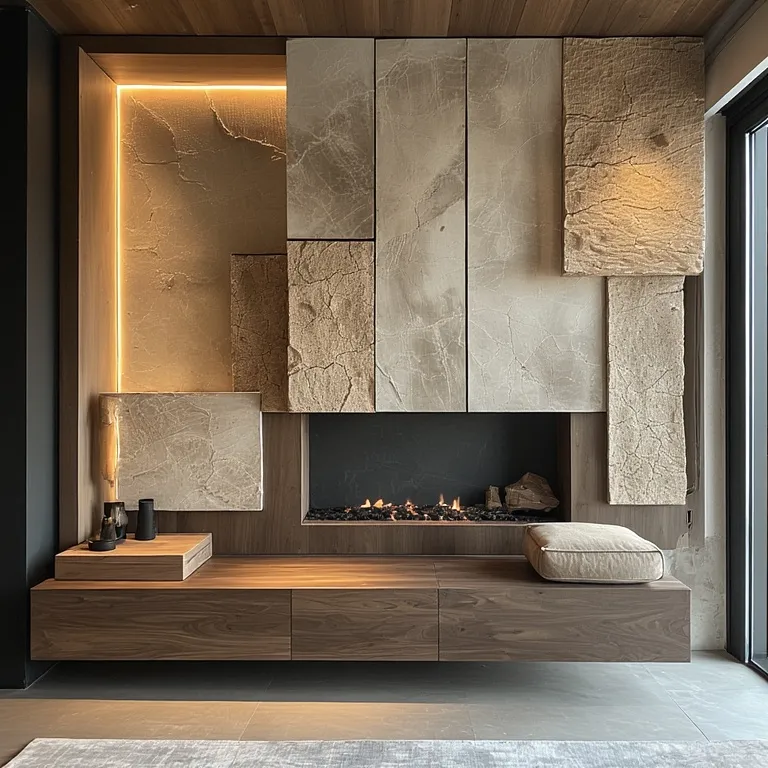
Floating accent walls are panels attached slightly off the wall or layered to create depth. These panels can be wood slats, 3D tiles, or framed fabric and make a big visual impact. They give the illusion of a wall that floats, adding modern drama without heavy construction. Accent panels can sit behind a TV, sofa, or fireplace to anchor the room. They are a strong design move that brings texture and focus to your living space while keeping the floor free and open.
9.1 Textures That Float
Textured floating panels add shadow and depth that change with light. Wood slats give warmth, while 3D tiles give modern flair. Fabric panels add softness and improve acoustics. When placed a few inches off the wall, these textures create a subtle floating shadow that feels luxe. This effect elevates a simple wall into a design feature, making the room look custom and finished. Textured panels are a clever way to make walls interesting without cluttering the floor area.
9.1.1 Using Color to Enhance the Effect
Color can strengthen the floating look. A darker panel against a lighter wall makes the panel pop and the shadow show more. You can paint panels in bold or muted hues depending on the mood you want. For a balanced look, pair a strong panel with neutral furniture. Accent colors can also echo decor items to tie the room together. Using color smartly helps floating panels look intentional, drawing the eye and making the room feel designed.
10. Floating Storage for Media & Books
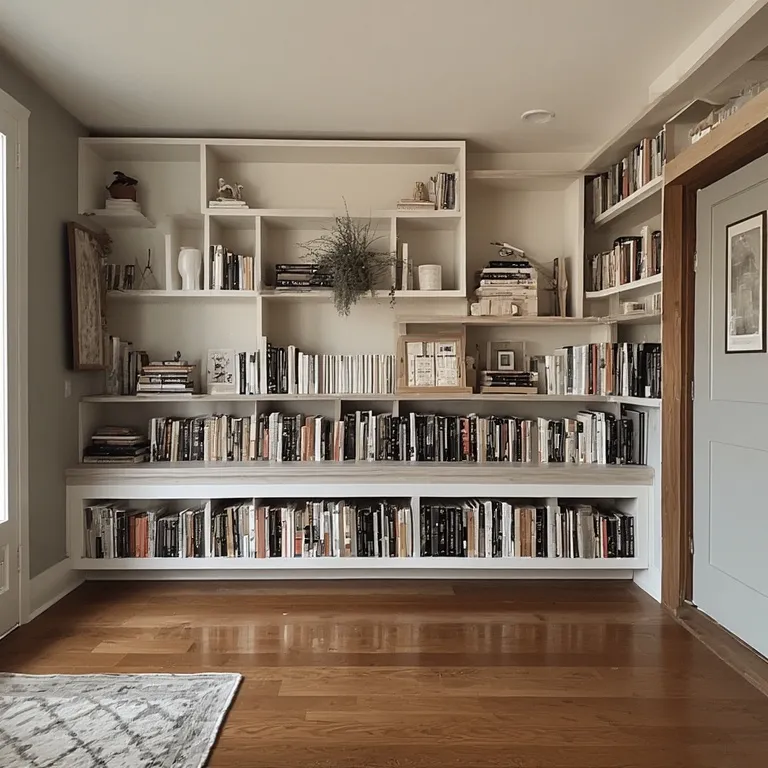
Floating bookcases and media storage keep heavy items off the floor and display collections in a stylish way. Long floating shelves can hold rows of books, while stacked floating cubbies form a modern library wall. These units keep the room easy to walk around and let the floor be part of the visual design. Floating book storage can be arranged around windows or doors to use wall space smartly. They keep your books accessible and your living room clean and curated.
10.1 Built-In Niches and Cubbies
Built-in floating niches and cubbies create neat pockets for items. Use them for books, decor, or electronics — they work as a custom wall system without taking up floor space. Niches can be lit to highlight objects and make the wall feel like a gallery. For heavy books, reinforce the mounts and spread weight across multiple supports. These built-ins make organizing easy and make your favorite things part of the room’s decor, not clutter hiding in cabinets.
10.1.1 Keeping It Clutter-Free
Floating storage looks best when organized. Use baskets, boxes, and lined cubbies to hide small items. Keep a consistent color scheme for books and decor to stop the wall from feeling chaotic. Rotate items to keep displays fresh and tidy. A clean approach helps floating storage feel like design, not just a place to dump things. With a few rules — balance, grouping, and hidden bins — your floating storage will impress and stay useful.
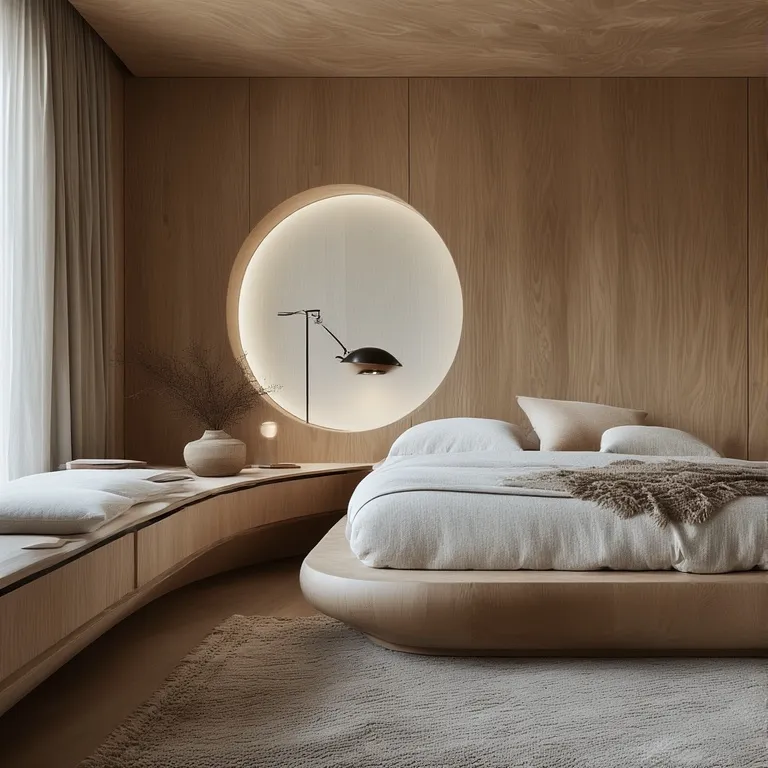
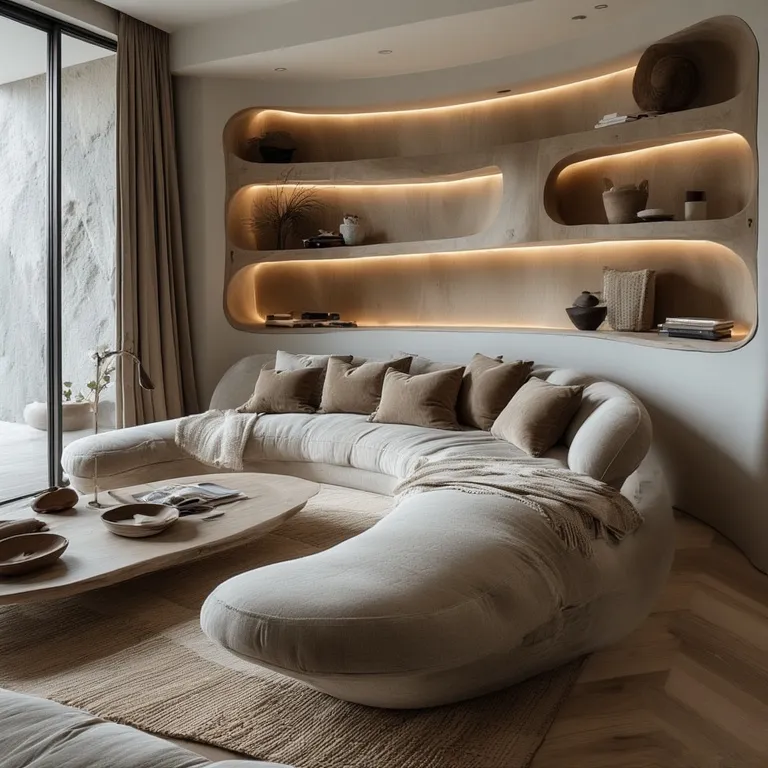
11. Curved and Organic Floating Pieces
Curved floating furniture adds softness to modern rooms. Rounded shelves, arched panels, or curved floating sofas break the hard edges in a space and make it feel friendlier. Organic shapes mimic the flow of nature, bringing calm and movement to the room. Curved pieces work well with straight lines and can be focal points or subtle accents. They make floating designs feel less clinical and more human, adding warmth and a sense of comfort to contemporary living rooms.
11.1 Why Curves Soften Modern Rooms
Curves ease tension in a room by changing the visual rhythm. Straight lines can feel sharp; curves whisper calm. A curved floating shelf or rounded coffee table invites touch and looks approachable. These shapes also guide movement around the room, creating a gentle flow between zones. Curves pair beautifully with neutral colors and soft fabrics to create a cozy but modern feel. They show that floating design can be warm as well as sleek.
11.1.1 Pairing Curves with Straight Lines
Mix curves with straight lines for balance. Place a rounded floating shelf above a straight console, or use curved seating with linear shelving. This contrast creates rhythm and interest without chaos. Keep materials consistent — wood with wood, metal with metal — to maintain unity. The result is a room that feels artful and lived-in, where floating curves add personality without losing the clean, modern vibe.
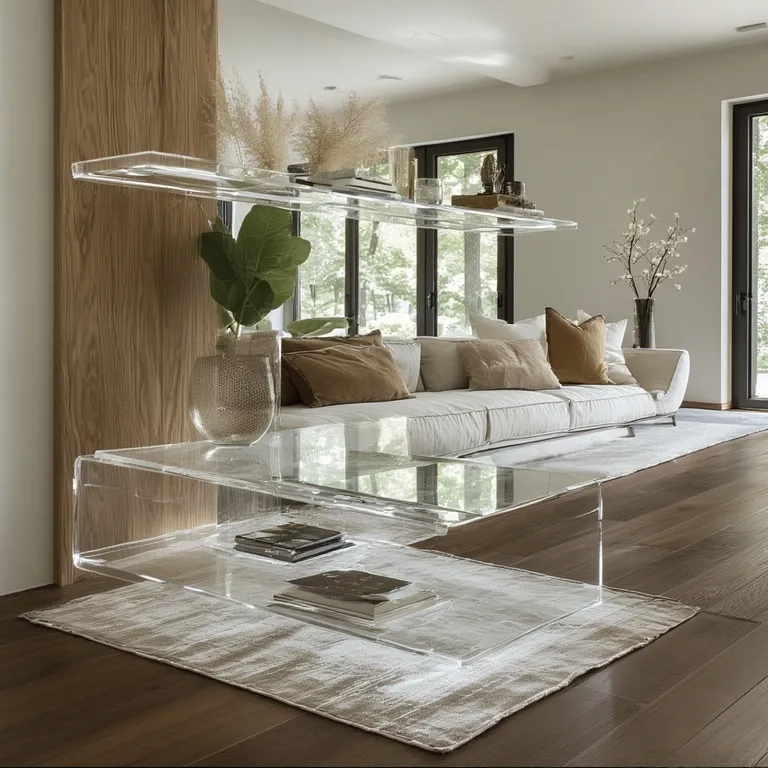
12. Glass and Acrylic Floating Furniture
Glass and acrylic pieces are perfect for a weightless effect. A clear acrylic shelf or glass panel seems almost invisible, making furniture appear to float. These materials reflect light and make rooms feel open and airy. Glass and acrylic work well in small living rooms or open-plan spaces where you want a minimal footprint. They are also elegant choices that pair easily with other materials like wood or metal for a mixed-material look that still feels light.
12.1 Invisible Edges for a Weightless Look
The magic of glass and acrylic is their see-through quality. A floating acrylic shelf looks like it’s suspended in air, showing off objects without blocking views. This is great for small spaces or for highlighting a special object like a vase or sculpture. Glass can also be used as tops for floating tables, combining the airy feel with a sturdy surface. Carefully chosen clear furniture makes living rooms feel less crowded and more refined.
12.1.1 Care and Cleaning Tips
Glass and acrylic show fingerprints and dust, so regular cleaning helps them shine. Use soft cloths and mild cleaners — avoid harsh chemicals on acrylic. Wipe gently to prevent scratches. For glass, a streak-free cleaner works best. Keep items placed on these surfaces tidy to avoid visual clutter. With a little care, glass and acrylic floating pieces keep the room feeling bright and open while looking crisp and modern.
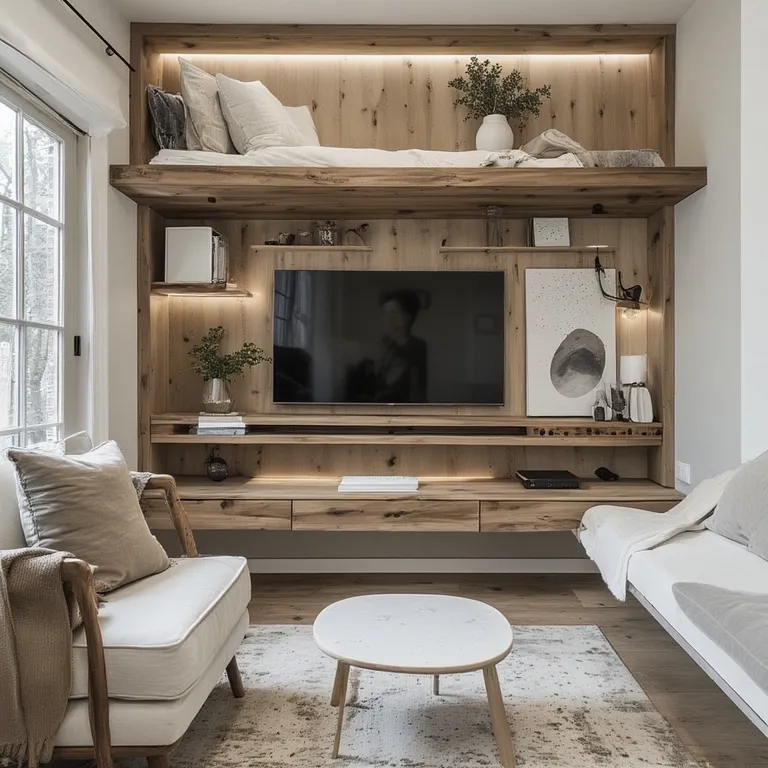
13. Floating Furniture for Small Apartments
Floating furniture is a dream for small apartments. By keeping floors clear, you get more walking space and the room feels larger. Wall-mounted desks, fold-out floating tables, and slim floating storage help you live big in small rooms. These pieces also let you create zones — a bed area, a work corner, and a seating nook — without heavy furniture that clogs the room. Smart floating choices make a small living room functional, stylish, and comfortable.
13.1 Maximize Floor Space
To maximize floor space, choose pieces that stick to the wall. A floating desk frees up room for chairs that tuck away. Floating cabinets replace bulky bookcases and keep floor cleaning easy. Use wall space vertically for storage so the floor stays clear. Mirrors near floating furniture also make the room appear larger. The goal is to keep movement easy and sightlines open so the apartment feels calm and spacious despite its size.
13.1.1 Multi-Use Floating Pieces
Multi-use floating pieces are perfect for tiny homes. A floating bench can act as seating and storage, while a fold-down floating table becomes both dining and work surface. Look for furniture with hidden compartments or surfaces that convert for different uses. This flexibility means fewer items overall and more space to live in. Clever floating furniture makes small apartments comfortable and surprisingly roomy.
14. Eco-Friendly Floating Designs
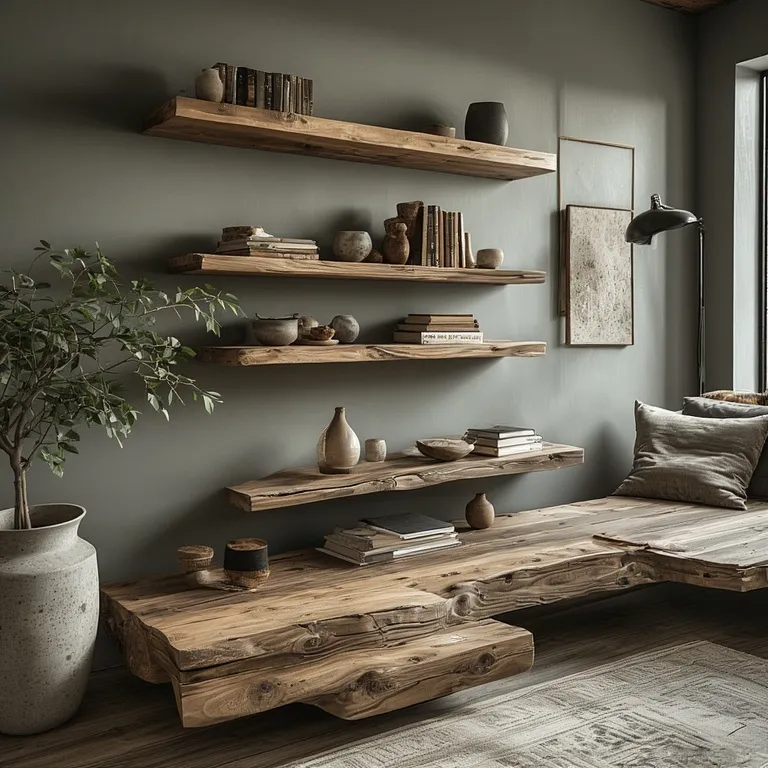
Eco-friendly floating furniture uses sustainable materials and low-VOC finishes. Reclaimed wood floating shelves, bamboo consoles, and non-toxic paints keep your living room healthy and green. Sustainable floating designs combine style with conscience — you get a modern look while reducing environmental harm. This trend is growing because people want furniture that looks good and does good. Choosing green options helps the planet and makes your home feel honest and personal.
14.1 Reclaimed Wood and Low-VOC Finishes
Reclaimed wood floating units add warmth and character while being kind to the planet. Low-VOC paints and finishes reduce indoor pollution and smell. Bamboo and fast-growing woods are good choices too. These materials give the same clean, floating look but with a smaller environmental footprint. When shopping, ask about the source of the wood and the type of finish. Eco-friendly floating pieces look great and feel responsible.
14.1.1 Green Choices That Still Look Chic
Green choices don’t mean dull. Reclaimed wood can be finished in rich tones, and bamboo looks modern and warm. Combine eco materials with sleek hardware for a stylish contrast. Sustainable fabrics for cushions and covers add to the look. Design-forward manufacturers now offer chic green options, so you don’t have to sacrifice style for sustainability. A well-chosen eco floating piece can be the room’s star and your conscience-friendly pick.
15. Mixing Floating with Traditional Pieces
Floating furniture is powerful, but mixing it with traditional pieces creates warmth and balance. Anchor floating shelves with a classic rug, or pair a floating console with a vintage armchair. This blend keeps the room from feeling too cold or clinical. The key is rhythm: let floating pieces bring lightness and use a few grounded items to give the room weight and comfort. Mixing styles can produce a layered, lived-in look that feels both modern and cozy.
15.1 Balance and Rhythm in the Room
Balance means not overdoing floating pieces. Place heavier traditional items like a solid bookshelf or a plush sofa to anchor the space. Use floating units to add breath and visual interest. Rhythm comes from repeating shapes, materials, or colors so everything feels linked. This approach gives your living room personality — modern where it needs to be, cozy where it matters. A balanced mix keeps the space interesting and very livable.
15.1.1 How to Anchor Floating Pieces
Anchor floating pieces with rugs, plants, or a solid furniture piece that touches the floor. For example, a large rug under a floating coffee table gives the eye a place to rest. Add floor plants or a heavy ottoman to ground the floating look. These anchors stop the room from feeling like it’s all in the air and make the design feel intentional. Anchoring creates comfort and prevents the space from feeling too “floaty.”
Conclusion
Floating furniture is an easy way to modernize your living room while keeping it functional. These designs open up floors, make cleaning simple, and add a fresh, airy look. Whether you choose a floating media wall, shelves, suspended seating, or eco-friendly pieces, floating furniture helps you balance style and use. Try mixing floating elements with one or two grounded pieces to keep the room warm and welcoming. Small changes — a floating console or a lighted shelf — can make a big difference. Go ahead, pick one idea and give your living room that light, modern touch.
FAQs
1. Is floating furniture safe for heavy items?
Yes, if mounted properly. Use strong brackets, attach to studs, and follow the weight guidelines. For very heavy items, consult a professional installer.
2. Will floating furniture make my room feel cold?
Not if you balance it with cozy elements like rugs, cushions, and warm wood finishes. Mixing textures keeps the room inviting.
3. Can I install floating furniture in any wall type?
Most walls can take floating furniture, but load-bearing studs or reinforced anchors work best. For masonry or plaster, use the right anchors or hire a pro.
4. How do I keep floating shelves from sagging?
Choose high-quality brackets, spread the weight, and avoid overloading. Reinforced floating shelves and proper installation prevent sagging.
5. Do floating pieces cost more than regular furniture?
Sometimes they cost more because of hidden hardware and installation. But they save space and can add lasting style, making them a good investment.