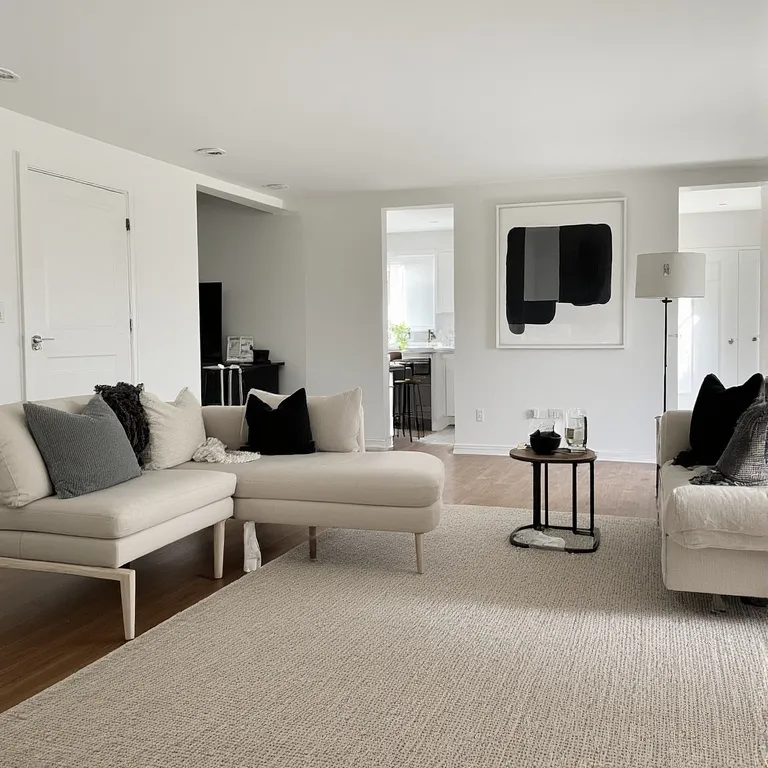

15 Boho Living Room Decor Ideas for a Creative, Cozy Space

A soft, easygoing color palette sets the tone for any boho living room. Start with warm neutrals—creams, soft beiges, warm greys—as your main base. These shades make the room feel calm, open, and cozy at the same time. Over that base, add touches of natural color such as muted terracotta, soft olive, mustard, or dusty rose. The idea is to keep colors gentle and layered, not loud or matching too perfectly. Boho style loves contrast that feels natural and lived in, so mix light and dark tones in a casual way. Use color on walls, cushions, rugs, and small decor items to create a relaxed, artistic space that feels inviting and personal.
Check Also : 15 Vintage Aesthetic Living Room Ideas for Classic Charm
Earthy Neutrals as a Base
Earthy neutrals are the backbone of boho interiors. Think warm sand, clay-tinted taupe, and soft stone greys—these colors create a flexible canvas that supports other textures and patterns. When you use earthy neutrals on big surfaces like walls, sofas, or curtains, they help make smaller colorful or patterned pieces pop without competing for attention. These neutrals also reflect warm light better than stark white, making the living room feel comforting. Rich, natural neutrals are forgiving: small stains or wear add character instead of standing out. This forgiving nature allows you to style boldly while maintaining an overall calm look.
Pops of Warm, Natural Color
Once your neutrals are set, add pops of warm, natural colors to bring life and personality. Colors like burnt orange, deep olive, mustard yellow, and muted teal work wonderfully in small doses. Use them on throw pillows, a single armchair, or a patterned rug to create focal points. These accents should feel as if they belong to the natural world—think autumn leaves and sun-warmed clay. Keep the accent colors balanced across the room so one side doesn’t look heavier than the other. The goal is to maintain a soft, artistic vibe where color enhances comfort rather than overwhelms the space.
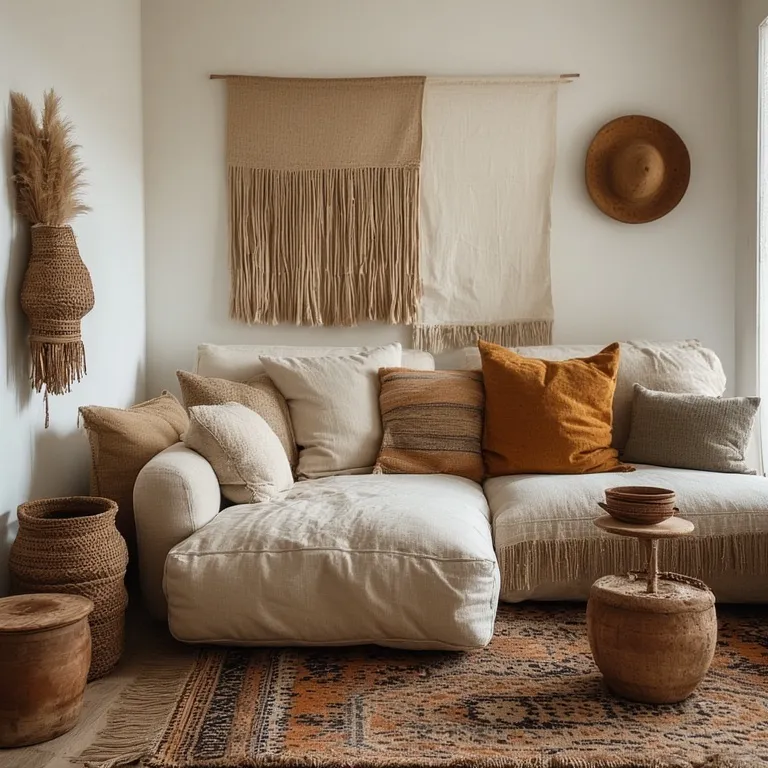
Layer Textures for Depth and Comfort
Texture is king in a boho living room. Layering different textures—soft cotton, chunky knit, smooth leather, worn velvet, rough jute—adds depth and invites touch. A single flat fabric won’t create the cozy, lived-in feel boho is known for. Instead, mix tactile elements on seating, floors, and surfaces. A leather couch softened with knit throws, tasseled cushions, and a woven rug creates a multi-sensory space that feels warm and welcoming. Layering textures also helps balance patterns and colors; when many surfaces have tactile interest, your eyes rest and wander in a pleasing way. Aim for varied textures at different heights and zones to give the room a rich, comfortable vibe.
Mix Rugs and Floor Textiles
Rugs in a boho space do more than cover the floor—they anchor the room and add character. Layering rugs is a popular boho move: a large neutral base rug topped with a smaller patterned rug creates a grounded yet playful look. Use rugs of different materials—wool, jute, flatweave—and allow their edges and patterns to mingle. Rugs also define zones; place one under the sofa and another near a reading nook to visually separate areas. Don’t be afraid to mix antique-looking rugs with modern flatweaves—contrast is part of the charm. Make sure rugs have enough texture to invite bare feet and create that instant cozy feeling.
Cushions, Throws, and Poufs
Soft accessories bring the boho look to life. Stock up on cushions with different fabrics—woven, embroidered, printed—and mix sizes for a casual layered look. Throw blankets in chunky knits or soft cotton add warmth and invite relaxation. Poufs are both decorative and useful; they act as extra seats or footrests and often bring rich pattern into the room. Use neutral throws on darker furniture to lighten it up, or choose bold cushions to brighten a neutral sofa. Remember: the aim is relaxed abundance, not cluttered chaos. Group cushions thoughtfully and rotate them seasonally to keep the living room feeling fresh.
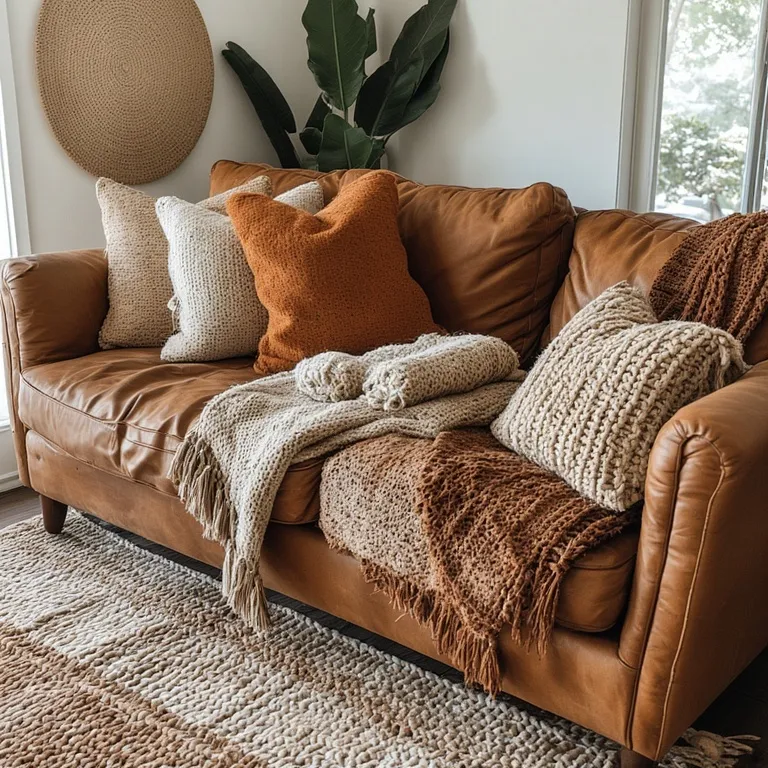
Add Natural Materials and Greenery
Natural materials and plants are core to the boho aesthetic. Materials like rattan, bamboo, jute, and carved wood add organic shapes and warm tones that help the room breathe. These elements bring texture and life while keeping the overall feel gentle and natural. Plants add color, fresh air, and a calm, living energy—large leafy plants make a statement, while small succulents or trailing vines soften shelves and window sills. Arrange plants at varying heights for visual interest and pair them with woven baskets or handmade pots for personality. Natural elements keep the space grounded and connected to the outside, which is a key part of boho charm.
Rattan, Jute, and Wood
Rattan chairs, jute rugs, and wooden accent tables create a serene, earthy backdrop. These pieces age beautifully and blend with many color palettes. Jute’s rough texture contrasts nicely with smooth wood or soft textiles, while rattan adds curving lines and a casual, artisanal touch. Choose one or two natural materials to repeat across the room for cohesion—maybe a rattan chair and woven pendant light, paired with jute coasters and a wooden coffee table. This repetition ties the room together without feeling formulaic. Natural materials also pair well with vintage finds, making the boho style feel both curated and cozy.
Houseplants and Hanging Greens
Houseplants are non-negotiable in a boho living room. Tall plants like fiddle-leaf figs or monstera bring height and drama, while trailing plants in hanging planters add softness and movement. Use a mix of large and small plants to create depth—place larger pots on the floor and smaller ones on shelves or side tables. Hanging greens free up floor space while adding a layered look. Plants also work as natural color accents and can be styled with macramé hangers for a truly boho touch. Keep plant care simple: choose varieties suited to your light levels so they stay healthy and vibrant.
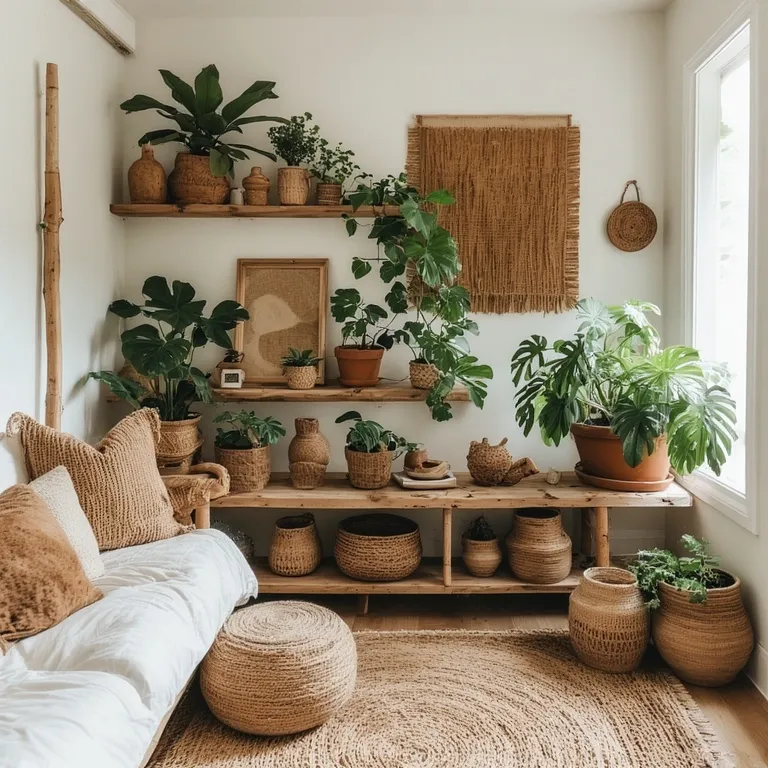
Choose Eclectic, Curated Furniture
Boho living rooms feel personal because the furniture is collected, not matched. Choose a few statement pieces—a vintage sofa, a rustic coffee table, an unusual lamp—and fill around them with secondhand finds and artisan-made pieces. The goal is a relaxed, lived-in collection that looks like it evolved over time. Don’t stress about everything matching; instead, aim for a balance of scale, color, and material. Mix modern and vintage, polished and worn, to get that layered, well-traveled vibe. Curate slowly: one interesting piece at a time creates a cohesive look that tells a story.
Vintage Finds and Secondhand Pieces
Scouting thrift stores, flea markets, or online secondhand shops often yields the best boho treasures—unique chairs, carved frames, or brass accents. These finds add history and character to your living room. A worn leather armchair or a mid-century sideboard can become a focal point when paired with soft textiles and plants. Secondhand shopping helps keep the room eco-friendly and budget-friendly, too. When mixing in vintage pieces, pay attention to condition—some wear looks charming, but structural issues should be avoided or fixed. The joy of boho is in unique, meaningful pieces with small imperfections.
Low Seating & Lounge Vibes
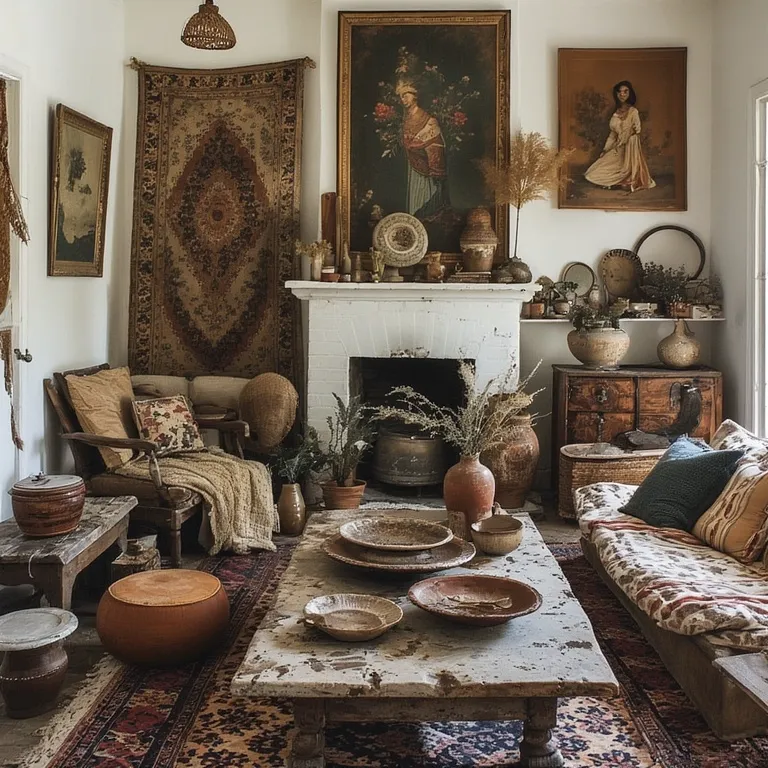
Low seating—floor cushions, poufs, and low-slung sofas—creates a relaxed, communal feeling. This arrangement encourages lingering conversations and casual gatherings. A low coffee table surrounded by poufs and soft cushions feels inviting and informal. Choose comfortable, durable fabrics for low seating since these pieces get a lot of use. The lounge vibe works well with layered rugs and low lighting; it’s cozy and perfect for relaxed nights in. Low seating also gives the room a bohemian salon feel, where guests can settle in close, share snacks, and stay awhile.
Use Layered Lighting for Mood
Lighting shapes how a boho room feels at different times of day. Mix natural light with soft lamps, overhead pendants, and accent lights to create warmth and atmosphere. Dimmable lamps let you change the mood quickly—bright for cleaning or crafting, low for relaxing. Lamps with woven shades produce interesting shadows, while candles and string lights add magic. Layered lighting is about creating pockets of glow rather than one strong source. When planned well, lighting highlights textures and art and makes the living room feel welcoming no matter the hour.
Ambient Lights and Lamps
Ambient lighting gives the room a soft, even glow. Table lamps, floor lamps, and side sconces are ideal for creating cozy pools of light. Choose lamps with warm bulbs and fabric or woven shades for a gentle effect. Place lamps near seating, on side tables, and in corners to avoid harsh overhead light. The goal is a series of soft spots you can move between as you read, relax, or host. Ambient light also helps the layered textures—rugs, cushions, and wood—look rich and inviting.
String Lights and Candles
String lights and candles add whimsy and intimacy to a boho living room. Drape string lights over shelves or around a large mirror for a starry effect, and group candles on trays for soft, flickering warmth. LED candles offer the glow without worry, while real candles add scent and a tactile presence. Use these lights for evenings or special gatherings; they transform the space into a cozy, magical retreat where conversations slow and moods soften.
Display Art and Handmade Pieces
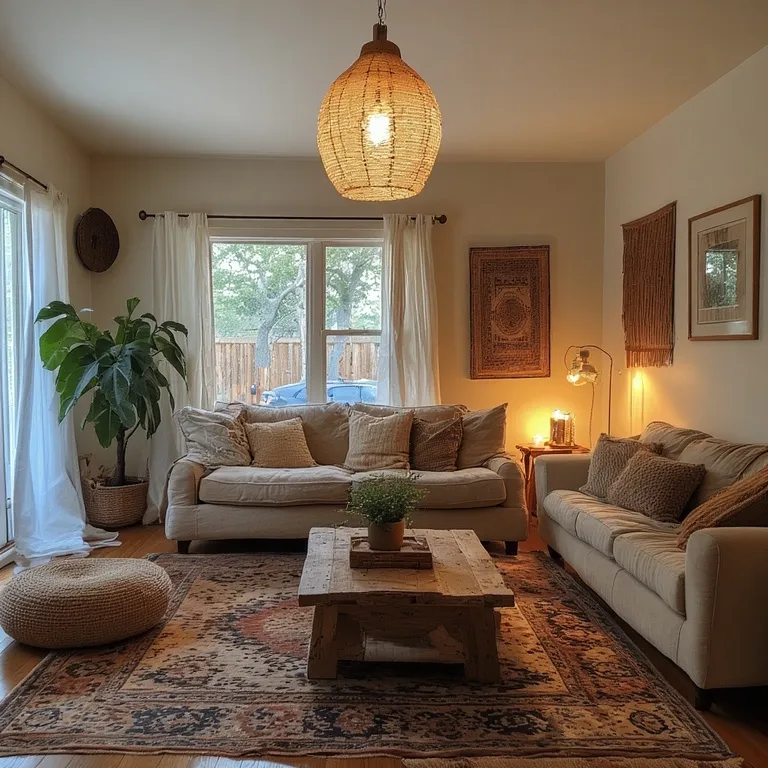
Boho style celebrates creativity, so showcase art and handmade objects. Mix framed prints, photographs, woven wall hangings, and small sculptures to create a gallery that feels personal. Display pieces at different heights and frame sizes to create visual rhythm. Handmade art—whether your own, from a local artist, or vintage—adds authenticity and soul. Rotating artwork seasonally keeps the room fresh and gives you new focal points to enjoy. This curated approach turns walls into storytelling spaces that reflect your tastes and travels.
Mix Frames and Textiles
Combine framed art with fabrics and tapestries for a layered wall display. Thin modern frames can sit beside woven hangings or macramé, creating contrast that feels intentional. Use a mix of frames—wood, metal, and painted finishes—to avoid uniformity. The key is balance: let one large piece anchor a wall and arrange smaller pieces around it. Textile art softens the room acoustically and visually, making the living room feel welcoming and warm.
DIY Wall Hangings
DIY wall hangings are perfect for adding a handmade touch. Try simple macramé, woven scraps, or framed fabric swatches. DIY projects allow you to pick colors and textures that match your space and are often budget-friendly. Even small, imperfect pieces bring a charming, human quality to the room. Displaying your own creations gives the living room a unique story—something visitors notice and ask about. The act of making also connects you to the space in a meaningful way.
Create Cozy Nooks and Zones
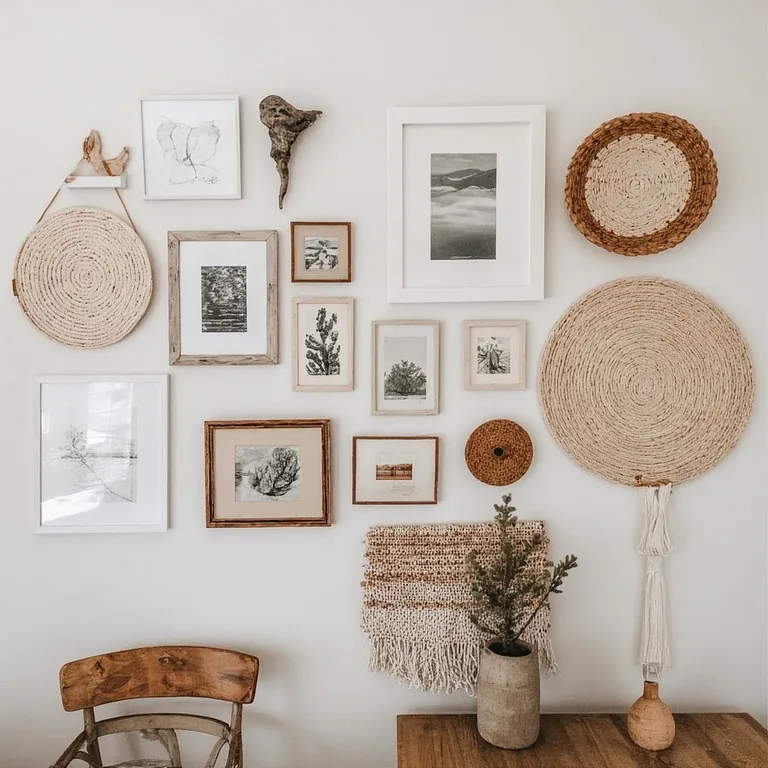
A boho living room thrives on small, intentional zones: a reading nook, a meditation corner, a small music spot. These pockets make the room feel versatile and lived-in. Use rugs, furniture placement, and lighting to define each area. A cozy nook might have a soft chair, a floor lamp, and a small side table—perfect for sinking in with a book. Zones help multiple activities happen at once without chaos. They invite different moods: active, social, quiet, or reflective—so the living room becomes a full, useful part of your home.
Reading Corners and Meditation Spots
Dedicated quiet corners offer rest and focus. A comfortable chair or floor cushion, good light, and a small shelf for books create a perfect reading nook. For meditation, keep the area minimal: a soft rug, cushion, and a small plant or candle. These small retreats encourage daily rituals and add intentionality to the room’s layout. They also show that the living room supports both company and solitude, which is a big part of boho living.
Social Seating Arrangements
Arrange seating to encourage conversation—face chairs toward each other, place poufs near the coffee table, and avoid long rows that isolate people. A circular or angled seating plan feels welcoming and intimate. Use a mix of fixed seating (sofa) and movable seats (poufs, stools) so you can adapt the arrangement for guests. Social seating makes the room feel alive and ready for gatherings of any size.

Incorporate Pattern Play
Patterns bring energy and personality to a boho living room. Mix different scales—large geometric prints with small florals—and combine traditional motifs with modern designs. The trick is to maintain balance: keep one or two dominant patterns and use others as accents. Patterns work well on rugs, cushions, and throws. Don’t be afraid to clash a bit; boho style loves playful combinations. When done with restraint, pattern play creates a joyful, collected look that feels both lived-in and curated.
Mix Scales and Prints
Mixing pattern scales—large rugs with small cushion prints—prevents visual overload and creates a harmonious balance. Pair bold patterns with simpler solids to give the eye a place to rest. A patterned rug anchors the space, while patterned cushions add detail. Consider color ties to unify disparate prints; shared shades across patterns make them read as intentional rather than random.
Use Global Textiles Mindfully
Global textiles—Moroccan rugs, Turkish kilims, Indian block prints—add cultural richness to a boho room. Use them mindfully: choose one or two standout pieces and let them lead the palette. Avoid overdoing authentic pieces in a way that feels like a collection of souvenirs; instead, weave them in as meaningful accents. Respect for origin and craftsmanship makes global textiles feel special and adds depth to your décor.

Add Functional Storage with Style
Storage in a boho living room should be both pretty and practical. Open shelves display favorite objects, while woven baskets hide clutter in style. Use sideboards, trunks, or shelving units to store games, blankets, and media. The goal is to keep surfaces curated but functional—things you need daily should have a tidy, beautiful home. Good storage keeps the room feeling relaxed and calm, which is essential for a space meant for lounging and socializing.
Open Shelves and Baskets
Open shelves let you display books, plants, and art, turning storage into décor. Baskets provide quick, attractive hiding places for throws, toys, or magazines. Pick baskets in natural fibers to match the boho aesthetic. Rotate items on shelves so displays feel fresh and intentional. Open storage encourages you to keep things tidy because everything is visible—use it as a gentle prompt to curate regularly.
Multi-purpose Furniture
Choose furniture that doubles as storage—coffee tables with shelves, ottomans with lids, or benches with cubbies. Multi-purpose pieces keep the footprint small while adding function. These items are especially useful in small living rooms where every inch counts. They also help maintain the casual, layered look of boho style without letting clutter take over.

Accessorize with Thoughtful Details
Details make a living room feel lived-in and loved. Decorative trays corral small items, bowls display treasures, and small sculptures add interest. Books stacked horizontally create casual layers, while a well-placed lamp or vase finishes a vignette. Scent—through candles or diffusers—adds a final sensory layer that pulls the whole room together. Thoughtful accessories are the punctuation marks of decor: small, deliberate, and meaningful.
Trays, Bowls, and Small Sculptures
Use trays to group objects on a coffee table; bowls for keys, remotes, or small collectibles; and tiny sculptures to add texture and height. These small pieces prevent surfaces from looking empty or messy. Arrange them in odd numbers for a natural look and vary heights to create rhythm. These small touches signal care and curation.
Books, Candles, and Scent
Books are both decorative and revealing—stack them by color or subject to create interest. Candles add light and scent and make evenings feel special. Choose scents that feel natural and not overpowering: cedar, citrus, or soft florals. Scent helps create mood and memory, making your boho living room feel like a personal sanctuary.

Use Rugs to Define Space
Rugs do the heavy lifting in a boho living room: they anchor furniture, add texture, and bring color into the space. Choose rug sizes that fit the furniture layout; a rug under the front legs of the sofa unifies the seating area. Layering rugs—larger neutral base with a smaller patterned rug—creates depth and visual interest. Rugs also help with acoustics, making the room quieter and cozier. Opt for durable, natural fiber rugs in high-traffic areas and reserve delicate vintage pieces for low-traffic zones.
Layering Rugs for Coziness
Layering rugs adds warmth and visual complexity. Start with a large, neutral base rug and layer smaller patterned or textured rugs on top. This technique creates a rich, collected look that’s signature boho. Make sure the layers are balanced in size and color contrast so they feel cohesive. Layering is also practical: it protects delicate vintage rugs while giving you the chance to mix new and old.
Choosing Rug Sizes and Shapes
Pick rug sizes that anchor your furniture arrangement—under the sofa and chairs for the main seating area, or a runner to define walkways. Round rugs can soften angular rooms and create a cozy focal spot under a round coffee table. The right rug shape and size make the room feel intentional and pulled together.

Keep It Personal and Imperfect
Boho is about personality, not perfection. Display travel finds, family pieces, and odd treasures that mean something to you. Imperfections—scuffed wood, uneven ceramics, faded rugs—add authenticity and warmth. Celebrate handmade and imperfect items; they tell a story and make the room feel human. Personal touches make a house feel like a home and help build a space that reflects who you are rather than following trends blindly.
Display Collections and Memories
Group small collections—shells, old cameras, or postcards—on a shelf or in a shadow box to tell a story. Rotate items seasonally so displays feel fresh. Collections anchor the look and invite conversation. When you display memories, you make the boho living room uniquely yours.
Embrace Wabi-Sabi and Handmade Flaws
Wabi-sabi is the beauty of imperfection; it fits perfectly with boho values. Handmade items with small flaws are more interesting than mass-produced perfection. Embrace uneven glazes, hand-tied knots, or slightly mismatched patterns. These quirks make your living room feel authentic and comforting.
Seasonal Swaps to Refresh the Boho Look
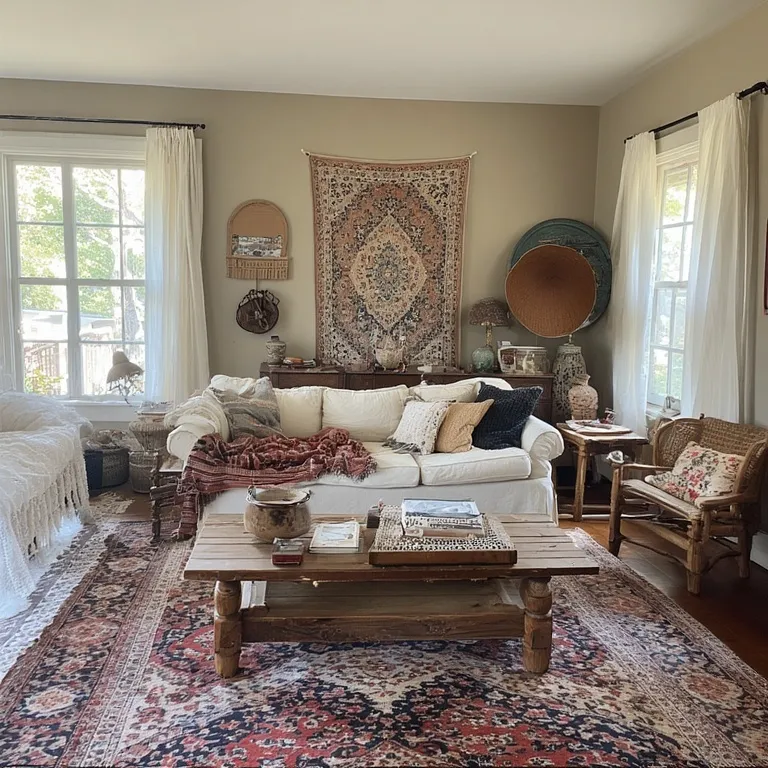
Small seasonal swaps keep your boho living room lively. In warmer months, lighten textiles—cotton throws, linen slipcovers, brighter cushions. In colder months, switch to wool, chunky knits, and deeper colors. Change scents, swap out artwork, and rotate rugs to tune the room to the season. These small changes refresh the space without a full redesign and keep the room feeling current and comfortable year-round.
Lighten or Deepen Textures
Swap heavy rugs and thick throws for lighter linens in summer, and bring back the chunky knits and layered rugs in winter. Changing textures changes the room’s temperature—both visually and physically—so your living room always feels season-appropriate and comfortable.
Color and Scent Changes
Shift accent colors slightly with the seasons—lighter, sunnier hues in spring and summer; warm, rich tones in fall and winter. Update scents to match: citrus and green scents for warm months, and spices or woods for cool months. These sensory tweaks refresh the mood in small but meaningful ways.

Final Tips to Pull the Boho Living Room Together
A few closing tips help refine your boho space: aim for balance between curated and casual, keep traffic flow open, and edit regularly. Boho is layered but not cluttered—every object should have a place and purpose. Pay attention to scale and allow breathing room around larger pieces. Finally, trust your instincts: if a piece brings joy, keep it. The best boho rooms feel collected, relaxed, and utterly personal.
Balance and Flow
Ensure furniture placement allows easy movement and conversation. Balance heavy pieces with lighter ones and spread color and texture around the room. Flow keeps the space usable and pleasant, so guests and family can move and relax easily.
Edit, Then Edit Again
Even in a style that welcomes abundance, editing is essential. Remove items that don’t fit the vibe or are rarely used. Rotate displays to keep the room fresh. Editing makes the collected look feel intentional rather than messy.

Conclusion
A boho living room is a warm, creative place that invites touch, conversation, and relaxation. By layering colors, textures, natural materials, and personal pieces, you can build a space that feels both curated and easy. Use rugs to define areas, plants to breathe life, and lighting to set mood. Embrace imperfection and choose pieces that tell your story. With these ideas, your living room can become a cozy, creative haven where every corner feels intentionally lived in and loved.
FAQs
1. How do I start a boho living room on a small budget?
Begin with neutral paint, thrifted furniture, and a few textiles like cushions and throws. Hunt for secondhand rugs and mix in DIY wall hangings. Plants and baskets add big impact without high cost.
2. Can boho style work in a modern apartment?
Yes—mix modern furniture with boho textiles and natural materials. Keep the layout simple, use a neutral base, and add pattern in small doses.
3. What plants work best for a boho living room?
Easy growers like pothos, snake plants, and spider plants are great. For statement pieces, try monstera or fiddle-leaf fig if you have good light.
4. How can I make my boho room feel less cluttered?
Use baskets and closed storage to hide essentials, and edit displays regularly. Keep surfaces tidy and rotate decor so the room feels curated, not crowded.
5. Are there rules for mixing patterns in boho decor?
Aim to mix scales—large and small patterns—and tie them together with a shared color family. Balance bold prints with calm solids so the room feels harmonious.