
15 Best Kids Study Room Design Ideas to Boost Focus and Productivity

Kids Study Room is more than just a place with a desk and books. It is a small world where learning habits are built, curiosity grows, and confidence develops. Just like adults need a calm and organized workspace, kids also need a study area that helps them focus and feel comfortable. A poorly designed study room can easily distract a child, while a well-planned one can improve focus, creativity, and productivity. Think of it like planting a seed. If the soil is good, the plant grows strong. In the same way, the right study room design supports your child’s learning journey. With smart ideas and simple choices, you can create a space that motivates your child to sit down, concentrate, and enjoy studying every day.
Check Also : 15 Laminate Bedroom Flooring Trends for Modern Homes
Understanding How Environment Affects a Child’s Focus
The environment around a child plays a huge role in how well they can focus and learn. Kids are naturally curious, and anything around them can quickly grab their attention. That’s why designing the right study room is so important. When the environment feels calm, clean, and inviting, kids feel safe and ready to learn. A noisy, messy, or poorly lit space can make studying feel like a punishment. But a thoughtful setup turns learning into a positive habit. The goal is not perfection but balance. A study room should be simple, supportive, and child-friendly, helping kids focus without feeling pressured.
The Role of Colors in Learning
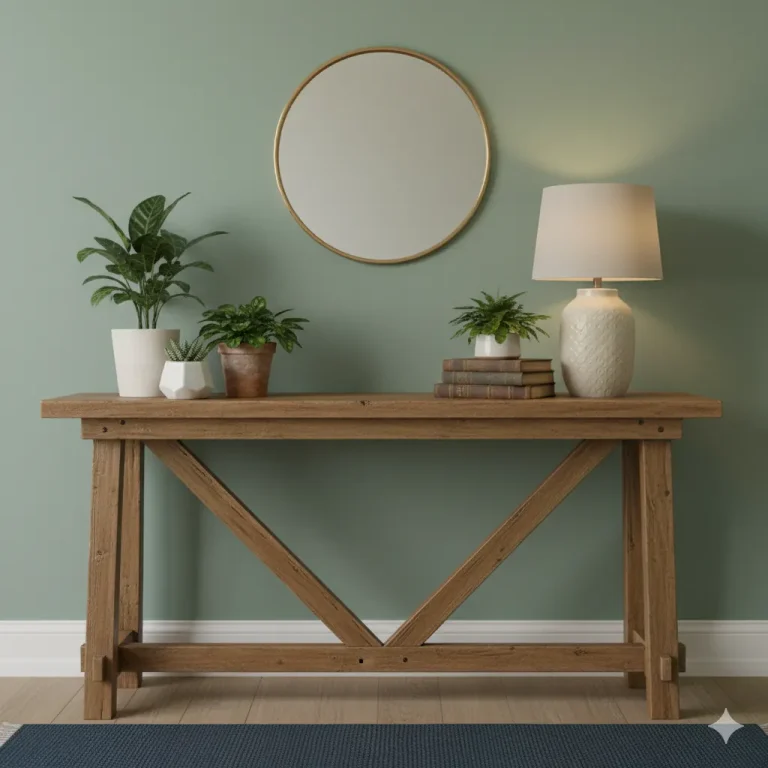
Colors have a strong effect on mood and focus, especially for kids. Soft and calm colors like light blue, green, or beige help children feel relaxed and focused. These colors work like a gentle background that doesn’t scream for attention. Bright colors are fun, but too many can feel overwhelming and distracting. Using calm colors on walls and adding bright colors in small decor items is a smart move. This way, the room feels lively but not chaotic, helping kids stay focused longer.
Importance of Lighting for Young Minds
Lighting is often ignored, but it makes a big difference in a child’s study room. Poor lighting can strain the eyes and cause headaches, making kids lose interest in studying. Good lighting keeps kids alert and comfortable. Natural light is the best option because it feels fresh and healthy. When natural light is not enough, soft white lights work well. Proper lighting helps kids read, write, and think clearly without feeling tired.
How Organization Shapes Productivity
An organized space leads to an organized mind. When books, pencils, and notebooks are scattered everywhere, kids feel confused and stressed. Simple storage solutions help children know where everything belongs. This not only saves time but also teaches responsibility. A clean desk makes it easier for kids to focus on one task at a time. Organization turns chaos into calm and helps children build good study habits early in life.
Idea 1 – Choose the Right Color Palette
Choosing the right colors is the first step in designing a productive kids study room. Colors set the mood of the space and directly affect how a child feels while studying. Soft and neutral tones create a peaceful environment that supports learning. Think of colors as background music. When it’s calm, you can focus. When it’s loud, it distracts. A balanced color palette makes the room feel welcoming without stealing attention from study tasks.
Best Colors for Concentration
Light blue helps with calm thinking, green feels fresh and balanced, and soft yellow adds warmth without being too bright. These colors help kids stay relaxed and focused. You can use them on walls, furniture, or even study mats. Mixing two soft colors works better than using too many shades. The goal is to create a peaceful vibe that encourages learning.
Colors to Avoid in Study Rooms
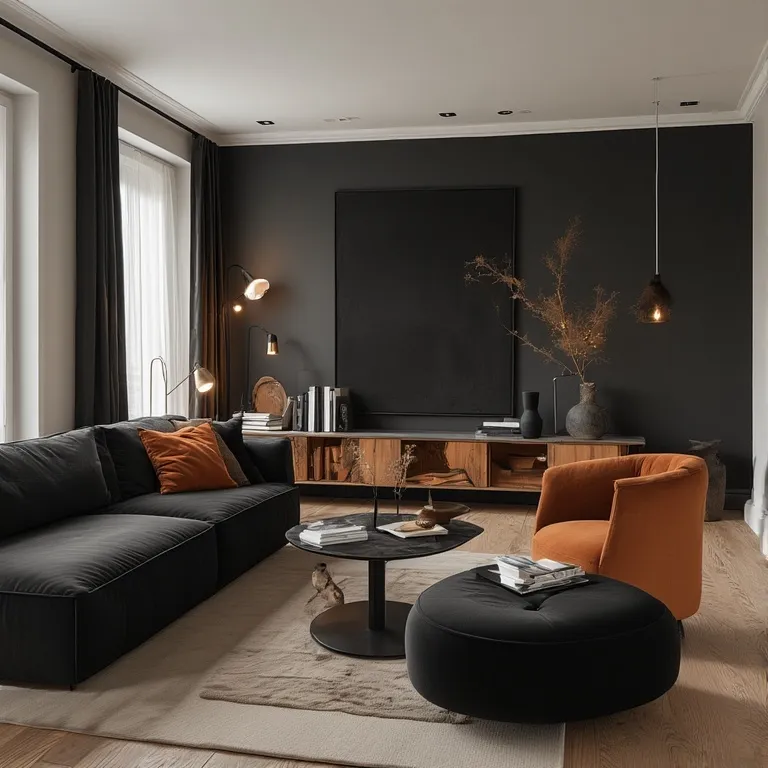
Very bright colors like red or neon shades can increase excitement and restlessness. While these colors are fun, they are better for play areas, not study rooms. Too much black or dark gray can make the room feel heavy and dull. Avoid using strong colors on large surfaces. Keep them limited to small decor items if needed.
Idea 2 – Ergonomic Furniture for Comfort and Health
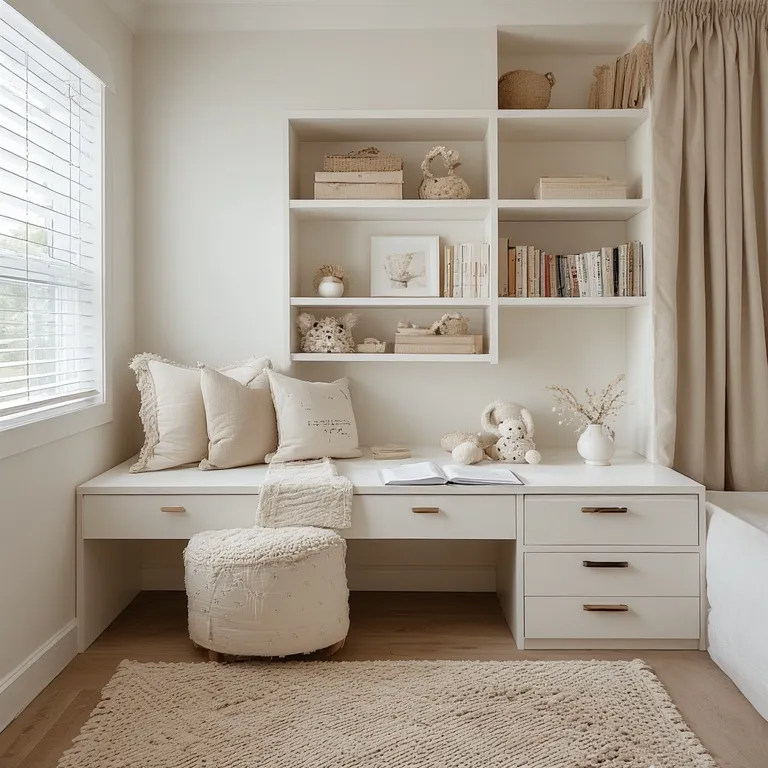
Comfort plays a huge role in productivity. If a child is uncomfortable, they won’t sit still for long. Ergonomic furniture supports good posture and keeps kids comfortable during study time. Think of furniture as a silent helper. When it fits well, kids forget about it and focus on learning. When it doesn’t, it becomes a constant problem.
Choosing the Right Desk
The desk should be at the right height so the child doesn’t bend too much. There should be enough space for books, notebooks, and a lamp. A simple desk without too many drawers is often best. It keeps things clean and focused. A desk that fits the child’s size makes studying feel easy and natural.
Picking a Supportive Chair
A good chair supports the back and allows feet to rest flat on the floor. Avoid chairs that are too high or too soft. A simple chair with back support is perfect. Comfort helps kids sit longer without feeling tired, which improves focus and productivity.
Idea 3 – Proper Lighting Setup
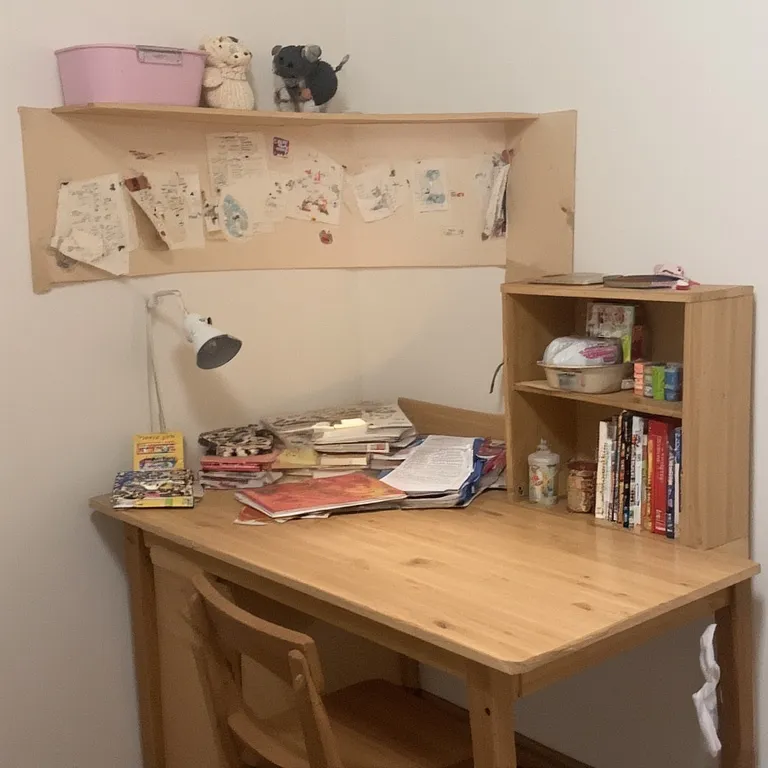
Lighting can make or break a study room. Good lighting keeps kids alert and protects their eyes. A well-lit room feels open and positive, while a dark room feels dull and sleepy. Lighting should be bright enough to read clearly but soft enough to avoid glare.
Natural Light vs Artificial Light
Natural light is the best choice whenever possible. Place the study desk near a window so daylight can enter. It boosts mood and energy. When natural light is not available, use ceiling lights with soft white bulbs. Avoid harsh lights that hurt the eyes.
Desk Lamps and Eye Comfort
A desk lamp is a must, especially for evening study time. Place it on the opposite side of the writing hand to avoid shadows. A simple lamp with adjustable direction works best. This small addition can make studying much easier and more comfortable.
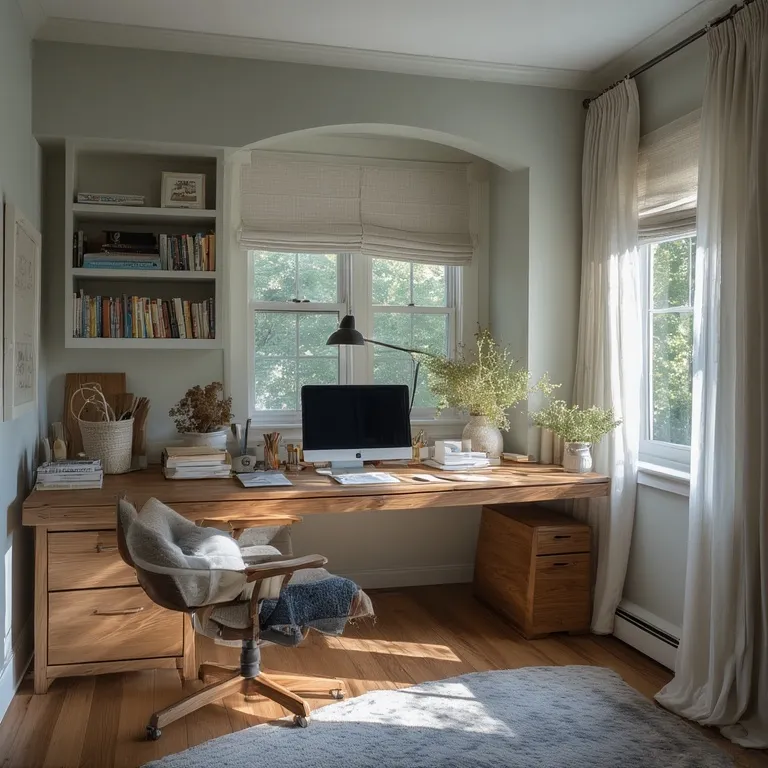
Idea 4 – Create a Clutter-Free Zone
Clutter is one of the biggest enemies of focus. A messy study room can overwhelm a child and reduce motivation. Keeping the space clean and organized helps kids concentrate better and feel more relaxed. A clutter-free room sends a clear message: this is a place for learning.
Smart Storage Solutions
Use shelves, boxes, and drawers to store books and supplies. Labeling storage boxes makes it easy for kids to find things. Open shelves are great for daily items, while closed storage hides extra clutter. Smart storage keeps everything in its place.
Teaching Kids to Stay Organized
Involve kids in organizing their study room. Teach them where things belong and encourage them to clean up after studying. This builds responsibility and independence. Organization becomes a habit, not a chore.
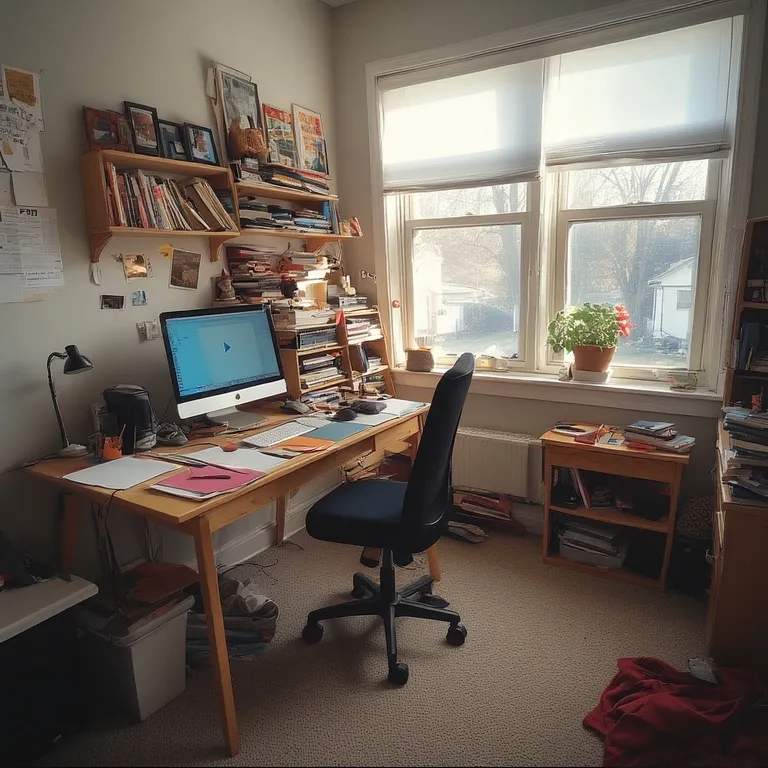
Idea 5 – Personalized Study Space
A study room should reflect the child’s personality. When kids feel connected to their space, they enjoy spending time there. Personal touches make the room feel special without turning it into a play area.
Adding Personal Touches
Photos, favorite colors, or small decorations can make the space feel warm. Let kids choose a few items they love. This gives them a sense of ownership and pride in their study area.
Balancing Fun and Focus
Too much decoration can distract. Keep it simple. Choose items that inspire learning, like world maps or alphabet charts. Balance is key to keeping the room both fun and productive.
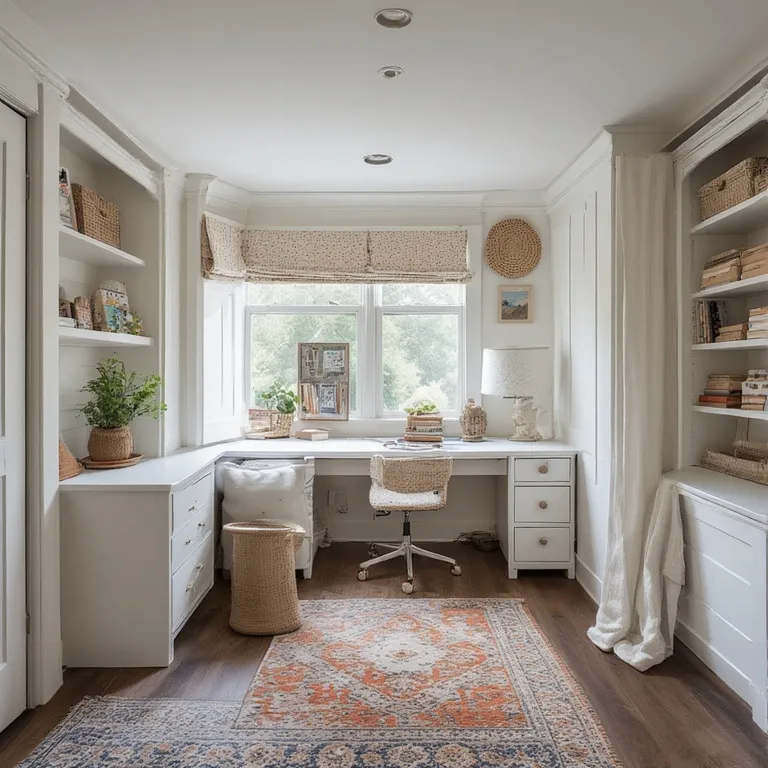
Idea 6 – Quiet and Distraction-Free Area
A quiet space helps kids focus better. Noise can easily break concentration, especially for younger children. Choosing the right location for the study room is very important.
Choosing the Right Spot in the House
Pick a corner away from the TV and busy areas. A calm corner of the house works best. Even a small space can become a great study area if it’s quiet.
Managing Noise Levels
Use curtains, rugs, or soft furnishings to reduce noise. Set rules for quiet time during study hours. A peaceful environment helps kids stay focused longer.

Idea 7 – Use a Study Wall
A study wall is a fun and useful addition to a kids study room. It turns an empty wall into a learning tool.
Pinboards and Whiteboards
Pinboards are great for schedules, notes, and reminders. Whiteboards help kids practice writing and drawing. These tools make learning interactive and fun.
Visual Learning Benefits
Visual aids help kids remember information better. Charts, calendars, and drawings support learning and keep kids engaged.
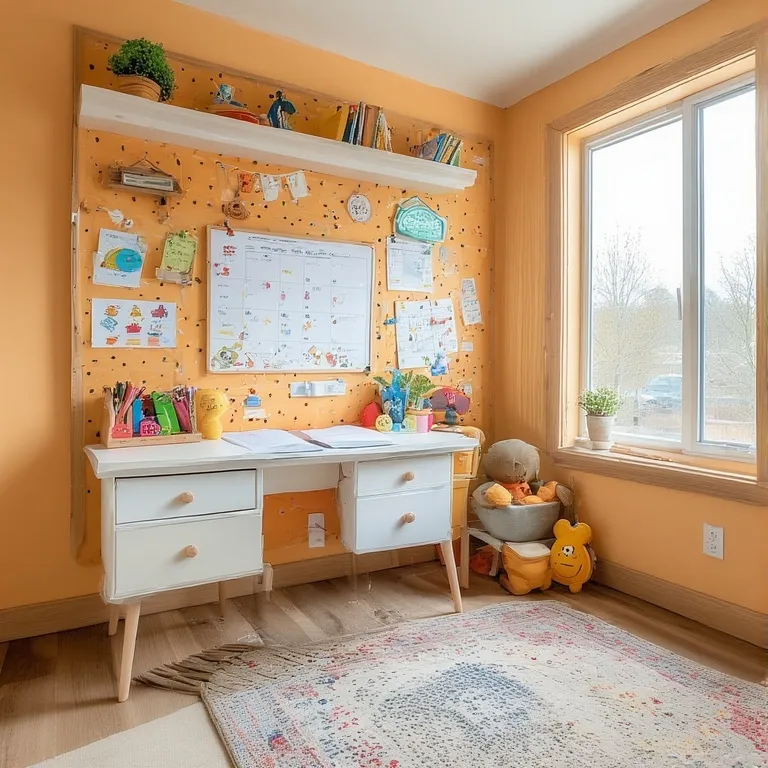
Idea 8 – Flexible Furniture for Growing Kids
Kids grow fast, and their needs change. Flexible furniture grows with them and saves money in the long run.
Adjustable Desks and Chairs
Adjustable furniture fits kids of different ages. You can change the height as they grow. This keeps the study room useful for many years.
Long-Term Benefits
Flexible furniture supports good posture and comfort over time. It’s a smart investment for growing children.
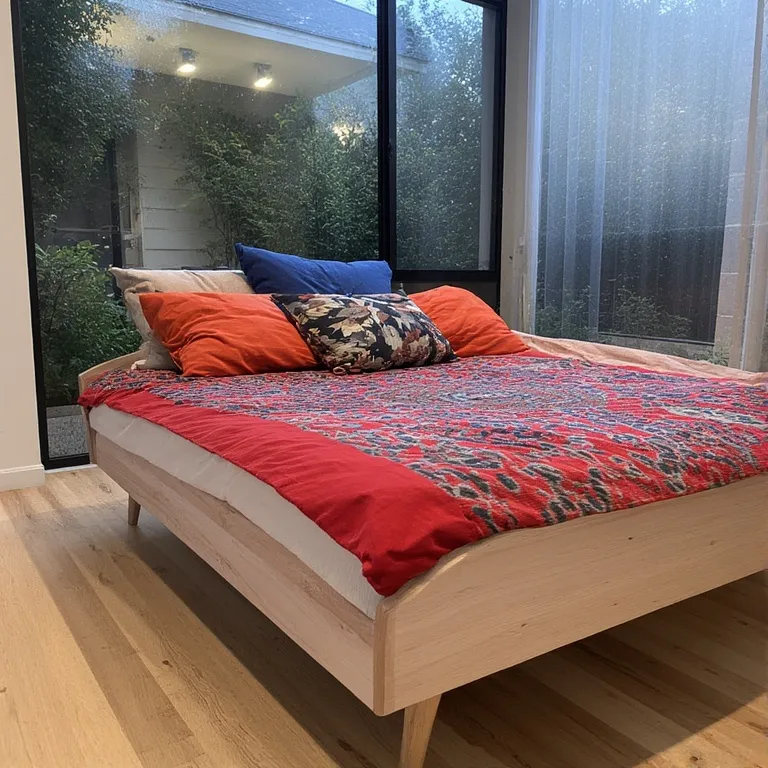
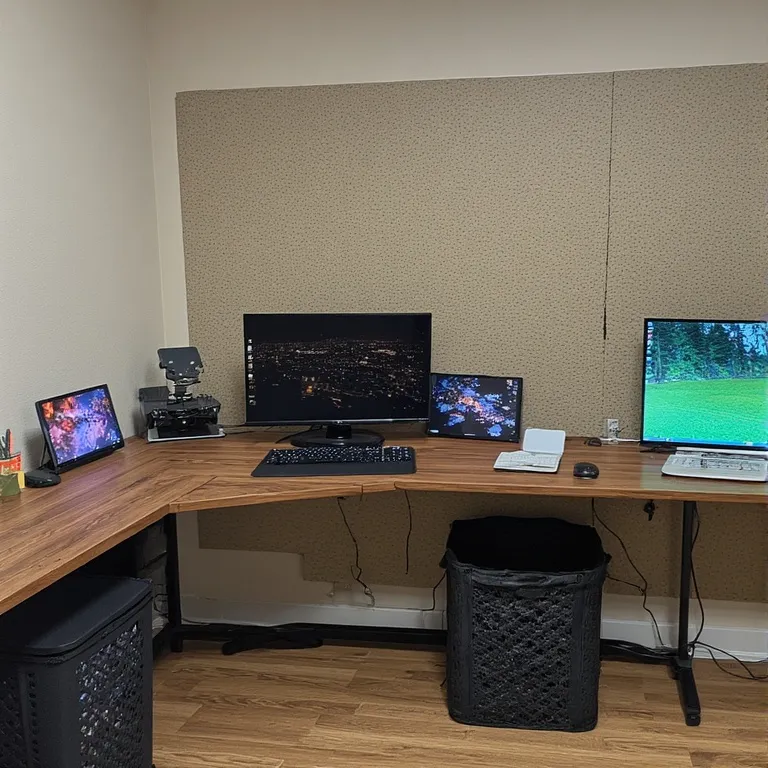
Idea 9 – Technology-Friendly Setup
Technology is part of modern learning. A study room should support safe and organized gadget use.
Safe Use of Gadgets
Place screens at eye level to avoid neck strain. Limit gadget use to study purposes only. Set clear rules for screen time.
Cable Management Tips
Use clips or boxes to hide cables. A clean setup looks better and feels safer. No tangled wires means fewer distractions.
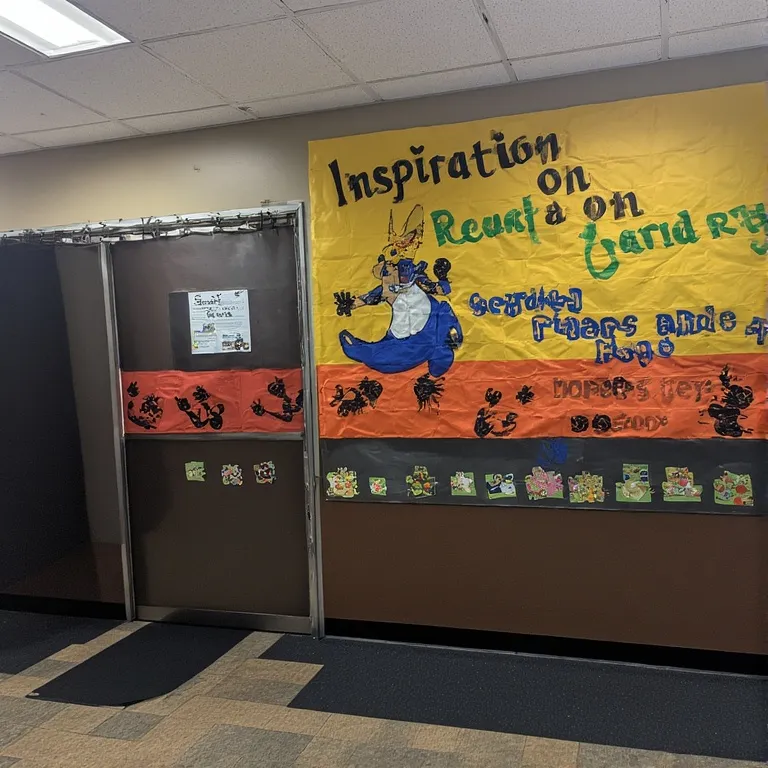
Idea 10 – Inspirational Decor
Inspiration keeps kids motivated. Simple decor can encourage positive thinking and effort.
Motivational Quotes
Short and simple quotes remind kids to keep trying. Place them where kids can see them easily.
Educational Posters
Posters with numbers, letters, or maps support learning. They add value without cluttering the space.
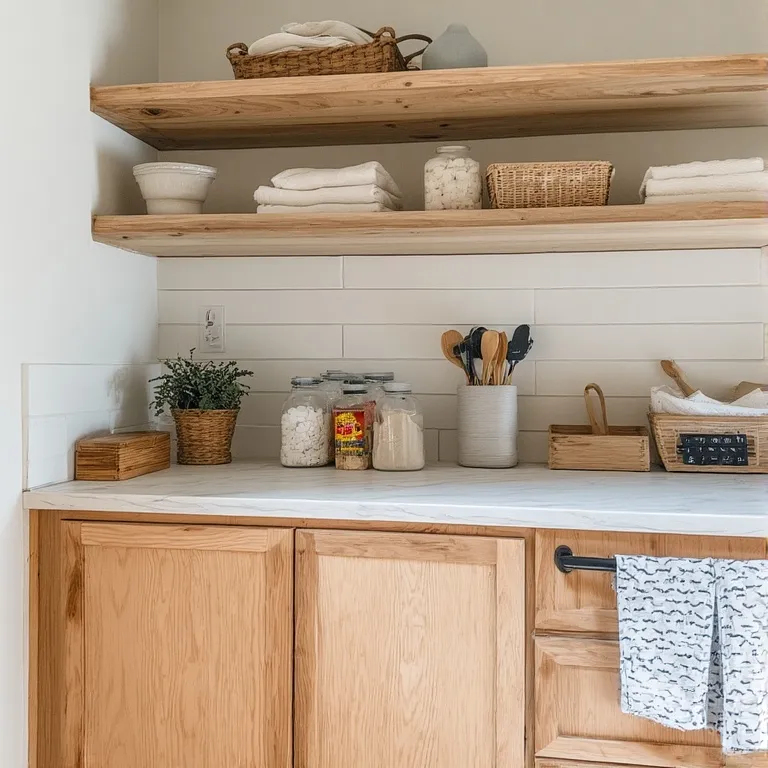
Idea 11 – Storage That Kids Can Reach
Kids should be able to reach their own books and supplies easily.
Open Shelves vs Cabinets
Open shelves are easy to use and help kids stay organized. Cabinets hide clutter but should be easy to open.
Easy Access Equals Independence
When kids can manage their own space, they feel confident. This builds independence and responsibility.
Idea 12 – Add a Reading Corner
A reading corner encourages quiet reading time and relaxation.
Comfortable Seating Options
Soft cushions or a small chair make reading enjoyable. Comfort helps kids relax and focus on books.
Encouraging Reading Habits
A cozy reading corner makes books more inviting. It turns reading into a daily habit.

Idea 13 – Keep It Simple and Spacious
Less is more when it comes to study room design.
Avoid Overcrowding
Too much furniture makes the room feel tight. Keep only what is needed.
Minimal Design Benefits
A simple design reduces distractions and helps kids focus better.
Idea 14 – Use Nature Elements
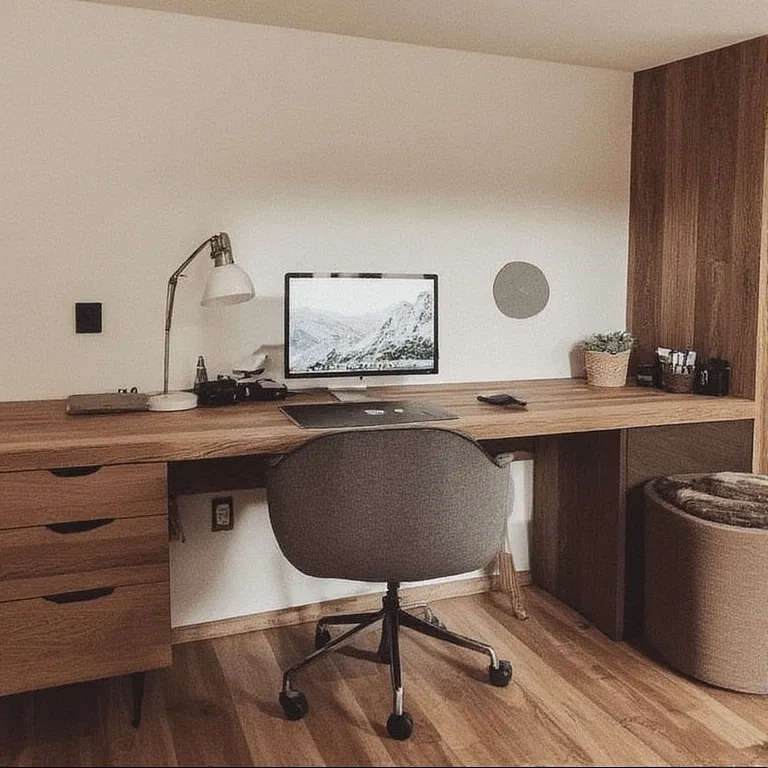
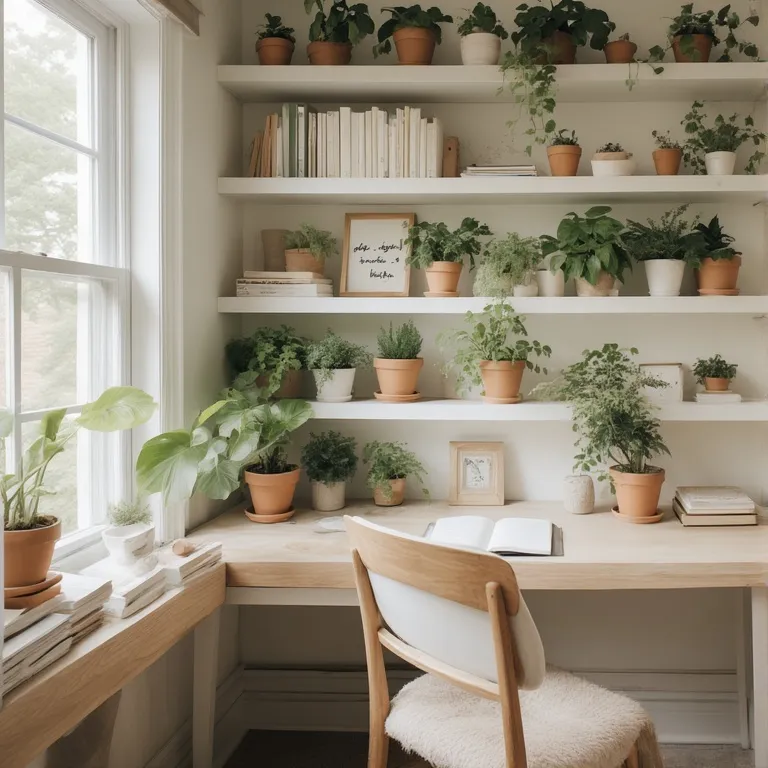
Nature has a calming effect on the mind.
Indoor Plants
Small plants add freshness and improve mood. Choose easy-care plants.
Natural Materials and Textures
Wood and natural fabrics create a warm and peaceful feel.
Idea 15 – Routine-Friendly Layout
A good layout supports daily study routines.
Easy Daily Use
Everything should be easy to reach and use. This saves time and effort.
Helping Kids Build Study Habits
A routine-friendly space encourages regular study time and discipline.
Conclusion – Building the Perfect Study Room for Your Child
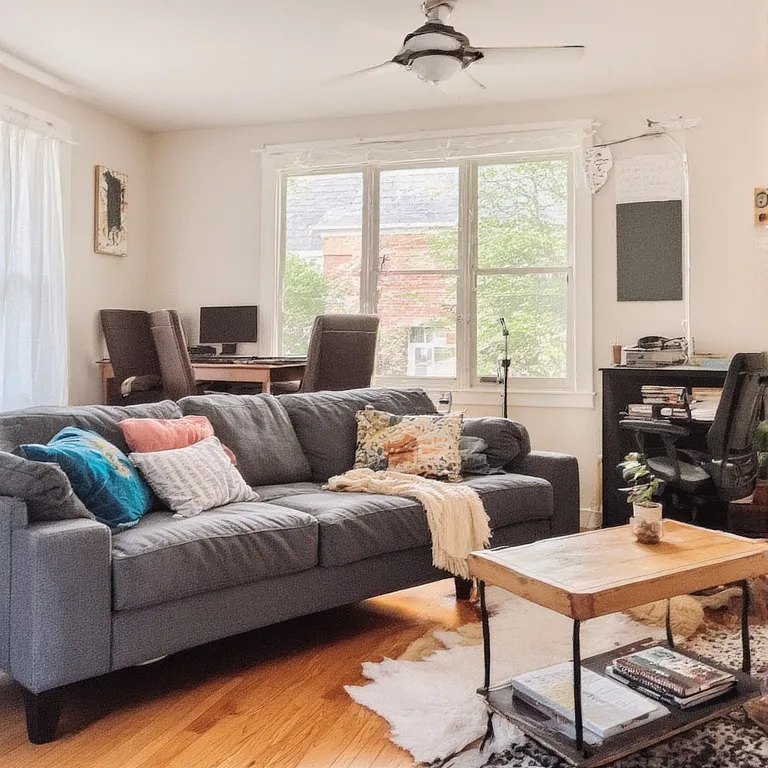
Designing a kids study room is about creating a space that supports learning, comfort, and growth. With simple ideas and thoughtful choices, you can turn any corner into a productive study area. A well-designed room helps kids focus better, feel confident, and enjoy learning. Remember, the goal is not perfection but progress. Small changes can make a big difference in your child’s study habits and future success.
FAQs
What is the best color for a kids study room?
Soft colors like light blue, green, and beige are best for focus and calmness.
How important is lighting in a study room?
Very important. Good lighting protects eyes and improves focus and comfort.
Should a kids study room have decorations?
Yes, but keep them simple and educational to avoid distractions.
What furniture is best for kids study rooms?
Ergonomic and adjustable furniture works best for comfort and growth.
How can I keep my child’s study room organized?
Use simple storage solutions and involve kids in cleaning and organizing.