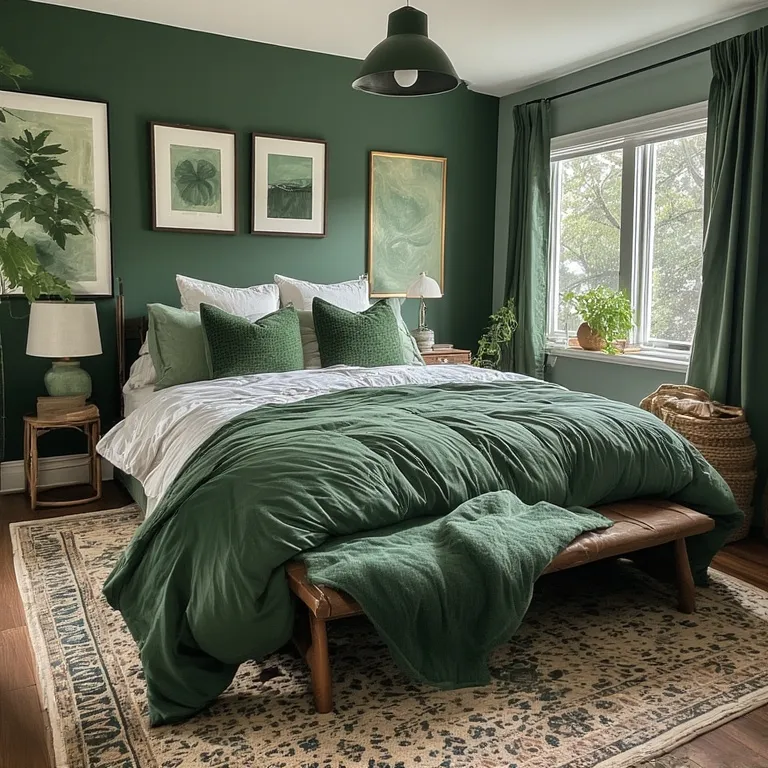

15 Bedroom Furniture Design for Better Comfort

Bedroom Furniture Design is not just a place to sleep. It is your personal comfort zone, your quiet corner after a long day, and sometimes even your thinking space. The way furniture is designed and placed inside the bedroom plays a huge role in how relaxed you feel. A bad layout can make even a big room feel tight and stressful, while a smart layout can turn a small bedroom into a cozy retreat. Think of furniture like people in a room—if everyone stands too close, it feels awkward. But when there’s space to move and breathe, comfort naturally follows.
How Furniture Impacts Sleep Quality
Good sleep does not depend only on a soft mattress. Furniture layout also affects how calm your mind feels before bed. When your room looks organized and balanced, your brain relaxes faster. A clutter-free layout helps reduce stress, while poor furniture placement can block airflow, light, and movement. Your bed, wardrobe, and tables should work together, not fight for space. When furniture supports your daily routine smoothly, better sleep becomes a natural result.
Check Also : 15 Bedroom Furniture and Layout Ideas for Better Comfort
Measuring Your Bedroom Properly
Before buying or moving any furniture, knowing your room size is very important. Many people skip this step and regret it later. Measuring the length, width, and height of your bedroom helps you choose furniture that fits well. It also helps you leave enough walking space. Imagine wearing shoes that are too big or too small—furniture works the same way. Proper measurements save money, time, and stress, and they help you plan a layout that feels open and comfortable.
Identifying Natural Light and Ventilation
Natural light and fresh air are silent comfort boosters. When arranging furniture, always notice where windows and doors are placed. Avoid blocking them with heavy furniture like wardrobes or beds. Sunlight makes the room feel warm and positive, while fresh air keeps it healthy. Furniture should support these natural elements, not block them. A bright, airy bedroom always feels more relaxing and welcoming.
How Room Shape Affects Furniture Placement
Not all bedrooms are perfect squares. Some are long, narrow, or have odd corners. Room shape affects how furniture should be placed. For example, in narrow rooms, placing furniture along the walls helps keep the center open. In square rooms, balanced placement works best. Understanding your room’s shape helps you avoid awkward layouts and makes the space feel more natural and comfortable.
Idea 1 – Minimalist Bedroom Furniture Design
Less Furniture, More Comfort
Minimalist design is like taking a deep breath. It focuses on keeping only what you need and removing everything extra. A bed, a wardrobe, and maybe one side table are often enough. Too much furniture can make the bedroom feel heavy and stressful. Minimal furniture allows easy movement, better airflow, and a cleaner look. When your room feels light and open, your mind feels the same way.
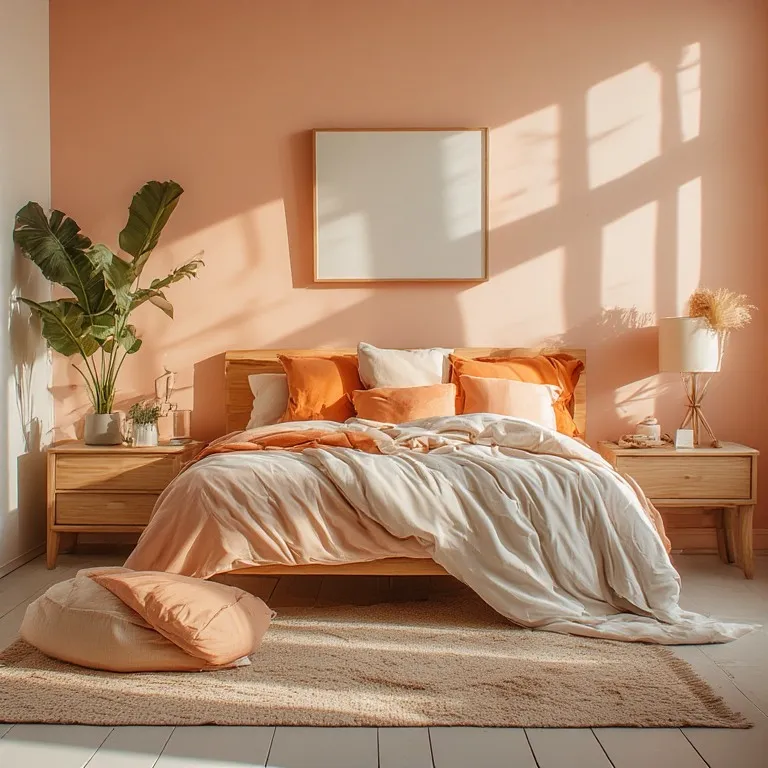
Idea 2 – Smart Bed Placement for Better Sleep
Where to Place Your Bed for Maximum Comfort
The bed is the heart of the bedroom. Its placement can make or break comfort. Ideally, the bed should be placed against a solid wall, away from direct door view. This creates a sense of safety and calm. Avoid placing the bed under a window if possible, as it may cause noise and light issues. A well-placed bed feels stable, cozy, and inviting—like a safe harbor after a long day.
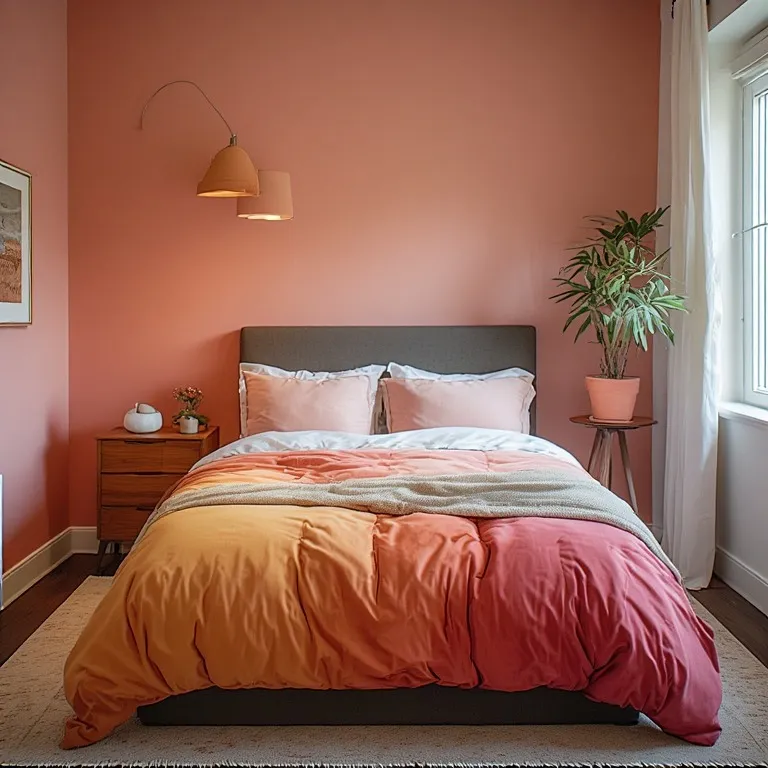
Idea 3 – Multifunctional Furniture for Small Bedrooms
Beds with Storage and Foldable Furniture
Small bedrooms need smart solutions. Multifunctional furniture is a lifesaver here. Beds with built-in storage, foldable desks, or wall-mounted shelves help save space. It’s like having a suitcase with secret pockets—you get more without seeing clutter. These furniture pieces keep the room neat and improve comfort by reducing mess and maximizing usable space.
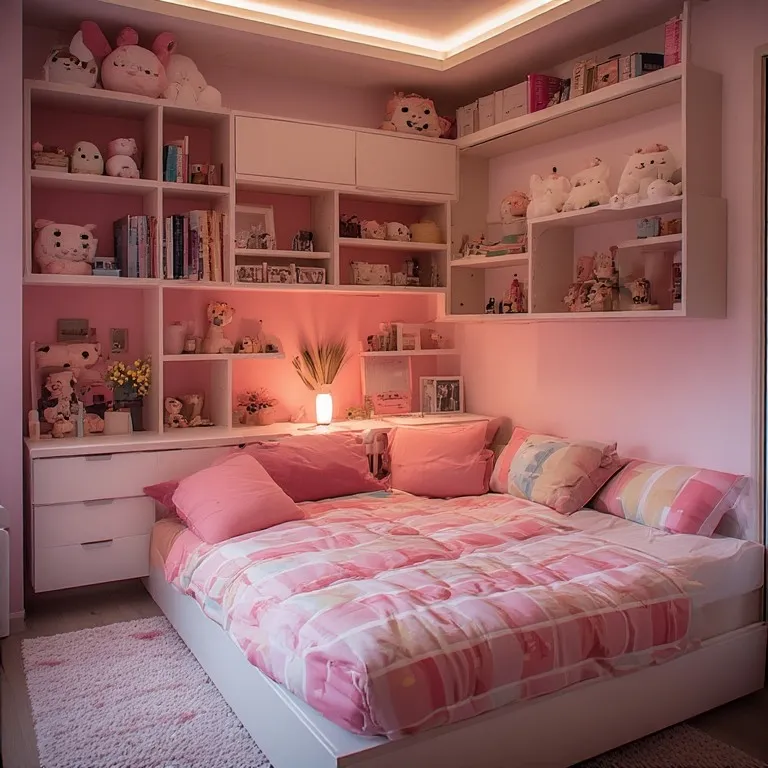
Idea 4 – Choosing the Right Mattress and Bed Frame
Comfort Comes Before Style
A stylish bed means nothing if it hurts your back. Always choose comfort first. The mattress should support your body properly, and the bed frame should be strong and stable. A good bed setup supports restful sleep and reduces body pain. Think of it as investing in your health. When your body rests well, everything else feels easier.
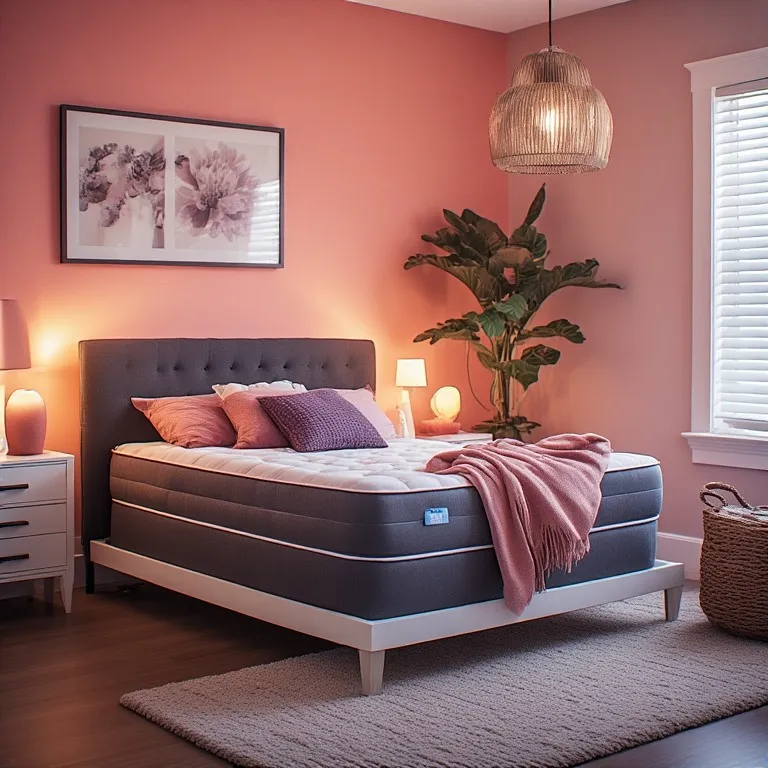
Idea 5 – Balanced Wardrobe Placement
Avoiding a Crowded Bedroom Feel
Wardrobes are often the biggest furniture in a bedroom. Placing them correctly is key. Try placing wardrobes against a wall that does not block light or movement. Sliding doors are a great option for small rooms. A well-placed wardrobe keeps the room balanced and prevents it from feeling cramped.
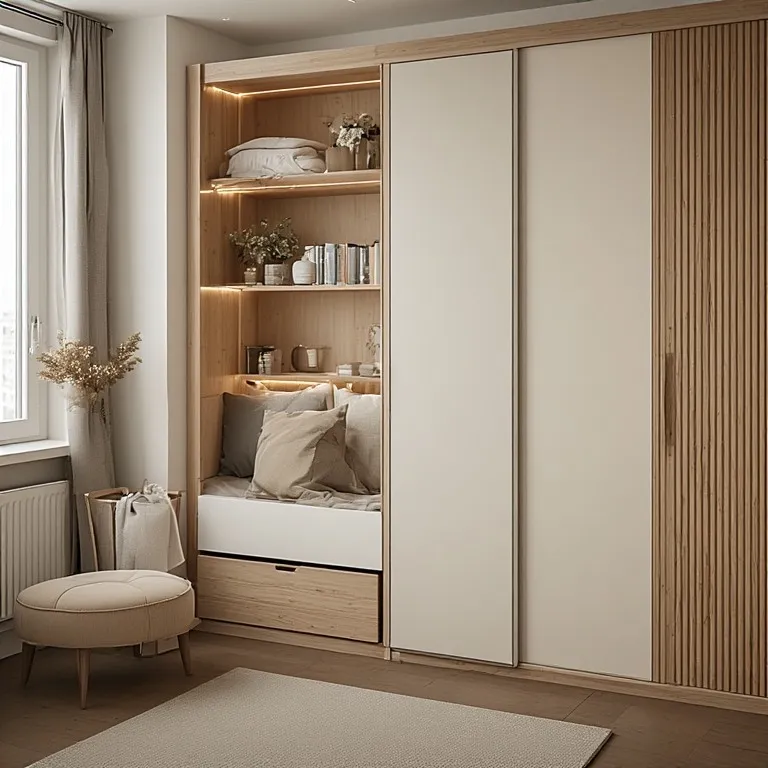
Idea 6 – Using Side Tables the Right Way
Small Furniture, Big Comfort
Side tables may seem small, but they add big comfort. They keep essentials like lamps, phones, or books within reach. Choose tables that match bed height and do not take too much space. Simple designs work best. A good side table makes bedtime routines smooth and stress-free.
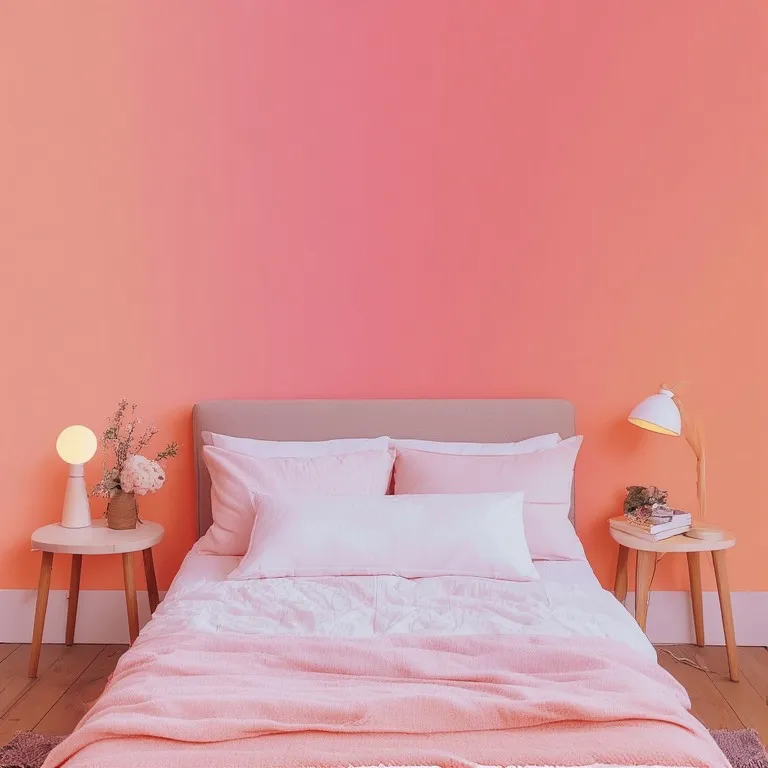
Idea 7 – Lighting Furniture for a Cozy Mood
Bedside Lamps and Soft Lights
Lighting affects mood more than we realize. Soft bedside lamps create a calm atmosphere and help you relax before sleep. Avoid harsh ceiling lights at night. Lighting furniture should support rest, not disturb it. Think of light as a gentle whisper, not a loud shout.
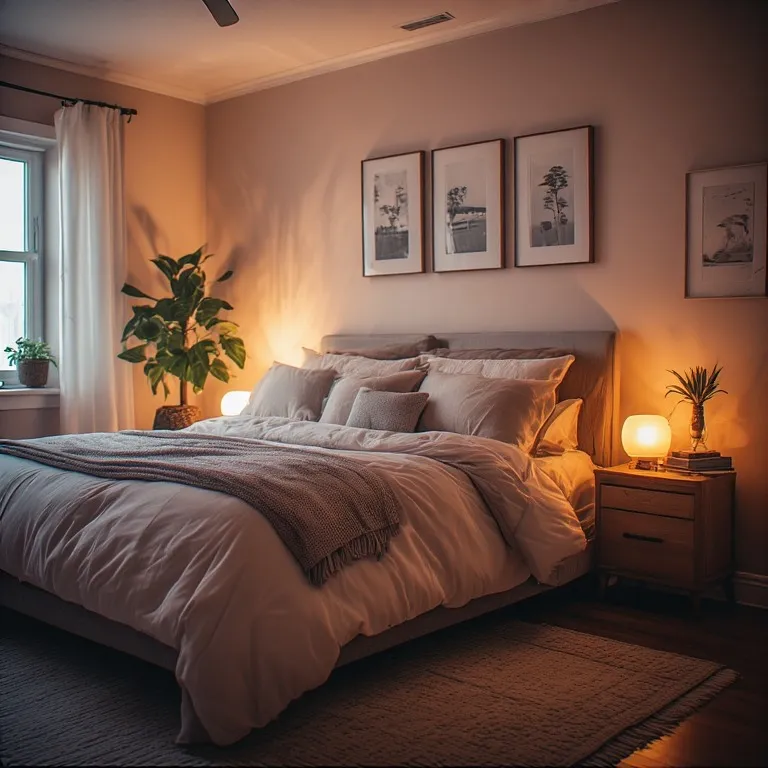
Idea 8 – Wooden Furniture for Warmth and Calm
Why Wood Feels More Relaxing
Wooden furniture brings natural warmth into the bedroom. It feels comforting and peaceful, like nature indoors. Wood also matches well with many styles and colors. It creates a grounded feeling that helps the mind relax and unwind.
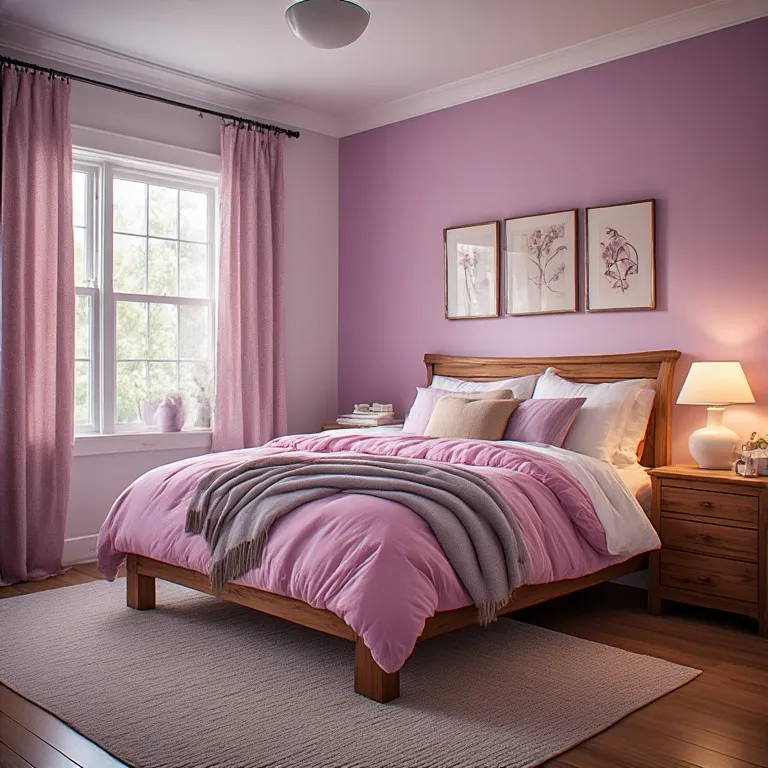
Idea 9 – Modern Bedroom Furniture Layout
Clean Lines and Open Space
Modern layouts focus on clean shapes and open areas. Furniture is simple and functional. This style avoids clutter and keeps the room looking fresh. Modern design feels like a calm morning—quiet, clean, and full of ease.
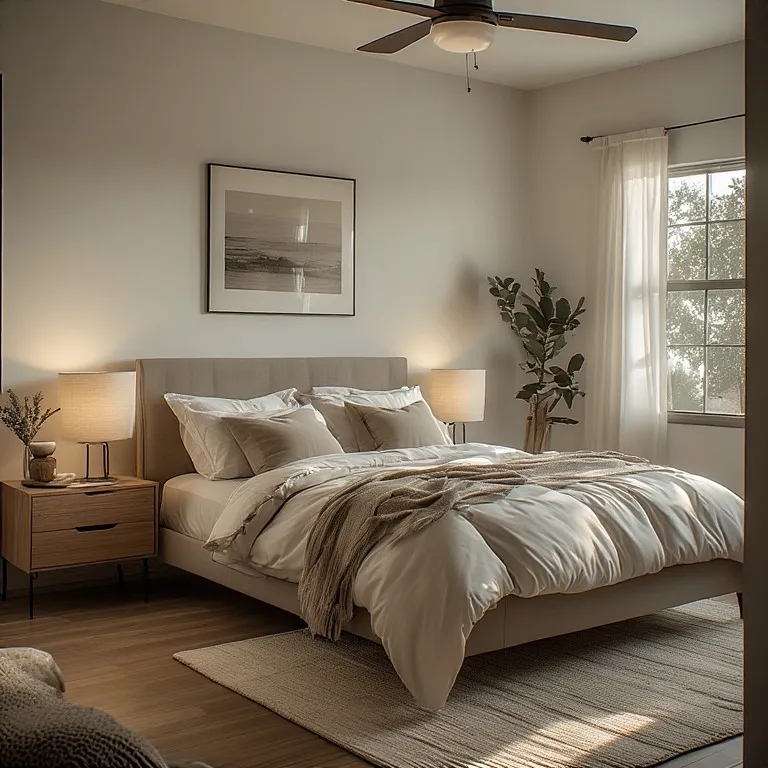
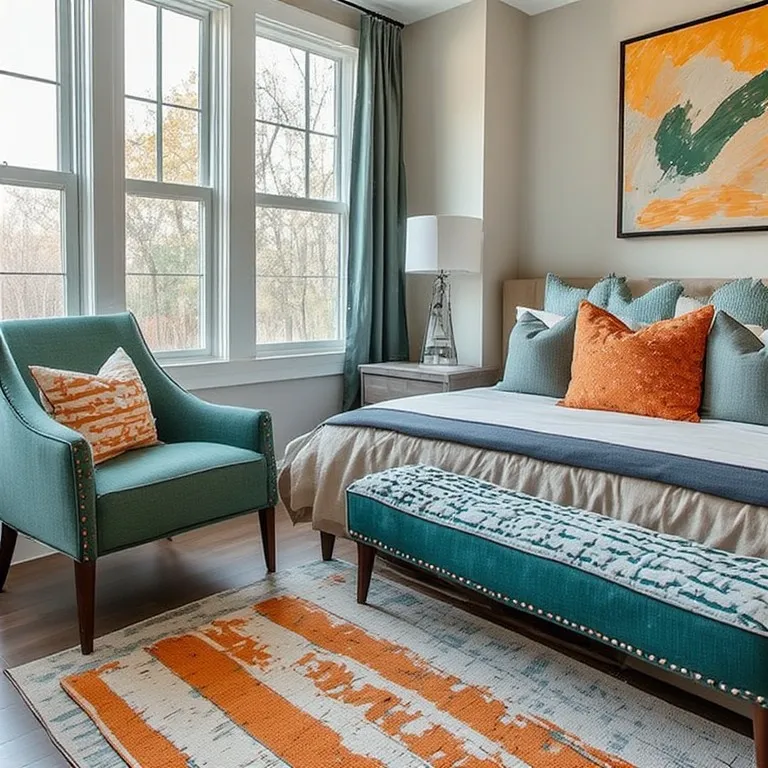
Idea 10 – Seating Furniture for Extra Comfort
Chairs, Benches, and Ottomans
Adding a small chair or bench can increase comfort. It gives you a place to sit, read, or relax. Place it near a window or at the foot of the bed. Seating furniture adds luxury without taking much space.
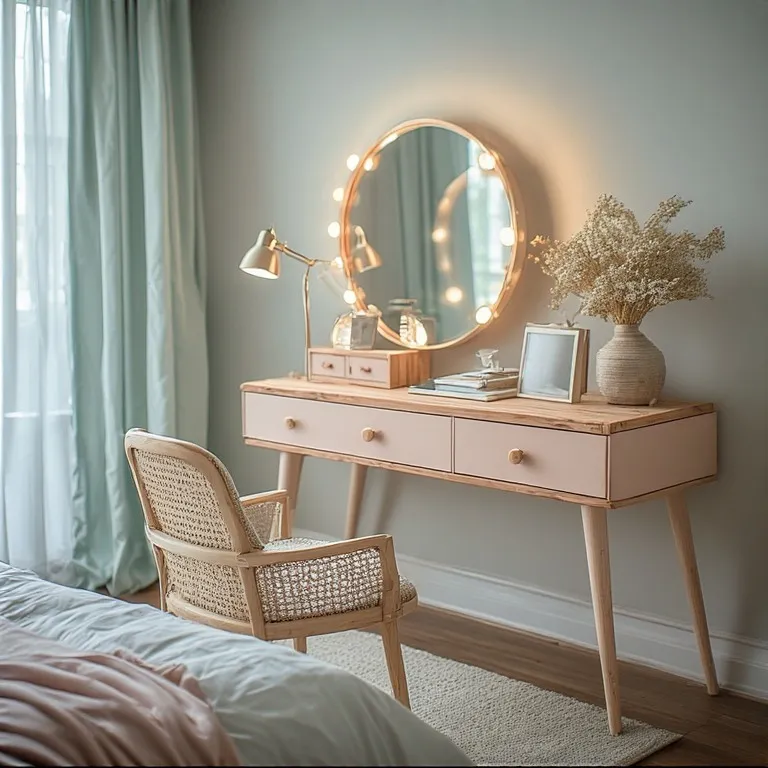
Idea 11 – Dressing Table Design and Placement
Beauty and Function Together
A dressing table should be practical and well-lit. Place it near natural light if possible. Keep it simple to avoid clutter. A good dressing table supports daily routines smoothly and keeps the bedroom organized.
Idea 12 – Open Shelves vs Closed Storage
Keeping the Bedroom Stress-Free
Closed storage hides mess and keeps the room calm. Open shelves look nice but can feel messy if not organized. Choose based on your habits. Less visible clutter means less mental stress.
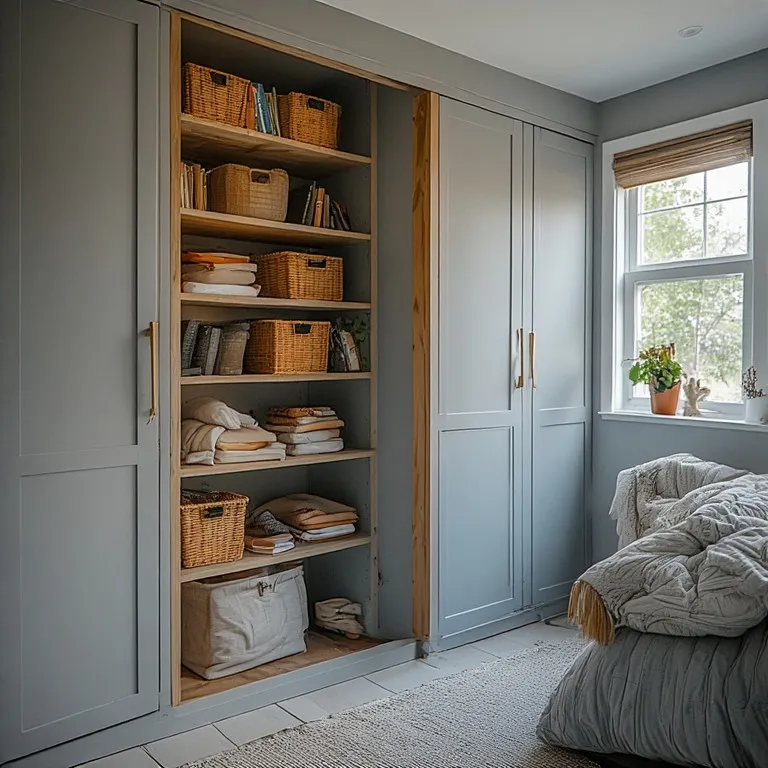
Idea 13 – Color Coordination with Furniture
Light Colors for Peaceful Sleep
Furniture color affects mood. Light colors make the room feel bigger and calmer. Dark colors can feel heavy if overused. Choose colors that help you relax and feel at ease.
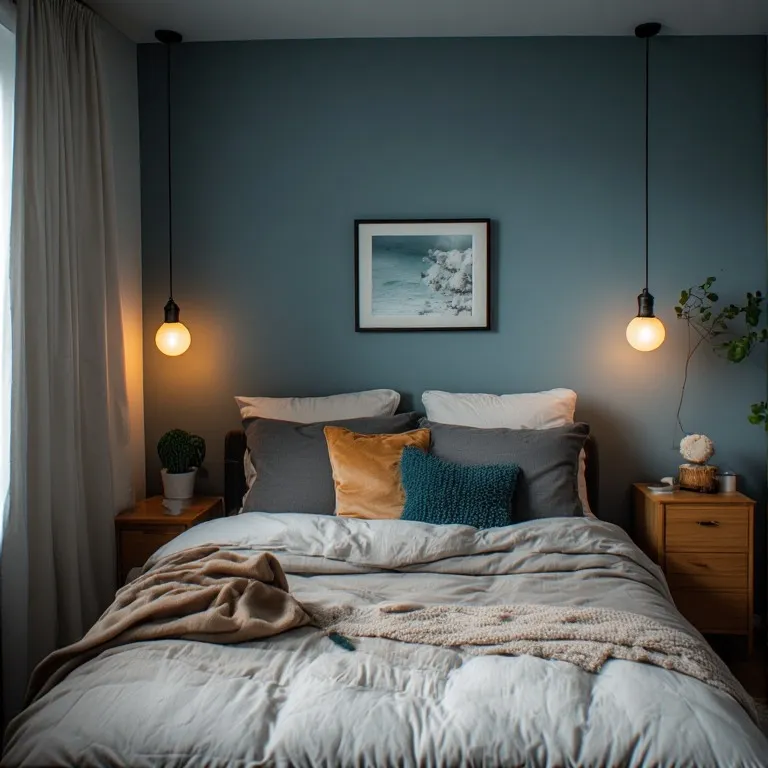
Idea 14 – Bedroom Furniture for Couples
Shared Space, Shared Comfort
Couples need balance. Equal side tables, proper walking space, and shared storage help avoid conflict. Furniture should support both people’s comfort and routines.
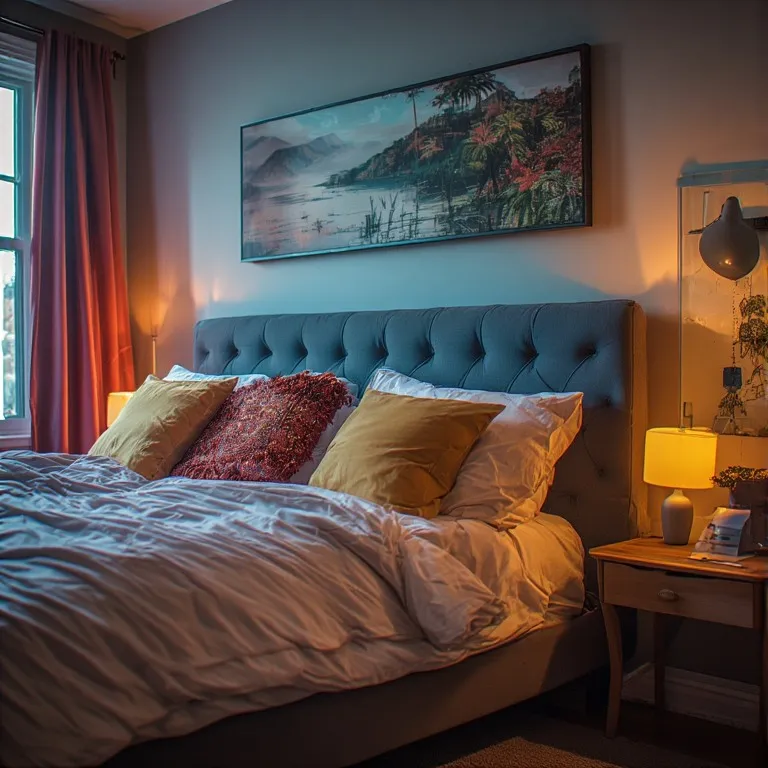
Idea 15 – Personalized Furniture Layout
Designing Around Your Lifestyle
Your bedroom should match your life. If you read, add shelves. If you work, add a small desk. Personalizing furniture layout makes the room truly yours and boosts comfort.
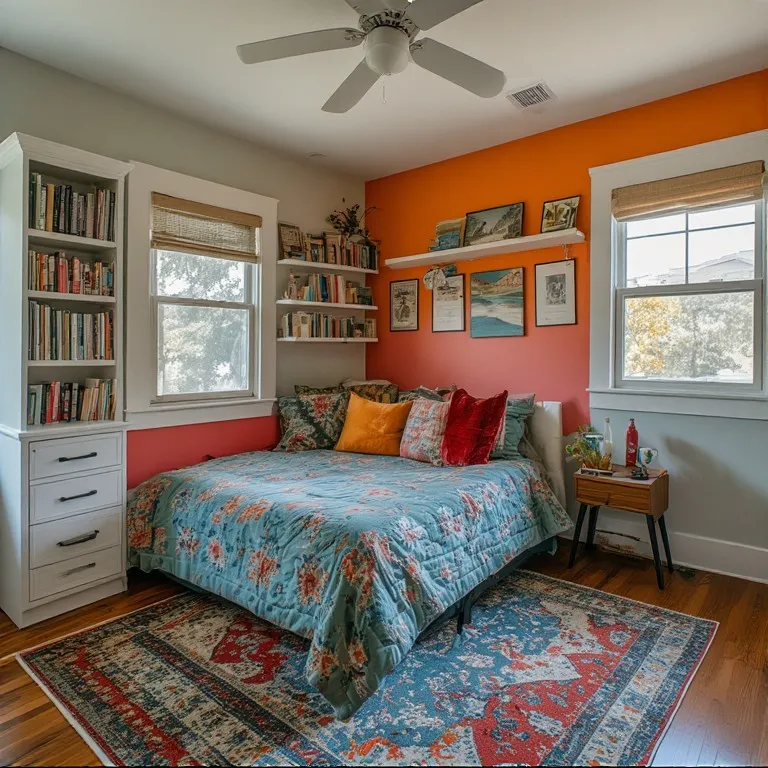
Common Bedroom Furniture Mistakes to Avoid
Overcrowding, blocking windows, and choosing style over comfort are common mistakes. Avoid them to keep your bedroom peaceful and functional.
Conclusion
A comfortable bedroom is not about expensive furniture. It’s about smart design and thoughtful layout. When furniture supports your daily life instead of getting in the way, comfort comes naturally. Small changes can make a big difference. Treat your bedroom like a personal retreat, and it will reward you with better rest and peace.
FAQs
1. How much furniture should a bedroom have?
Only what you need. Less furniture often means more comfort.
2. What is the best bed position?
Against a solid wall, away from direct door view.
3. Is wooden furniture good for bedrooms?
Yes, it adds warmth and calmness.
4. How can I make a small bedroom comfortable?
Use multifunctional furniture and keep the layout simple.
5. Does furniture color affect sleep?
Yes, light and soft colors help create a peaceful mood.