
15 Bedroom Furniture and Layout Ideas for Better Comfort

Your bedroom is more than just a place to sleep. It is where your day starts and ends. A comfortable bedroom helps you relax, recharge, and feel at peace. Many people focus only on buying furniture but forget about layout. The truth is, even expensive furniture can feel uncomfortable if the layout is wrong. Bedroom comfort comes from smart furniture choices and good placement. Think of your bedroom like a calm island. Everything should feel easy, open, and stress-free.
Why Bedroom Furniture and Layout Matter
Bedroom furniture and layout directly affect how you feel every day. A well-planned bedroom makes daily tasks smooth and restful.
Comfort Starts with Smart Planning
When furniture is placed properly, you move easily, sleep better, and feel more relaxed. Planning helps you avoid tight spaces and wasted corners.
How Layout Affects Sleep and Mood
A crowded or messy layout can make your mind feel busy. A clean and open layout helps your brain relax, which improves sleep and mood.
Idea 1 – Choose the Right Bed Size
The bed is the star of the bedroom. Choosing the right size is key to comfort.
Single, Queen, or King Bed
Your bed size should match your needs. A single bed works for kids or small rooms. Queen beds are great for couples. King beds offer maximum comfort if space allows.
Matching Bed Size with Room Size
A bed that is too big makes the room feel tight. Always leave space around the bed for easy movement.
Idea 2 – Place the Bed in the Right Spot
Where you place the bed matters more than you think.
Best Bed Placement for Comfort
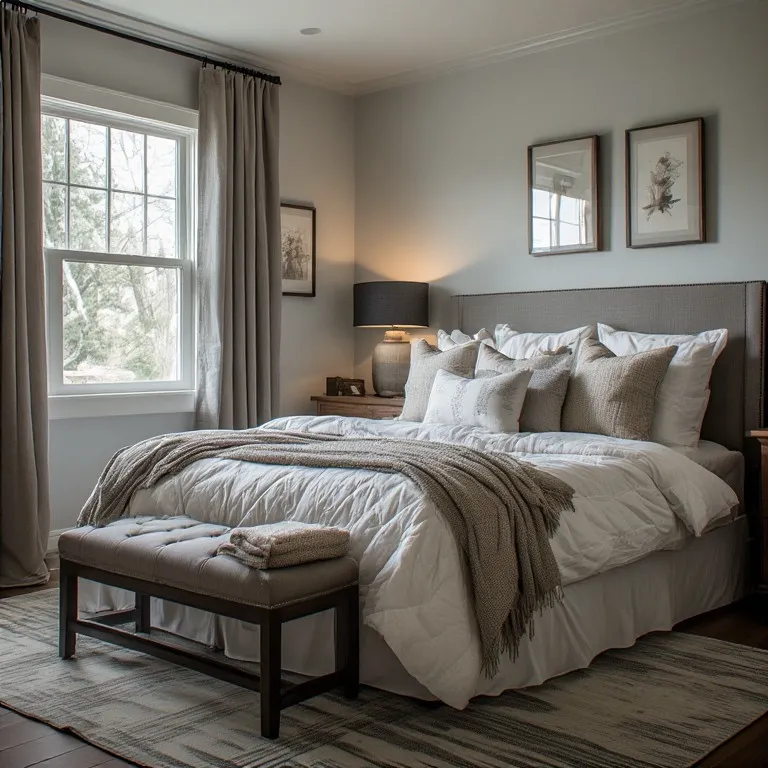
Place the bed against a solid wall with space on both sides if possible. Avoid blocking windows or doors. This creates balance and calm.
Idea 3 – Invest in a Comfortable Mattress
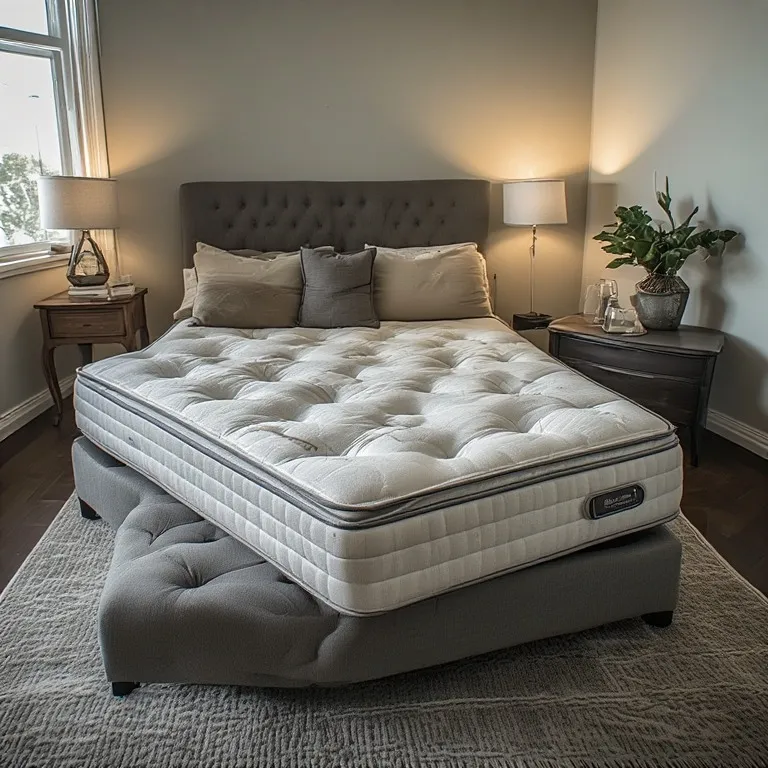
A good mattress is not a luxury, it is a need.
Mattress Types and Comfort Levels
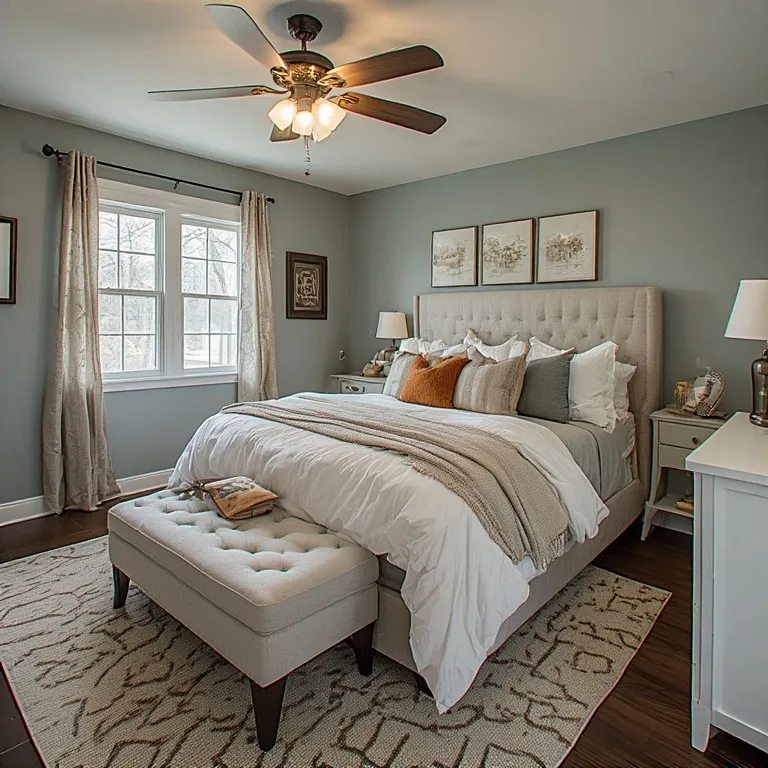
Choose a mattress that supports your body. Soft, medium, or firm depends on your comfort. A good mattress improves sleep quality.
Idea 4 – Use Functional Bedside Tables
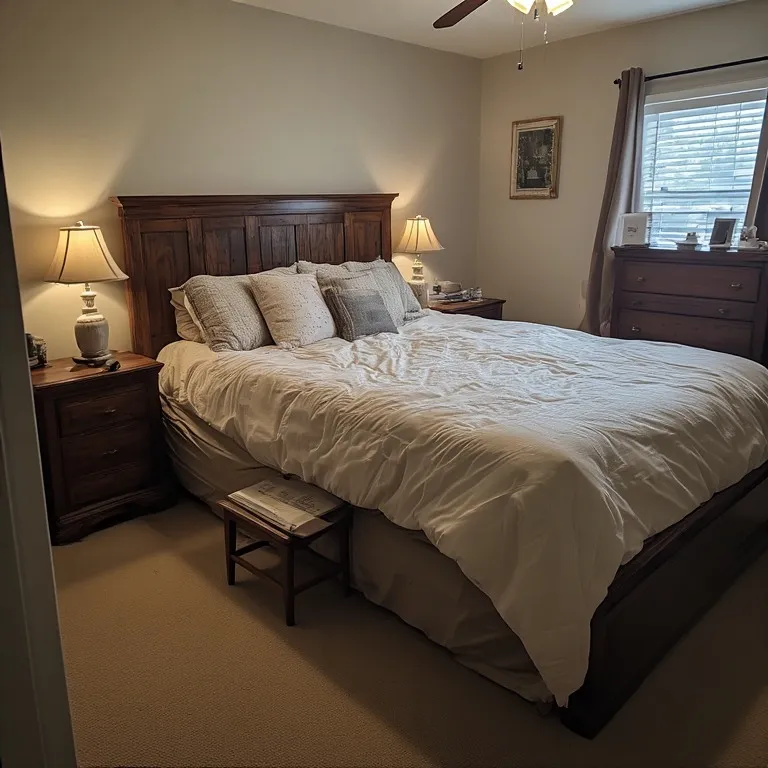
Bedside tables add comfort and ease.
What to Keep Near Your Bed
Keep essentials like a lamp, phone, book, or water nearby. This reduces movement at night.
Size and Height of Bedside Tables
The table should be close to bed height. Too tall or too low feels uncomfortable.
Idea 5 – Add Soft Lighting for Relaxation
Lighting sets the mood of the bedroom.
Warm Lighting for Better Sleep
Use warm lights instead of bright white. Soft lamps help your body relax before sleep.

Idea 6 – Keep Furniture Minimal
Less furniture means more comfort.
Avoid Overcrowding the Bedroom
Too much furniture blocks movement and air. Keep only what you truly need.
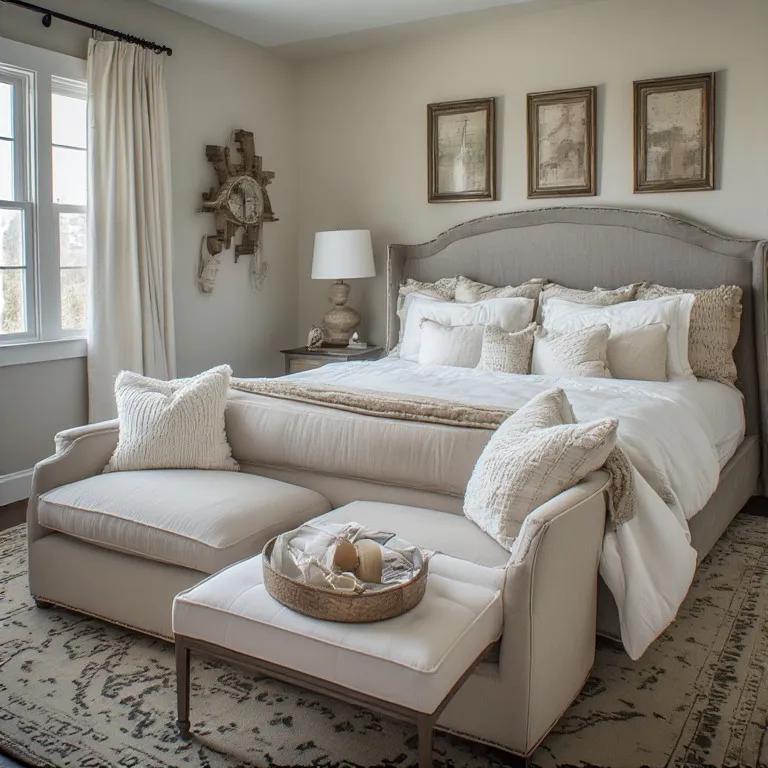
Idea 7 – Smart Wardrobe Placement
Wardrobes take a lot of space, so placement matters.
Sliding vs Hinged Wardrobes
Sliding doors save space and are easier to use in small rooms.
Saving Space with Smart Storage
Choose wardrobes with shelves and drawers to reduce extra furniture.

Idea 8 – Use a Comfortable Seating Area
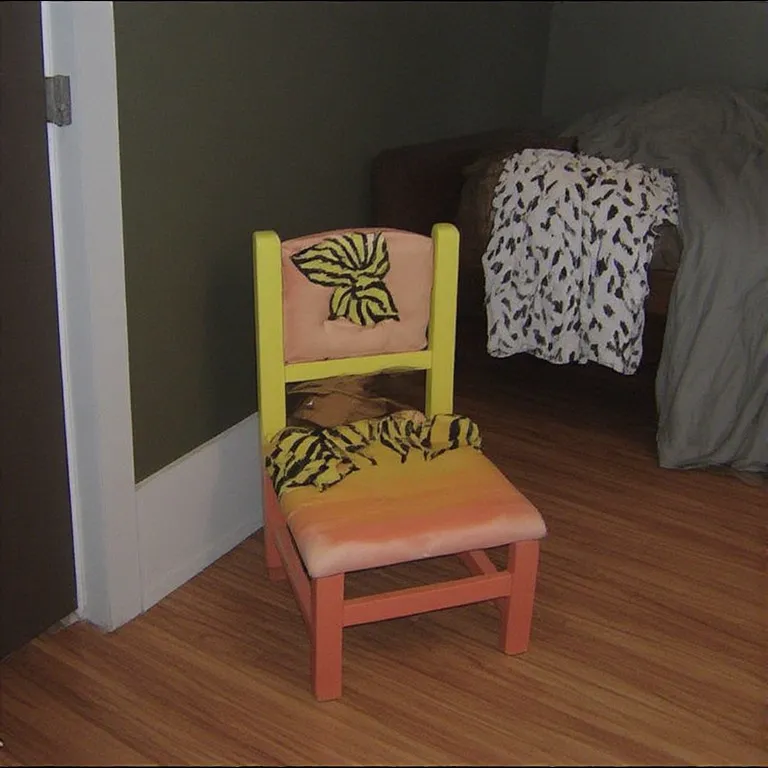
A small seating spot adds comfort.
Chairs and Benches in Bedrooms
A chair or bench helps with dressing or relaxing. Keep it simple and cozy.
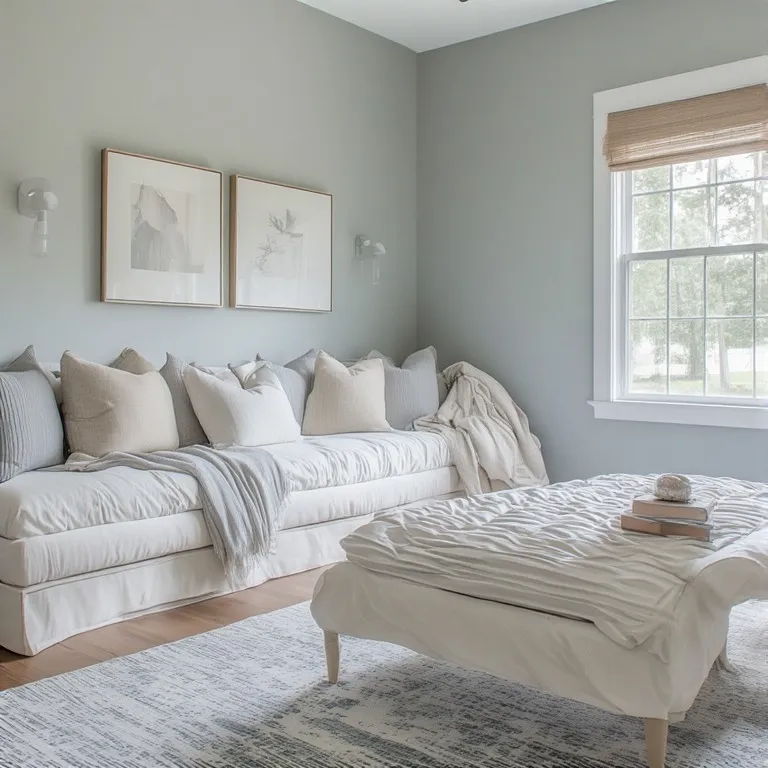
Idea 9 – Choose Calming Colors
Colors affect how you feel.
Colors That Help You Relax
Soft colors like beige, light blue, gray, and pastels calm the mind and body.
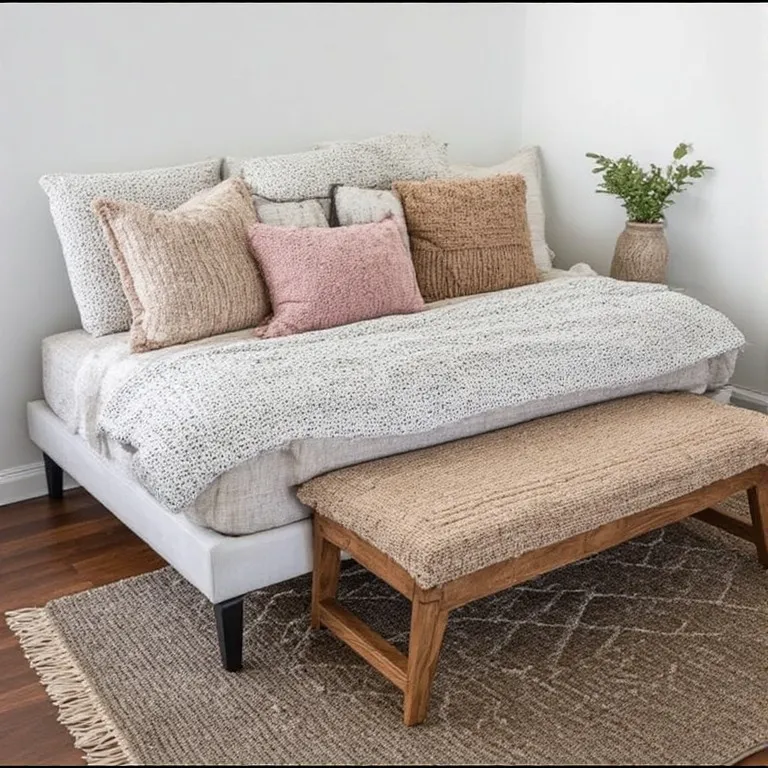
Idea 10 – Use Rugs for Warmth
Rugs make the bedroom feel cozy.
Where to Place Bedroom Rugs
Place rugs beside or under the bed for warm feet in the morning.
Idea 11 – Keep Walkways Clear
Clear paths make life easier.
Easy Movement for Daily Comfort
You should walk freely without hitting furniture. Clear space reduces stress.
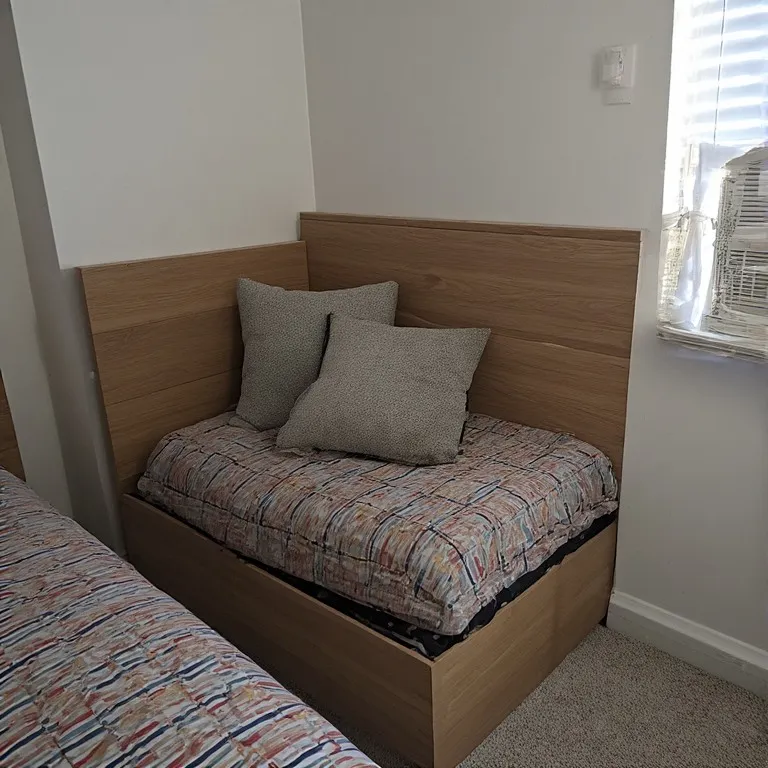
Idea 12 – Add Storage Without Clutter
Storage should hide mess, not create it.
Under-Bed and Hidden Storage
Use storage beds or boxes to keep things out of sight.
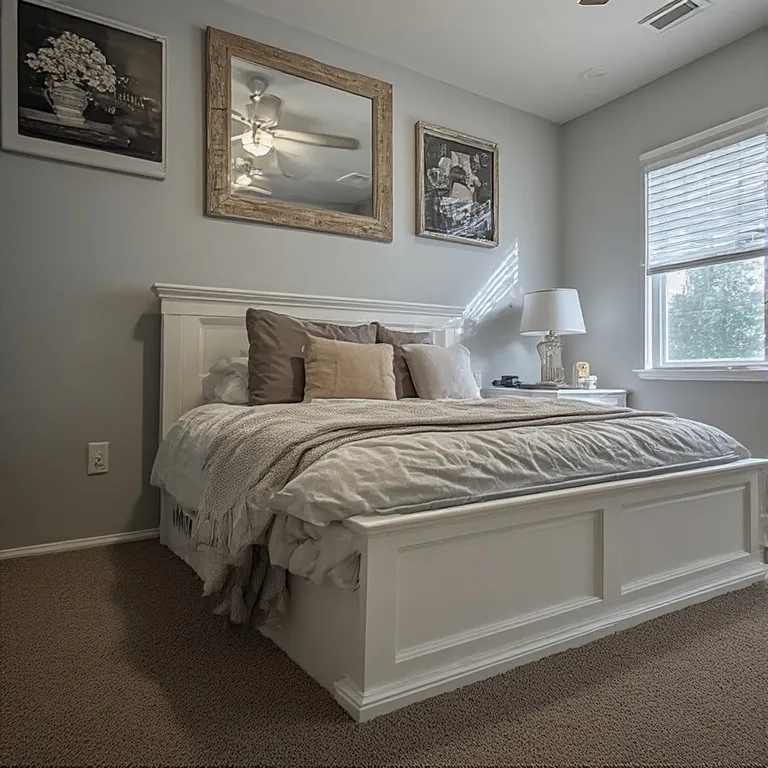
Idea 13 – Balance Furniture Height
Height balance keeps the room calm.
Low vs Tall Furniture
Mix low beds with medium-height storage. Avoid too many tall items.
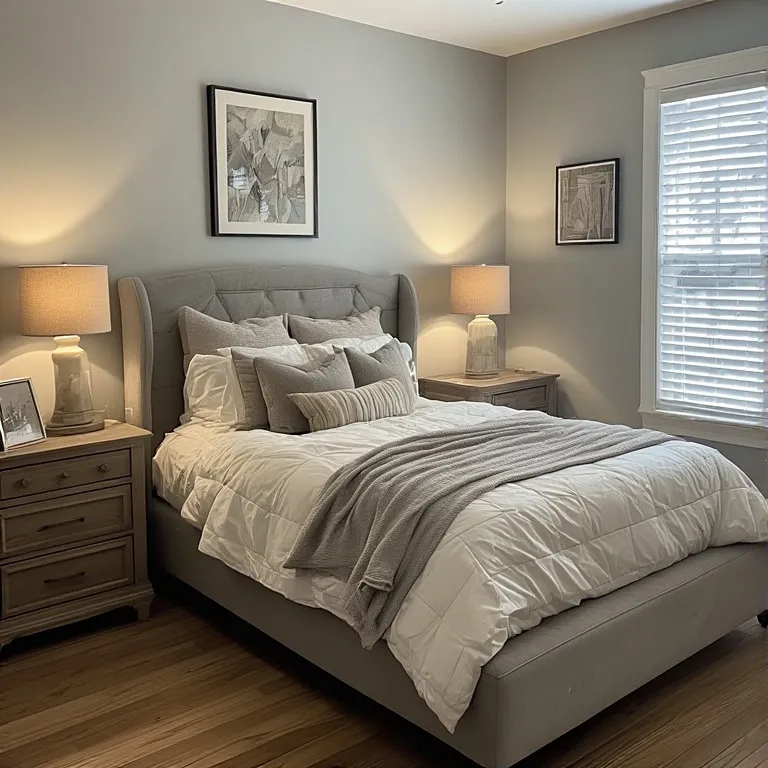
Idea 14 – Personalize Without Overdoing
Your bedroom should feel like you.
Decor That Feels Peaceful
Use a few personal items like photos or art. Do not overcrowd walls.
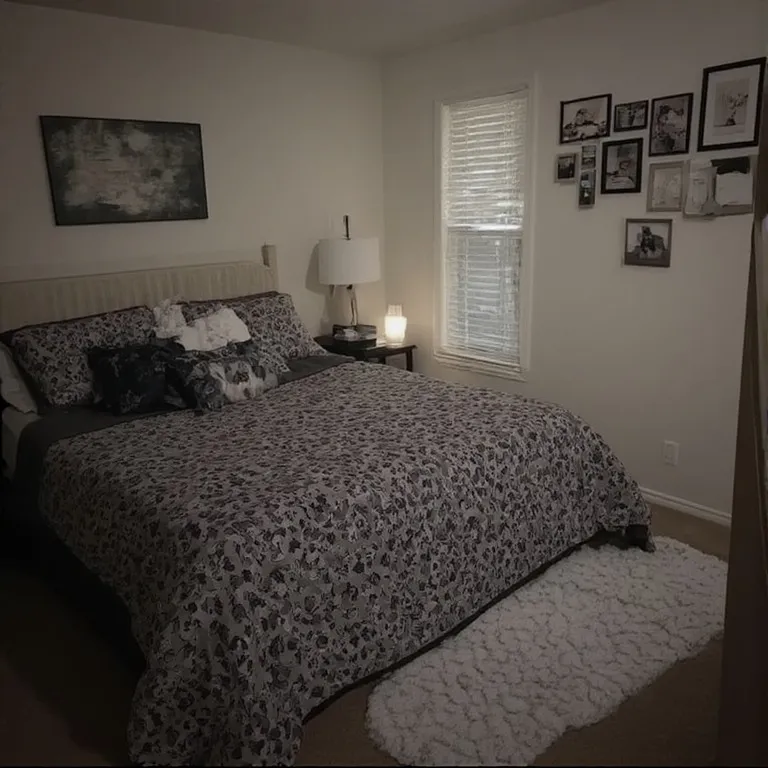
Idea 15 – Focus on Air and Light Flow
Fresh air and light improve comfort.
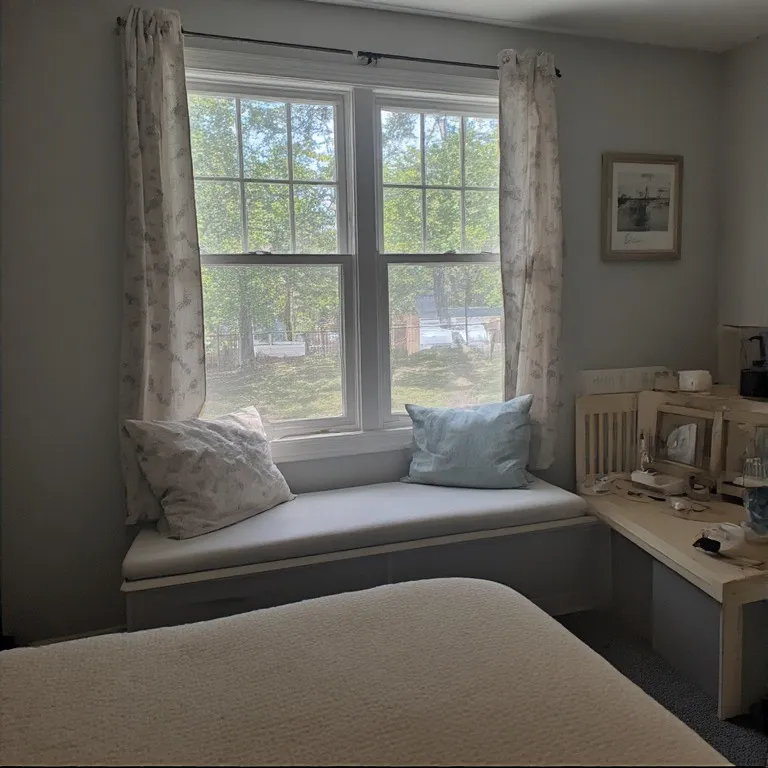
Windows, Curtains, and Ventilation
Use light curtains and keep windows clear. Good airflow helps better sleep.
Conclusion
A comfortable bedroom is built with thoughtful furniture choices and smart layout planning. You do not need a big room or expensive items. By choosing the right bed, keeping space open, using calming colors, and avoiding clutter, you can turn your bedroom into a peaceful retreat. Comfort is about how the space feels, not how much it costs. Start with small changes and enjoy better rest every day.
FAQs
1. What furniture is most important for bedroom comfort?
The bed and mattress are the most important.
2. How can I make a small bedroom more comfortable?
Use minimal furniture and smart storage.
3. Does bedroom layout affect sleep?
Yes, a clean and open layout helps better sleep.
4. Are rugs necessary in bedrooms?
They are not necessary but add warmth and comfort.
5. What colors are best for a relaxing bedroom?
Soft and neutral colors work best.