

13 Ways to Collect Rainwater for Your Garden

If you love gardening, you know how precious water can be — especially during dry months. Luckily, nature offers a free and sustainable solution: rainwater! In this post, we’ll explore 13 Ways to Collect Rainwater for Your Garden that are easy, affordable, and environmentally friendly. Whether you have a large backyard or a tiny patio garden, these methods will help you store rainwater efficiently and reduce your dependence on tap water.13 Ways to Collect Rainwater for Your Garden Let’s dive into how you can make the most of every drop!
1. Use a Rain Barrel
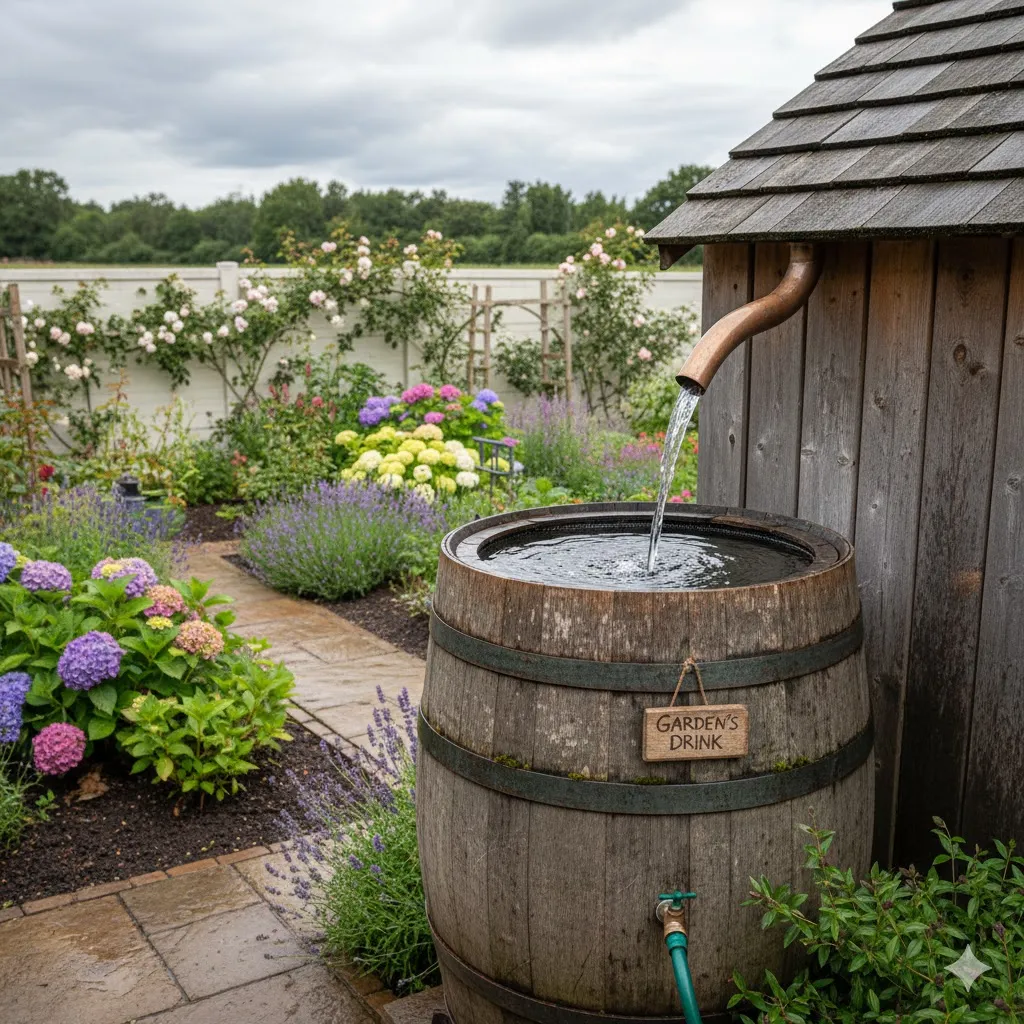
Rain barrels are one of the most common and effective methods. Place one under your downspout to collect runoff from your roof. It’s simple, low-cost, and provides plenty of water for garden use.
2. Install a Rain Chain
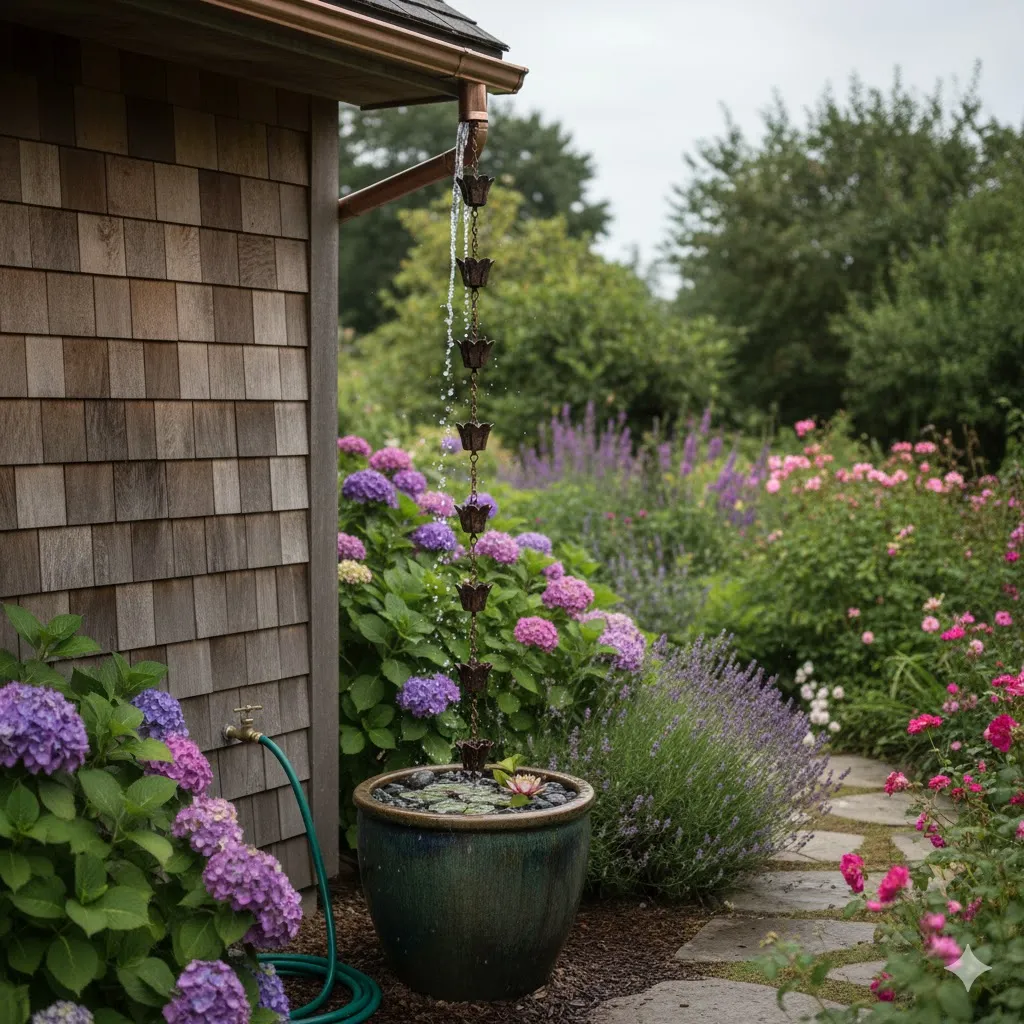
Rain chains guide rainwater beautifully from your roof to a storage container. They’re decorative and functional — adding charm to your garden while helping conserve water.
3. Set Up a Gutter System
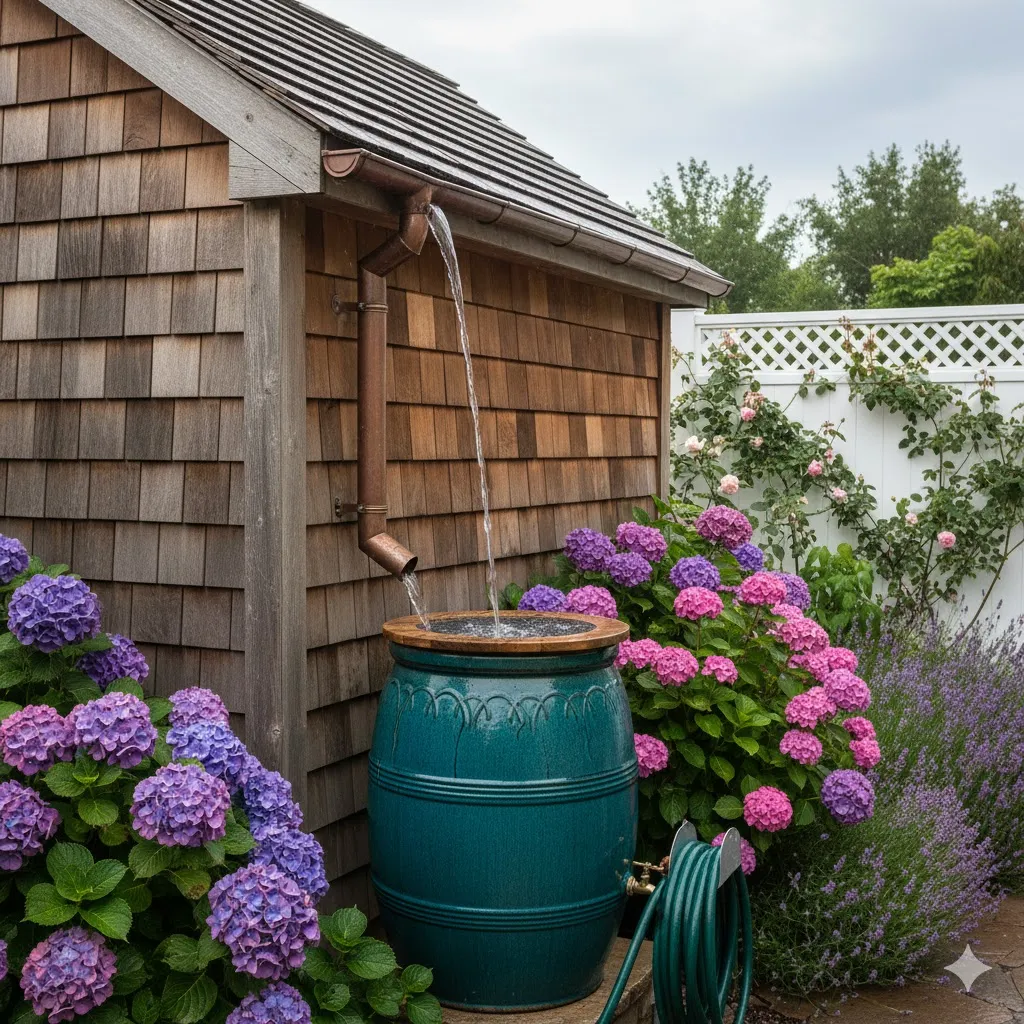
Directing rainwater through clean gutters into storage tanks ensures minimal waste. Keep your gutters debris-free for efficient flow and collection.
4. Use a Large Storage Tank
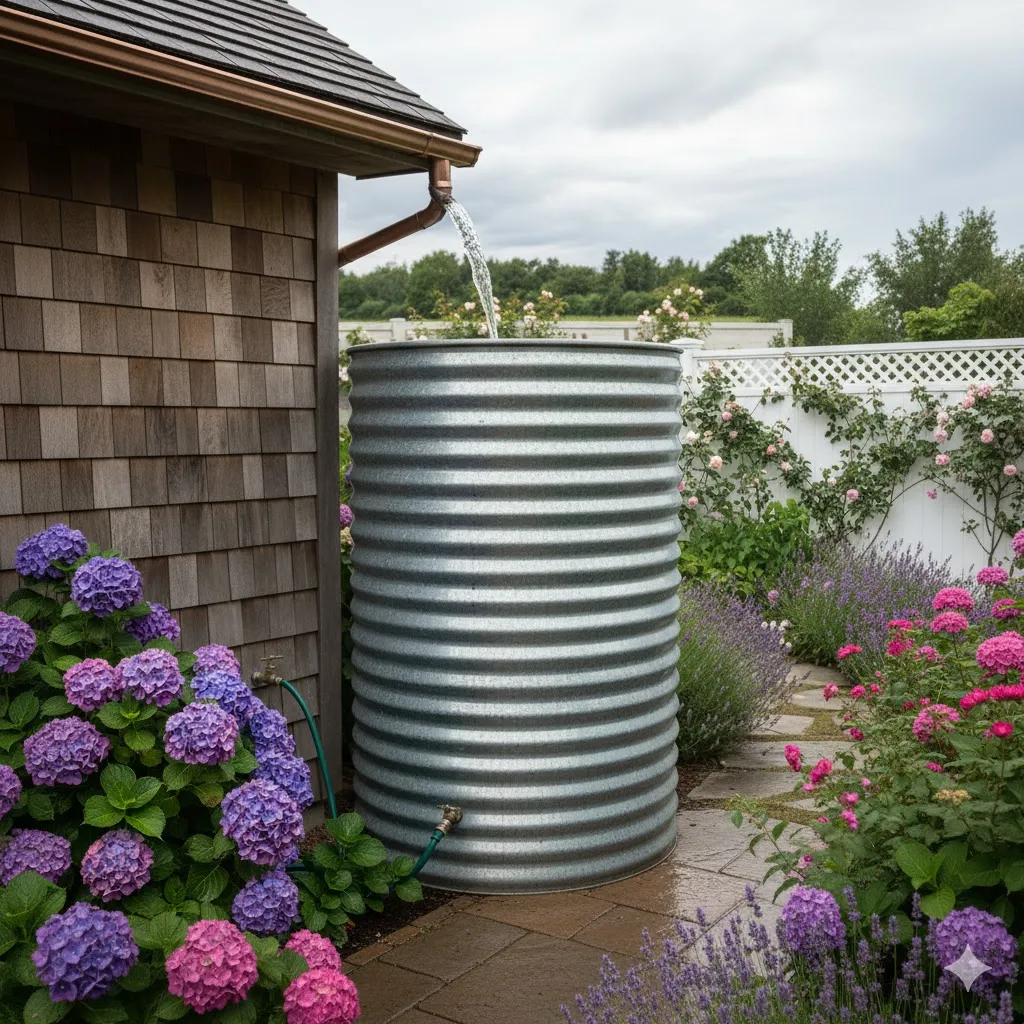
If you live in an area with heavy rainfall, a large tank is perfect for long-term storage. It can supply water to your garden for weeks during dry spells.
5. Collect from a Greenhouse Roof
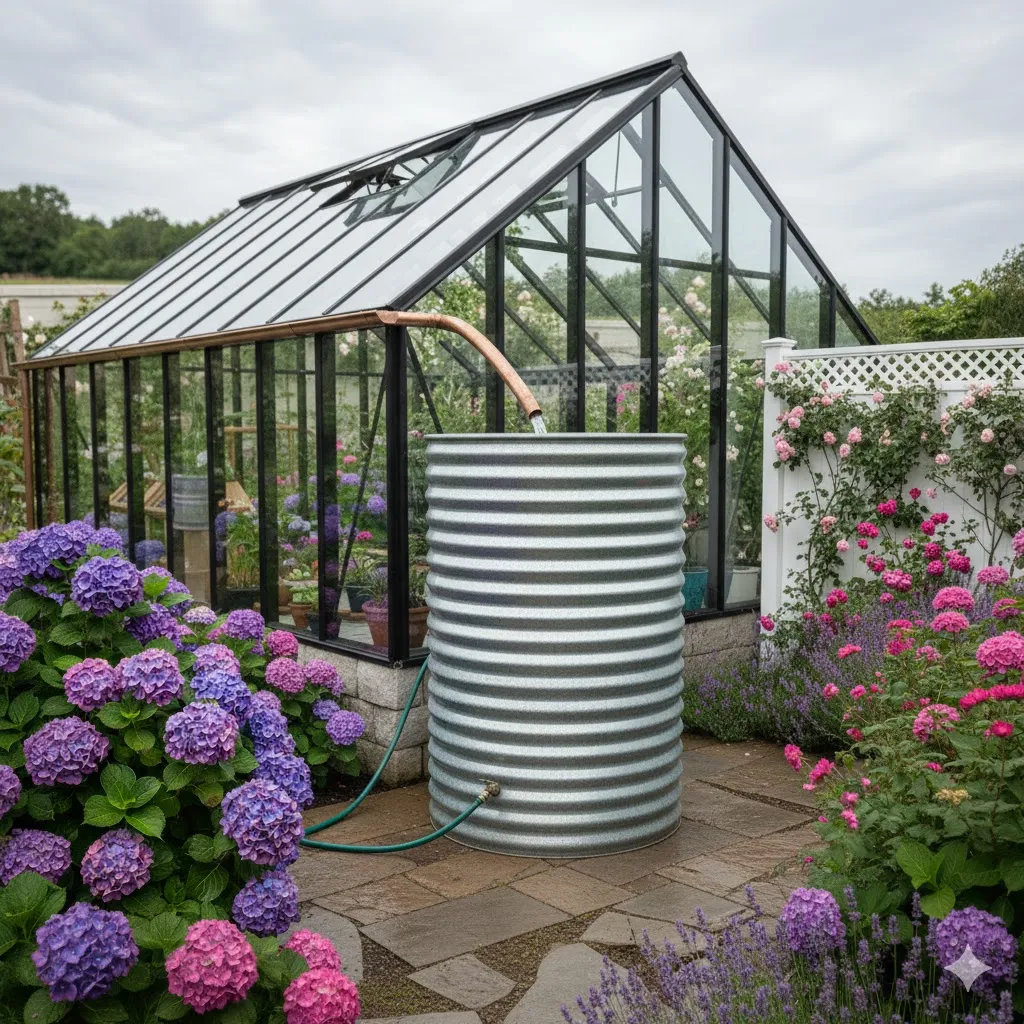
Greenhouses are excellent for capturing rainwater. Install small gutters or channels along the roof to collect water and direct it into barrels.
6. Create a Rain Garden
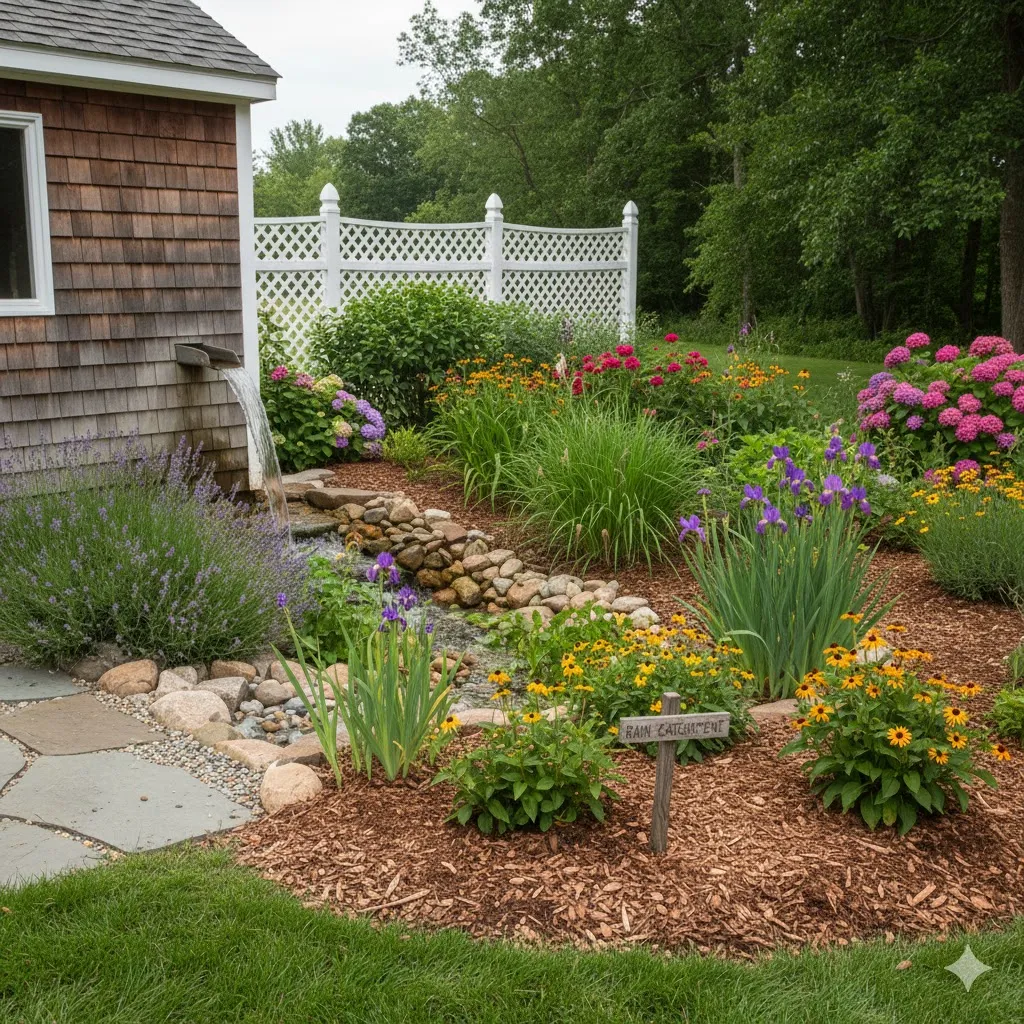
A rain garden is a shallow, planted area designed to absorb rainwater runoff. It naturally filters water and supports pollinators while reducing soil erosion.
7. Use Buckets and Containers
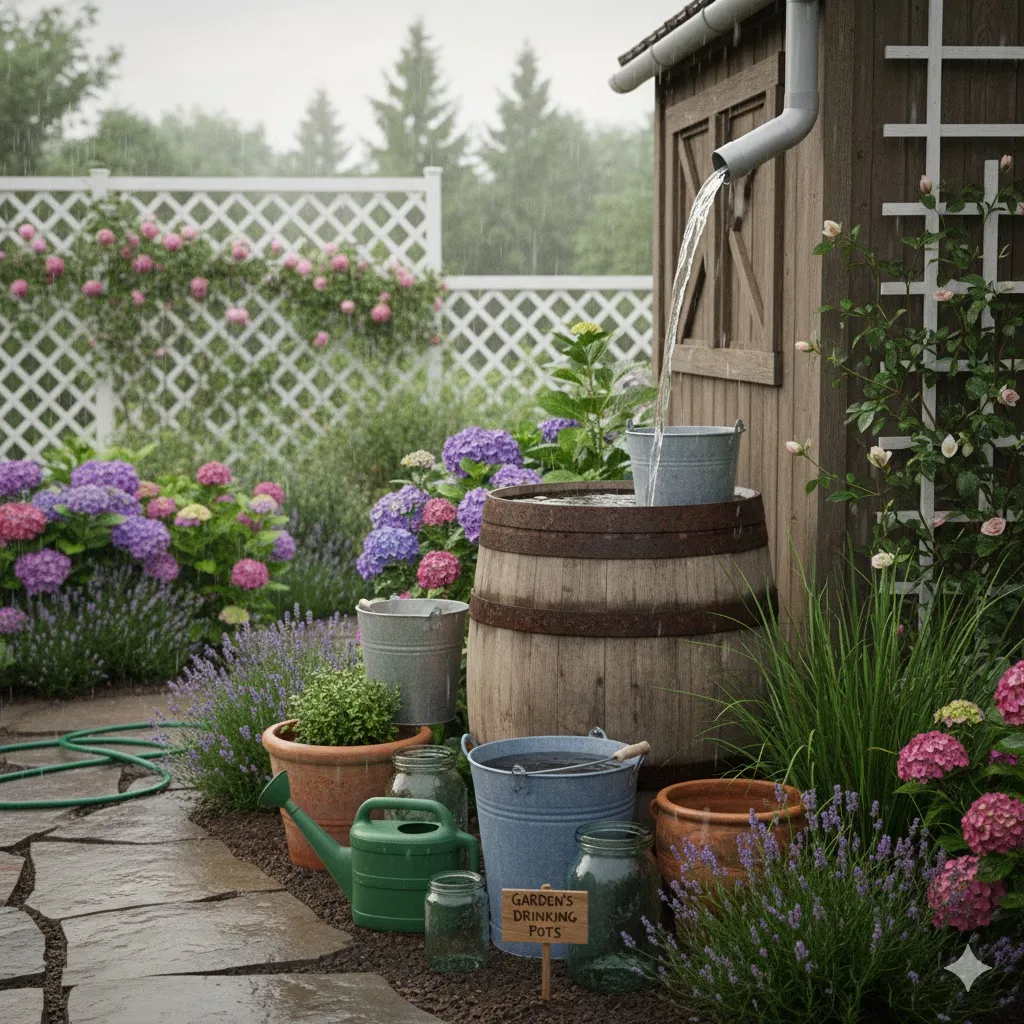
Sometimes, simple solutions work best. Place open buckets or tubs around your garden during rainfall to gather extra water for later use.
8. Build a DIY Drip Irrigation System
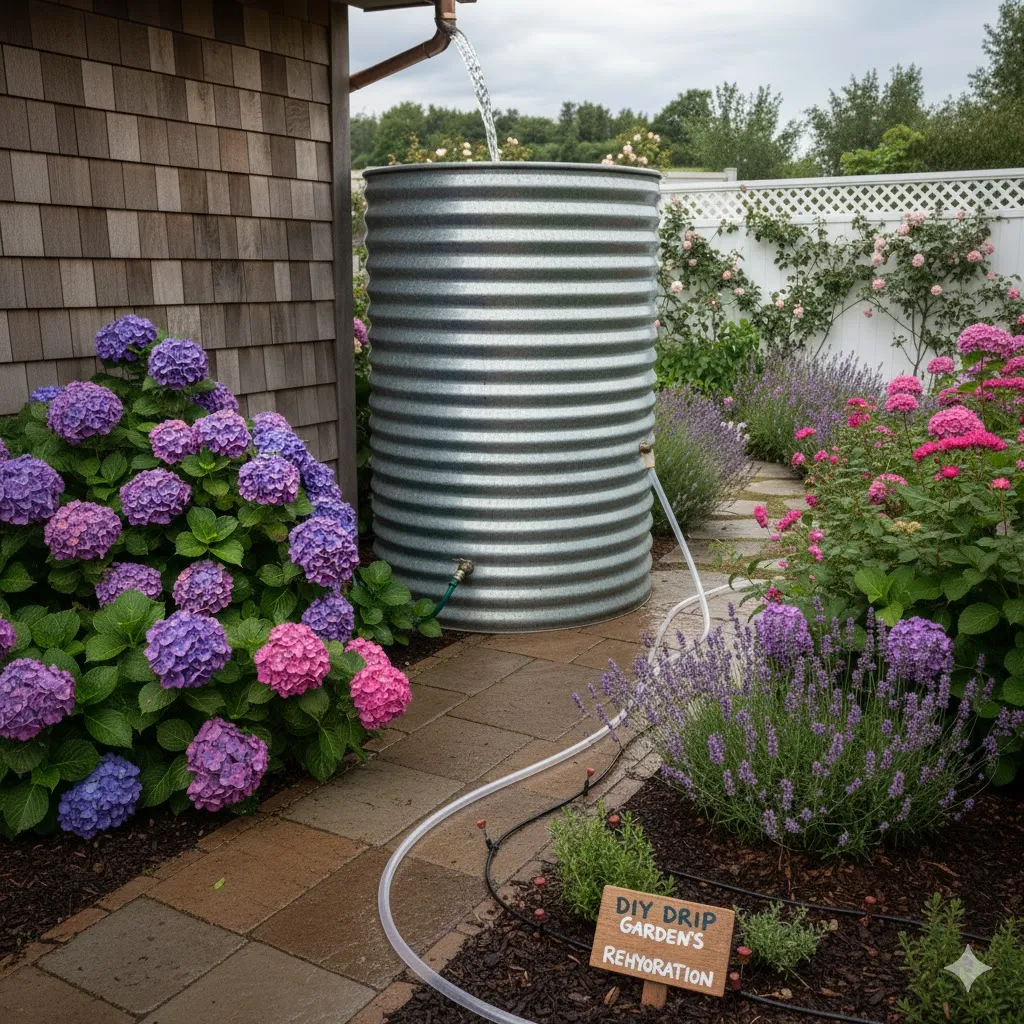
Connect your rain barrel to a drip hose system. This delivers stored rainwater directly to plant roots, saving both water and effort.
9. Use a Water Bladder
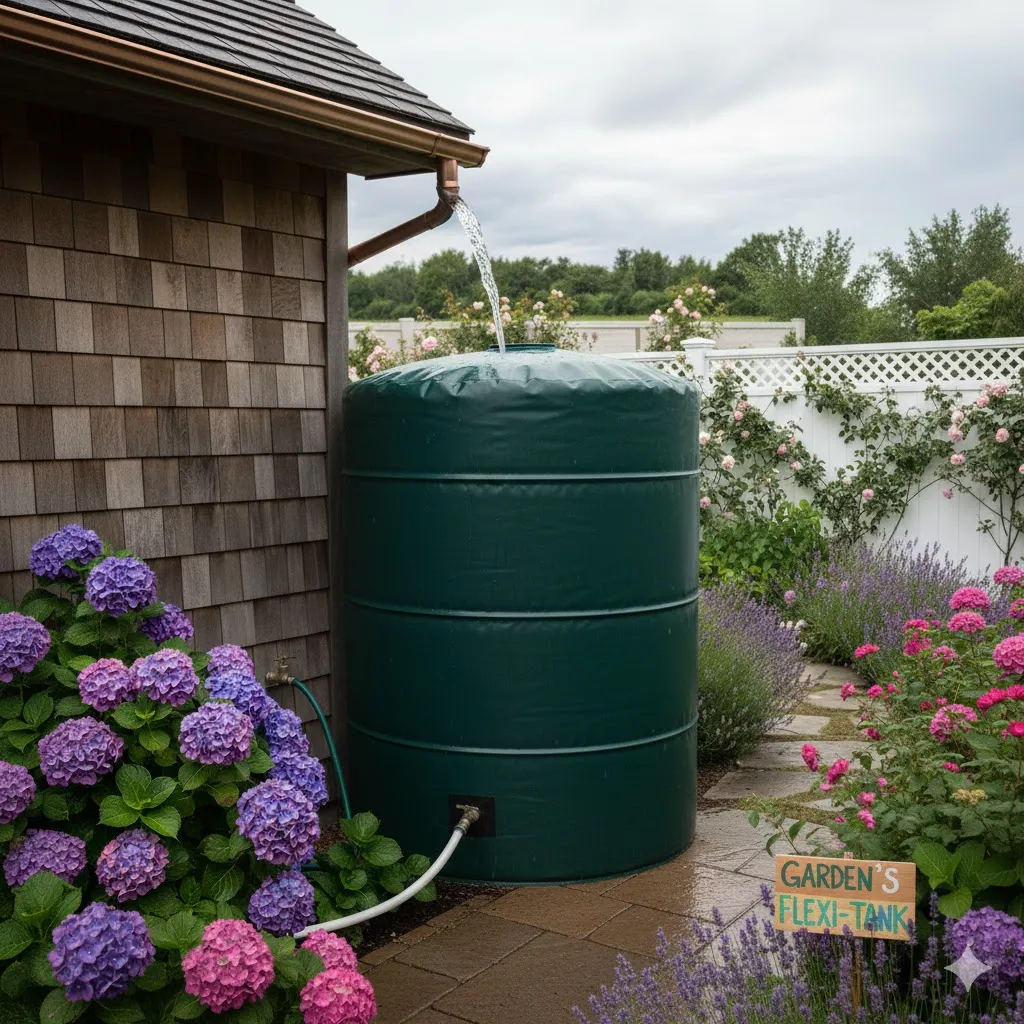
Water bladders are flexible storage options that can fit under decks or crawl spaces. They’re great for discreetly collecting large amounts of rainwater.
10. Add a Diverter System
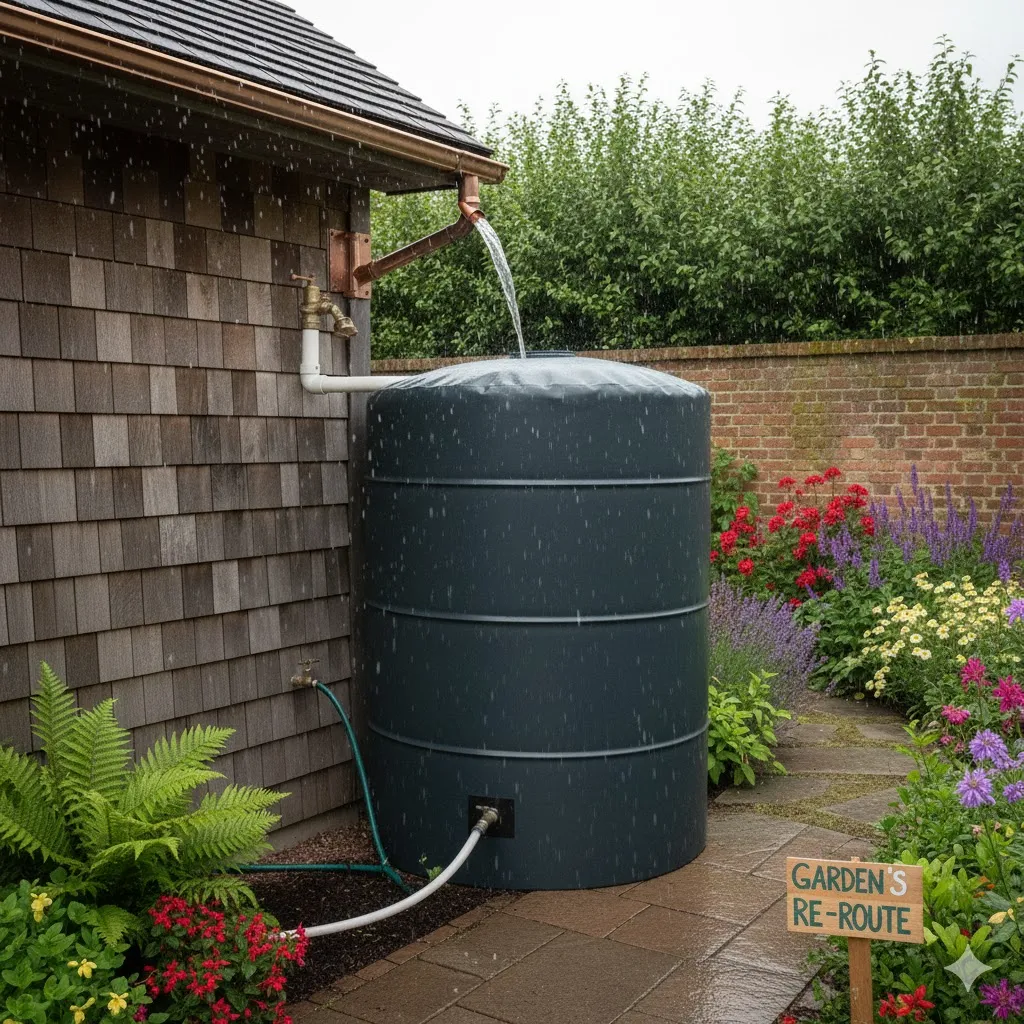
A diverter connects to your downspout and channels water into your rain barrel only when it’s clean, preventing dirt and debris from entering.
11. Collect from a Patio or Driveway
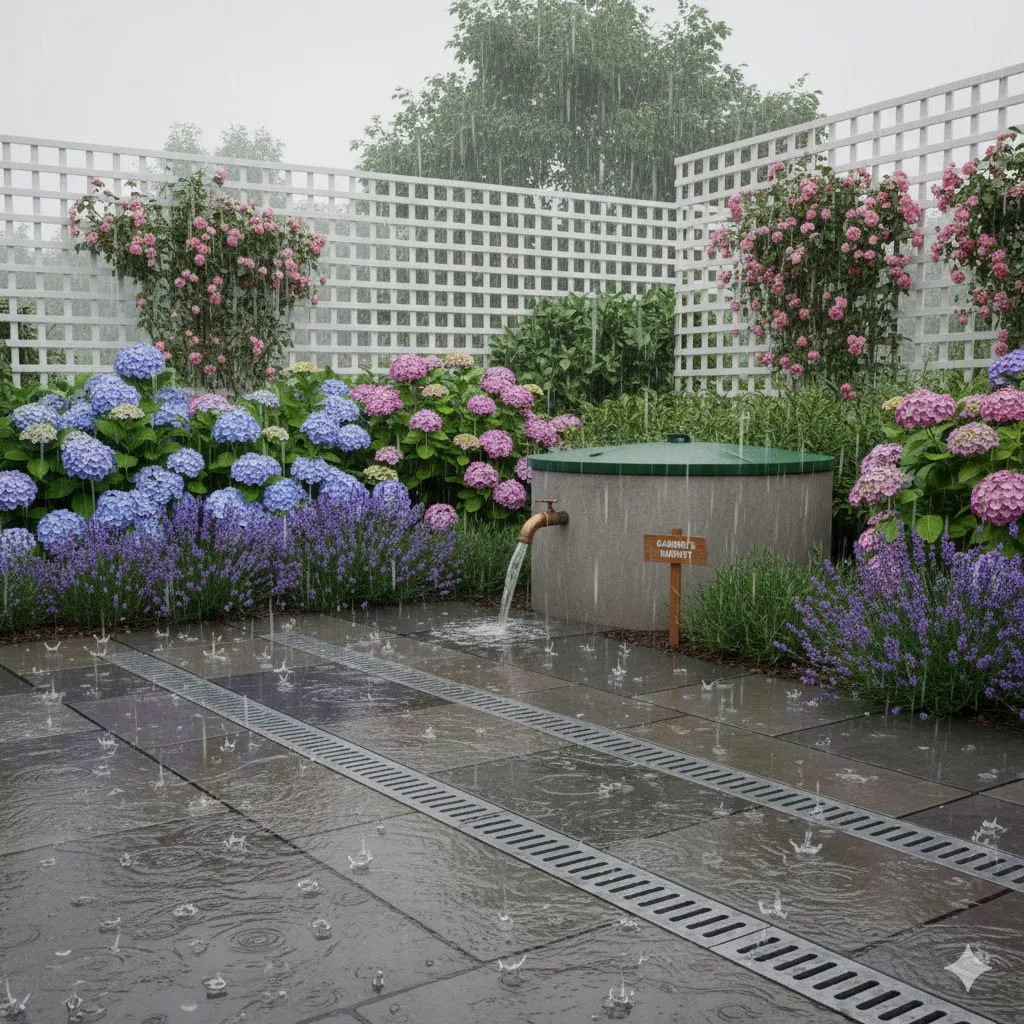
Use a drainage system to direct water from hard surfaces like patios or driveways into collection tanks. It’s an often-overlooked source of rainwater.
12. Try a Tarp Collection System
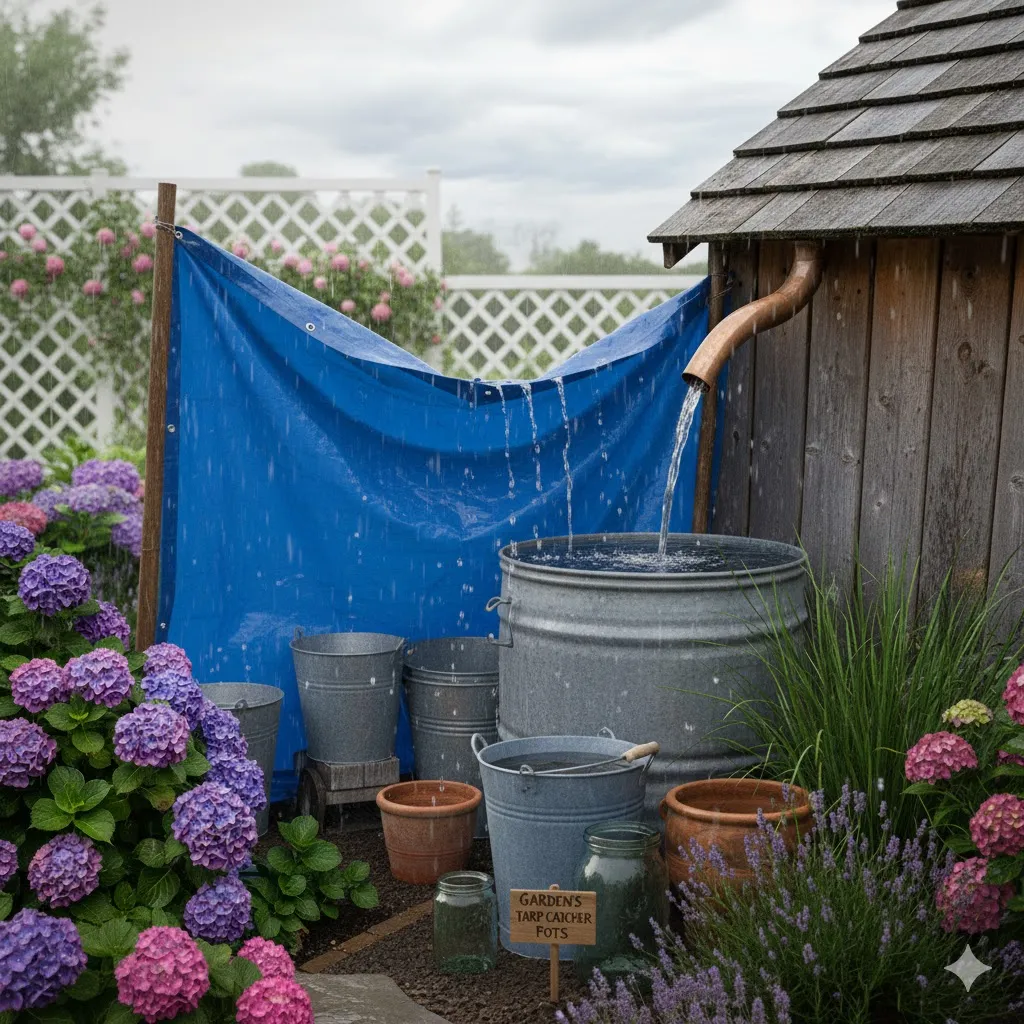
Stretch a tarp between poles or fences during rainfall to funnel water into a barrel or tank. This quick DIY setup works well in open spaces.
13. Repurpose Old Containers
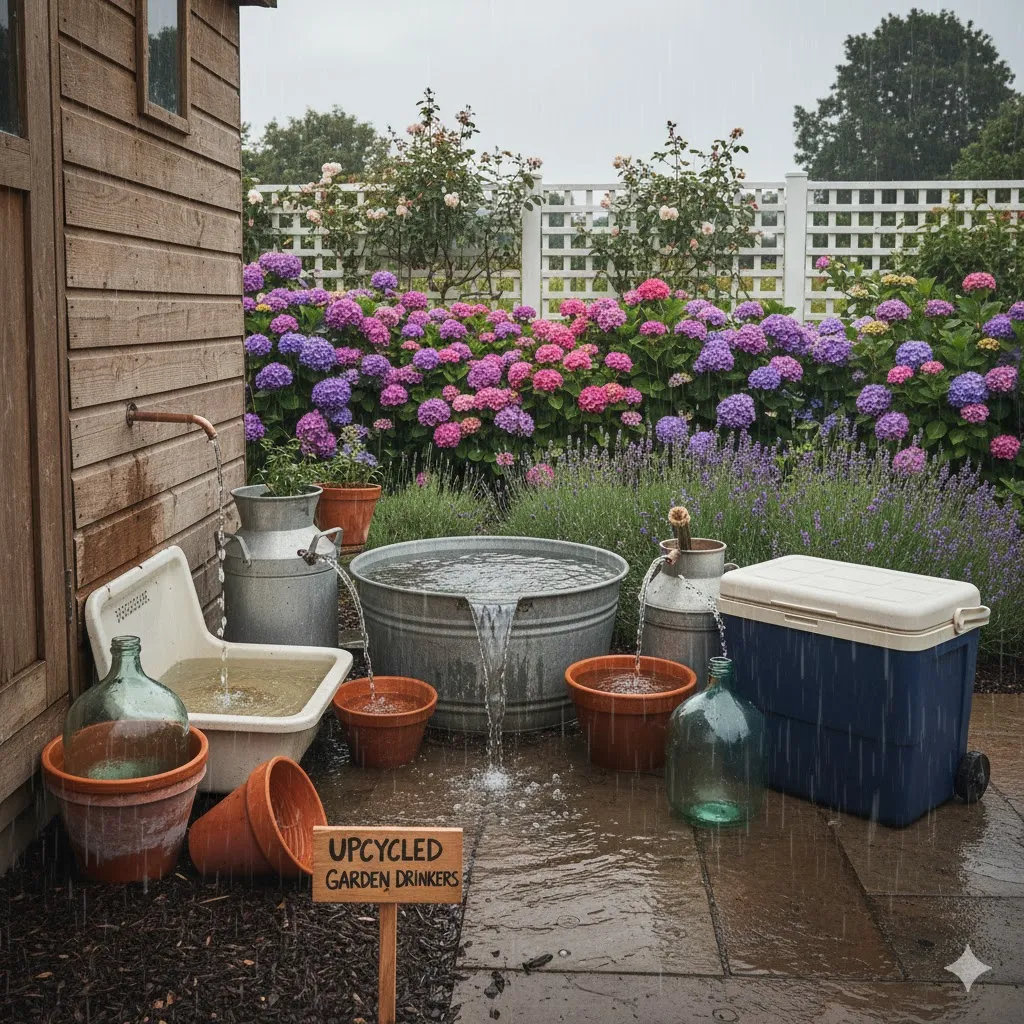
Old bathtubs, barrels, or plastic bins can make great rainwater collectors. Just clean them thoroughly and place them where water naturally runs off.
Conclusion
Water is one of the most valuable resources for any gardener, and using rainwater helps you save money while protecting the environment. These 13 Ways to Collect Rainwater for Your Garden show that sustainable living can be simple and rewarding. Whether you start with a single rain barrel or build a full collection system, every effort counts. 13 Ways to Collect Rainwater for Your Garden So, set up your rain catchers today — your plants (and the planet) will thank you!